IoT solution powered by the SMQ protocol
IoT solution powered by the SMQ protocol
0
Components
Hardware components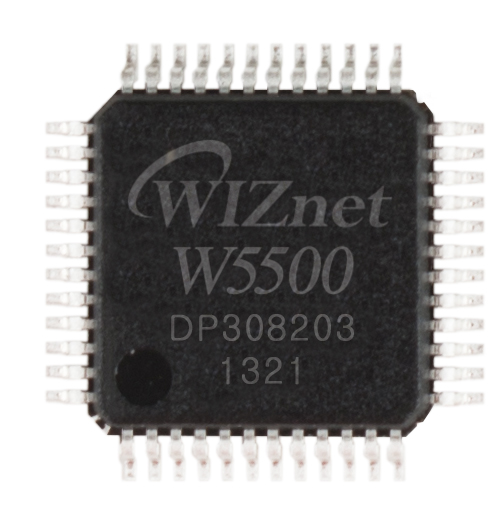
WIZnet - W5500
x 1

Project description
The robust Mako Server is central to our IoT solution, which operates as an online cloud portal and provides seamless functionality and efficient edge device management capabilities. This portal, which acts as a control hub, enables remote access and control over IoT-enabled car charger stations. Users can thus interact with these IoT devices effortlessly through our cloud-based server portal.
Our team used Lua, a versatile scripting language, to craft the software for both the server-side portal and edge device code. This allowed us to create a cohesive ecosystem that seamlessly integrates all components. The client-side browser code was designed as a Single Page Application (SPA) by using React.
SSO Login Page

Using Active Directory Single Sign-On (SSO) for the portal presents numerous advantages over traditional authentication methods, including enhanced convenience, improved operational efficiency, bolstered security, reduced IT support costs, and facilitated compliance.
Check the tutorial Single Sign On for Microcontrollers to learn more about the benefits of using SSO.
Quarantined Devices
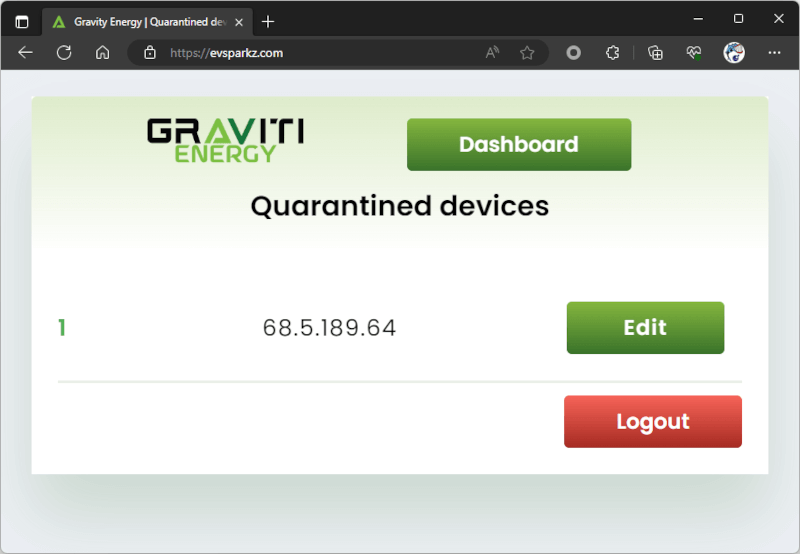
When an edge device establishes a connection with a portal through an encrypted TLS (Transport Layer Security) connection, it confirms the authenticity of the server's certificate. This step ensures that the device genuinely connects to the intended portal, not falling prey to a 'man-in-the-middle' attack.
In the realm of IoT infrastructure, mutual TLS (mTLS) is often employed. This is a process where not only does the device validate the portal's certificate, but the portal also reciprocates by authenticating the device's certificate. However, using mTLS can introduce an undue burden in logistics and IT configuration, potentially escalating operational costs.
Our chosen approach significantly minimizes the need for configuring new devices. Under this approach, new devices are automatically relegated to a quarantine list, preventing them from accessing the portal. The operator has the choice to accept the device; this acceptance triggers the generation of a cryptographic key which is then sent to the device. This key allows the device to log into the portal successfully.
For a more in-depth understanding of the logistical challenges posed by using mTLS in IoT infrastructure, check out the article Mutual Transport Layer Security.
Edge Device Hardware
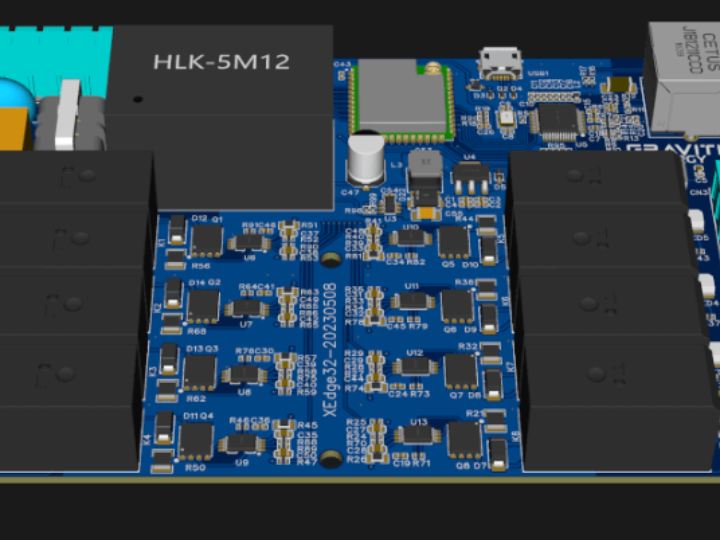
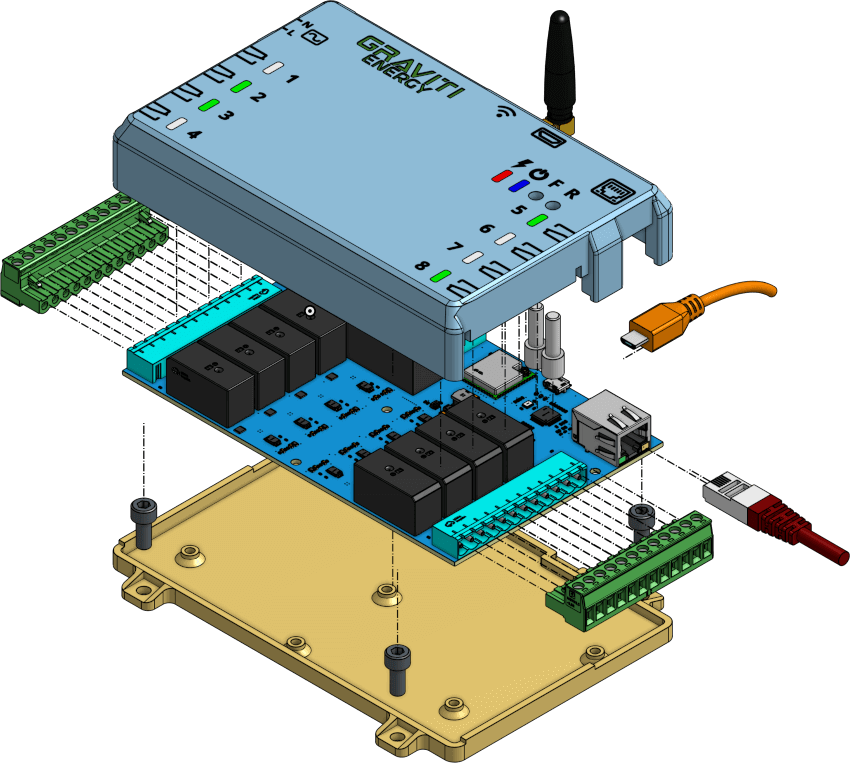
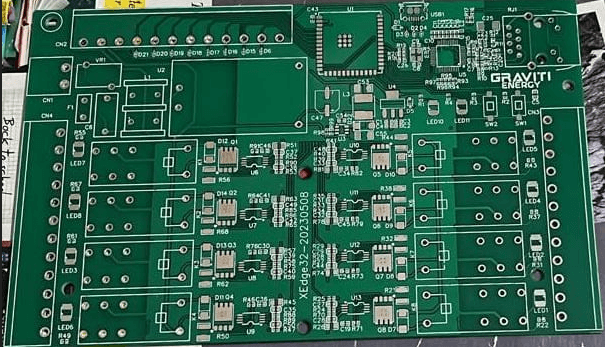
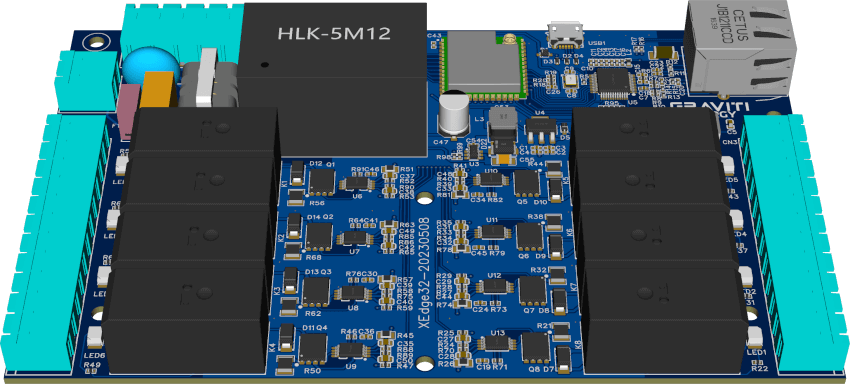
Not only did we excel in software development, but we also took the hardware design of the devices to new heights. We meticulously crafted the device housing, as showcased in the accompanying images. The attention to detail in our design is a testament to our commitment to delivering excellence in all aspects of the project.
Enclosure

Enclosure - Exploded View
PCB
Components
The ESP32-S3 microcontroller
The cornerstone of the device hardware is the ESP32-S3 microcontroller, augmented with Ethernet capabilities via the W5500 chip. This powerful combination ensures reliable connectivity and efficient data transmission, enabling robust control of the car charger stations.
The ESP32-S3 microcontroller is notable for its cost-effectiveness. Despite offering a rich set of features, it remains one of the most affordable microcontrollers on the market, ensuring our solution delivers value for money. Moreover, the ESP32-S3 enjoys a stable supply chain, ensuring our production timelines are unaffected by unforeseen delays or shortages.

