PoE-powered GPIB Adapter With Ethernet And USB-C Support
Open-source GPIB-to-Ethernet adapter using W5500 chip. Supports PoE/USB-C power, VXI-11.2 & Prologix protocols. Cost-effective solution.
0
Components
Hardware components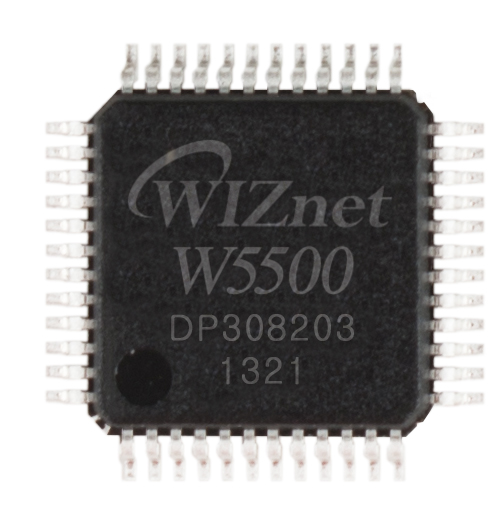
WIZnet - W5500
x 1


platformio - PlatformIO Core
x 1
Project description
Project Overview
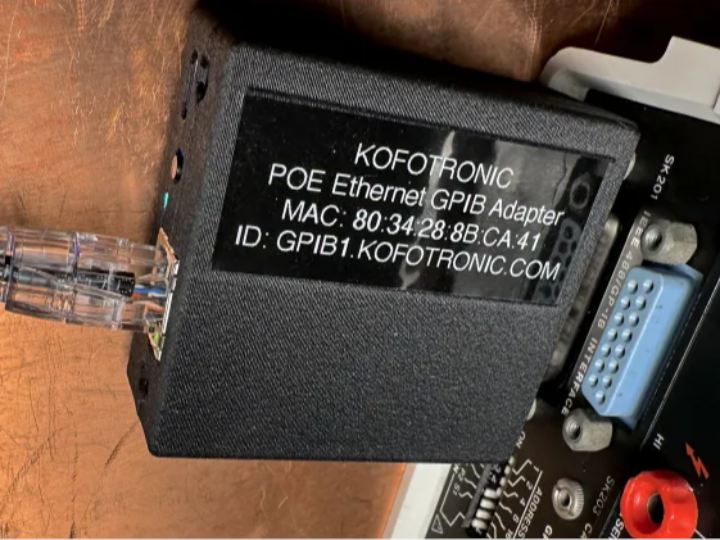
The PoE Ethernet GPIB Adapter bridges the gap between legacy test equipment and modern network infrastructure. Using the Wiznet W5500 Ethernet controller, this open-source project transforms traditional GPIB/IEEE-488 instruments into network-accessible devices at a fraction of the cost of commercial solutions.
🎯 The Challenge
Laboratory and industrial test equipment often uses GPIB (General Purpose Interface Bus) for automation and control. However, GPIB presents several challenges:
- Bulky, expensive cables that limit equipment placement
- Limited cable length (typically 20 meters maximum)
- Single computer control without network sharing
- Commercial adapters cost $500+ per instrument
💡 The W5500 Solution
This adapter leverages the Wiznet W5500's capabilities to create an affordable, reliable Ethernet-to-GPIB bridge:
Key Features:
- Hardware TCP/IP Stack: W5500 handles all network protocols, freeing the ATmega4809 for GPIB management
- Dual Power Options: Power over Ethernet (802.3af) or USB-C for maximum flexibility
- Multiple Protocol Support: Choose between VXI-11.2 (VISA compatible) or Prologix protocols
- Web Interface: Built-in web server on port 80 for configuration and basic instrument control
- Cost-Effective: Total BOM under $50 - one-tenth the price of commercial alternatives
🔧 Technical Implementation
Hardware Architecture:
The ATmega4809 microcontroller manages the GPIB bus interface while communicating with the W5500 via SPI. This separation of concerns allows:
- Reliable GPIB timing and handshaking
- Simultaneous network communication
- Support for up to 30 GPIB instruments (bus limitation)
- Network discovery via UDP broadcast
Software Features:
- VXI-11.2 Mode: Full VISA compatibility for seamless integration with existing test software
- Prologix Mode: Simple ASCII protocol for basic instrument control
- Serial Console: USB-based configuration and debugging interface
- DHCP/Static IP: Flexible network configuration options
📋 Use Cases
Laboratory Automation:
- Connect multiple instruments to a central network
- Enable remote access to expensive test equipment
- Share instruments between multiple workstations
Industrial Testing:
- Integrate legacy equipment into modern production lines
- Enable remote monitoring and control
- Reduce cabling complexity in test fixtures
Education & Research:
- Make lab equipment accessible to remote students
- Create virtual instrument pools
- Preserve vintage equipment functionality
🚀 Getting Started
- Assemble the Hardware: PCB design files and assembly instructions available on GitHub
- Flash the Firmware: Use PlatformIO to compile and upload the code
- Connect Your Instrument: Standard GPIB cable to your test equipment
- Network Configuration: Access via serial console or DHCP assignment
- Start Testing: Use VISA strings like
TCPIP::192.168.1.100::gpib,5::INSTR
📊 Performance Specifications
- Network Interface: 10/100 Mbps Ethernet via W5500
- GPIB Speed: Up to 1 MB/s (hardware dependent)
- Latency: < 5ms typical network response
- Power Consumption: < 2W (PoE) or 500mA @ 5V (USB-C)
- Temperature Range: 0-70°C operating
🔍 W5500 Advantages in This Application
The Wiznet W5500 proves ideal for this project because:
- Offloads TCP/IP Processing: The ATmega4809 can focus entirely on GPIB protocol handling
- Multiple Socket Support: Enables web server alongside instrument communication
- SPI Interface: Simple 4-wire connection leaves GPIO pins for GPIB control
- Proven Reliability: Hardware TCP/IP stack eliminates software TCP/IP bugs
- Low Power: Compatible with PoE power budgets
✅ Project Impact
This open-source design democratizes test equipment connectivity. By reducing the adapter cost from 500to50, it enables:
- Small labs to network their equipment
- Hobbyists to automate measurements
- Educational institutions to modernize legacy instruments
- Industry to extend equipment lifespan
🛠️ Future Enhancements
- mDNS support for easier discovery
- Enhanced web interface with graphing capabilities
- Support for GPIB analyzers and bus monitoring
- Integration with cloud-based test platforms
Join the community on EEVBlog forums or contribute to the GitHub repository to help modernize test equipment worldwide!


