AN INTERNET-BASED POINT-OF-BETTING (IPOB) FOR LOTTO PUNTERS
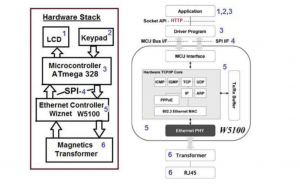
In this research an Ethernet-based lotto betting machine is developed, tested and deployed as an embedded web-client in a network
3
Components
Hardware components
WIZnet - W5100 ethernet shield
x 1

Arduino - Arduino IDE
x 1
Project description
In this research an Ethernet-based lotto betting machine is developed, tested and deployed as an embedded web-client in a network. The device’s hardware mainly comprises a microcontroller, an Ethernet network interface shield, a keypad for input and an LCD screen output. The web-client sends requests to a remote Windows-Apache-MySQL-PHP (WAMP) server using PHP scripts. The Apache webserver serves the requests by querying the MySQL database where user identification, player-tokens and winning number records are stored and sends bet receipt SMS messages directly to users. To access the system a player enters a pre-purchased token number that allows them several chances via keypad. The remote server checks the token for authenticity, allows the user to enter a 6-digit number and registers the number in the database. It then sends a bet acknowledgement SMS while the LCD displays system transaction messages. This system eliminates the use of paper in betting slips, receipts and associated spoilt paper. It also replaces most human processes with inherent machine speed-up and continuous service availability. The system also reduces customer loitering and queuing, consequently eliminating crowding and associated environmental hazards. The system therefore potentially exhibits some positive sustainable environmental impact.
The system development strategy is aimed at replacing the current manual system without disrupting normal business processes, thus the new system’s functionality should map to the existing system. The keypad represents the LOTTO™ betting card and the number selection is done by keying in the keypad number keys. The customer and betting clerk’s interactions are replaced by a Liquid Crystal Display LCD display of, among others, a welcome screen; the echo of the pressed keys; step-by-step user instructions and error reporting; all these displays providing real-time feedback driven by events within the local system or from the remote server responses.
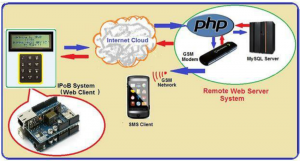
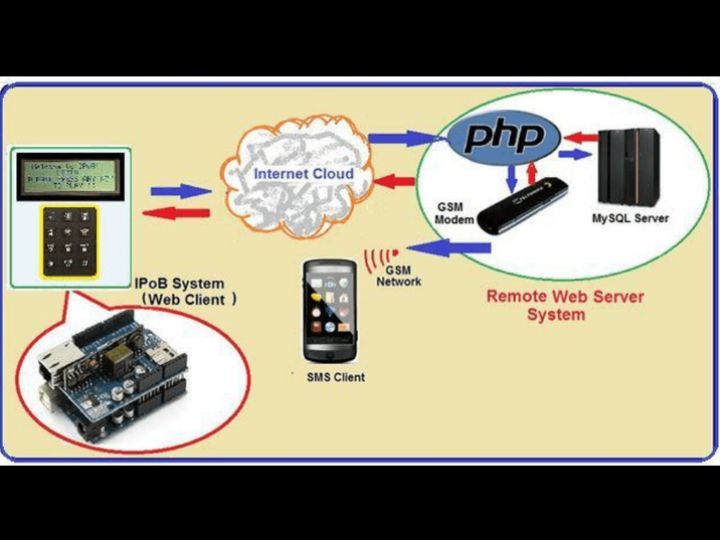
Figure 2: Overall LOTTO™ System Deployment Diagram.
The deployment diagram in Figure 2 illustrates the IPoB system’s location within the LOTTO™
system. The current system serves many different web clients from different devices
including mobile phones, using web browsers like Google Chrome among others. A bet placed
by a client is a request to the server for some file, which the server pushes back to the
client through his or her browser for viewing. The IPoB will send a keypad input formatted as
a client request to the server and when the response arrives back the system will be
configured to interpret and display the information on the console screen. The IPoB will
thus emulate a low level web browser through which punters can place their bets and get
SMSes from the remote system as shown in Figure 2. The remote engine still remains the
lotto draw centre access the system as any other player