


Mega Solar Tracker
Mega Solar Tracker: Beating Clouds with GPS and W5500
WIZnet - W5500
x 1

요약
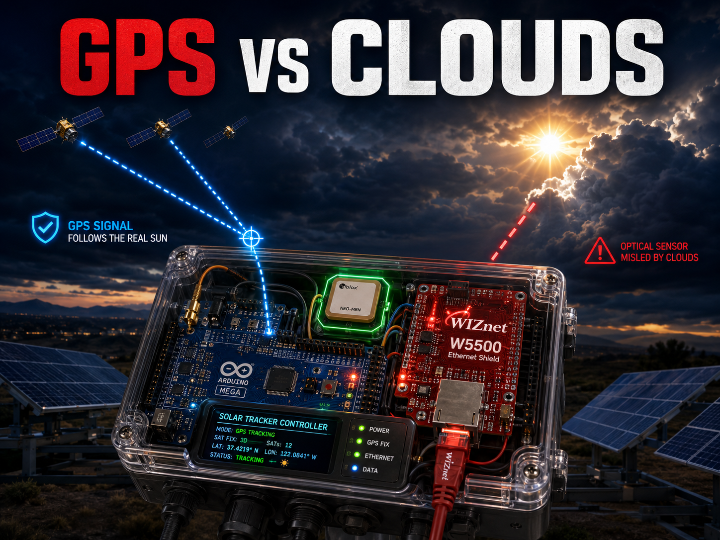
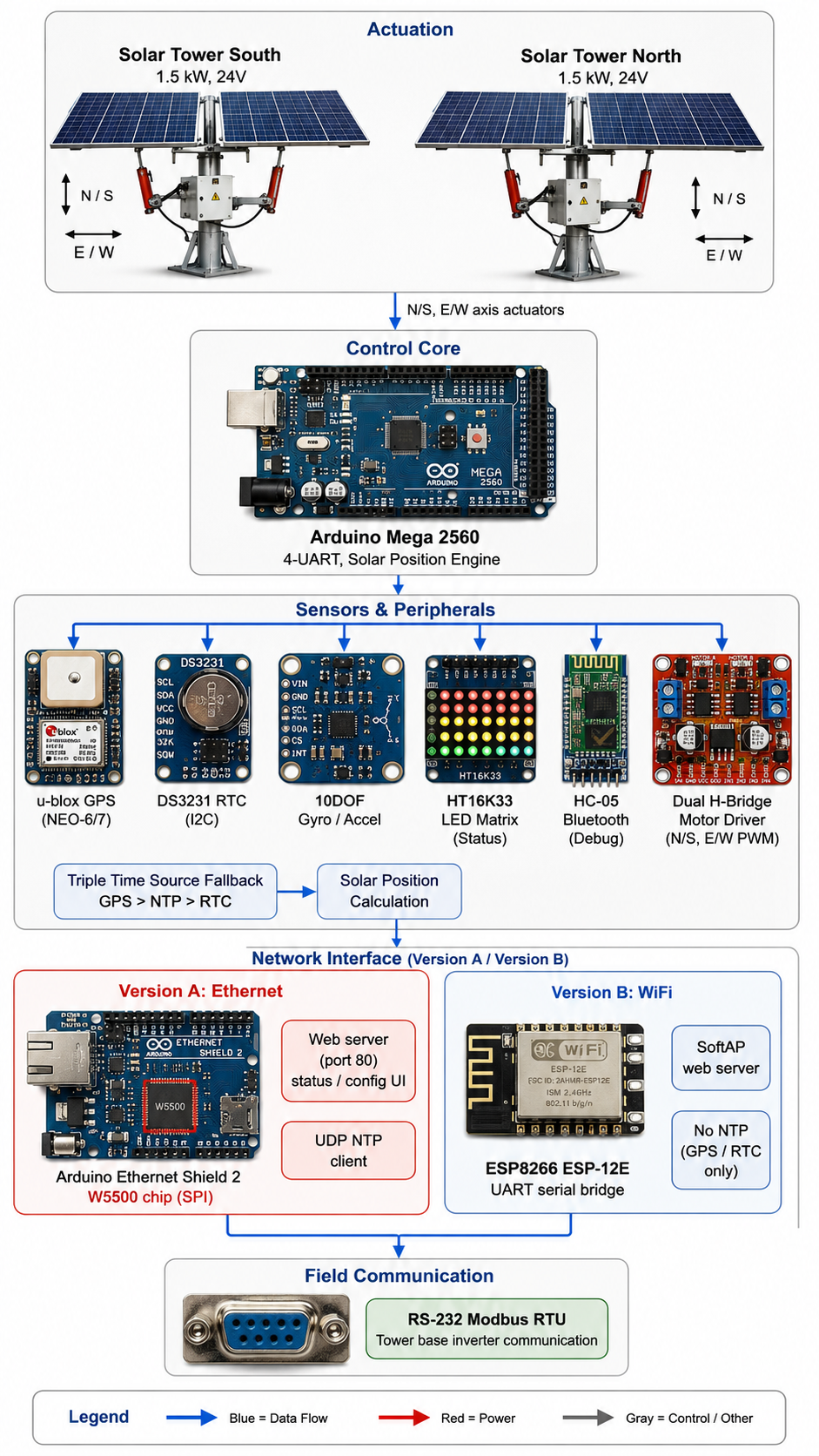
Mega Solar Tracker는 기존 광학 센서 기반 태양광 트래커가 부분적으로 흐린 날씨에 밝은 구름을 태양으로 오인하는 문제를 GPS·천문 계산 기반 비광학 추적으로 해결한 오프그리드 듀얼타워 프로젝트입니다. Arduino Mega 2560을 중심으로 GPS/RTC/NTP 3중 시간원을 통합했으며, WIZnet W5500(Arduino Ethernet Shield 2)은 상태 모니터링 웹서버와 인터넷 시각 동기화(NTP)를 담당하는 네트워크 게이트웨이로 사용됐습니다.
개요
호주 남반구에 설치된 이 트윈타워 태양광 시스템(남/북 타워, 각 1.5kW, 24V)은 원래 광학 센서로 태양 위치를 추적했습니다. 그런데 부분적으로 흐린 날씨에 밝은 구름이 태양보다 더 강한 광원으로 인식되어 트래커가 구름 쪽으로 잘못 회전하는 문제가 발생했습니다. 저자(DougalPlummer)는 이를 해결하기 위해 GPS 시각·위치 정보와 천문 계산식으로 태양의 실제 위치를 산출하는 방식으로 컨트롤러를 재설계했습니다.
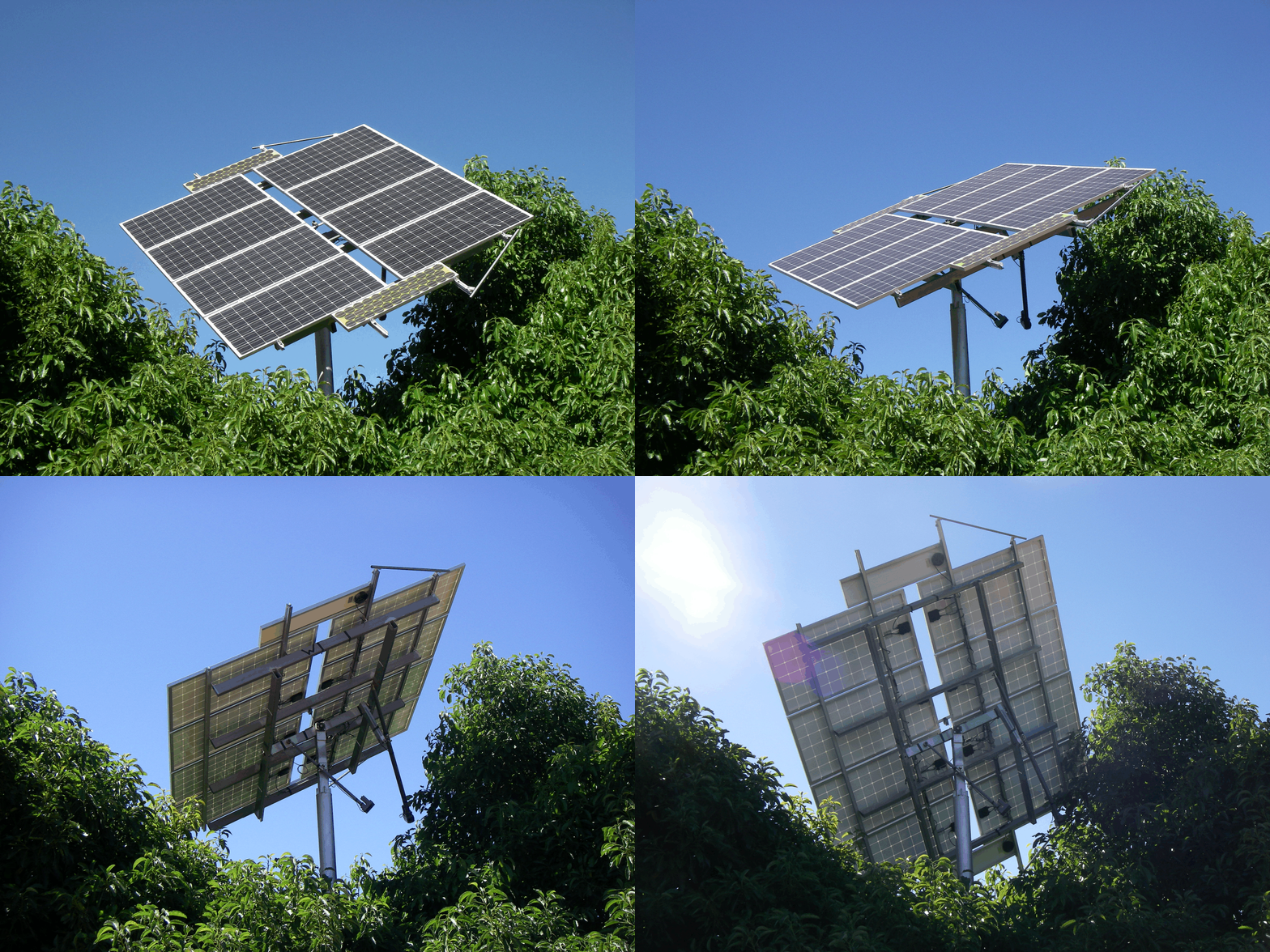
이 프로젝트는 개인 DIY 태양광 발전 설비에 적용된 사례로, 상업적 도입 사례나 특정 법규·정책과 연계된 필요성 근거는 확인되지 않았습니다. 순수하게 광학 추적의 기술적 한계를 극복하려는 엔지니어링 프로젝트입니다.
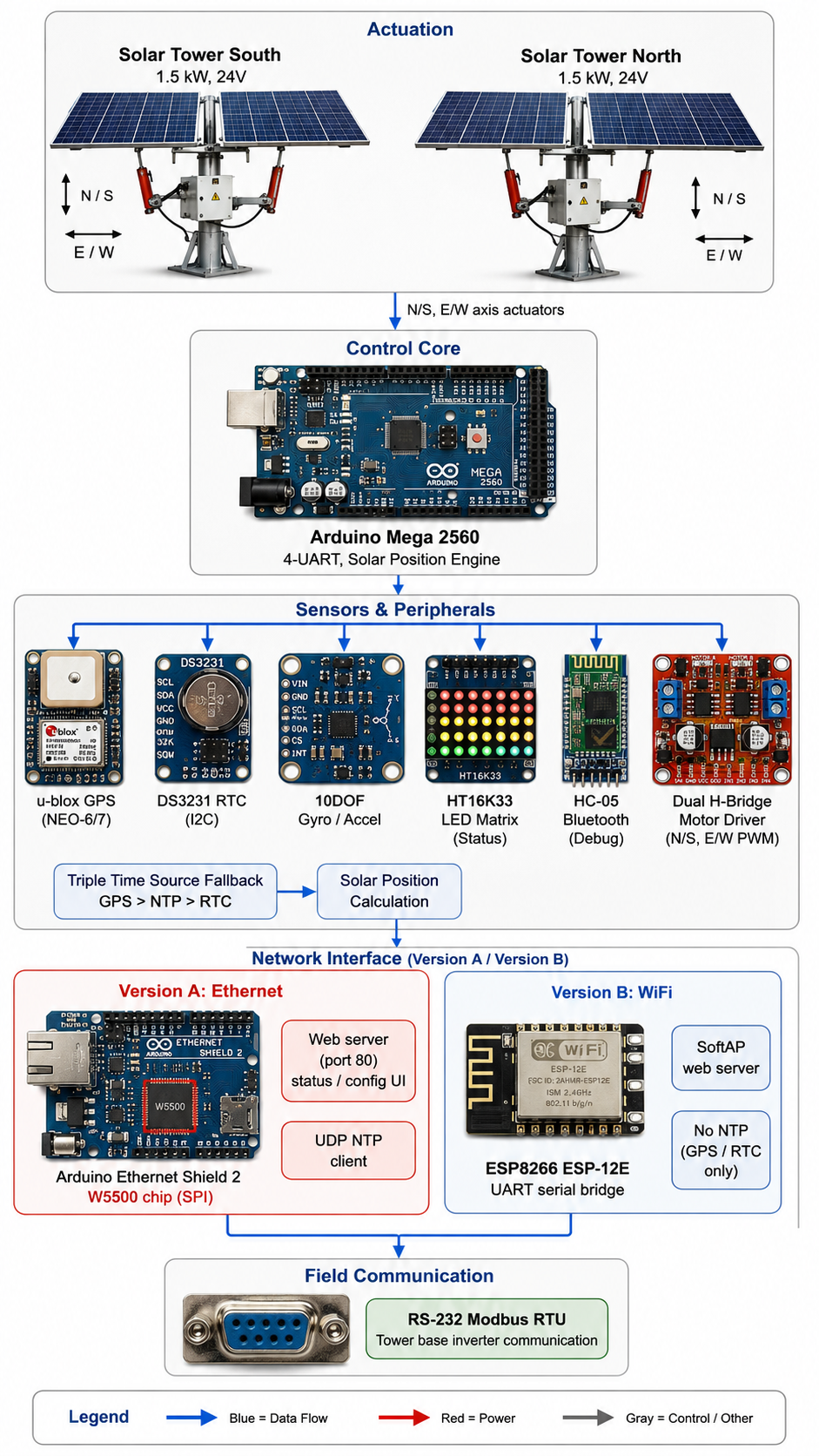
아키텍처
기술 배경
NTP (Network Time Protocol)
NTP는 UDP 기반으로 서버와 클라이언트 간 시각을 동기화하는 표준 프로토콜입니다. 이 프로젝트는 GPS → NTP → RTC 순으로 우선순위를 둔 3중 시간원 폴백 구조를 구현해, 하드웨어 시간원 하나가 빠져도 소프트웨어가 자동으로 대체 소스를 사용하도록 설계했습니다. W5500이 UDP 소켓을 통해 시간 서버(au.pool.ntp.org)와 통신하는 역할을 맡습니다.
→ 참고: NTP RFC 5905
Modbus RTU
Modbus RTU는 RS-232/485 시리얼 라인 위에서 동작하는 산업용 요청-응답 프로토콜입니다. 본 프로젝트에서는 트래커 컴퓨터가 Modbus 슬레이브로 동작해 타워 베이스의 상위 제어기(또는 인버터)와 각도·상태 레지스터를 주고받습니다. 저자는 표준 라이브러리를 수정해 레지스터 매핑 커스터마이징을 지원하도록 했습니다.
→ 참고: Modbus.org 사양
하드웨어 TCP/IP 소켓 구조 (W5500)
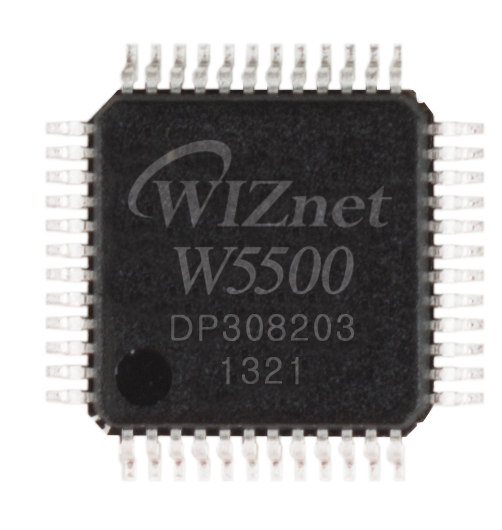
W5500은 TCP/IP 스택 전체를 칩 내부에서 처리하는 하드와이어드 이더넷 컨트롤러로, MCU는 SPI로 소켓 API만 다루면 됩니다. 이 프로젝트에서 W5500은 센서 데이터를 직접 처리하지 않고 웹서버 서빙 + NTP 클라이언트라는 순수 네트워크 게이트웨이 역할만 수행합니다.
→ 참고: WIZnet W5500 데이터시트
기술 특징
- 3중 시간원 폴백: GPS 시각 → 인터넷 NTP → 외부 RTC(DS3231) 순으로 참조, 하드웨어 구성이 바뀌어도 코드 그대로 동작
- 메모리 최적화: 웹서버 코드 추가 후 SRAM 부족을 겪자
F()매크로로 문자열 상수를 코드 세그먼트에 격리 - 이중 네트워크 버전 실측 비교: 동일 트래커 로직에 **Ethernet(W5500)**과 ESP8266 시리얼 두 버전을 각각 구현해 페이지 생성 속도·전력 소비를 직접 비교
WIZnet 적용 구조
실제 사용된 모델: W5500 (Arduino Ethernet Shield 2 탑재)
- 역할: 온보드 HTTP 웹서버(포트80)로 트래커 상태·설정 페이지 서빙, UDP 소켓 기반 NTP 클라이언트로 시각 동기화
- 위치: Arduino Mega의 SPI 버스에 연결, SD카드와 CS핀을 분리해 공유
- 가치 프레이밍: 이 프로젝트에서 W5500은 센서 데이터를 처리하는 것이 아니라 네트워크 트래픽만 전담하는 순수 게이트웨이입니다. 따라서 가치의 핵심은 MCU 부하 경감이 아니라, 저자가 ESP8266 버전과 나란히 구현해 실측 비교한 것처럼 유선 연결의 예측 가능한 응답성과 전력 특성입니다.
WIZnet Makers 유사 사례
- IoT-based Solar Tracker (WIZnet 공식): Arduino Mega 2560 + W5100 Ethernet Shield로 이중축 트래커를 웹에 연결한 사례. 본 프로젝트와 동일한 MCU+WIZnet 칩군 조합이나, DHT22 센서 기반의 표준 IoT 모니터링에 그쳐 GPS 기반 비광학 추적은 다루지 않습니다.
→ 프로젝트 링크: https://maker.wiznet.io/WIZnet/projects/internet-of-things-iot-based-solar-tracker/
- CLOUD IoT based Single axis Solar Tracker (taylor): Arduino Mega 2560 + W5100 Ethernet Shield로 Cayenne 클라우드에 연동한 단일축 트래커. 클라우드 대시보드 중심 설계로, 본 프로젝트의 자체 웹서버 + Modbus 인버터 직접 통신 방식과 대조됩니다.
→ 프로젝트 링크: https://maker.wiznet.io/taylor/projects/cloud-iot-based-single-axis-solar-tracker-system/
- IoT-Based Solar Tracker System (mayuri): Arduino + Ethernet Shield 기반 이중축 트래커이나 LDR(조도 센서) 광학 추적 방식입니다. 본 프로젝트가 명시적으로 해결하려는 "구름 오탐" 문제의 대조군에 해당하는 사례입니다.
→ 프로젝트 링크: https://maker.wiznet.io/mayuri/projects/internet-of-things-based-solar-tracker-system/
세 사례 모두 Arduino Mega + WIZnet 이더넷 계열 칩이라는 동일한 네트워크 연결 패턴을 채택했다는 점에서, 이 조합이 메이커 생태계에서 이미 검증된 아키텍처임을 보여줍니다.
| 항목 | 본 프로젝트 | WIZnet IoT Solar Tracker | taylor Cloud Tracker | mayuri IoT Tracker |
|---|---|---|---|---|
| 추적 방식 | GPS/천문 계산(비광학) | DHT22+센서(광학 아님) | LDR(광학) | LDR(광학) |
| MCU | Arduino Mega 2560 | Arduino Mega 2560 | Arduino Mega 2560 | Arduino(미상) |
| 네트워크 칩 | W5500 (또는 ESP8266) | W5100 | W5100 | 미상(Ethernet Shield) |
| 통신 방식 | 자체 웹서버+Modbus RTU | 웹서버 | Cayenne 클라우드 | IoT 대시보드 |
| 시간 동기화 | GPS+NTP+RTC 3중화 | 미상 | 미상 | 미상 |
| 축 구성 | 2타워 각 2축(N/S,E/W) | 2축 | 1축 | 2축 |
표에서 보듯 세 사례 모두 동일 MCU·동일 WIZnet 칩군을 채택한 반면, 시간 동기화와 추적 알고리즘의 정교함에서는 본 프로젝트가 가장 앞서 있습니다.
비즈니스 가치
- 오프그리드 재생에너지 모니터링: 인터넷 접속이 간헐적인 원격 발전 사이트에서도 GPS/RTC 폴백으로 트래킹이 끊기지 않음
- 소규모 산업 설비의 시간 동기화: NTP·GPS 3중화 설계는 계측 로그의 타임스탬프 정확도가 중요한 원격 모니터링 장비에 적용 가능
- 인버터·PLC 연계 원격 제어: Modbus RTU 게이트웨이 구조는 태양광 인버터뿐 아니라 다른 산업 제어기와의 연동에도 확장 가능
- 저비용 이중화 네트워크 설계: 유선(W5500)/무선(ESP8266) 중 상황에 맞게 선택하는 구조는 설치 환경이 다양한 현장에 참고할 만함
한계 및 개선 방향
현재 한계
- 전력 소모가 예상보다 높음(저자 실측 총 250mA@12V 중 GPS+WiFi가 약 50% 차지), 오프그리드 배터리(7~9AH) 용량에 부담
- Arduino Mega에서도 웹서버 코드 추가 시 SRAM 부족을 겪음
- Ethernet Shield 2의 RJ45 커넥터 위치가 인클로저 벽면과 간섭
- 블로킹 방식
loop()기반 웹서버로, 동시 다중 요청 처리에는 한계
개선 방향
이 프로젝트는 이미 3중 시간원 폴백이라는 견고한 설계를 보여줬습니다. 다만 전력 소모 문제는 W5500의 저전력 모드(WOL, Power-down) 활용으로 개선할 여지가 있습니다. 또한 블로킹 웹서버 구조는 W5500의 다중 소켓(최대 8개) 특성을 활용해 비동기 처리로 재구성하면, 저자가 언급한 SRAM 압박도 함께 완화할 수 있습니다.
FAQ
Q1. GPS 모듈이 태양광 패널 아래에서도 위성을 수신할 수 있나요? 저자도 이 부분을 우려해 외부 안테나를 대안으로 고려했다고 언급했습니다. 설치 위치에 따라 GPS 안테나를 패널 외부로 노출하는 것이 안전합니다.
Q2. Ethernet(W5500)과 WiFi(ESP8266) 중 어느 쪽을 선택해야 하나요? 저자의 실측에 따르면 두 방식 모두 60mA 내외의 전력을 소비하며 뚜렷한 우위는 없었습니다. 배선이 가능한 환경이라면 응답 예측성이 높은 W5500 유선 방식이, 배선이 어려운 환경이라면 WiFi가 적합합니다.
Q3. Modbus RTU 대신 Modbus TCP로 전환할 수 있나요? W5500이 이미 하드웨어 TCP/IP 스택을 제공하므로, 타워 베이스 통신을 RS-232 대신 W5500의 TCP 소켓으로 전환하면 배선을 단순화할 수 있습니다. 단, 이 경우 라이브러리 재작성이 필요합니다.
Q4. Arduino Mega 대신 더 작은 MCU로도 구현 가능한가요? 4개의 UART가 필요한 이유(GPS, 인버터, 블루투스, 진단)를 고려하면 멀티 UART를 지원하는 MCU가 유리합니다. UART가 부족한 MCU라면 소프트웨어 시리얼로 대체해야 하며 타이밍 안정성이 떨어질 수 있습니다.
Q5. 이 구조를 상업화하려면 BOM 비용에 어떤 영향이 있나요? GPS 모듈, RTC, 자이로/가속도계, 이더넷 실드가 모두 추가되어 단순 LDR 기반 트래커보다 BOM이 늘어납니다. 다만 오탐으로 인한 트래킹 손실을 줄인다는 점에서 발전량 대비 비용을 함께 고려해야 합니다.
Summary
The Mega Solar Tracker replaces optical sun-sensing with GPS and astronomical calculations, solving a real problem: optical trackers mistake bright clouds for the sun on partly overcast days. Built around an Arduino Mega 2560, the project unifies GPS, RTC, and NTP time sources, while WIZnet's W5500 (via Arduino Ethernet Shield 2) serves as the network gateway handling status monitoring and internet time sync.
Overview
This off-grid, dual-tower solar array (south and north towers, 1.5kW each, 24V) originally tracked the sun using optical sensors. The problem: on partly cloudy days, a bright cloud could outshine the actual sun, causing the tracker to swing toward the cloud instead. Builder DougalPlummer redesigned the controller to calculate the sun's true position from GPS time and location using astronomical formulas, removing the optical sensor's vulnerability entirely.
This is a personal DIY installation. No commercial adoption case or regulatory driver was found for this specific approach — it's a straightforward engineering fix for a well-known limitation of optical tracking.
Architecture
Technology Background
NTP (Network Time Protocol)
NTP synchronizes clocks between servers and clients over UDP. This project builds a triple-fallback time chain: GPS first, internet NTP second, and an external RTC as a last resort, so any single time source can be removed without breaking the code. The W5500 handles UDP sockets to query a time server (au.pool.ntp.org) directly.
→ Reference: NTP RFC 5905
Modbus RTU
Modbus RTU is a request-response industrial protocol running over RS-232/485 serial lines. Here, the tracker computer acts as a Modbus slave, exchanging angle and status registers with the tower base controller or inverter. The builder modified the standard library to support custom register mapping.
→ Reference: Modbus.org specification
Hardware TCP/IP Socket Architecture (W5500)
The W5500 handles the entire TCP/IP stack on-chip, so the MCU only needs to manage socket calls over SPI. In this project, the W5500 doesn't touch sensor data at all — it works purely as a network gateway, serving the web interface and running the NTP client.
→ Reference: WIZnet W5500 Ethernet Shield documentation
Technical Highlights
- Triple time-source fallback: GPS time takes priority, falls back to internet NTP, then to an external DS3231 RTC — the code adapts automatically if a hardware source is removed
- Memory optimization: adding web server code exhausted SRAM, so the builder used the
F()macro to keep string constants in flash instead of RAM - Dual network version benchmarking: the same tracker logic runs on two builds — Ethernet (W5500) and ESP8266 serial — with the builder directly comparing page-generation speed and power draw between them
Where WIZnet Fits
Confirmed usage: W5500 (via Arduino Ethernet Shield 2)
- Role: runs the onboard HTTP web server (port 80) for status and configuration, and handles the UDP-based NTP client for time sync
- Placement: connects to the Arduino Mega's SPI bus, sharing chip-select lines with the onboard SD card
- Value framing: the W5500 here isn't offloading sensor processing — it's a pure network gateway. The real value, as the builder's own side-by-side comparison with the ESP8266 version shows, is predictable wired latency and power behavior, not MCU offloading.
Similar Projects on WIZnet Makers
- IoT-based Solar Tracker (WIZnet official): Arduino Mega 2560 + W5100 Ethernet Shield connecting a dual-axis tracker to the web. Same MCU and WIZnet chip family as this project, but limited to standard DHT22-based IoT monitoring — no GPS-based non-optical tracking.
→ Project link: https://maker.wiznet.io/WIZnet/projects/internet-of-things-iot-based-solar-tracker/
- CLOUD IoT based Single axis Solar Tracker (taylor): Arduino Mega 2560 + W5100 Ethernet Shield feeding a Cayenne cloud dashboard. Cloud-dashboard-centric, contrasting with this project's self-hosted web server plus direct Modbus inverter link.
→ Project link: https://maker.wiznet.io/taylor/projects/cloud-iot-based-single-axis-solar-tracker-system/
- IoT-Based Solar Tracker System (mayuri): Arduino + Ethernet Shield driving a dual-axis tracker, but using LDR (light-dependent resistor) optical tracking. This is essentially the control case for the exact "cloud fooling the sensor" problem this project sets out to fix.
→ Project link: https://maker.wiznet.io/mayuri/projects/internet-of-things-based-solar-tracker-system/
All three share the same Arduino Mega + WIZnet Ethernet chip family networking pattern, confirming this combination is a proven architecture within the maker ecosystem.
| Item | This Project | WIZnet IoT Solar Tracker | taylor Cloud Tracker | mayuri IoT Tracker |
|---|---|---|---|---|
| Tracking method | GPS/astronomical calc (non-optical) | Sensor-based (DHT22, non-LDR) | LDR (optical) | LDR (optical) |
| MCU | Arduino Mega 2560 | Arduino Mega 2560 | Arduino Mega 2560 | Arduino (unspecified) |
| Network chip | W5500 (or ESP8266) | W5100 | W5100 | Unspecified (Ethernet Shield) |
| Communication | Self-hosted web server + Modbus RTU | Web server | Cayenne cloud | IoT dashboard |
| Time sync | GPS+NTP+RTC triple fallback | Unspecified | Unspecified | Unspecified |
| Axis configuration | 2 towers, 2 axes each (N/S, E/W) | 2-axis | 1-axis | 2-axis |
The table shows all four projects rely on the same MCU and WIZnet chip family, while this project stands out for the sophistication of its time synchronization and tracking algorithm.
Business Value / Use Cases
- Off-grid renewable energy monitoring: GPS/RTC fallback keeps tracking running even with intermittent internet at remote generation sites
- Time sync for small industrial equipment: the GPS/NTP triple-redundancy pattern applies well to remote monitoring gear where timestamp accuracy matters
- Inverter and PLC integration: the Modbus RTU gateway structure extends beyond solar inverters to other industrial controllers
- Low-cost dual network design: choosing wired (W5500) or wireless (ESP8266) based on site conditions is a pattern worth reusing in varied installation environments
Limitations and Future Improvements
Current limitations
- Power draw runs higher than expected — the builder measured about 250mA at 12V, with GPS and WiFi together accounting for roughly half of it — straining off-grid battery capacity (7–9AH)
- Even the Arduino Mega ran short on SRAM once web server code was added
- The Ethernet Shield 2's RJ45 connector placement conflicted with the enclosure wall
- The blocking
loop()-based web server limits handling of simultaneous requests
Improvement directions
The triple time-source fallback here is already a solid design. That said, the power issue could improve by using the W5500's low-power modes (WOL, power-down). The blocking web server could also be restructured around the W5500's multi-socket capability (up to 8 sockets) for asynchronous handling, which would ease the SRAM pressure the builder ran into as well.
FAQ
Q1. Can the GPS module get a fix mounted under solar panels? The builder raised this exact concern and considered an external antenna as a backup. Depending on the install location, keeping the GPS antenna exposed outside the panel is the safer choice.
Q2. Should I choose Ethernet (W5500) or WiFi (ESP8266)? The builder's own measurements showed both draw around 60mA, with no clear power winner. If wiring is feasible, W5500's predictable response time is preferable; if not, WiFi works fine.
Q3. Can Modbus RTU be swapped for Modbus TCP? Since the W5500 already provides a hardware TCP/IP stack, switching the tower-base link from RS-232 to a W5500 TCP socket would simplify wiring — though it requires rewriting the communication library.
Q4. Could a smaller MCU replace the Arduino Mega? Given the need for four UARTs (GPS, inverter, Bluetooth, debug), an MCU with multiple hardware UARTs is preferable. A smaller MCU would need software serial, which sacrifices timing stability.
Q5. What would commercializing this do to BOM cost? Adding the GPS module, RTC, gyro/accelerometer, and Ethernet shield increases BOM cost compared to a simple LDR-based tracker. That said, reduced tracking loss from false triggers should be weighed against the added cost.