


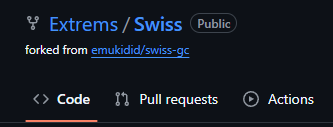
utility for the Nintendo GameCube: Swiss
Swiss is an all-in-one homebrew utility for the Nintendo GameCube. Originally initiated by emu_kidid and currently actively maintained by Extrems
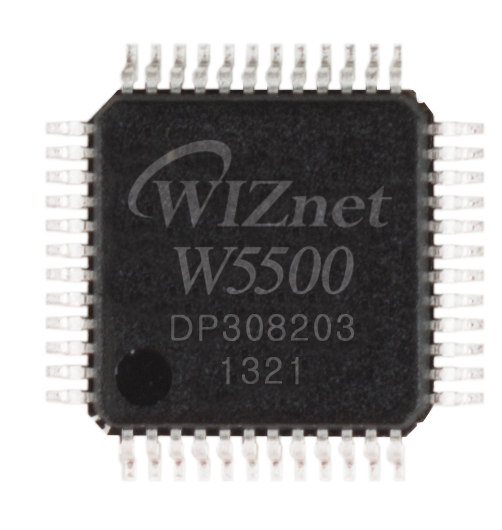
WIZnet - W5500
x 1

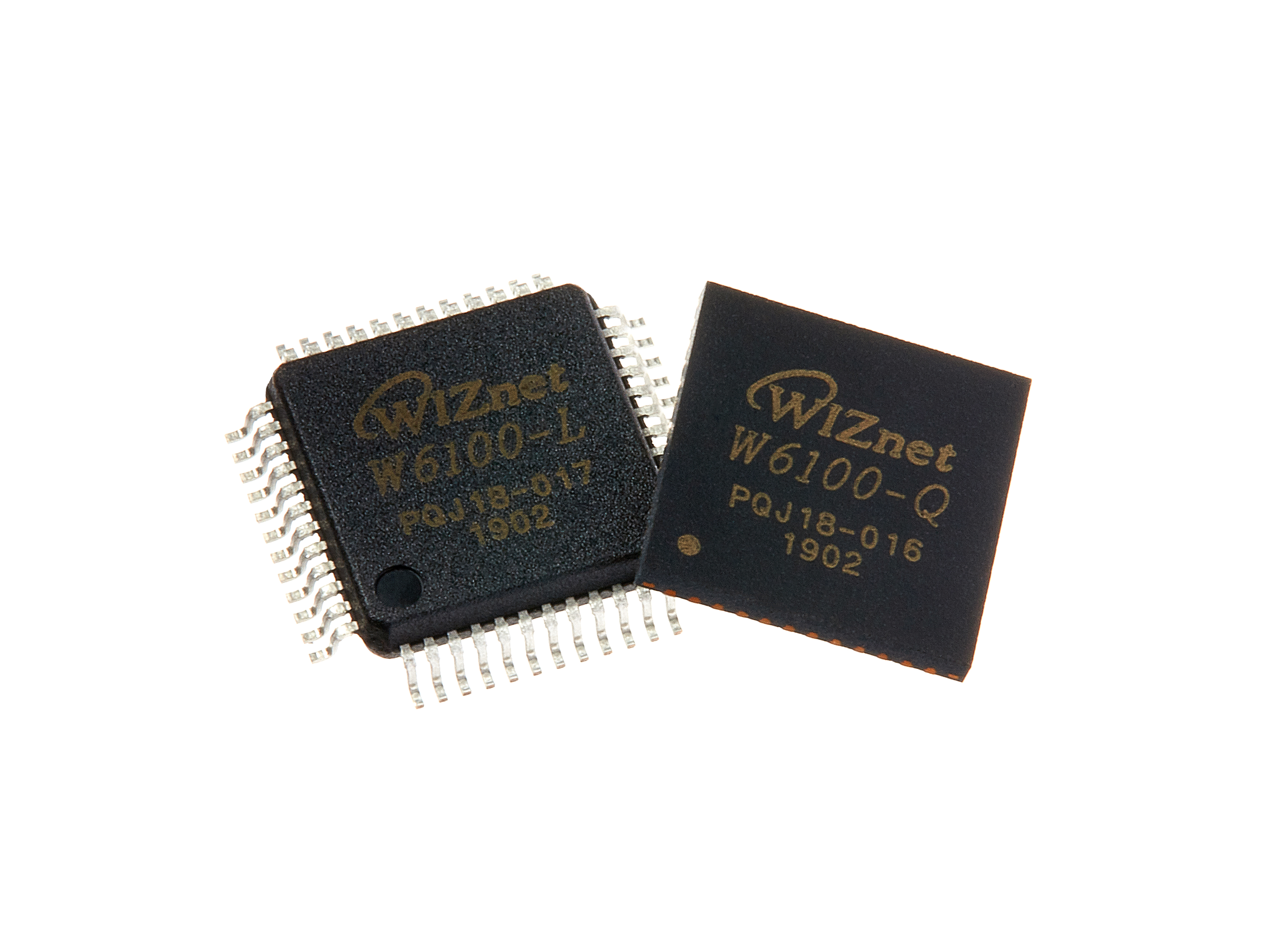
WIZnet - W6100
x 1
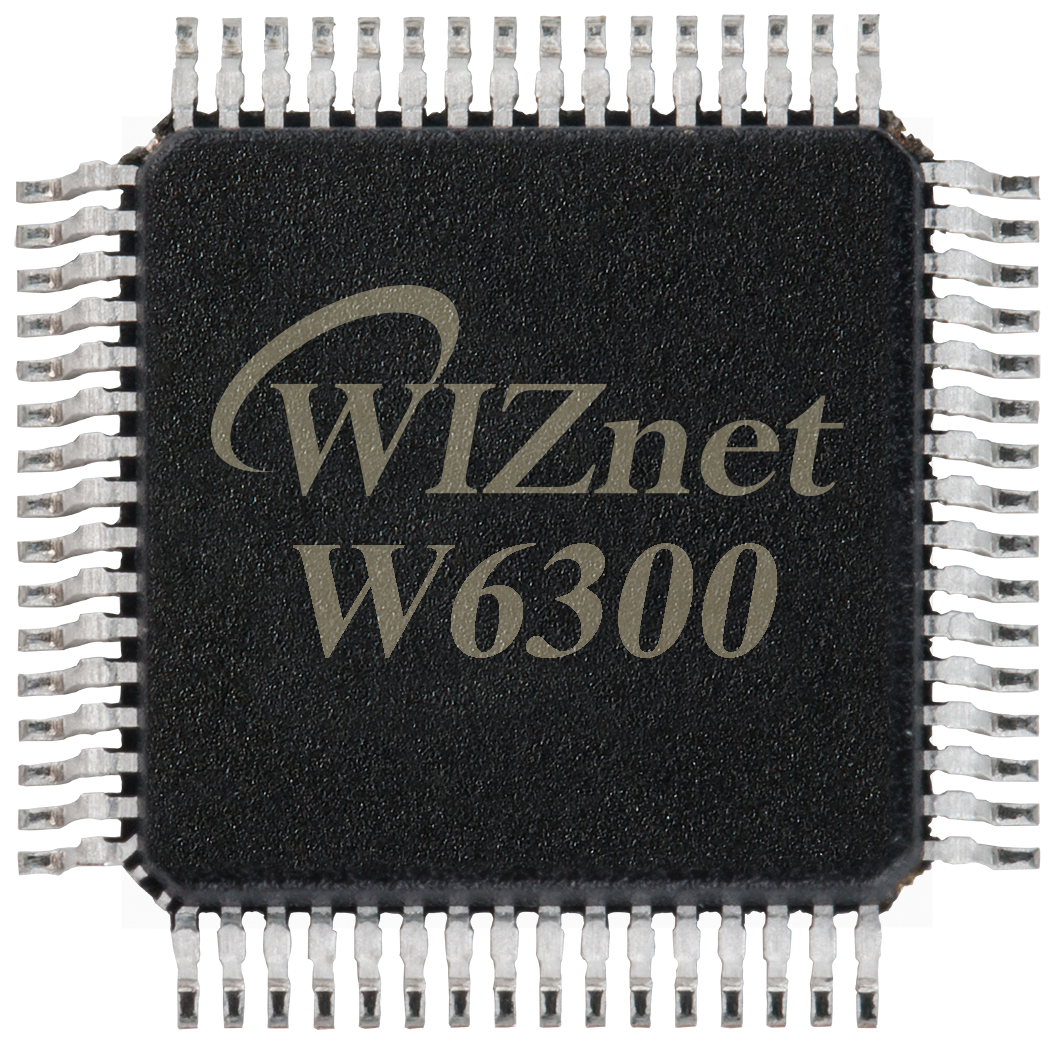
WIZnet - W6300
x 1
1. 프로젝트 소개: Swiss란 무엇인가?
Swiss는 닌텐도 게임큐브(Nintendo GameCube)를 위한 올인원 홈브루 유틸리티입니다. 이름처럼 '스위스 아미 나이프(맥가이버 칼)'와 같은 다목적 도구로, 게임큐브의 하드웨어적 제약을 우회하고 기능을 확장하는 사실상의 표준 운영체제(OS) 역할을 수행합니다.
핵심 기능: SD 카드나 하드디스크 등 다양한 저장 매체에서 게임(ISO)을 구동하고, 파일 관리, 비디오 출력 강제 변경, 치트 적용 등을 수행합니다.
개발 현황: 초기 emu_kidid에 의해 시작되었으나, 현재는 Extrems가 메인 메인테이너로서 프로젝트를 주도하며 매우 활발하게 업데이트되고 있습니다.
2. 왜 이 프로젝트가 인기 있는가? (Killer Features)
이 프로젝트가 전 세계 레트로 게이머들에게 필수적인 이유는 다음과 같습니다.
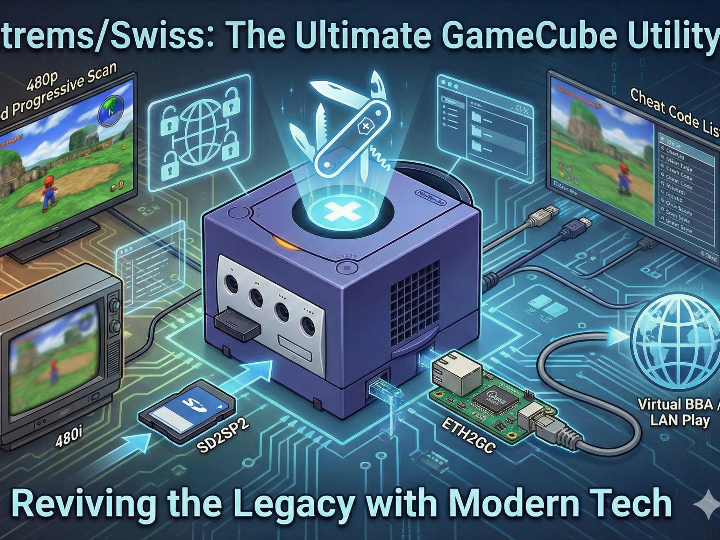
고화질 강제 출력 (Forced Progressive Scan): 480i(인터레이스)만 지원하는 구형 게임을 강제로 **480p(프로그레시브)**로 출력하게 하여, 현대의 LCD/OLED TV에서도 선명한 화질을 제공합니다.
광학 드라이브 의존도 제거: 게임큐브는 렌즈 수명이 짧기로 유명합니다. Swiss를 사용하면 렌즈가 고장 나도 SD 카드로 게임을 완벽하게 즐길 수 있습니다.
가상 BBA (Virtual Broadband Adapter): 구하기 힘들고 비싼 정품 네트워크 어댑터 없이, 저렴한 최신 부품으로 로컬 멀티플레이(LAN) 기능을 구현해 줍니다.
리전 프리 (Region Free): 국가 코드 제한을 풀어 전 세계의 게임을 구동할 수 있습니다.
3. W5500, W6100, W6300 칩이 사용되는 이유와 효용성
이 프로젝트의 네트워크 기능 구현에 있어 WIZnet의 이더넷 칩셋(W5500/W6100/W6300)은 대체 불가능한 핵심 부품입니다.
하드웨어 TCP/IP 스택 (Hardwired TCP/IP):
이유: 게임큐브의 CPU(485MHz)는 현대 기준으로는 연산 능력이 부족합니다. 게임을 구동하면서 복잡한 네트워크 프로토콜(TCP/IP)까지 소프트웨어로 처리하면 게임 속도가 느려집니다.
효용: WIZnet 칩은 통신 프로토콜 처리를 칩 내부에서 하드웨어적으로 전담합니다. 덕분에 게임큐브 CPU는 오직 게임 연산에만 집중할 수 있어 렉 없는 네트워크 플레이가 가능합니다.
인터페이스 호환성 (SPI to EXI):
이유: 게임큐브의 확장 포트(Serial Port 2 및 메모리 슬롯)는 EXI라는 독자 규격을 쓰는데, 이는 SPI 통신과 기술적으로 거의 동일합니다.
효용: SPI 인터페이스를 기본 지원하는 WIZnet 칩을 사용하면, 복잡한 신호 변환 회로 없이 직결 수준의 간단한 회로로 연결이 가능합니다.
비용 절감 및 접근성:
정품 브로드밴드 어댑터(BBA)는 중고가가 15~20만 원을 호가하지만, WIZnet 칩을 사용한 호환 어댑터(ETH2GC)는 2~3만 원대에 제작/구매가 가능합니다.
W6100/W6300의 역할: 기본적으로 W5500이 표준이지만, 칩 수급 불안정 해소 및 핀 호환성을 위해 상위/파생 모델인 W6100/W6300도 지원하도록 설계되었습니다. (Swiss에서는 주로 W5500 호환 모드로 작동)
4. 필요한 하드웨어 구성
이 프로젝트를 100% 활용하기 위한 물리적 준비물입니다.
닌텐도 게임큐브 본체: (Serial Port 2가 있는 DOL-001 모델 권장)
Swiss 부팅 수단: Picoboot(라즈베리파이 피코 이용) 개조 또는 Save Game Exploit(특정 게임 세이브 이용) 등.
저장 매체 어댑터: SD2SP2 (하단 시리얼 포트에 SD 카드를 꽂는 어댑터).
네트워크 어댑터 (핵심): ETH2GC (W5500 칩이 탑재된 SP2 포트용 어댑터).
5. 적용 가능한 산업 및 사용자 층
이 프로젝트는 단순한 게임용을 넘어 다음과 같은 분야에 영감을 주거나 활용됩니다.
레트로 게임 보존 및 아카이빙 (Archivists):
오래된 게임 디스크(GD-ROM) 데이터를 네트워크를 통해 PC로 백업(Ripping)하여 영구 보존하는 데 사용됩니다.
임베디드 시스템 교육 및 개발:
오래된 레거시 시스템(GameCube)의 독자 버스(EXI)를 분석하고, 최신 IoT 칩(W5500)을 접목하여 기능을 확장하는 리버스 엔지니어링 및 임베디드 설계의 훌륭한 교육 사례입니다.
e-Sports 및 커뮤니티 (Super Smash Bros. Melee):
오래된 게임의 온라인 대전 환경 구축이나, 토너먼트 진행 시 디스크 로딩 속도 편차를 없애기 위해 SD 로딩 환경을 표준으로 사용하는 경우가 늘고 있습니다.
결론적으로, Extrems/Swiss 프로젝트는 **"하드웨어 TCP/IP 기술(WIZnet)을 활용해 레거시 기기의 연산 부하를 줄이면서 네트워크 기능을 부여한 성공적인 임베디드 업사이클링 사례"**라고 요약할 수 있습니다.
Project Overview: Swiss (The "Swiss Army Knife" of GameCube)
Swiss is an all-in-one homebrew utility for the Nintendo GameCube. Originally initiated by emu_kidid and currently actively maintained by Extrems, it serves as a de facto operating system that unlocks the full potential of the console. It allows users to bypass hardware limitations, run software from modern storage devices, and enhance the overall gaming experience.
Why is this Project Popular? (Killer Features)
This project is considered essential for the retro gaming community for several key reasons:
Forced Progressive Scan (480p): It can force older games that only support 480i (interlaced) to run in 480p (progressive scan), providing a much sharper image on modern LCD/OLED TVs.
Modern Storage Loading: It eliminates the reliance on the fragile optical drive (GameCube lasers are prone to failure). Users can load game backups (ISO/GCM) directly from SD cards (via SD2SP2 or SDGecko) or hard drives.
Virtual Broadband Adapter (BBA): It emulates the official Nintendo Broadband Adapter, which is now rare and expensive, allowing for LAN play and network features using modern, affordable hardware.
Region Free: It bypasses region locking, allowing consoles to play games from any region (NTSC-U, NTSC-J, PAL).
The Role of W5500, W6100, and W6300 Chips
The integration of WIZnet’s Ethernet chips (W5500, W6100, W6300) is a critical technical achievement of this project. They are used to create a "Virtual BBA" (Broadband Adapter).
Why are these specific chips used?
Hardware TCP/IP Stack (TOE - TCP/IP Offload Engine):
The Problem: The GameCube's CPU (PowerPC Gekko, 485MHz) is relatively weak by modern standards. Handling complex software TCP/IP stacks would consume too much CPU power, causing lag or frame drops in games.
The Solution: WIZnet chips handle network protocols (TCP, UDP, IP, ARP, ICMP, etc.) internally via hardware. This offloads the burden from the GameCube’s CPU, allowing it to focus entirely on rendering the game while maintaining a stable network connection.
Interface Compatibility (SPI to EXI):
The GameCube’s external ports (Serial Port 2 and Memory Card Slots) use a proprietary bus called EXI (External Interface).
EXI is technically very similar to the standard SPI (Serial Peripheral Interface). Since WIZnet chips natively support SPI, they can be interfaced with the GameCube with very simple wiring/circuitry, without the need for complex protocol converters (like FPGAs).
Cost & Availability:
An original Nintendo Broadband Adapter (BBA) costs over $100–$150 USD on the used market.
An adapter built with a W5500 chip (often called ETH2GC) costs around $15–$25 USD.
W6100/W6300: These are newer iterations of the W5500. While the W5500 is the standard, support for W6100/W6300 ensures future-proofing and supply chain flexibility (e.g., if the W5500 becomes out of stock).
Required Hardware
To utilize the network features of this project, a user needs:
Nintendo GameCube Console: (Model DOL-001 is recommended as it has Serial Port 2).
Swiss Boot Method: A way to launch the Swiss software (e.g., Picoboot mod, Save Game Exploit, or Action Replay).
Ethernet Adapter (ETH2GC): A PCB adapter that fits into the GameCube's Serial Port 2 (SP2) containing the W5500 chip.
Note: DIY versions connected to the Memory Card slot are also possible but less common.
Target Audience & Use Cases
Retro Gamers: For playing classic games like Mario Kart: Double Dash!! via LAN or online (via tunneling software like XLink Kai) without spending a fortune on original accessories.
Game Preservationists/Archivists: For "ripping" (backing up) game discs over the network to a PC to preserve rare software.
Embedded Systems Education: This project serves as an excellent case study for embedded reverse engineering. It demonstrates how to interface modern IoT components (WIZnet chips) with legacy proprietary hardware (GameCube EXI bus).
Competitive Gaming (e-Sports): Super Smash Bros. Melee communities use Swiss to ensure consistent loading times and game integrity during tournaments.
Summary
The Extrems/Swiss project is a prime example of "Hardware Emulation via Modern Silicon." By leveraging the Hardware TCP/IP capabilities of WIZnet chips, it successfully revives the networking features of a 20-year-old console, offering a superior, cost-effective alternative to original hardware while keeping the legacy system relevant in the modern era.
FAQ 1: Project Definition & Purpose
Q1. What exactly is the 'Extrems/Swiss' project on GitHub?
A: Swiss is an all-in-one homebrew utility for the Nintendo GameCube, often described as the "Swiss Army Knife" of the console. Acting as a secondary operating system, it allows users to launch games (ISOs) from SD cards, force older 480i games to run in 480p (Progressive Scan) for better visual quality on modern TVs, and manage files without expensive official accessories.
FAQ 2: Technical Reason for WIZnet Chips
Q2. Why does the Swiss project use WIZnet W5500 or W6100 chips for networking?
A: The project uses these chips to overcome the GameCube's limited CPU power. WIZnet chips (W5500, W6100, W6300) feature a Hardwired TCP/IP Stack, which offloads network processing from the main console CPU (Gekko). This ensures that the GameCube can focus entirely on running the game, enabling lag-free LAN and online gameplay without performance drops
FAQ 3: Hardware Interface & Connection
Q3. How does the W5500 Ethernet adapter connect to the GameCube?
A: It connects primarily through the Serial Port 2 (SP2) on the bottom of the console. The GameCube uses a proprietary EXI (External Interface) bus, which is technically very similar to the standard SPI (Serial Peripheral Interface) protocol supported by WIZnet chips. This allows for a direct connection with minimal circuitry, making it easy to manufacture simple adapters like the ETH2GC.
FAQ 4: Cost & Replacement Value
Q4. What is the 'Virtual BBA' feature in Swiss, and how does it compare to the original hardware?
A: 'Virtual BBA' is a feature that emulates the official Nintendo Broadband Adapter (BBA). While an original BBA costs over $150 on the used market, a W5500-based adapter costs around $20. Swiss allows this inexpensive modern hardware to function exactly like the original, enabling LAN mode in games like Mario Kart: Double Dash!! at a fraction of the price.
FAQ 5: Chip Compatibility (W6100/W6300)
Q5. Does Swiss support newer chips like the W6100 or W6300?
A: Yes, while the W5500 is the standard, Swiss also supports the newer W6100 and W6300 chips. Although W6100 adds IPv6 support, Swiss primarily utilizes it in a W5500-compatible mode. This support ensures future-proofing and supply chain flexibility, so users can use whichever chip is available or pre-installed in their ETH2GC adapter.


