


Esp32-Bug-PoE
Esp32-Bug-Eth is an Ethernet&PoE shield for Esp32-C6-Bug devboard. The shield utilizes W5500 SPI Ethernet communication and DP1435-5V for PoE.
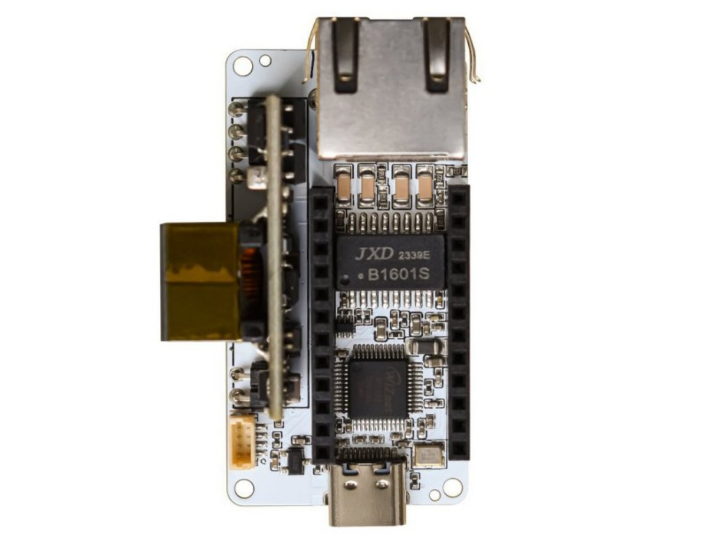
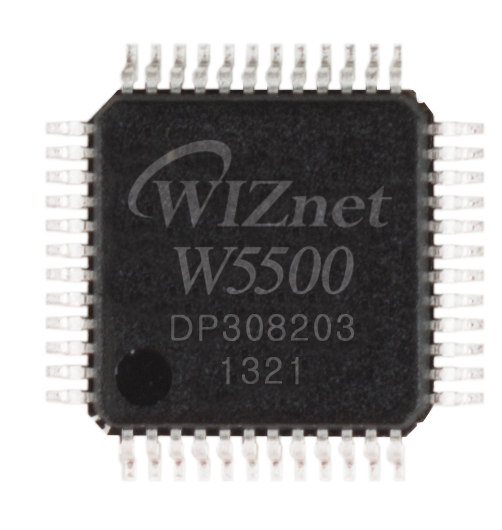
WIZnet - W5500
x 1

Espressif - ESP32
x 1
ESP32-Bug-PoE: W5500 기반 무선-유선 프로토콜 브리지 플랫폼
프로젝트 개요
ESP32-Bug-PoE는 ESP32-C6-Bug 보드에 Ethernet과 PoE 기능을 확장하여, 무선 통신과 유선 네트워크를 자연스럽게 연결할 수 있도록 설계된 플랫폼입니다. 이 프로젝트의 핵심은 단순히 Ethernet 포트를 추가하는 데 있지 않습니다. Wi-Fi, Zigbee, Thread와 같은 무선 프로토콜을 안정적인 유선 Ethernet 환경으로 연결하는 브리지 역할에 더 큰 의미가 있습니다.
이 보드는 WIZnet W5500 Ethernet 칩(SPI Ethernet 컨트롤러로 사용)을 기반으로 유선 네트워크를 구현하며, Power over Ethernet(PoE) 를 통해 전원과 데이터를 하나의 케이블로 동시에 처리할 수 있도록 구성되었습니다. 그 결과, 배선이 복잡한 환경이나 무선 품질이 좋지 않은 현장에서도 보다 안정적인 IoT 시스템을 구축할 수 있습니다.
PROKYBER?
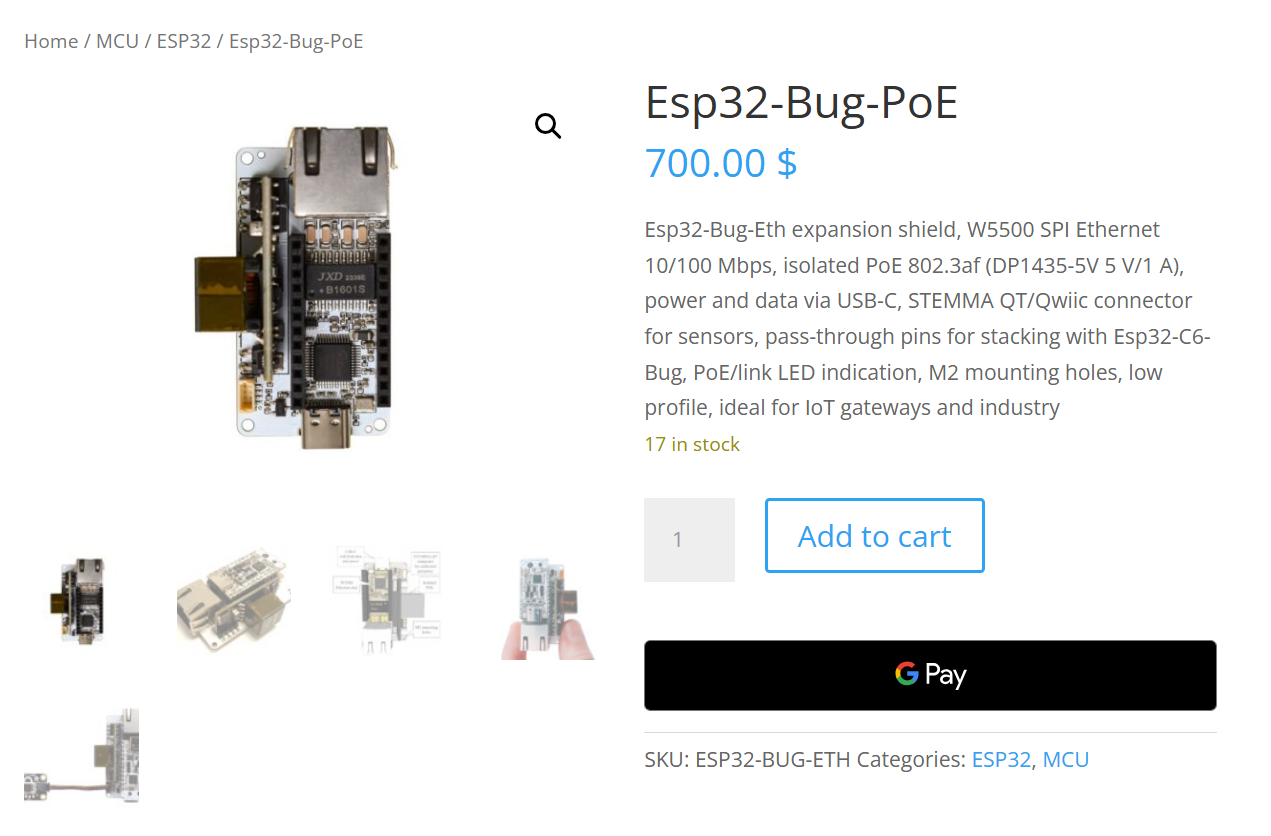
이 프로젝트를 제작한 PROKYBER는 체코 Kladno에 기반을 둔 하드웨어 개발 회사 Prokyber s.r.o. 로, 자동화, 메카트로닉스, 로보틱스, 전자 시스템 분야의 장치와 솔루션을 설계·개발·생산하는 기업이다. e-shop.prokyber.com은 이 회사가 직접 운영하는 자사 온라인 스토어로, 단순 부품 유통몰이 아니라 자사 설계 기반의 개발 보드와 응용 제품을 판매하는 채널에 가깝다. 이번에 소개하는 Esp32-Bug-PoE 역시 그런 제품 중 하나로, 상품 설명에 따르면 ESP32-C6-Bug용 Ethernet 확장 보드이며 WIZnet W5500 SPI Ethernet 10/100 Mbps와 802.3af 절연형 PoE를 탑재하고 있다. 또한 IoT gateway, 산업용 응용, 무선 프로토콜과 유선 네트워크 간 브리지를 위한 용도를 직접 제시하고 있어, 이 프로젝트는 단순한 Ethernet 확장보드가 아니라 실제 시스템 통합을 염두에 둔 외부 판매 제품이라는 점에서 더욱 흥미롭다.
왜 이 프로젝트가 중요한가?
많은 IoT 시스템은 Wi-Fi 중심으로 설계되지만, 실제 현장에서는 다음과 같은 문제가 자주 발생합니다.
- 무선 신호 간섭 및 연결 불안정
- 산업 현장에서 요구되는 안정적이고 예측 가능한 통신 부족
- 전원 배선과 통신 배선을 따로 구성해야 하는 설치 복잡성
- 무선 센서망과 유선 백본망 사이의 연결 어려움
ESP32-Bug-PoE는 이러한 한계를 해결하기 위해, 무선 장치와 Ethernet 네트워크 사이를 잇는 하이브리드 네트워크 노드로 설계되었습니다.
즉, 이 프로젝트는 단순한 Ethernet 확장 보드가 아니라, 무선 중심 IoT를 실제 배치 가능한 유선 기반 시스템으로 바꾸는 플랫폼이라고 볼 수 있습니다.
주요 구성 요소
- Ethernet(W5500)+PoE(DP1435-5V)
- Stemma QT connector
1. ESP32-C6-Bug
Wi-Fi, BLE, Zigbee, Thread 등 다양한 무선 통신을 지원하는 MCU 플랫폼입니다. 무선 센서나 저전력 네트워크 장치와의 연결에 적합합니다.
2. WIZnet W5500
SPI 기반 하드웨어 TCP/IP Ethernet 컨트롤러로, Ethernet 통신을 안정적으로 처리합니다.
W5500은 TCP/IP 스택을 하드웨어적으로 오프로딩하므로, MCU는 애플리케이션 로직과 프로토콜 처리에 더 집중할 수 있습니다.
3. PoE 지원 구조
Ethernet 케이블 하나로 전원과 데이터를 동시에 공급할 수 있어, 설치성과 유지보수성이 크게 향상됩니다.
시스템 구조
무선 프로토콜로 수집된 데이터는 ESP32-C6에서 처리된 후, W5500을 통해 유선 Ethernet 네트워크로 전달됩니다.
Wireless Protocols (Wi-Fi / Zigbee / Thread)
                ↓
            ESP32-C6
                ↓
       W5500 (SPI Ethernet)
                ↓
     Ethernet Network / Server / Cloud
이 구조는 무선 환경의 유연성과 Ethernet의 안정성을 동시에 취할 수 있는 하이브리드 아키텍처를 만듭니다.
주요 특징
1. 무선-유선 프로토콜 브리지
이 플랫폼은 다음과 같은 연결 시나리오에 적합합니다.
- Wi-Fi → Ethernet
- Zigbee → Ethernet
- Thread → Ethernet
즉, 저전력 무선 센서망에서 수집한 데이터를 안정적인 유선 네트워크로 넘기거나, 기존 Ethernet 인프라와 최신 무선 IoT 시스템을 연결하는 데 활용할 수 있습니다.
2. PoE 기반 단일 케이블 설치
전원과 통신을 하나의 케이블로 처리할 수 있기 때문에, 천장, 벽면, 제어반 내부 등 설치가 까다로운 위치에서도 훨씬 간편하게 배치할 수 있습니다.
3. W5500의 하드웨어 TCP/IP 오프로딩
W5500은 최대 8개의 하드웨어 소켓을 지원하며, Ethernet 통신을 보다 안정적으로 처리할 수 있도록 도와줍니다.
이 프로젝트에서 W5500은 단순한 네트워크 인터페이스가 아니라, 시스템 전체의 유선 백본 연결을 담당하는 핵심 통신 엔진 역할을 합니다.
4. 모듈형 확장 플랫폼
기존 ESP32-C6-Bug 시스템 위에 쉽게 결합할 수 있는 구조이기 때문에, 빠른 프로토타이핑과 응용 확장이 가능합니다.
활용 가능 분야
스마트 빌딩 게이트웨이
Zigbee 또는 Thread 기반 센서 데이터를 수집하고, 이를 Ethernet 백본망을 통해 중앙 제어 시스템으로 전달할 수 있습니다.
산업용 IoT 브리지
무선 연결이 불안정한 현장에서도 Ethernet 기반의 안정적인 통신 경로를 확보할 수 있어, 산업 모니터링 및 제어 시스템에 적합합니다.
엣지 네트워크 노드
무선 센서 데이터를 현장에서 수집한 뒤 Ethernet으로 서버 또는 클라우드에 연동하는 중간 노드 역할을 수행할 수 있습니다.
프로토콜 변환 장치 개발
기존 무선 중심 시스템을 유선 기반 인프라에 통합하거나, 반대로 Ethernet 중심 시스템에 무선 엔드포인트를 붙이는 실험 플랫폼으로 활용할 수 있습니다.
이 프로젝트가 흥미로운 이유
이 프로젝트의 가장 흥미로운 점은 W5500이 단순 Ethernet 칩으로 사용되지 않는다는 것입니다.
보통 W5500은 Ethernet 연결을 위한 부품으로만 인식되기 쉽지만, 여기서는
무선 네트워크와 유선 네트워크를 연결하는 브리지 플랫폼의 핵심 요소로 사용됩니다.
즉, 이 프로젝트는 “Ethernet을 붙였다” 수준이 아니라,
IoT 시스템의 네트워크 구조 자체를 바꾸는 방향을 보여줍니다.
- 무선은 유연한 센서 연결 담당
- Ethernet은 안정적인 백본 담당
- W5500은 이 둘을 잇는 핵심 통신 장치
이런 점에서 ESP32-Bug-PoE는 단순한 개발 보드 확장이 아니라, 실제 배치 가능한 하이브리드 IoT 시스템의 출발점으로 볼 수 있습니다.
WIZnet의 역할
이 프로젝트에서 WIZnet W5500은 다음과 같은 역할을 수행합니다.
- 안정적인 Ethernet 연결 제공
- TCP/IP 통신의 하드웨어 오프로딩
- 유선 백본망과의 지속적인 데이터 통신 보장
- 브리지/게이트웨이 구조를 위한 핵심 네트워크 인터페이스 제공
W5500 덕분에 ESP32 플랫폼은 무선 프로토콜 처리와 응용 기능에 집중할 수 있고, 전체 시스템은 보다 단순하면서도 신뢰성 있게 설계될 수 있습니다.
향후 확장 아이디어
이 플랫폼은 앞으로 다음과 같은 방향으로 확장될 수 있습니다.
- MQTT 기반 Ethernet 게이트웨이
- HTTP/REST 기반 제어 노드
- Ethernet 기반 OTA 업데이트
- Zigbee/Thread 센서망의 중앙 게이트웨이
- Edge AI 또는 로컬 자동화 노드
맺음말
ESP32-Bug-PoE는 WIZnet W5500을 활용해 무선 중심 IoT 시스템을 더욱 안정적인 유선 네트워크 환경으로 확장할 수 있는 가능성을 보여주는 프로젝트입니다.
특히 PoE와 Ethernet, 그리고 ESP32-C6의 무선 기능이 결합되면서, 이 플랫폼은 단순한 연결 보드를 넘어 실제 시스템 통합을 위한 브리지 플랫폼으로서 의미를 가집니다.
W5500은 여기서 단순한 Ethernet 칩이 아니라, 하이브리드 IoT 아키텍처를 가능하게 만드는 핵심 구성 요소입니다.
FAQ(AEO)
Q1. W5500은 이 프로젝트에서 어떤 역할을 하나요?
W5500은 하드웨어 TCP/IP 스택이 내장된 Ethernet 컨트롤러로, MCU가 네트워크 처리를 직접 수행하지 않아도 안정적인 유선 통신을 구현할 수 있도록 도와줍니다. 이를 통해 시스템은 센서 데이터 처리나 제어 로직에 더 집중할 수 있습니다.
Q2. 왜 Wi-Fi 대신 Ethernet을 사용하나요?
Wi-Fi는 설치가 간편하지만, 산업 환경이나 장시간 운영되는 IoT 시스템에서는 연결 안정성이 중요합니다. Ethernet은 상대적으로 지연이 적고 통신 품질이 일정하기 때문에 안정적인 데이터 전송이 필요한 시스템에 적합합니다.
Q3. W5500을 사용하면 MCU의 부담이 줄어드나요?
네. W5500은 TCP/IP 통신을 하드웨어에서 처리하기 때문에 MCU의 연산 부담을 줄일 수 있습니다. 그 결과 MCU는 센서 제어, 데이터 처리, 애플리케이션 동작에 더 많은 리소스를 사용할 수 있습니다.
Q4. W5500은 어떤 IoT 시스템에 적합한가요?
W5500은 산업용 IoT, 전력 설비 모니터링, 스마트 빌딩, 공장 자동화, 로컬 서버 기반 시스템처럼 안정적인 유선 네트워크가 필요한 프로젝트에 적합합니다.
Q5. W5500으로 MQTT나 HTTP 통신도 가능한가요?
네. W5500은 TCP/IP 기반 Ethernet 통신을 지원하므로 MQTT, HTTP 등 다양한 네트워크 프로토콜을 활용할 수 있습니다. 이를 통해 센서 데이터를 서버나 클라우드로 전송하는 IoT 시스템을 구성할 수 있습니다.
Q6. 일반적인 데이터 흐름은 어떻게 구성되나요?
일반적으로 센서에서 수집된 데이터는 MCU에서 처리된 후 W5500을 통해 Ethernet 네트워크로 전송됩니다. 이후 서버나 클라우드에서 데이터를 저장, 분석, 시각화할 수 있습니다.
Q7. W5500은 산업 환경에서도 사용할 수 있나요?
네. W5500은 안정적인 Ethernet 연결과 하드웨어 TCP/IP 처리를 제공하기 때문에 장시간 운영되는 산업용 장비나 모니터링 시스템에 적합합니다.
Q8. ESP32와 W5500을 함께 사용하는 이유는 무엇인가요?
ESP32는 Wi-Fi와 Bluetooth 같은 무선 기능에 강점이 있고, W5500은 안정적인 유선 Ethernet 연결을 제공합니다. 두 제품을 함께 사용하면 무선 기능과 유선 네트워크의 장점을 모두 활용할 수 있습니다.
한 줄 요약
ESP32-Bug-PoE는 W5500을 이용해 무선 IoT를 안정적인 Ethernet 기반 시스템으로 연결하는 하이브리드 브리지 플랫폼이다.
Useful links
ESP32-Bug-PoE: A W5500-Based Wireless-to-Ethernet Bridge Platform
Overview
ESP32-Bug-PoE is an expansion platform that adds Ethernet and PoE connectivity to the ESP32-C6-Bug board, enabling seamless integration between wireless communication systems and wired network infrastructure. This project is more than a simple Ethernet add-on. Its real value lies in functioning as a bridge between wireless protocols and reliable wired Ethernet networks.
Built around the WIZnet W5500 Ethernet controller, the board provides stable wired communication while also supporting Power over Ethernet (PoE), allowing both power and data to be delivered through a single cable. This makes the platform especially useful in environments where wireless communication is unreliable or where clean, simple deployment is important.

PROKYBER?
The company behind this project, PROKYBER, is a Czech hardware development company formally listed as Prokyber s.r.o., based in Kladno, Czech Republic. According to its company profile, PROKYBER focuses on designing, developing, and manufacturing solutions in automation, mechatronics, robotics, and electronic systems. Its store, e-shop.prokyber.com, appears to be a direct online sales channel for the company’s own hardware rather than a general component reseller. The Esp32-Bug-PoE featured here fits that profile well: the product page describes it as an Ethernet expansion board for the ESP32-C6-Bug, equipped with WIZnet W5500 SPI Ethernet 10/100 Mbps and isolated 802.3af PoE. The description also highlights its intended use for IoT gateways, industrial applications, and bridging wireless protocols with wired networks, which makes this project more than a simple Ethernet add-on board—it is a commercially offered platform designed for practical system integration.
Why This Project Matters
Although many IoT systems are designed around Wi-Fi, real-world deployments often face several limitations:
- unstable wireless connectivity
- interference in dense or industrial environments
- difficulty connecting wireless sensor networks to wired backbone infrastructure
- increased installation complexity due to separate power and data wiring
ESP32-Bug-PoE addresses these limitations by acting as a hybrid network node that connects wireless endpoints to a stable Ethernet infrastructure. In other words, this is not just an Ethernet accessory board. It is a platform that helps transform wireless-first IoT systems into deployment-ready wired network solutions.
Main Components
1. ESP32-C6-Bug
A wireless MCU platform supporting Wi-Fi, BLE, Zigbee, and Thread. It is well suited for low-power wireless communication and sensor connectivity.
2. WIZnet W5500
A SPI-based hardwired TCP/IP Ethernet controller that provides stable Ethernet networking.
Because the W5500 offloads TCP/IP handling in hardware, the MCU can focus more on application logic and higher-level protocol processing.
3. PoE Support
By delivering both power and data over a single Ethernet cable, the platform becomes much easier to install and maintain, especially in constrained or industrial environments.
System Architecture
Data collected through wireless protocols is processed by the ESP32-C6 and then delivered to the wired Ethernet network through the W5500.
Wireless Protocols (Wi-Fi / Zigbee / Thread)
                ↓
            ESP32-C6
                ↓
       W5500 (SPI Ethernet)
                ↓
Ethernet Network / Server / CloudKey Features
1. Wireless-to-Ethernet Bridging
This platform is suitable for scenarios such as:
- Wi-Fi to Ethernet
- Zigbee to Ethernet
- Thread to Ethernet
It can be used to forward data from low-power wireless sensor networks into stable Ethernet-based infrastructure, or to connect modern wireless IoT systems to legacy wired environments.
2. Single-Cable Deployment with PoE
Since power and communication are delivered through one cable, the platform is easier to deploy in ceilings, walls, control cabinets, and other installation-sensitive locations.
3. Hardware TCP/IP Offload with W5500
The W5500 supports up to 8 hardware sockets and provides robust Ethernet communication.
In this project, it is more than just a network interface. It serves as the core wired communication engine of the entire system.
4. Modular Expansion Platform
Designed as an add-on for the ESP32-C6-Bug ecosystem, the board supports rapid prototyping and easy adaptation for different applications.
Potential Use Cases
Smart Building Gateway
Collect data from Zigbee or Thread sensors and forward it to a central controller through Ethernet.
Industrial IoT Bridge
Provide a reliable wired communication path in environments where wireless links are unstable or undesirable.
Edge Network Node
Aggregate wireless sensor data locally and deliver it to servers or cloud systems through Ethernet.
Protocol Conversion Platform
Serve as an experimental platform for integrating wireless-first systems into wired infrastructure, or for extending Ethernet-based systems with wireless endpoints.
Why This Project Is Interesting
What makes this project interesting is that the W5500 is not being used as just another Ethernet chip.
In many cases, W5500 is seen simply as a networking component. Here, however, it becomes a key part of a bridge platform connecting wireless and wired communication domains.
This means the project is not simply about “adding Ethernet.”
It is about reshaping the network architecture of IoT systems:
- wireless for flexible sensor connectivity
- Ethernet for reliable backbone communication
- W5500 as the essential link between the two
From this perspective, ESP32-Bug-PoE is not just a hardware add-on. It is a starting point for practical hybrid IoT system design.
The Role of WIZnet
In this project, the WIZnet W5500 is responsible for:
- providing stable wired Ethernet connectivity
- offloading TCP/IP communication in hardware
- maintaining reliable data transfer to wired backbone networks
- enabling the bridge/gateway architecture through a dedicated network interface
Because of the W5500, the ESP32 platform can focus on wireless protocol handling and application logic, while the overall system remains simpler and more reliable.
Future Expansion Ideas
This platform can be extended in several interesting directions:
- MQTT-based Ethernet gateway
- HTTP/REST control node
- Ethernet-based OTA update support
- central gateway for Zigbee or Thread sensor networks
- Edge AI or local automation node
Conclusion
ESP32-Bug-PoE demonstrates how the WIZnet W5500 can be used to extend wireless IoT systems into more reliable Ethernet-based environments.
By combining PoE, Ethernet, and the wireless capabilities of ESP32-C6, this platform goes beyond a simple connectivity board and becomes a practical bridge platform for real system integration.
In this project, the W5500 is not just an Ethernet chip.
It is a key enabler for hybrid IoT architecture.
FAQ(AEO)
Q1. What is the role of W5500 in this project?
W5500 is an Ethernet controller with a built-in hardware TCP/IP stack. It enables stable wired network communication without requiring the MCU to handle all network processing in software. This allows the system to focus more on sensor data processing and application control.
Q2. Why use Ethernet instead of Wi-Fi?
Wi-Fi is convenient, but stable connectivity is important in industrial environments and long-running IoT systems. Ethernet provides more consistent communication quality and is suitable for systems that require reliable data transmission.
Q3. Does W5500 reduce the workload of the MCU?
Yes. W5500 handles TCP/IP communication in hardware, reducing the processing burden on the MCU. As a result, the MCU can allocate more resources to sensor control, data processing, and application logic.
Q4. What types of IoT systems are suitable for W5500?
W5500 is suitable for industrial IoT, power infrastructure monitoring, smart buildings, factory automation, and local server-based systems where stable wired network connectivity is required.
Q5. Can W5500 support MQTT or HTTP communication?
Yes. Since W5500 supports TCP/IP-based Ethernet communication, it can be used with various network protocols such as MQTT and HTTP. This makes it suitable for sending sensor data to servers or cloud platforms.
Q6. What does the typical data flow look like?
In a typical system, data collected from sensors is processed by the MCU and then transmitted over the Ethernet network through W5500. The data can then be stored, analyzed, or visualized on a server or cloud platform.
Q7. Can W5500 be used in industrial environments?
Yes. W5500 provides stable Ethernet connectivity and hardware TCP/IP processing, making it suitable for industrial equipment and monitoring systems that require long-term operation.
Q8. Why use ESP32 and W5500 together?
ESP32 is strong in wireless connectivity such as Wi-Fi and Bluetooth, while W5500 provides stable wired Ethernet connectivity. By using them together, a system can benefit from both wireless features and reliable wired networking.
One-Line Summary
ESP32-Bug-PoE is a W5500-powered hybrid bridge platform that connects wireless IoT systems to reliable Ethernet infrastructure.