


[W5500] MSP430 and UDP Ethernet – Why This ioLibrary Thread Got So Long
Wiznet W5500 is a popular Ethernet controller with a built-in TCP/IP hardware stack,
often advertised as an easy way to get network connectivity on small MCUs.
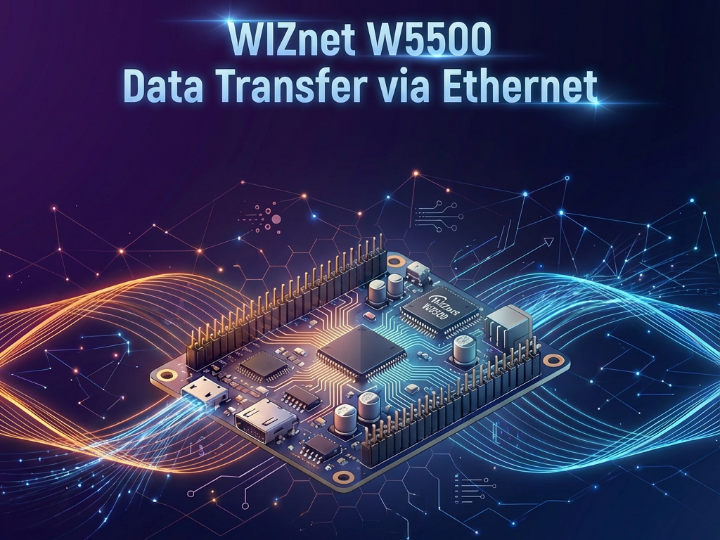
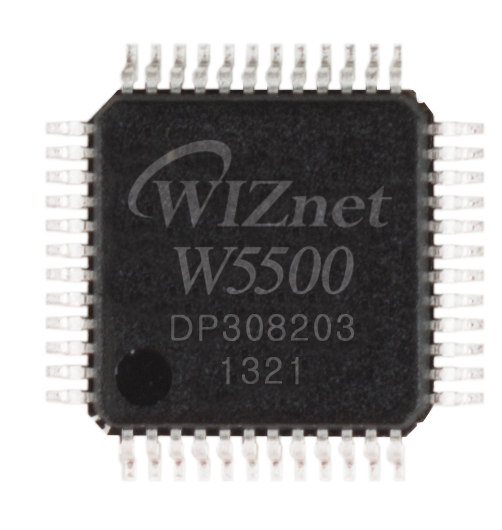
WIZnet - W5500
x 1

[W5500] MSP430와 UDP 이더넷 전송 – ioLibrary를 사용하면서 초보자가 겪은 실제 문제들
Wiznet W5500은 하드웨어 TCP/IP 스택을 내장한 이더넷 컨트롤러로, 초보자도 비교적 쉽게 네트워크 통신을 구현할 수 있는 것이 장점입니다.
하지만 실제로는, 특히 8비트/16비트 MCU + C 언어 + 저용량 RAM 환경에서는 의외로 많은 시행착오가 발생합니다.
이 글은 독일 개발자 커뮤니티(mikrocontroller.net)에 올라온
「Wiznet W5500 Datenübertragung via Ethernet」 스레드 내용을 바탕으로,
- 어떤 프로젝트였는지
- 토론에서 무엇을 주로 논의했는지
- 왜 이렇게 많은 댓글이 달릴 정도로 어려웠는지
- 초보자가 W5500 + ioLibrary_Driver를 쓸 때 참고할 만한 포인트
를 정리한 사례 기반 학습용 요약입니다.
1. 프로젝트 개요: MSP430 + W5500로 센서 데이터를 UDP로 전송
게시자는 TI의 MSP430G2553 마이크로컨트롤러와 Wiznet W5500을 사용해,
- 센서 데이터를
- LAN(이더넷)을 통해 PC 또는 다른 모듈(예: Wi-Fi 모듈) 로
- UDP 프로토콜을 이용해 전송하는 프로젝트를 진행하고 있었습니다.
핵심 목표는:
- 저가형 MCU(MSP430) + W5500만으로
- 간단한 데이터 스트리밍용 UDP 통신을 구현하는 것
- 향후에는 모터 제어, X/Y 축 스캔, 추가 모듈 제어 등으로 시스템 확장
이라는, 실제 현장에서 자주 나오는 전형적인 임베디드 이더넷 센서 노드 사례입니다.
2. 스레드에서 주로 논의된 내용
이 스레드는 댓글이 길게 이어질 정도로 많은 논의가 있었고,
주제는 크게 아래 네 가지로 정리할 수 있습니다.
2.1 ioLibrary_Driver 진입 장벽
게시자는 GitHub의 Wiznet ioLibrary_Driver를 살펴봤지만:
- 파일 구조와 레이어가 복잡해 보이고
- 어떤 함수부터 사용해야 할지,
- 어떤 헤더/소스를 어떤 순서로 포함해야 할지
를 이해하는 데 큰 어려움을 느꼈다고 합니다.
이에 대해 다른 개발자들은:
- SPI + CS 콜백 함수부터 구현하고 등록해야 한다
- W5500을 데이터시트 기반 레지스터 직접 접근(bare metal) 으로 쓸지,
아니면 ioLibrary의 socket API를 쓸지 전략을 먼저 정하라고 조언합니다.
2.2 SPI 통신 및 레지스터 접근 문제
초기에는 SPI가 “되는 것처럼 보였지만”, 실제로는 다음과 같은 문제가 있었습니다.
- VERSIONR 레지스터를 읽을 때 SPI 전송 바이트 수가 하나씩 어긋남
- MOSI/MISO에 0x01, 0x02, 0x03… 와 같이 의미 없는 증가 패턴이 보임
- MAC 주소 일부가 예상과 다르게 보이거나,
Wireshark에서 캡처되는 MAC 주소가 이상하게 표시되는 현상
이를 통해 드러난 핵심 포인트는:
- W5500의 SPI 프로토콜(4바이트 헤더 + 데이터) 을 정확히 따라야 하며
- CS 타이밍과 전송 길이가 조금만 어긋나도
모든 레지스터 값이 틀어져 보일 수 있다는 점입니다.
2.3 UDP 소켓 오픈과 상태 레지스터(Sn_SR / Sn_IR) 해석
게시자는 데이터시트에 따라:
- 소프트 리셋
- MAC, IP, 게이트웨이, 서브넷 설정
- 소켓 모드 UDP 설정
- 포트 설정
- 소켓 오픈 명령 전송
- TX 버퍼에 데이터 기록
- SEND 명령 전송
순서로 진행했지만,
- PC에서 UDP 패킷이 보이지 않고,
- Ping도 응답이 없으며,
Sn_SR상태 레지스터가 0x00에서 변하지 않는 문제를 겪습니다.
이에 대해 다른 개발자들은:
- Sn_SR, Sn_IR 값을 반드시 확인하면서 진행해야 하며
- UDP는 TCP처럼 “연결(Connect)” 개념이 없으므로
TeraTerm 같은 TCP 터미널 도구로는 UDP 상태를 확인할 수 없다 - PC에서는 Wireshark, PacketSender, ping, arp -a 등을 이용해
IP/MAC 및 패킷 흐름을 검증해야 한다
는 디버깅 방법을 상세히 제안합니다.
2.4 MSP430G2553의 RAM 한계
가장 흥미로운 결론 중 하나는 MCU 자원 한계입니다.
- MSP430G2553는 RAM이 512바이트에 불과합니다.
- W5500 + ioLibrary_Driver + 소켓 버퍼를 그대로 사용하면
링크는 되더라도 런타임에서 쓸 수 있는 메모리가 거의 남지 않습니다.
토론 말미에 경험 많은 개발자는:
- 이 MCU에서는 정석적인 ioLibrary + 소켓 구조를 그대로 사용하기 어렵다
- 최소 몇 kB 이상의 RAM이 있는 STM32, RP2040, Arduino(ATmega2560 등) 로
플랫폼을 변경하는 것이 훨씬 현실적이라고 결론 내립니다.
이는 “W5500 + ioLibrary_Driver + 작은 16비트 MCU” 조합에서
많은 초보자가 놓치기 쉬운 리소스 설계 이슈를 잘 보여줍니다.
3. 왜 이렇게 어려웠을까? (초보 관점에서 본 핵심 난점)
이 스레드에 댓글이 길게 달린 이유는,
다음과 같은 초보자 특유의 난점이 복합적으로 겹쳤기 때문입니다.
1. 네트워크·MCU·C 언어가 모두 동시에 요구
- SPI, 이더넷, MAC/IP, UDP, C 프로젝트 구조, 링커 설정까지
여러 개념을 한 번에 이해해야 함.
2. 데이터시트 vs 라이브러리 코드의 간극
- 데이터시트만 보면 “레지스터 몇 개만 쓰면 될 것 같다”고 느끼지만,
- 실제 동작하는 코드는 상태 머신, 타임아웃, 버퍼 관리, 에러 처리가 필요.
3. Magic Number 기반 레지스터 접근
- 0x4000, 0x0024 같은 숫자만 사용하는 방식은
- 디버깅이 어렵고
- 동료 개발자와 코드를 공유하기 힘듦.
- Wiznet의
w5500.h,wizchip_conf.h에 정의된 매크로를 쓰는 것이 훨씬 안전함.
4. MCU 선택의 전략 부재
- RAM 512B MCU로 이더넷 컨트롤러와 스택을 다루는 것은
“될 수도 있지만, 아주 힘들게 될 가능성”이 큼. - 처음 이더넷을 배우는 용도라면 메모리 여유가 있는 MCU가 훨씬 낫다는 교훈.
4. 이 사례에서 얻을 수 있는 실전 팁
이 스레드를 참고해, W5500 + ioLibrary를 처음 쓰는 분들이 참고할 만한 팁을 정리하면:
1. SPI + CS 콜백부터 확실히 잡자
- VERSIONR(0x0039) = 0x04를 읽는 것부터 성공시키기.
2. 네트워크 설정 후 Ping이 먼저
- IP, MAC, 게이트웨이, 서브넷을 설정했으면
- UDP/TCP 애플리케이션 코드보다 Ping 성공을 1차 목표로.
3. Wireshark, PacketSender, arp -a 적극 활용
- “보내고 있다”고 MCU에서 믿지 말고,
- PC에서 실제로 어떤 패킷이 오가는지 확인.
4. MCU 리소스(Flash/RAM)를 먼저 계산하고 시작
- ioLibrary + 소켓 버퍼가 어느 정도 메모리를 쓰는지 확인 후
- 적절한 MCU를 선택하거나, 버퍼 크기/기능을 줄이는 전략 필요.
5. 초반에는 “UDP 한 번 보내기”만 목표로
- DHCP, DNS, MQTT 등은 나중으로 미루고,
- “정적 IP + UDP sendto() 한 번 성공”부터 단계적으로 구현.
5. 정리
이 mikocontroller.net 스레드는 겉으로 보면 단순한 “W5500 UDP 예제 도와주세요” 질문이지만,
실제로는:
- W5500 + ioLibrary_Driver의 구조
- SPI와 레지스터 접근의 정확한 구현
- MCU 선택과 메모리 설계
- 네트워크 디버깅 방법
까지 폭넓게 다룬, 초보자에게 매우 유용한 학습 사례입니다.
WIZnet 제품을 사용하는 개발자, 특히 작은 MCU에서 이더넷 통신을 처음 구현하려는 메이커/학생/엔지니어에게
이 사례는 “어디서 막히기 쉬운지”를 미리 보여주는 좋은 참고 자료가 될 수 있습니다.
[W5500] MSP430 and UDP Ethernet – Why This ioLibrary Thread Got So Long
Wiznet W5500 is a popular Ethernet controller with a built-in TCP/IP hardware stack,
often advertised as an easy way to get network connectivity on small MCUs.
In practice, however, especially with 8/16-bit MCUs, C code, and very limited RAM,
beginners can easily run into subtle issues.
This article summarizes the German forum thread
“Wiznet W5500 Datenübertragung via Ethernet” on mikrocontroller.net, focusing on:
What the original project was about
What topics were discussed in depth
Why the thread grew so long and what made it hard
What useful lessons W5500 beginners can take away
1. Project overview: MSP430G2553 + W5500, sending sensor data via UDP
The original poster used TI MSP430G2553 together with Wiznet W5500 to build:
A simple system that sends sensor data over Ethernet (LAN)
To a PC or possibly another module (e.g. Wi-Fi module)
Using the UDP protocol
The goals were:
Implement basic UDP streaming from a low-cost MCU + W5500
Later extend the project with motors, X/Y scanning, and additional modules
This is a very typical embedded Ethernet sensor node scenario that many makers and engineers try to build.
2. Main discussion topics in the thread
The thread collected many replies, roughly around four main themes:
2.1 Entry barrier of ioLibrary_Driver
The poster looked at GitHub’s Wiznet ioLibrary_Driver but found that:
The file structure and layers appeared complex
It wasn’t clear where to start
It was confusing which headers and source files needed to be included and how
Other developers replied that:
You must first implement and register SPI and CS callback functions
You should decide whether to
control W5500 via bare-metal register programming (datasheet only), or
use the socket API provided by ioLibrary
This duality (datasheet vs. library) is a common source of confusion for beginners.
2.2 SPI communication and register access issues
At first, SPI “seemed to work”, but in reality there were several issues:
Reading VERSIONR returned strange patterns like 0x01, 0x02, 0x03…
Some bytes of the MAC address looked wrong or shifted
Wireshark showed unexpected MAC values, making the configuration unclear
The key message here is:
W5500’s SPI protocol (4-byte header + data) must be followed exactly
CS timing and transfer length must be correct
If the SPI frame is off by even one byte, all register values will look wrong
2.3 Opening a UDP socket and interpreting Sn_SR / Sn_IR
The poster tried to follow the datasheet sequence:
Software reset
Set MAC, IP, gateway, subnet mask
Configure socket mode as UDP
Set the local port
Send OPEN command
Write data into TX buffer
Send SEND command
But:
No UDP packets were visible on the PC
Ping didn’t work
The socket status register Sn_SR remained 0x00
Other participants pointed out:
One must continuously check Sn_SR and Sn_IR to understand what’s happening
UDP has no “connection” concept, so tools like TeraTerm (TCP-oriented) are not suitable for testing UDP
On the PC side, you should use Wireshark, PacketSender, ping, arp -a to verify IP/MAC and packet flow
This is a very practical lesson in how to debug hardware-based network stacks.
2.4 RAM limitations of the MSP430G2553
One of the most important conclusions concerns MCU resources.
The MSP430G2553 has only 512 bytes of RAM
A full ioLibrary setup with socket buffers can easily exhaust that RAM
Towards the end of the thread, an experienced developer concludes:
It’s very hard to use the full ioLibrary + socket layer “as is” on this MCU
It’s far more realistic to move to a device with more RAM, such as
STM32, RP2040, or a larger Arduino board (ATmega2560, etc.)
This highlights a common pitfall: trying to combine a feature-rich Ethernet controller with a very small MCU.
3. Why was this so hard? (Beginner’s perspective)
The thread got so long because multiple beginner-level challenges stacked up:
Multiple domains at once
You need a basic grasp of MCU peripherals, SPI, Ethernet, IP/MAC, UDP, C project structure, and linker settings
Learning all of this at once is naturally overwhelming.
Datasheet vs. library code gap
The datasheet can make it look like
“just write a few registers and you’re done.”
In reality, a working implementation needs state machines, timeouts, buffer management, error handling, etc.
Heavy use of magic numbers
Code full of raw addresses like 0x4000, 0x0024, 0x0009 is:
hard to understand later, and
hard for others to review and debug.
Using the #defines from Wiznet’s w5500.h and wizchip_conf.h is much safer and clearer.
No early resource planning
The project started without checking if 512 bytes of RAM is enough for a network stack.
It turned out the MCU choice itself was a major bottleneck.
4. Practical takeaways for W5500 beginners
Summarizing the lessons that are valuable for people new to W5500 + ioLibrary:
Lock down SPI + CS first
Verify that reading VERSIONR (0x0039) returns 0x04 before doing anything else.
Aim for a successful ping before UDP/TCP apps
After configuring MAC/IP/gateway/subnet,
Make “ping responds” your first milestone.
Use proper network tools on the PC
Don’t trust only your MCU code.
Use Wireshark, PacketSender, ping, arp -a to see what’s really happening on the wire.
Check MCU Flash/RAM usage up front
Estimate how much storage ioLibrary and socket buffers will consume.
Choose a microcontroller with sufficient resources or reduce features and buffer sizes.
Start with “send one UDP packet” as a single, small goal
Leave DHCP, DNS, MQTT, etc. for later.
Focus on “static IP + sendto() once” as your first working example.
5. Conclusion
At first glance, the mikrocontroller.net thread looks like a simple
“Please help with a W5500 UDP example” question.
In reality, it evolved into a rich discussion covering:
The internal structure of W5500 + ioLibrary_Driver
Correct implementation of SPI and register access
MCU resource planning and RAM constraints
Practical network debugging techniques
For developers using Wiznet products—especially those trying to implement Ethernet communication
on small MCUs for the first time—this is an excellent case study of
where things typically go wrong and how experienced engineers approach the problem.
It’s a real-world example that shows not just how to wire up W5500,
but also how to think about architecture, debugging, and platform choice when working with hardware TCP/IP controllers.