


The Hackspace’s Many Moons
Reviving LED Matrix Displays with WIZnet W5500
WIZnet - W5500
x 1

WIZnet 이더넷으로 진화한 LED 매트릭스 디스플레이 네트워크
Nottingham Hackspace의 LED 매트릭스 디스플레이 프로젝트 ‘The Hackspace’s Many Moons’를 중심으로, WIZnet W5500 기반 이더넷 디스플레이 네트워크 구축 사례와 이를 W55RP20(ioNIC)으로 확장하는 방법, 실제 W55RP20 성공 사례까지 한 번에 정리합니다.
1. 프로젝트 요약
Nottingham Hackspace는 2011년에 설치된 첫 LED 매트릭스부터 시작해, 해크스페이스 곳곳에 여러 LED 디스플레이를 배치하고 네트워크로 연결해 온 장기 프로젝트를 운영하고 있습니다.
초기에는 “Big Matrix”, “Mini Matrix” 같은 디스플레이를 통해 이메일·IRC/Discord 메시지, 출입문 로그 등을 표시했고
이후에는
- 레이저 커터 예약 현황을 보여주는 “Laser Display”,
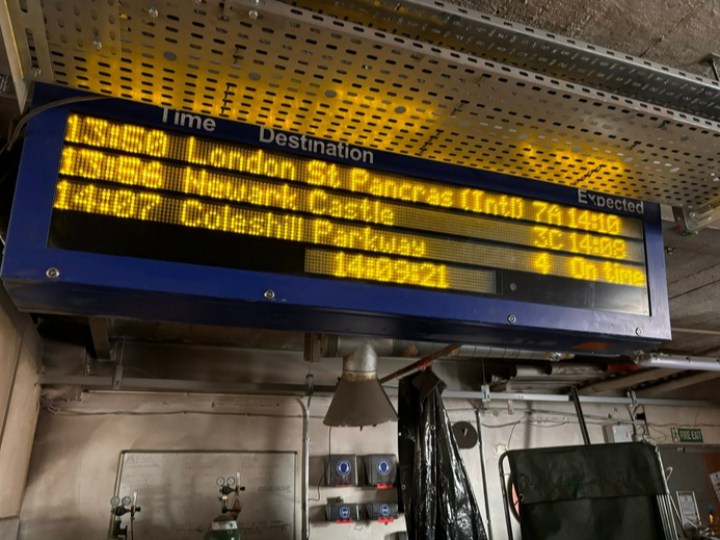
- 실제 기차역 출발 안내판을 해킹한 “Train Departure Board”,
- 스튜디오 및 전자 작업 공간용 긴 매트릭스,
- 집 주방에 설치한 개인용 LED 매트릭스까지
공용·개인 공간 전반으로 확장되었습니다.
여러 디스플레이는 WIZnet W5500 이더넷 칩과 MCU를 사용해 유선 이더넷으로 연결되고, Node-RED, Discord, MQTT, Home Assistant 등과 연동되어 해크스페이스 전역의 정보 디스플레이 허브 역할을 합니다.
이 글은 이 프로젝트의 스토리, 하드웨어 구조, 인사이트를 정리하고, 마지막에는 같은 콘셉트를 W55RP20(ioNIC) 기반으로 확장하는 아이디어와 실제 성공 사례를 연결해 소개합니다.
2. 프로젝트 스토리 & 개요
2-1. 해크스페이스의 ‘달빛’이 된 LED 매트릭스
작성자는 밤에 해크스페이스를 걸을 때 주변을 비추는 따뜻한 LED 매트릭스 불빛을 “해크스페이스의 달빛”이라고 표현합니다.
- 2011년 설치된 Big Matrix는 지금도 Comfy Area에서 이메일 및 IRC/Discord 메시지를 표시하고 있고
- 그 이후로
- 기증받은 Big Clocks,
- 출입문 로그를 보여주는 Mini Matrix,
- Laser Display,
- Train Departure Board,
- 스튜디오/전자 작업실 디스플레이,
- 집 주방에 설치된 매트릭스
등 다양한 형태로 공간 거의 모든 구역에 LED 매트릭스가 깔린 환경이 만들어졌습니다.
2-2. 기능과 미학을 동시에 잡은 정보 디스플레이
각 디스플레이는 단순한 장식이 아니라, 해크스페이스 운영에 필요한 정보를 실시간 시각화하는 실용적인 도구입니다.
- 레이저 디스플레이(Laser Display)
- 현재 및 다음 레이저 커터 예약자
- 냉각수(칠러) 온도
를 표시해 장비 활용도와 대기 시간을 한눈에 보여줍니다.
- Train Departure Board
- Node-RED로 10분마다 실제 열차 출발 정보를 가져와 표시하고
- Discord 메시지를 스크롤로 띄우며
- 어느 도어벨이 울렸는지(1=정문, 2=내부문, 3=워크숍)를 표시해 멤버가 바로 대응할 수 있도록 돕습니다.
- 스튜디오 & Electronics Area 디스플레이
- Laser Display와 같은 타입의 긴 매트릭스를 재활용해
- Discord 메시지, 간단한 출발 정보 등을 반복적으로 보여주는 정보 보드로 활용합니다.
- 주방 디스플레이 (개인용)
- “고장난” 중고 LED 매트릭스를 복구해 집 주방 문 위에 설치하고
- Home Assistant + MQTT와 연동하여 집안 센서 데이터를 표시하는 개인용 IoT 대시보드로 사용합니다.
결과적으로 이 해크스페이스는, 장비 예약·알림·커뮤니케이션·IoT 센서 정보가 LED 매트릭스라는 공통 UI로 통합된 사례를 보여줍니다.
3. 하드웨어 & 기술 스택
3-1. 디스플레이 하드웨어
- 중·대형 상용 LED 매트릭스
- 실제 철도역 출발 안내판
- 기증받은 Big Clocks 등
- 해크스페이스에서 해킹/제작한 디스플레이
- Big Matrix, Mini Matrix, Laser Display, Studio/Electronics Area 매트릭스
- 수십 개(50개 이상)의 8×8 모듈을 사용해 직접 설계한 대형 매트릭스
- 시프트 레지스터 + ULN2803 기반 구동 구조
3-2. 네트워크 & 제어 칩
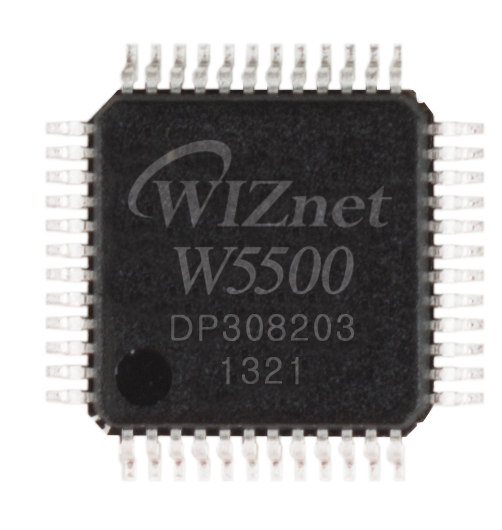
- WIZnet W5500 / W550 이더넷 칩
- 새 Laser Display 컨트롤러 보드에 통합해 이더넷 연결을 제공
- Train Departure Board v2 및 자작 LED 매트릭스 컨트롤러에도 반복적으로 사용
- “MCU + W5500” 구조로 안정적인 유선 TCP/IP 통신 구현
- MCU & 개발 환경
- 초기에는 Arduino Uno R4 WiFi를 금속 하우징 안에서 사용했으나, Wi-Fi 연결이 자주 끊기는 문제가 발생
- 이후 보드를 리디자인하면서 Renesas RA4M1 + WIZnet W5500 조합으로 전환
- 금속 하우징, 긴 리본 케이블 등에서도 안정적인 이더넷 기반 제어 가능
3-3. 상위 소프트웨어 스택
- Node-RED
- 열차 출발 정보를 일정 주기로 가져와 Train Departure Board로 전송
- Discord 연동
- 여러 LED 디스플레이에서 채널 메시지를 실시간으로 표시
- Home Assistant + MQTT
- 집안 센서 데이터를 주방 LED 매트릭스에 전달해 실시간 IoT 대시보드 구현
4. 인사이트 & 배울 점
- Wi-Fi 환경이 나쁘면, W5500 기반 유선 이더넷이 정답
금속 하우징 안에서 Wi-Fi 모듈은 신호가 끊기기 쉽지만, RA4M1 + W5500 구조로 바꾸자 연결 안정성이 크게 개선되었습니다.
- 기증·중고 디스플레이의 리버스 엔지니어링 가치
철도역 출발 안내판, Big Clocks, “고장난” LED 매트릭스를
- 신호 방식 분석
- 로직 게이트 교체
- 컨트롤러 보드 재설계
등을 통해 재활용함으로써, 비용을 줄이면서도 독특한 해커스페이스 아이덴티티를 만들어 냈습니다.
- 공용 장비와 커뮤니티를 ‘보이는 정보’로 연결
레이저 커터 예약 현황, 도어벨 알림, Discord 대화 내용을 LED 보드에 시각화함으로써
- 장비 사용의 투명성
- 커뮤니티 간의 연결감
을 동시에 강화합니다. - 해커스페이스 = 소규모 전자 제조 교육장
- KiCAD를 이용한 SMT 설계
- 레이저로 솔더 스텐실 제작
- 핫플레이트 리플로우
- 수십·수백 개 부품 수작업 실장
등 실제 소량 생산 수준의 제조 과정을 자연스럽게 경험할 수 있는 프로젝트입니다. - 커뮤니티 프로젝트에서 개인 라이프스타일까지 확장
- 해크스페이스용 LED 프로젝트를 끝낸 뒤, 남는 부품으로 집 주방 LED 매트릭스를 만들고 Home Assistant와 연동해 일상 정보 디스플레이로 활용한 점은, 메이커 문화가 공간을 넘어 개인의 삶으로 확장되는 좋은 예입니다.
5. W55RP20(ioNIC)으로의 확장 & 성공 사례
이 프로젝트는 기본적으로 외부 MCU + W5500 구조이지만, 같은 콘셉트를 W55RP20(ioNIC) 기반으로 재구성하면 설계와 확장성이 훨씬 좋아집니다.
5-1. W55RP20 / W55RP20-EVB-Pico 업그레이드 아이디어
W55RP20은
- WIZnet W5500 하드웨어 TCP/IP 이더넷 컨트롤러와
- Raspberry Pi Pico에 사용되는 RP2040 MCU를
하나의 칩으로 통합한 ioMCU입니다.
W55RP20-EVB-Pico 보드는
- Pico 호환 핀맵(GPIO)과 듀얼코어 RP2040,
- 통합 W5500 기반 이더넷을 제공해
LED 매트릭스 구동과 네트워크 스택을 한 보드에서 처리할 수 있습니다.
Hackspace 스타일로 확장하면:
- 기존: RA4M1 + W5500이 들어간 전용 보드
- 확장: W55RP20-EVB-Pico 한 장으로
- LED 매트릭스 스캐닝
- TCP/UDP, WebSocket, MQTT, REST API 처리
를 모두 해결할 수 있습니다.
5-2. W55RP20 기반 성공 사례 ① – 대규모 픽셀 LED 컨트롤러
W55RP20 기반 WS2811 Addressable RGB LED 컨트롤러 프로젝트에서는
- W55RP20으로 대량의 WS2811 픽셀 LED를 제어하고
- SCAN, Artnet 같은 프로토콜을 사용해
공연 조명, 미디어 파사드, 아트 설치물에 활용 가능한 네트워크형 LED 컨트롤러를 구현했습니다.
Many Moons에의 시사점
Nottingham Hackspace의 LED 매트릭스를 이 구조로 확장하면
- 해크스페이스 전체 벽면을 사용하는 LED 아트 월,
- 이벤트용 라이브 비주얼 디스플레이 등으로 자연스럽게 발전시킬 수 있습니다.
5-3. W55RP20 기반 성공 사례 ② – 이더넷 IoT LED 제어 튜토리얼
W55RP20-EVB-Pico와 CircuitPython을 사용해
- 유선 이더넷 TCP 연결로
- 여러 개의 LED를 원격 제어하는 간단한 IoT 예제가 공개되어 있습니다.
Many Moons에의 시사점
이 구조를 그대로 확장해
- 단순 LED 대신 매트릭스의 행·열을 제어 대상으로 바꾸고
- Node-RED, Discord 봇 등에서 TCP 명령을 보내면
메시지·애니메이션을 네트워크로 실시간 제어하는 LED 패널을 쉽게 만들 수 있습니다.
5-4. W55RP20 기반 성공 사례 ③ – Person Detection & 네트워크 비전
W55RP20-EVB-Pico + 카메라 + TensorFlow Lite Micro로
- 사람 감지를 수행하고
- 감지 결과를 이더넷을 통해 서버로 전송하는 예제 프로젝트도 있습니다.
Many Moons에의 시사점
이를 LED 매트릭스와 결합하면
- “공간 내 사람 존재/혼잡도 표시”
- “안전 경고, 조용한 구역 안내”
등 스마트 워크숍 안전·안내 시스템으로 확장할 수 있습니다.
5-5. W55RP20 기반 성공 사례 ④ – 네트워크 기반 HDMI 디스플레이
W55RP20 모듈을 사용해
- 네트워크로 이미지를 수신하고
- HDMI 모니터로 출력하는
네트워크 디스플레이 시스템 사례도 존재합니다.
Many Moons에의 시사점
향후 LED 매트릭스뿐만 아니라 HDMI 모니터까지 통합해
- 텍스트 + 그래픽 + 동영상을 아우르는
멀티모달 해크스페이스 정보 허브로 발전시킬 수 있습니다.
6. 메이커를 위한 응용 아이디어 (W55RP20 버전)
- 해크스페이스 장비 현황판
- W55RP20-EVB-Pico + LED 매트릭스로
레이저 커터, 3D 프린터, CNC, 전자 작업대 사용 현황을 시각화
- W55RP20-EVB-Pico + LED 매트릭스로
- 스마트홈 & 스튜디오 대시보드
- Home Assistant, Node-RED와 연동해
날씨, 출퇴근 교통, 센서 값, 알림 등을
벽걸이 LED 매트릭스 하나에 통합 표시
- Home Assistant, Node-RED와 연동해
- 교육 커리큘럼 패키지
- 중고/기증 디스플레이 리버스 엔지니어링
- W55RP20-EVB-Pico 기반 이더넷 컨트롤러 설계
- Node-RED / MQTT / REST API 연동
을 한 세트로 묶어, 대학·메이커 스페이스용 IoT/네트워크 교육 프로젝트로 활용 가능
The Hackspace’s Many Moons – Turning LED Matrix Displays into an Ethernet-Powered Information Network
A deep dive into Nottingham Hackspace’s “The Hackspace’s Many Moons” LED matrix project: how WIZnet W5500-based Ethernet displays power a hackspace-wide information system, and how to upgrade the concept using W55RP20 (ioNIC) with real-world success stories.
1. High-Level Summary
Nottingham Hackspace has spent over a decade turning assorted LED matrix displays into a networked information layer for the space.
- Early displays such as “Big Matrix” and “Mini Matrix” showed emails, IRC/Discord messages, and door logs.
- Over time, the collection grew to include:
- “Laser Display” for laser-cutter bookings,
- a repurposed Train Departure Board,
- long matrices for the Studio and Electronics Areas,
- and even a personal kitchen display at home.
Several of these displays use WIZnet W5500/W550 Ethernet chips plus MCUs to provide wired Ethernet, and integrate with Node-RED, Discord, MQTT, and Home Assistant to form a space-wide information display hub.
This article reframes the project for maker.wiznet.io: summarizing the story, hardware, and insights, and then showing how to modernize the concept with W55RP20(ioNIC) and practical success stories.
2. Story & Concept
2-1. LED Matrix as “Moonlight”
The author likens the warm glow of the LED matrices at night to moonlight for the hackspace.
- The Big Matrix, installed in 2011, still runs in the Comfy Area, displaying emails and IRC/Discord messages.
- Later additions include:
- donated Big Clocks,
- the Mini Matrix for door logs and messages,
- the Laser Display,
- a real Train Departure Board,
- Studio and Electronics Area displays,
- and a kitchen LED matrix at home.
The result is a space that feels peppered with LED matrices in almost every zone.
2-2. Functionality + Aesthetics
Each display is both functional infrastructure and visual culture.
- Laser Display
- Shows the current and next laser-cutter bookings.
- Displays the chiller water temperature, making usage and waiting time obvious at a glance.
- Train Departure Board
- Uses Node-RED to fetch real train departures periodically and displays them.
- Mirrors Discord messages in real time.
- Indicates which doorbell was pressed (1=front, 2=inner, 3=workshop).
- Studio & Electronics Area displays
- Reuse the same type of long matrix and controller as the Laser Display.
- Show Discord messages and simple departure information as ambient info boards.
- Kitchen display at home
- A “broken” LED matrix from eBay was revived and mounted above the kitchen door.
- Driven by Home Assistant + MQTT, it shows sensor data from around the house as a personal IoT dashboard.
Overall, the hackspace demonstrates how tool bookings, alerts, communication, and IoT sensor data can be unified under a single visual language: LED matrices.
3. Hardware & Tech Stack
3-1. Displays
- Donated commercial LED matrices
- Real train departure board
- Big Clocks and similar hardware
- Hackspace-hacked displays
- Big Matrix, Mini Matrix, Laser Display, Studio/Electronics Area boards
- Large custom LED matrix
- Built from 8×8 modules (50+), driven by shift registers with ULN2803 for row sinking
3-2. Networking & Control
WIZnet W5500 / W550 Ethernet chips
- Integrated into a new Laser Display controller board for wired Ethernet.
- Reused in Train Departure Board v2 and the custom LED matrix controller.
- Provide robust TCP/IP communication in a simple “MCU + W5500” architecture.
MCUs & development
- The first Train Departure Board controller used an Arduino Uno R4 WiFi inside a metal enclosure, which suffered frequent disconnects.
- A redesigned board switched to Renesas RA4M1 + W5500, adding buffering for long ribbon cables and delivering reliable Ethernet connectivity even in challenging environments.
3-3. Software Stack
Node-RED
- Periodically fetches live train departures and pushes them to the Train Departure Board.
Discord integration
- Streams channel messages to multiple LED boards.
Home Assistant + MQTT
- Drives the kitchen LED matrix with live sensor values from around the house.
4. Insights & Learnings
1. When Wi-Fi fails, wired Ethernet (W5500) shines
Wi-Fi modules inside metal enclosures are prone to unreliable connections. Switching to an RA4M1 + W5500 wired Ethernet design greatly improved stability.
2. Reverse-engineering and reuse amplify value
Donated train boards, aging clocks, and “broken” LED matrices were reverse-engineered, repaired, and repurposed as IoT displays—reducing cost while strengthening the hackspace’s unique identity.
3. Visible information strengthens shared spaces
Showing tool bookings, doorbell rings, and chat messages on LED boards makes shared-tool usage transparent and community interactions more tangible.
4. A practical path into small-batch electronics manufacturing
The project naturally covers:
- KiCAD PCB design,
- laser-cut solder stencils,
- hot-plate reflow,
- hand-placing large numbers of components,
turning the hackspace into a hands-on classroom for manufacturing skills.
5. From community infrastructure to personal life
After building displays for the hackspace, the author built a kitchen LED dashboard tied into Home Assistant and MQTT, showing how maker culture extends smoothly into everyday life.
5. Extending the Concept with W55RP20(ioNIC) – Success Stories
Today, the Many Moons project mostly uses an external MCU + W5500 architecture. Reimagining it with W55RP20(ioNIC) can simplify hardware and enable richer features.
5-1. Why W55RP20 / W55RP20-EVB-Pico
W55RP20 combines:
- the WIZnet W5500 hardwired TCP/IP Ethernet controller, and
- the RP2040 MCU (used in Raspberry Pi Pico),
into a single ioMCU.
The W55RP20-EVB-Pico evaluation board exposes Pico-compatible GPIO and built-in Ethernet, making it easy to:
- drive LED matrices, and
- handle TCP/UDP, WebSocket, MQTT, or REST APIs
on a single board.
Applied to the hackspace scenario, you can:
- Replace custom RA4M1 + W5500 controllers with a single W55RP20-EVB-Pico,
- Run LED scanning and network protocols on the same chip,
- Integrate Node-RED, Home Assistant, and Discord bots over Ethernet with minimal external circuitry.
5-2. Success Story ① – Large-Scale Pixel LED Controller
A W55RP20-based WS2811 Addressable RGB LED controller project demonstrates that W55RP20 can:
- drive large arrays of WS2811 pixel LEDs, and
- support protocols such as SCAN and Artnet for stage lighting, media facades, and art installations.
Relevance to Many Moons
The Nottingham Hackspace LED matrices could evolve into:
- a full LED media wall, or
- large-scale event visuals,
using the same kind of W55RP20-based controller.
5-3. Success Story ② – Simple IoT LED Control over Ethernet
A tutorial using W55RP20-EVB-Pico and CircuitPython shows how to:
- open a wired Ethernet TCP connection, and
- remotely control multiple LEDs as a simple IoT device.
Relevance to Many Moons
Mapping that pattern to the hackspace:
- replace simple LEDs with matrix rows/columns,
- expose a small TCP command protocol,
- have Node-RED or a Discord bot send text and animations to the displays as network commands.
5-4. Success Story ③ – Person Detection over Ethernet
Another example combines W55RP20-EVB-Pico, a camera module, and TensorFlow Lite Micro to:
- perform person detection on the device,
- send detection results to a local server via Ethernet.
Relevance to Many Moons
Integrating this with LED matrices could enable:
- occupancy displays (“busy / free” zones),
- safety alerts, or
- “quiet please” indicators,
turning the LED boards into smart, context-aware information panels.
5-5. Success Story ④ – Network-Based HDMI Display
There are also W55RP20-based projects where a PC streams images over the network, and W55RP20 receives them and outputs to an HDMI monitor, effectively acting as a network display endpoint.
Relevance to Many Moons
This proves W55RP20 can serve as a networked video sink, suggesting a future where LED matrices and HDMI displays are unified in one visual information system powered by ioMCUs.
6. Ideas for Makers (W55RP20 Edition)
- Hackspace Equipment Dashboard
- Use W55RP20-EVB-Pico + LED matrices to visualize the status of laser cutters, 3D printers, CNC machines, and electronics benches across the space.
- Smart Home / Studio Wall Display
- Combine W55RP20 with Home Assistant and Node-RED to show weather, commute times, sensor readings, and notifications on a single wall-mounted matrix.
- Educational Track
- Reverse-engineer a donated or surplus display
- Design a W55RP20-EVB-Pico-based Ethernet controller
- Integrate with Node-RED / MQTT / REST APIs
and turn it into a complete IoT & networking curriculum for universities and makerspaces.