


The Auditory Nuisance Machine
Auditory Nuisance Machine: A Network-Controlled Sound IoT Device on AVR and W5500
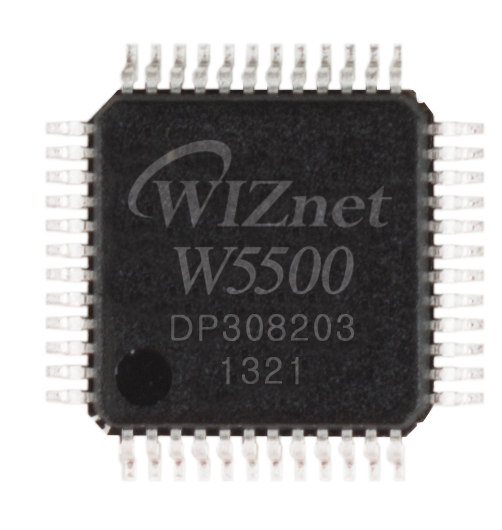
WIZnet - W5500
x 1

사운드는 IoT 시스템에서 중요한 물리적 출력 수단 중 하나이며, 경고, 알림, 상태 표시 등 다양한 역할을 수행합니다. 그러나 일반적인 IoT 디바이스는 센서 중심으로 설계되는 경우가 많고, 사운드 제어는 부가 기능으로 취급되는 경우가 많습니다.
본 프로젝트는 이러한 접근과 달리,
“사운드 자체를 핵심 기능으로 하는 IoT 디바이스”를 구현합니다.
특히 다음과 같은 특징을 가집니다:
- 네트워크 기반 원격 제어
- 실시간 사운드 생성
- 초저자원 MCU 기반 설계
이는 단순한 데모를 넘어, 실제 산업 및 IoT 환경에서 활용 가능한 구조를 제시합니다.
아키텍처
시스템 구성
AVR MCU (ATtiny85 / ATmega328P)
- PWM 기반 사운드 생성 엔진
- 주파수 및 시간 제어 로직
- 네트워크 이벤트 처리
W5500 Ethernet 컨트롤러
- TCP/IP 스택 하드웨어 처리
- HTTP 서버 기능 제공
- DHCP 기반 자동 네트워크 설정
스피커 / 버저
- 디지털 PWM 신호를 실제 음향으로 변환하는 액추에이터
제어 흐름
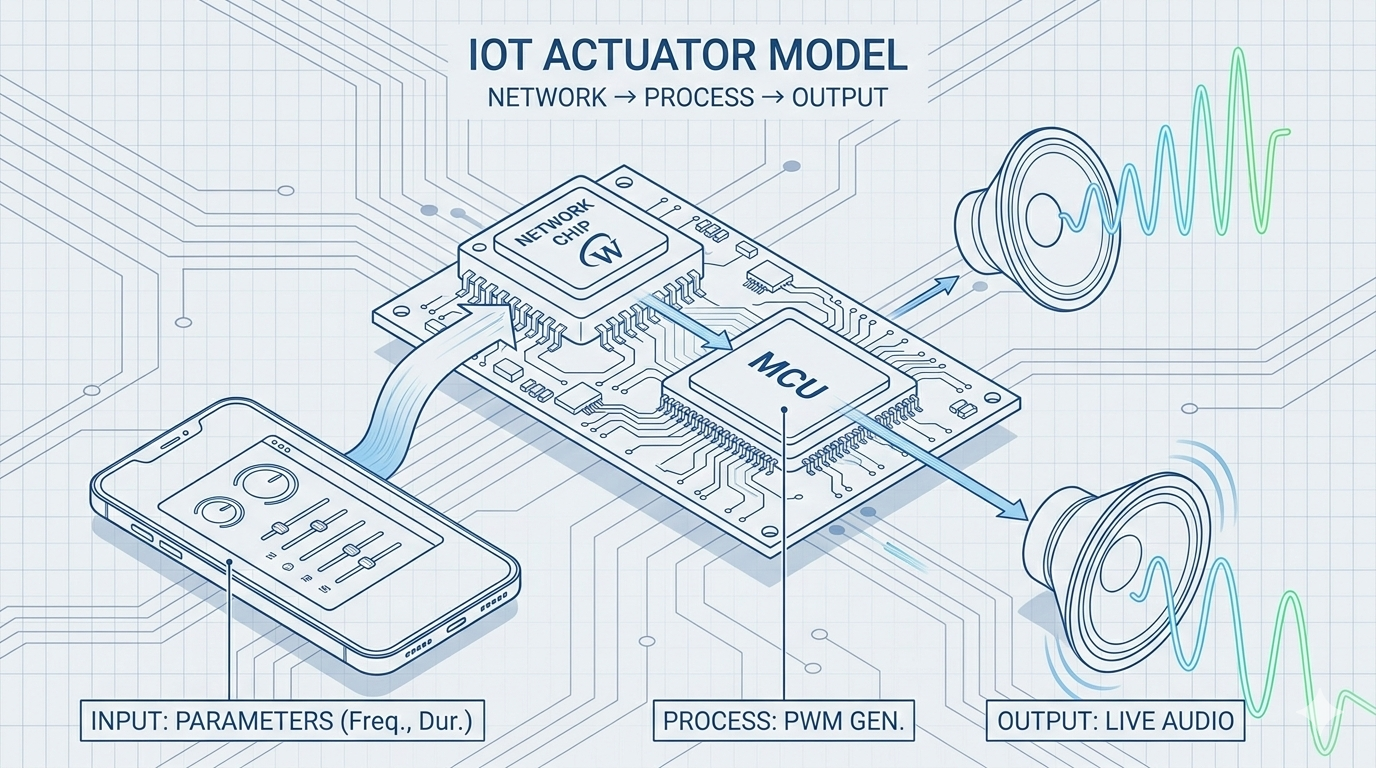
- 사용자 → 웹 브라우저 접속
- HTTP 요청으로 사운드 파라미터 전달 (주파수, 지속시간)
- W5500 → TCP/IP 처리 후 MCU에 전달
- MCU → PWM 신호 생성
- 스피커 → 실시간 사운드 출력
이 구조는 “입력(네트워크) → 처리(MCU) → 출력(사운드)”가 직결된 IoT 액추에이터 모델입니다.
기술 특징
1. 사운드 중심 IoT 아키텍처
센서 중심이 아닌 액추에이터 중심 IoT 구조로, 사운드 출력이 시스템의 핵심 역할을 수행합니다.
2. PWM 기반 실시간 오디오 생성
오디오 데이터를 저장하거나 스트리밍하지 않고,
실시간 신호 생성 방식을 사용하여 메모리 사용을 최소화합니다.
3. 초경량 웹 제어 인터페이스
브라우저만으로 제어가 가능하며, 별도의 앱이나 복잡한 프로토콜이 필요 없습니다.
4. 저전력·저비용 설계
8비트 MCU 기반으로 설계되어 하드웨어 비용과 소비 전력을 최소화할 수 있습니다.
WIZnet Insight
이 프로젝트에서 WIZnet W5500은 사운드 IoT 디바이스를 현실적으로 구현 가능하게 만드는 핵심 요소입니다. TCP/IP 스택을 하드웨어로 처리함으로써 MCU는 네트워크 처리 부담 없이 오디오 신호 생성에 집중할 수 있습니다. 특히 DHCP, TCP 소켓, HTTP 처리까지 안정적으로 지원되기 때문에, 별도의 네트워크 스택 없이도 즉시 IoT 디바이스로 동작합니다. 이는 “사운드 액추에이터 + 네트워크 제어” 구조를 단순하고 신뢰성 있게 구현할 수 있는 기반을 제공합니다.
비즈니스 가치
1. 원격 경고 및 알림 시스템
공장, 설비, 보안 시스템 등에서 이벤트 발생 시 네트워크 기반으로 즉시 경고음을 출력하는 장치로 활용 가능합니다.
2. 스마트 알람 및 인터랙션 디바이스
사용자 입력 또는 서버 이벤트에 따라 다양한 패턴의 소리를 출력하는 인터랙티브 IoT 장치로 확장할 수 있습니다.
3. 산업용 테스트 및 신호 발생기
특정 주파수 신호를 생성하여 장비 테스트나 검증에 활용 가능한 네트워크 제어형 사운드 발생기로 사용 가능합니다.
4. 분산형 IoT 액추에이터 노드
여러 위치에 배치된 장치를 네트워크로 제어하여 중앙 시스템에서 사운드 기반 피드백을 제공하는 구조 구현 가능
FAQ
Q1. 이 장치는 실제 제품 수준으로 확장 가능한가요?
가능합니다. 케이스 설계, 전원 안정화, 멀티 채널 출력 등을 추가하면 상용화도 가능합니다.
Q2. Wi-Fi 대신 Ethernet을 사용하는 이유는 무엇인가요?
안정성, 낮은 지연, 그리고 MCU 리소스 절감 측면에서 Ethernet이 유리합니다.
Q3. 다양한 음향 패턴 구현이 가능한가요?
주파수와 지속 시간 조합을 통해 다양한 패턴 생성이 가능하며, 알고리즘 확장을 통해 더욱 복잡한 신호도 구현할 수 있습니다.
Q4. 여러 장치를 동시에 제어할 수 있나요?
가능합니다. 각 장치가 독립적인 IP를 가지므로 중앙 서버에서 다중 제어가 가능합니다.
Q5. 다른 액추에이터와 결합할 수 있나요?
가능합니다. LED, 진동 모터, 릴레이 등과 결합하여 멀티 피드백 IoT 시스템으로 확장할 수 있습니다.
In most IoT systems, sensors dominate the design, while actuators—especially sound-based ones—are treated as secondary features. This project takes a different approach by positioning sound as the primary function of the device.
The system is designed to intentionally generate controlled audio signals, including potentially disruptive or attention-grabbing tones, which aligns with the name “Nuisance Machine.” Through a simple web interface, users can trigger and manipulate sound output in real time.
This architecture is particularly relevant for:
- Alert and alarm systems
- Interactive IoT devices
- Signal generation and testing tools
Architecture
System Components
AVR MCU (ATtiny85 / ATmega328P)
- PWM-based audio signal generation
- Frequency and timing control logic
- Processing of network-triggered events
W5500 Ethernet Controller
- Hardware TCP/IP stack
- HTTP request handling
- DHCP-based automatic IP configuration
Speaker / Buzzer
- Converts PWM signals into audible sound
Control Flow
- User connects via a web browser
- HTTP request sends sound parameters (frequency, duration)
- W5500 processes TCP/IP and forwards data to MCU
- MCU generates PWM signal based on input
- Speaker outputs sound in real time
This represents a classic IoT actuator model:
Network Input → Embedded Processing → Physical Output (Sound)
Technical Features
1. Sound-Centric IoT Design
Unlike typical sensor-driven systems, this device is built around audio output as the core function, making it a true sound actuator node.
2. PWM-Based Real-Time Audio Generation
Sound is generated dynamically using PWM, avoiding the need for audio storage or streaming. This is highly efficient for low-memory systems.
3. Lightweight Web Control Interface
A minimal HTTP server enables direct control via a browser without requiring dedicated applications or complex protocols.
4. Resource-Efficient Implementation
Designed for 8-bit MCUs, the system minimizes RAM and CPU usage while still delivering real-time responsiveness.
WIZnet Insight
The WIZnet W5500 plays a critical role in enabling this architecture. By offloading the entire TCP/IP stack to hardware, it eliminates the need for a software network stack such as LwIP. This drastically reduces memory footprint and CPU overhead, allowing even an ATtiny-class MCU to support DHCP, TCP connections, and HTTP communication. As a result, the MCU can dedicate its resources to precise PWM-based audio generation. This separation of concerns—networking handled by W5500 and signal generation handled by the MCU—is key to building efficient and scalable IoT actuator devices.
Business Value
1. Remote Alert and Alarm Systems
Can be deployed in industrial or security environments to trigger sound alerts over a network.
2. Interactive Sound IoT Devices
Supports real-time user interaction through sound, suitable for installations, education, or user feedback systems.
3. Network-Controlled Signal Generator
Useful for generating frequency-based test signals in lab or industrial settings.
4. Distributed IoT Actuator Nodes
Multiple devices can be deployed across a network and centrally controlled to produce coordinated sound outputs.
FAQ
Q1. Can PWM provide sufficient audio quality?
It is suitable for tones and signal generation, but not for high-fidelity audio playback.
Q2. Why use Ethernet instead of Wi-Fi?
Ethernet provides stable connectivity, low latency, and significantly reduces MCU resource requirements when used with W5500.
Q3. Can multiple tones be generated simultaneously?
The basic design supports a single PWM output. Multi-tone generation would require additional design complexity.
Q4. Is real-time control achievable?
Yes. Ethernet-based communication enables near-instant response to user input.
Q5. Can this be extended to other actuators?
Yes. The same architecture can control LEDs, motors, relays, or other output devices.