


ESP Eagle 1
An ESP32-Based IoT Platform Combining Arduino Compatibility with Industrial Reliability
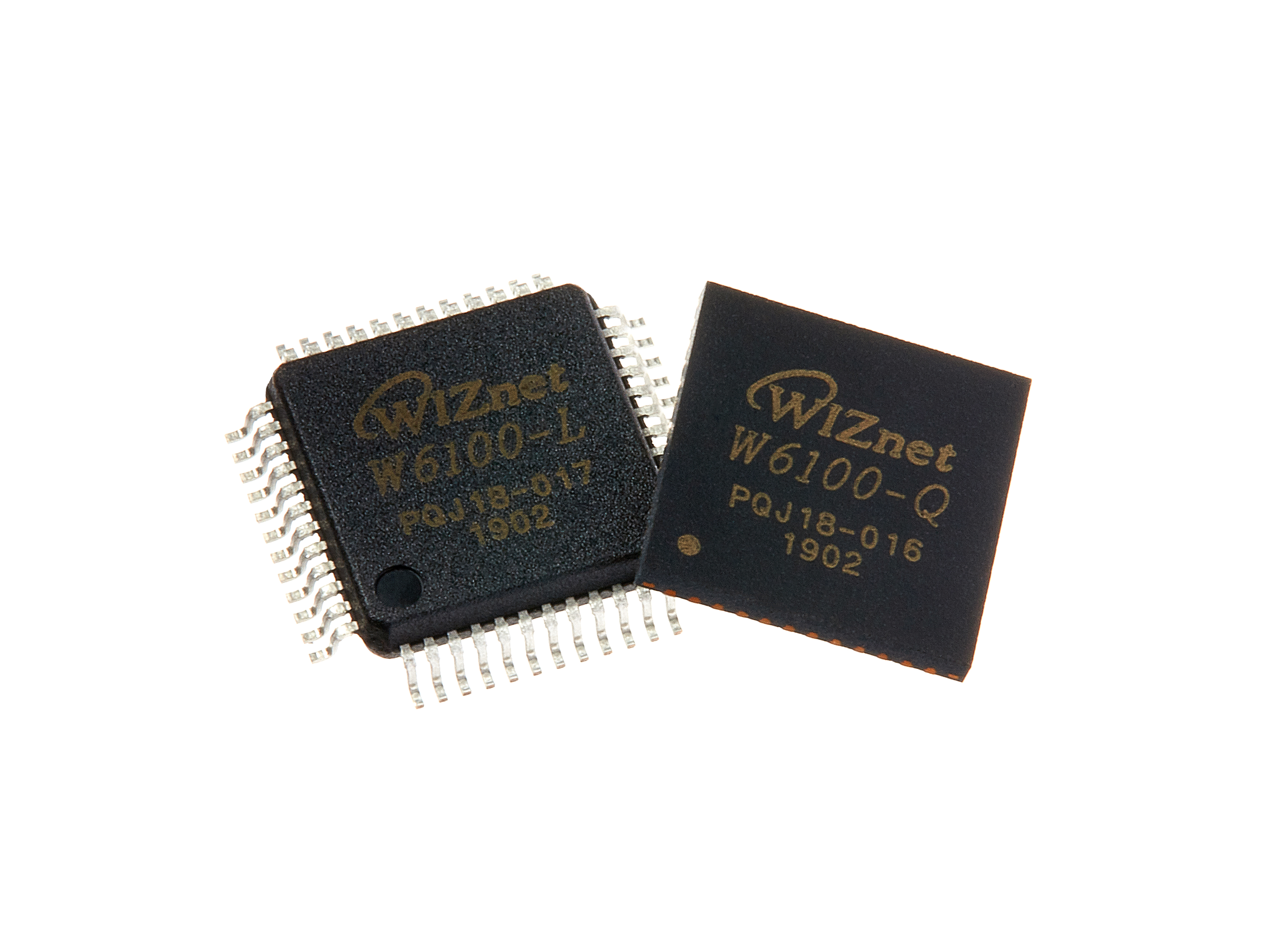
WIZnet - W6100
x 1

Espressif - ESP32
x 1
기존 ESP32 개발 보드는 무선 통신에는 강점이 있으나, Arduino 쉴드와의 물리적 호환성이나 산업 환경에서 요구되는 전원 안정성, 보호 회로 측면에서는 한계가 존재합니다.
ESP Eagle 1은 다음과 같은 문제를 해결하기 위해 설계되었습니다.
- Arduino 생태계의 확장성을 유지하면서 고성능 MCU 적용
- Wi-Fi 중심 구조의 네트워크 한계를 보완할 유선 Ethernet 통합
- 외부 센서 연결 시 필요한 보호 회로 및 노이즈 대응 설계
- 현장 전원 환경을 고려한 12V 입력 대응 구조
결과적으로 본 프로젝트는 Maker 보드가 아닌, 실제 적용을 전제로 한 통합형 IoT 플랫폼을 지향합니다.
2. 시스템 아키텍처 – Wi-Fi와 Ethernet의 이중 네트워크 구조
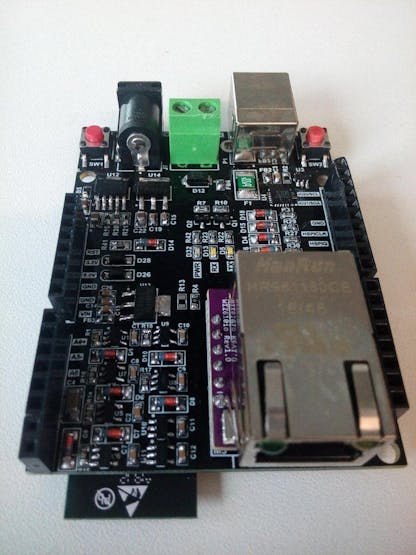
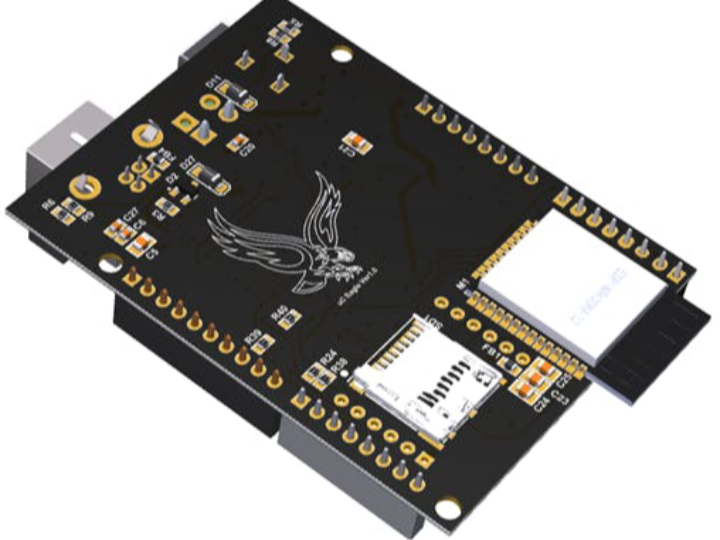
ESP Eagle 1의 중심은 ESP32-WROOM-D 모듈입니다. 이 모듈은 Wi-Fi 및 Bluetooth 기능을 내장하며, 다양한 GPIO와 연산 성능을 제공합니다.
주요 구성 요소
- ESP32-WROOM-D: 메인 MCU
- WIZnet W6100 (Wiz610io 모듈): SPI 기반 Ethernet 컨트롤러
- CP2102N: USB-to-UART 인터페이스
- micro-SD 슬롯: 데이터 로깅 확장
- TPS73801 레귤레이터: 안정적 전원 공급
- 아날로그 입력 보호 회로 (OP192 기반)
데이터 흐름 구조
- 센서 데이터 입력 → ESP32 처리
- 데이터 저장 → micro-SD 기록
- 네트워크 전송
- 무선: Wi-Fi 스택 사용
- 유선: SPI를 통해 W6100으로 전달 → Ethernet 송출
이 구조는 Wi-Fi와 Ethernet을 선택적으로 또는 병행하여 사용할 수 있도록 설계되었습니다.
3. 아키텍처 상세 – 안정성과 확장성을 위한 설계 전략

4층 PCB 설계
4층 구조는 다음과 같은 이점을 제공합니다.
- 전원/그라운드 레이어 분리
- EMI 감소
- 신호 무결성 향상
이는 산업 환경 적용을 고려한 선택으로 해석됩니다.
아날로그 입력 보호 설계
OP192 기반 버퍼 및 보호 회로를 적용하여 다음을 달성합니다.
- 과전압 보호
- 노이즈 감소
- ADC 입력 안정성 향상
전원 설계
- 최대 12V 입력 대응
- USB 전원 사용 가능
- 저발열 레귤레이터 적용
이는 현장 전원 환경 다양성을 고려한 설계입니다.
4. 기술 특징 – 스택 선정의 전략적 이유
ESP32 선택 이유
- Wi-Fi 내장
- 충분한 GPIO
- 듀얼코어 구조로 멀티태스킹 가능
W6100 기반 Ethernet 구조
- SPI 인터페이스
- IPv4/IPv6 지원
- 하드웨어 TCP/IP 스택 내장
Wi-Fi만으로는 확보하기 어려운 안정적인 유선 통신을 제공합니다.
CP2102N 채택
- 드라이버 안정성
- 개발 편의성 확보
5. WIZnet Insight – 하드웨어 오프로딩의 전략적 가치
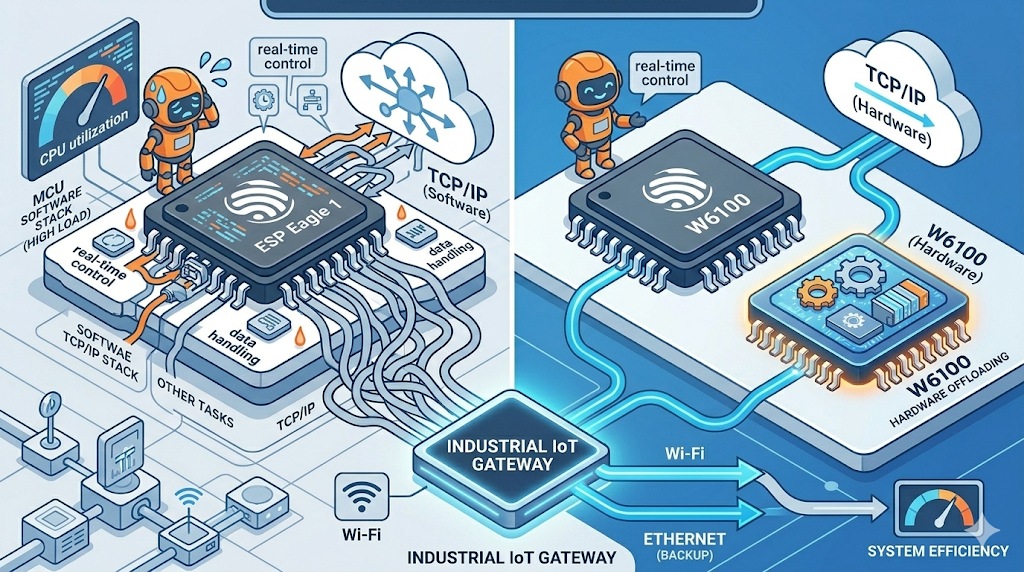
ESP Eagle 1에서 WIZnet W6100의 도입은 단순한 Ethernet 확장이 아닙니다. 핵심은 하드웨어 TCP/IP 오프로딩 구조입니다.
일반적으로 MCU가 소프트웨어 스택으로 TCP/IP를 처리할 경우 다음과 같은 부담이 발생합니다.
- CPU 사용률 증가
- 메모리 점유 확대
- 실시간 제어 태스크 간섭
W6100은 TCP/IP 스택을 하드웨어로 처리합니다. 그 결과:
- MCU 부하 감소
- 네트워크 처리 지연 최소화
- 안정적 패킷 처리
- 산업 환경에서 높은 신뢰성 확보
특히 Wi-Fi와 병행 운용 시, 유선 Ethernet은 백업 채널 또는 고신뢰 통신 경로로 활용 가능합니다. 이는 산업 IoT 게이트웨이 설계에서 중요한 전략적 요소입니다.
6. 비즈니스 가치 – 적용 시나리오
1) 산업 IoT 게이트웨이
- 센서 데이터 수집
- 유선 Ethernet 기반 중앙 서버 전송
- Wi-Fi 백업 경로 구성
2) 데이터 로깅 시스템
- micro-SD 실시간 저장
- 주기적 서버 업로드
- 장애 발생 시 로컬 데이터 보존
3) 스마트 팩토리 인터페이스
- PLC 인접 배치
- 유선 네트워크 안정성 확보
- 실시간 모니터링 시스템 구축
4) 네트워크 이중화 구조
- Wi-Fi + Ethernet 동시 구성
- 장애 복원력 향상
외부 고객 관점에서는 안정성과 확장성이 핵심 가치입니다. 내부 기술 관점에서는 MCU 리소스 최적화 및 네트워크 구조 다변화라는 전략적 인사이트를 제공합니다.
7. 결론 – Maker 보드를 넘어 산업 플랫폼으로
ESP Eagle 1은 단순 ESP32 개발 보드가 아닙니다. Arduino 호환성, Ethernet 확장성, 보호 회로, 4층 PCB 설계를 통해 산업 적용을 염두에 둔 통합 IoT 플랫폼으로 설계되었습니다.
특히 WIZnet W6100 기반 하드웨어 TCP/IP 오프로딩은 시스템 안정성과 확장성을 동시에 확보하는 핵심 요소입니다. 이는 무선 중심 IoT 설계를 유선 통신 기반의 산업 영역으로 확장하는 실질적인 전략이라 할 수 있습니다.
FAQ
Q1. ESP Eagle 1은 기존 Arduino 쉴드와 완전히 호환됩니까?
Arduino UNO 폼팩터를 채택하여 대부분의 표준 쉴드와 물리적 호환이 가능합니다. 단, 전압 및 핀맵 검증은 필요합니다.
Q2. Wi-Fi와 Ethernet을 동시에 사용할 수 있습니까?
구조적으로 병행 운용이 가능하며, 용도에 따라 주/보조 채널 구성도 가능합니다.
Q3. W6100을 선택한 이유는 무엇입니까?
하드웨어 TCP/IP 오프로딩, IPv6 지원, MCU 부하 감소라는 기술적 이점 때문입니다.
Q4. 산업 환경에서 사용이 가능합니까?
4층 PCB 설계, 보호 회로, 유선 Ethernet 통신 구조를 고려할 때 산업 적용을 염두에 둔 설계로 평가됩니다. 단, 인증 여부는 별도 검토가 필요합니다.
Q5. Ethernet 모듈은 필수입니까?
Wiz610io 모듈은 선택적으로 실장 가능하여 프로젝트 요구에 따라 구성할 수 있습니다.
Conventional ESP32 development boards are strong in wireless connectivity but often lack:
- Physical compatibility with Arduino shields
- Robust power and protection design for field environments
- Integrated wired networking for stable industrial communication
ESP Eagle 1 addresses these limitations by:
- Maintaining Arduino ecosystem compatibility
- Integrating Ethernet alongside Wi-Fi
- Adding input protection and analog buffering
- Supporting up to 12V power input for flexible deployment
The result is not merely a maker-oriented board, but a hardware platform designed with practical IoT applications in mind.
2. System Architecture – Dual-Network Design with Wi-Fi and Ethernet
At the core of ESP Eagle 1 is the ESP32-WROOM-D module, providing Wi-Fi, Bluetooth, and substantial processing capability.
Key Components
- ESP32-WROOM-D – Main MCU
- WIZnet W6100 (Wiz610io module) – SPI-based Ethernet controller
- CP2102N – USB-to-UART bridge
- Micro-SD slot – Local data logging
- TPS73801 regulator – Stable voltage regulation
- Analog protection circuit (OP192-based) – Input buffering and protection
Data Flow
- Sensor data acquisition → processed by ESP32
- Optional storage → written to micro-SD
- Network transmission:
- Wireless path via Wi-Fi stack
- Wired path via SPI interface to W6100 → Ethernet transmission
This architecture allows selective or parallel operation of Wi-Fi and Ethernet, enabling redundancy or role-based communication design.
3. Hardware Design Strategy – Stability and Expandability
4-Layer PCB Design
The 4-layer PCB structure provides:
- Dedicated power and ground planes
- Reduced EMI
- Improved signal integrity
This is a deliberate choice for enhanced reliability in industrial environments.
Analog Input Protection
The OP192-based buffer and protection stage provides:
- Over-voltage protection
- Noise reduction
- Stable ADC input conditioning
Power Architecture
- Supports up to 12V input
- USB power capable
- Low-dropout regulator implementation
This ensures flexibility across various deployment scenarios.
4. Technical Highlights – Rationale Behind Component Selection
Why ESP32?
- Integrated Wi-Fi
- Rich GPIO resources
- Dual-core architecture for multitasking
Why W6100 for Ethernet?
- SPI interface compatibility
- IPv4/IPv6 support
- Hardware TCP/IP stack
It delivers stable wired communication that complements Wi-Fi in industrial networks.
USB Interface: CP2102N
- Proven driver stability
- Simplified firmware development and debugging
5. WIZnet Insight – Strategic Value of Hardware TCP/IP Offloading
The integration of the WIZnet W6100 is not merely about adding Ethernet connectivity. The key differentiator is hardware TCP/IP offloading.
When TCP/IP processing is handled purely by software:
- MCU load increases
- Memory consumption rises
- Real-time control tasks may be impacted
With W6100:
- TCP/IP stack is processed in hardware
- MCU workload is reduced
- Deterministic network behavior improves
- Packet handling becomes more stable
In dual-network scenarios, Ethernet can serve as a high-reliability primary link, while Wi-Fi acts as a secondary or backup channel. This architecture significantly enhances system robustness in industrial IoT deployments.
6. Business Value – Practical Application Scenarios
1) Industrial IoT Gateway
- Sensor aggregation
- Wired Ethernet transmission to central server
- Optional Wi-Fi redundancy
2) Data Logging System
- Local micro-SD storage
- Scheduled server uploads
- Data retention during network failure
3) Smart Factory Interface Node
- Deployment near PLC systems
- Reliable wired communication
- Real-time monitoring support
4) Network Redundancy Architecture
- Parallel Wi-Fi and Ethernet configuration
- Improved fault tolerance
From a customer perspective, the primary value lies in stability and scalability. From an engineering standpoint, the benefit is efficient MCU resource utilization and flexible network architecture.
7. Conclusion – From Development Board to Industrial IoT Platform
ESP Eagle 1 goes beyond a typical ESP32 development board. By combining Arduino compatibility, Ethernet expansion, protection circuitry, and a 4-layer PCB design, it targets practical IoT deployments.
The integration of the WIZnet W6100 with hardware TCP/IP offloading is a critical architectural decision that improves stability and reduces system overhead. This approach bridges wireless-centric IoT design with wired industrial networking, enabling scalable and reliable deployment.
FAQ
Q1. Is ESP Eagle 1 fully compatible with Arduino shields?
It follows the Arduino UNO form factor, allowing compatibility with most standard shields. Electrical validation is recommended depending on the shield used.
Q2. Can Wi-Fi and Ethernet operate simultaneously?
Yes. The architecture supports parallel or role-based operation.
Q3. Why was the W6100 selected?
Because of hardware TCP/IP offloading, IPv6 support, and reduced MCU load.
Q4. Is it suitable for industrial environments?
The 4-layer PCB, protection circuits, and wired Ethernet design indicate industrial-oriented design considerations. Formal certifications should be verified separately.
Q5. Is the Ethernet module mandatory?
The Wiz610io module is optional and can be populated depending on application requirements.
-
Schematics
