



Arduino Nano-Based, Stable Wired I/O Solution: W5500 Ethernet MQTT 8-Channel Opto-Isolated I/O Board
Arduino Nano-Based, Stable Wired I/O Solution: W5500 Ethernet MQTT 8-Channel Opto-Isolated I/O Board Introduction
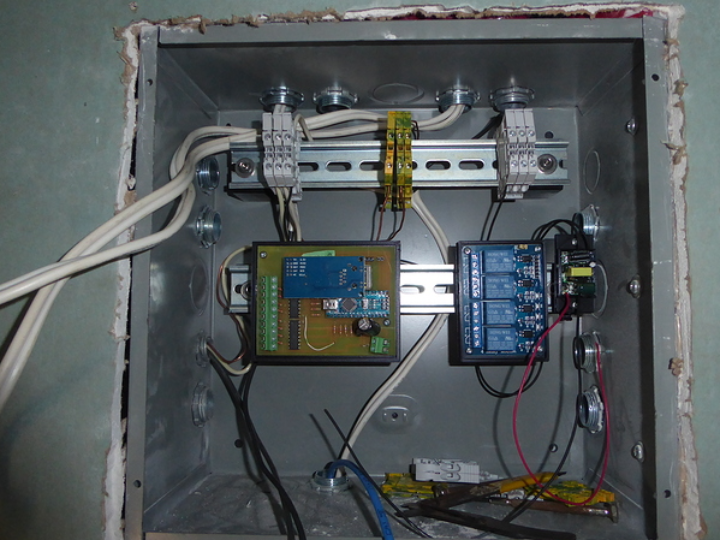
Home Automation 시스템을 구축할 때, 센서와 액추에이터를 제어하는 안정적인 입출력(I/O) 장치는 핵심 요소입니다. 와이파이(Wi-Fi) 기반 솔루션이 보편적이지만, 핵심적인 제어부에서는 유선 연결의 신뢰성이 여전히 중요합니다.
여기, Home Assistant 커뮤니티에서 공유된 "Arduino Nano W5500 Ethernet MQTT 기반 8채널 광절연 I/O 보드" 프로젝트는 이러한 요구를 충족시키기 위해 설계된 견고한 솔루션입니다.
1. 프로젝트의 배경 및 목적
이 프로젝트는 제작자(AaronCake)가 기존 시중 제품들이 '이더넷 연결', 'MQTT 지원', '사용자 정의 펌웨어 실행'이라는 세 가지 핵심 요구 사항을 모두 만족시키지 못한다는 점에 착안하여 직접 PCB를 설계한 데서 출발했습니다.

결과적으로 이 보드는 Home Assistant 설치에서 안정적인 I/O를 제공하여, 실내의 모든 기본 스위치와 릴레이 제어를 담당하는 마스터 제어 보드 역할을 수행합니다.
2. 핵심 하드웨어 구성
이 보드의 설계는 단순성과 신뢰성에 중점을 둡니다.

- 메인 컨트롤러: Arduino Nano를 사용하여 광범위한 접근성과 검증된 환경을 활용합니다.
- 네트워크: 소형 W5500 이더넷 모듈을 플러그인 할 수 있는 소켓을 제공하여 안정적인 유선 네트워크 통신을 구현합니다.
- 전원: 옵션으로 7805 선형 레귤레이터를 위한 공간이 있어, 5V 이외의 전압으로도 보드에 전원을 공급할 수 있습니다.
3. 강력한 I/O 기능: 광절연의 장점
이 보드의 가장 큰 특징은 입출력 단자의 설계에 있습니다.

A. 8채널 광절연 입력 (Opto-Isolated Inputs)
- 용도: 버튼, 스위치, 도어 접점, 동작 감지 센서 등 다양한 On/Off 입력 소스에 연결됩니다.
- 핵심 이점: 광절연 (Opto-Isolation)
- 입력 신호와 보드의 제어 회로 사이에 **광학적 격리(1000V)**를 제공합니다.
- 외부 노이즈나 서지로부터 마이크로컨트롤러를 보호하여, 오작동(Ghost Switching) 없이 극도로 높은 신뢰성을 보장합니다.
B. 8채널 디지털 출력 (Digital Outputs)
- 용도: 릴레이 구동을 포함한 다양한 제어 장치에 연결됩니다. 일부 핀은 PWM(Pulse Width Modulation) 출력을 지원합니다.
4. 펌웨어의 핵심 기능 (MQTT 기반)
펌웨어는 C/C++로 작성되었으며, ATmega328의 제한된 메모리를 극복하기 위해 PROGMEM 사용 등 광범위한 메모리 최적화가 이루어졌습니다.

| 기능 | 설명 |
|---|---|
| MQTT 통신 | 모든 입력 상태 보고 및 출력 제어는 MQTT 프로토콜을 통해 이루어지며, Home Assistant와 완벽하게 통합됩니다. |
| 버튼 지속 시간 감지 | 50ms마다 입력을 확인하고, 버튼이 눌린 **시간(Hold Time)**을 감지하여 MQTT로 보고합니다. 이를 통해 '짧게 누름', '길게 누름' 등 복합적인 버튼 액션을 구현할 수 있습니다. |
| 시스템 모니터링 | 주기적인 Heartbeat 신호를 MQTT로 발행하여, IP 주소, 펌웨어 버전, 잔여 메모리, 업타임 정보(제작자는 280+일의 무중단 가동을 보고) 등을 원격으로 보고합니다. |
| 자동 복구 | Watchdog Timer(WDT)를 사용하여 펌웨어 오류 시 자동으로 재부팅하여 시스템 안정성을 유지합니다. |
5. 한계점과 후속 개발
이 보드는 높은 신뢰성을 입증했으나, Arduino Nano(ATmega328)의 제한적인 RAM 용량이라는 근본적인 한계에 직면했습니다. DHT 센서나 RFID 리더기와 같은 추가 장치를 연결할 경우 메모리 부족 문제가 발생했습니다.
이 때문에 제작자는 후속 프로젝트로 더 많은 메모리(RAM 및 플래시)와 PoE, OTA 기능을 갖춘 Atmega1284 기반의 W5100이 포함된 새로운 보드를 설계했습니다.

🌟 WIZnet 칩셋이 Home Assistant 커뮤니티에 필요한 이유
이 프로젝트의 핵심인 W5500 이더넷 모듈은 Home Assistant(HA) 커뮤니티가 추구하는 가치, 즉 신뢰성과 로컬 제어에 완벽하게 부합합니다.
- 흔들림 없는 제어를 위한 '유선 표준' 제공: HA 사용자들은 Wi-Fi 간섭이나 연결 불안정으로부터 자유로운 유선 연결의 안정성을 가장 중요하게 여깁니다. WIZnet의 W5500과 같은 하드웨어 TCP/IP 칩은 미션 크리티컬한 제어(조명, 냉난방 등)에서 끊김 없는 통신을 보장하는 사실상의 표준 솔루션(De facto standard)입니다.
- 저사양 MCU의 한계 극복: 이 프로젝트의 한계점에서도 나타났듯이, ATmega328과 같은 MCU는 TCP/IP 스택 처리와 여러 센서 통합 시 메모리 부족 문제에 직면합니다. WIZnet 칩셋은 복잡한 네트워크 스택 처리를 **하드웨어적으로 오프로드(Offload)**하여, MCU의 RAM과 처리 능력을 대폭 절약함으로써 더 많은 기능과 센서를 통합할 수 있도록 지원합니다.
- HA DIY 생태계 확장: WIZnet은 안정적인 기반을 제공함으로써, 메이커들이 MQTT를 활용한 **'유선 I/O 컨트롤러'**를 쉽게 구축하고 HA에 통합하는 것을 촉진합니다. 이는 WIZnet 제품을 HA 커뮤니티에서 **'안정적이고 유연한 유선 IoT'**의 상징으로 자리매김하게 하는 핵심 동력이 됩니다.
| 필요성 내용 | WIZnet의 강점 강조 |
|---|---|
DIY 시장 선점 HA 커뮤니티는 활발한 DIY 및 메이커 활동의 중심지입니다. 이곳에 레퍼런스 디자인을 제공하면 W5500/W5100S 칩을 유선 IoT 솔루션의 표준으로 빠르게 자리매김할 수 있습니다. | WIZnet 칩 기반의 완성형 HA 프로젝트 예시 제공 (예: 릴레이 보드, 유선 센서 허브) |
저사양 MCU의 한계 극복 ATmega328p와 같은 저사양 MCU는 복잡한 TCP/IP 스택을 처리할 메모리가 부족합니다. HA 통합 시 메모리 부족으로 기능 확장이 어렵습니다. | 하드웨어 TCP/IP 기술이 MCU 메모리(RAM/Flash)를 얼마나 절약해주는지 구체적인 데이터를 통해 보여주는 콘텐츠 제공. |
표준 프로토콜 연동 HA는 MQTT를 통해 외부 장치와 통신합니다. WIZnet 칩은 MQTT 구현에 필수적인 안정적인 물리 계층을 제공합니다. | MQTT 브로커 및 HA 통합 설정 튜토리얼을 상세히 제작하여 사용자가 쉽게 연동할 수 있도록 지원. |
차별화된 포지셔닝 수많은 Wi-Fi 모듈 사이에서 WIZnet은 "가장 안정적인 유선 IoT"라는 명확한 아이덴티티를 구축할 수 있습니다. | "Wi-Fi보다 더 안정적인 HA를 위한 선택"이라는 메시지를 지속적으로 강조. |
이 프로젝트는 상업적인 솔루션이 충족시키지 못한 신뢰성, 유연성, 커스터마이징 가능성을 모두 갖춘 유선 I/O 솔루션의 훌륭한 예시입니다. 특히 광절연 입력과 WIZnet 칩셋의 결합은 노이즈에 강하고 안정적인 스위치/센서 인터페이스를 구축하려는 메이커들에게 좋은 영감을 제공합니다.
💡 Arduino Nano-Based, Stable Wired I/O Solution: W5500 Ethernet MQTT 8-Channel Opto-Isolated I/O Board Introduction
When building a Home Automation (HA) system, a stable input/output (I/O) device for controlling sensors and actuators is a core component. While Wi-Fi-based solutions are common, the reliability of a wired connection remains critical for core control units.
The "Arduino Nano W5500 Ethernet MQTT Based 8 Channel Opto-Isolated I/O Board" project, shared in the Home Assistant community, is a robust solution designed to meet this demand.
1. Project Background and Objective
The creator (AaronCake) designed this custom PCB because existing commercial products failed to meet all three key requirements: 'Ethernet connectivity', 'MQTT support', and 'the ability to run custom firmware'.
Ultimately, this board provides stable I/O for a Home Assistant installation, acting as a master control unit that handles all basic switches and relay controls within a room.
2. Core Hardware Configuration
The board's design focuses on simplicity and reliability.
- Main Controller: Uses the Arduino Nano, leveraging its wide accessibility and proven environment.
- Networking: Provides a socket to plug in a small W5500 Ethernet Module, implementing stable wired network communication.
- Power: Includes a section for an optional 7805 linear regulator, allowing the board to be powered from a non-5V source.
3. Powerful I/O Features: The Advantage of Opto-Isolation
The most distinctive feature of this board is the design of its input and output terminals.
A. 8-Channel Opto-Isolated Inputs
- Purpose: Connects to various On/Off input sources such as buttons, switches, door contacts, motion sensors, etc.
- Key Benefit: Opto-Isolation
- Provides optical isolation (1000V) between the input signal and the board's control circuit.
- Protects the microcontroller from external noise and surges, ensuring extremely high reliability without "Ghost Switching."
B. 8-Channel Digital Outputs
- Purpose: Connects to various control devices, including driving relays. Some pins support PWM (Pulse Width Modulation) output.
4. Firmware Core Functions (MQTT Based)
The firmware is written in C/C++ and includes extensive memory optimization, such as using PROGMEM, to overcome the limited memory of the ATmega328.
Feature | Description |
|---|---|
MQTT Communication | All input status reporting and output control are done via the MQTT protocol, integrating perfectly with Home Assistant. |
Button Hold Time Detection | Checks inputs every 50ms and detects the duration (Hold Time) a button is pressed, reporting it via MQTT. This allows for complex button actions like 'short press' vs. 'long press'. |
System Monitoring | Publishes a periodic Heartbeat signal via MQTT, reporting telemetry data such as IP address, firmware version, free memory, and uptime (the creator reported 280+ days of uninterrupted operation). |
Automatic Recovery | Uses a Watchdog Timer (WDT) to automatically reboot the processor upon firmware error, maintaining system stability. |
5. Limitations and Subsequent Development
While the board proved highly reliable, it encountered a fundamental limitation: the restricted RAM capacity of the Arduino Nano (ATmega328). Adding other sensors, such as DHT sensors or RFID readers, quickly led to memory depletion.
To overcome this, the creator designed a subsequent project: a new board based on the Atmega1284, featuring expanded memory (RAM and Flash), PoE, and OTA capabilities.
🌟 Why WIZnet Chipsets are Essential for the Home Assistant Community
The W5500 Ethernet module, which is central to this project, aligns perfectly with the core values sought by the Home Assistant (HA) community: reliability and local control.
- Providing the 'Wired Standard' for Unwavering Control: HA users prioritize the stability of a wired connection, free from Wi-Fi interference and instability. Hardware TCP/IP chips like WIZnet's W5500 ensure uninterrupted communication for mission-critical controls (lighting, HVAC, etc.), making them the de facto standard solution.
- Overcoming Low-Spec MCU Limitations: As highlighted by the project's limitations, MCUs like the ATmega328 struggle with TCP/IP stack processing and sensor integration due to memory constraints. WIZnet chipsets offload complex network stack processing in hardware, significantly conserving the MCU's RAM and processing power, thereby enabling the integration of more features and sensors.
- Expanding the HA DIY Ecosystem: WIZnet provides the stable foundation that encourages makers to easily build 'Wired I/O Controllers' using MQTT and integrate them into HA. This momentum establishes WIZnet products as a symbol of 'stable and flexible wired IoT' within the HA community.
Rationale | Emphasized Strength of WIZnet |
|---|---|
DIY Market Penetration The HA community is a hub for active DIY and maker projects. Providing reference designs helps establish the W5500/W5100S as the standard for wired IoT solutions. | Provide complete HA project examples based on WIZnet chips (e.g., relay boards, wired sensor hubs). |
Overcoming Low-Spec MCU Limits Low-spec MCUs like the ATmega328p lack the memory to handle complex TCP/IP stacks. HA integration often hits a memory wall, limiting feature expansion. | Offer content demonstrating with concrete data how Hardware TCP/IP technology saves significant MCU resources (RAM/Flash). |
Standard Protocol Interoperability HA relies on MQTT for device communication. WIZnet chips provide the stable physical layer essential for robust MQTT implementation. | Create detailed MQTT broker and HA integration setup tutorials to lower the barrier to entry for users. |
Differentiated Positioning Among a sea of Wi-Fi modules, WIZnet can establish a clear identity as "The Most Reliable Wired IoT". | Continuously emphasize the message: "The choice for a more reliable HA than Wi-Fi." |
This project is a prime example of a wired I/O solution that offers the reliability, flexibility, and customizability often missing in commercial products. The combination of opto-isolated inputs and the WIZnet chipset provides excellent inspiration for makers looking to build noise-immune and stable switch/sensor interfaces.