Ethernet History: Innovation Legend at Xerox PARC
This text introduces Ethernet's PARC origin, speed‑upgrade evolution and basic protocol features.
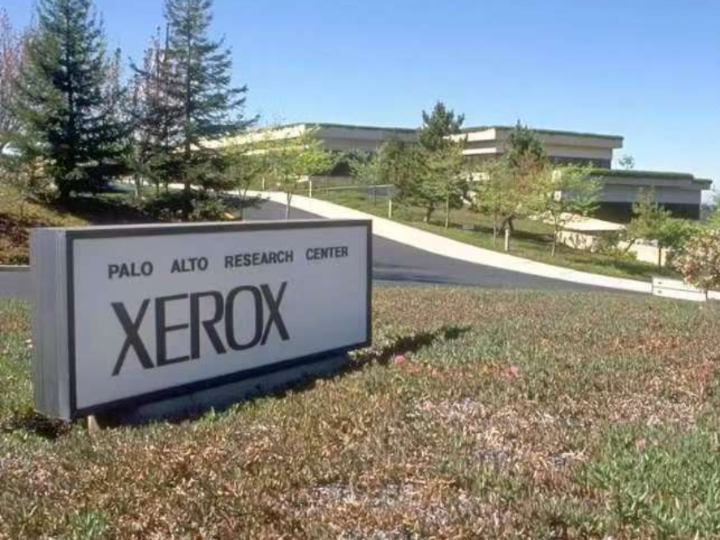
History of Ethernet Ethernet was created in the early 1970s at Xerox Palo Alto Research Center (PARC) by a team including David Boggs and Robert Metcalfe. In 1983, the Institute of Electrical and Electronics Engineers (IEEE) approved it as a new communication standard.
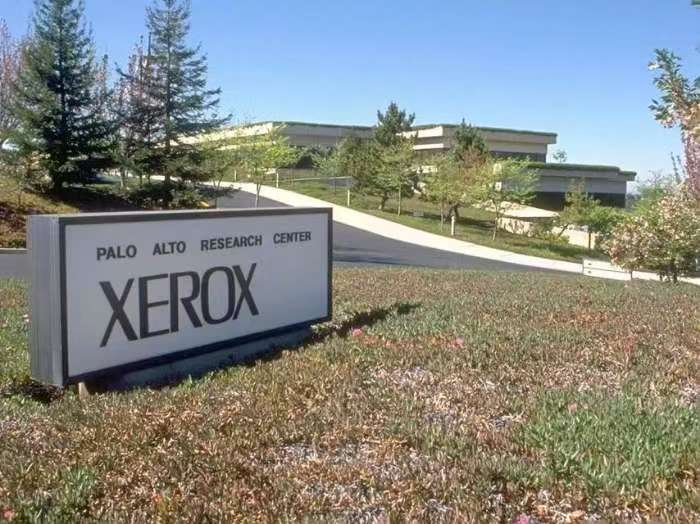
Xerox PARC is an American technology research and development institute founded in 1970 and located in Palo Alto, California.
On January 4, 2002, Xerox PARC became an independent subsidiary, PARC Inc. It is the birthplace of many modern‑day computer technologies. Its innovative research outputs include: the Xerox Alto personal computer, laser printer, mouse, Ethernet; graphical user interface, Smalltalk, Interpress page‑description language (precursor of PostScript), icons, drop‑down menus, WYSIWYG text editors, speech compression and more.
David Boggs and Robert Metcalfe
David Boggs debugging an Alto Ethernet network card
In late 1972, Robert Metcalfe and his Xerox PARC colleagues developed the first experimental Ethernet system to interconnect Xerox Alto personal workstations with graphical user interfaces. The experimental Ethernet connected Altos to one another, as well as to servers and laser printers. The signal clock for the experimental Ethernet interface was derived from the Alto’s system clock, resulting in a data transfer rate of 2.94 Mbps. Robert Metcalfe’s first experimental network was called the Alto Aloha Network.
Xerox Alto workstation from the 1970s
Experimental Ethernet system (Alto Aloha Network). Communication speed was 2.94 Mbps. Special coaxial cable reached up to 2.5 km (with repeaters every 500 meters). Up to 256 computers could attach to the cable via transceivers. These machines connected to a central multi‑drop cable operating at 2.94 Mb/s.
In 1973, Robert Metcalfe proposed the concept of Ethernet in an internal Xerox PARC document, marking the beginning of Ethernet development. In this document, he renamed the experimental Alto Aloha Network to “Ethernet”, to emphasize that the system could support any kind of computer and that his new network mechanism extended well beyond the original Aloha system. He derived the name from the word “ether”, describing how the physical medium (cable) delivers data bits to all stations, analogous to the old concept of “luminiferous ether” once thought to carry electromagnetic waves through space. In 1976, Robert Metcalfe and his assistant David Boggs formally published their paper: Ethernet: Distributed Packet‑Switching for Local Computer Networks.
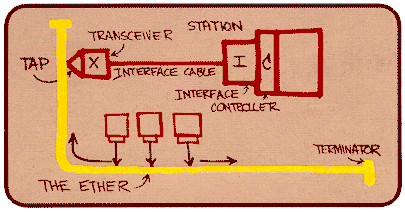
Sketch of Ethernet operation drawn by Robert Metcalfe in 1976, presented at the National Computer Conference in June of that year.
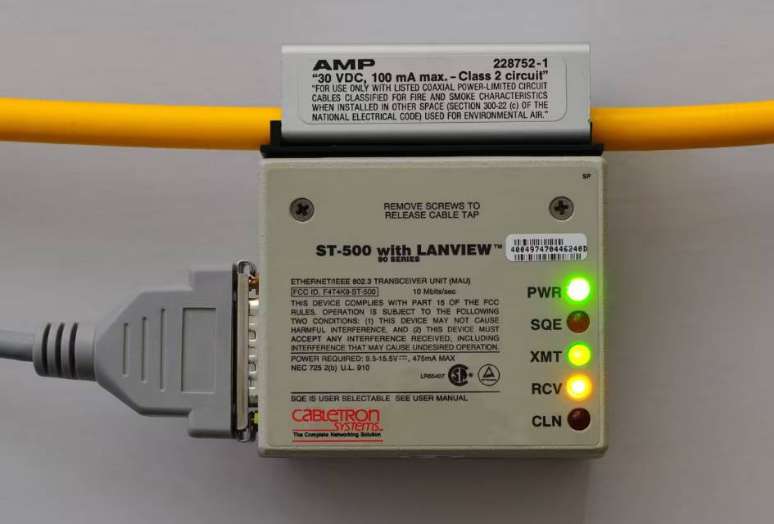
In 1982, Xerox partnered with DEC and Intel to form the DIX consortium. They jointly released the Ethernet Version 2 (EV2) specification and brought it to market for widespread use. EV2 corresponds to the IEEE‑recognized 10BASE‑5, which used thick coaxial cable as physical medium, maximum reach of 500 meters and 10 Mbps data rate. Ethernet achieved great market success. By December 1978, Intel and Xerox agreed on the general‑purpose 10 Mb/s DIX Ethernet standard, which became IEEE 802.3 in 1983.
In 1995, IEEE released the Fast‑Ethernet standard supporting up to 100 Mbps. Compared with legacy 10 Mbps Ethernet, Fast‑Ethernet delivered significant speed and performance improvements while preserving Ethernet compatibility and stability.
In 2002, IEEE introduced the Gigabit‑Ethernet standard IEEE 802.3ab for 1 Gbps transmission. Gigabit Ethernet can use optical fiber or Category‑5 (and higher) twisted‑pair cables as transmission media.
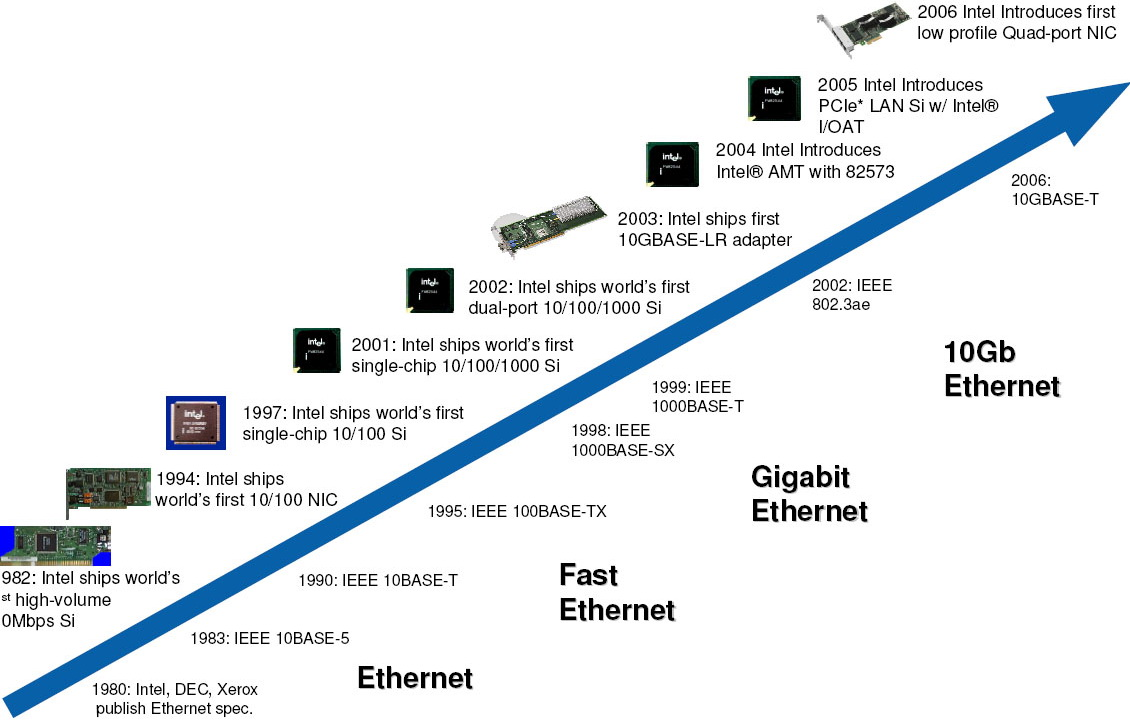
As technology advanced, IEEE published the 10‑Gigabit Ethernet standard IEEE 802.3ae in 2009 for 10 Gbps rates. It is today’s mainstream Ethernet standard, mostly deployed over optical‑fiber media.
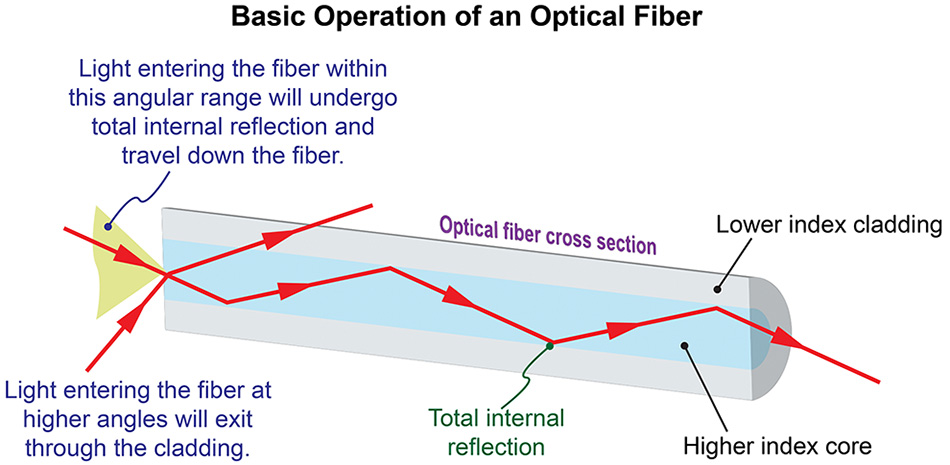
Optical fiber (fibre‑optic cable) is thin glass or plastic filament that communicates using the principle of total internal reflection of light.
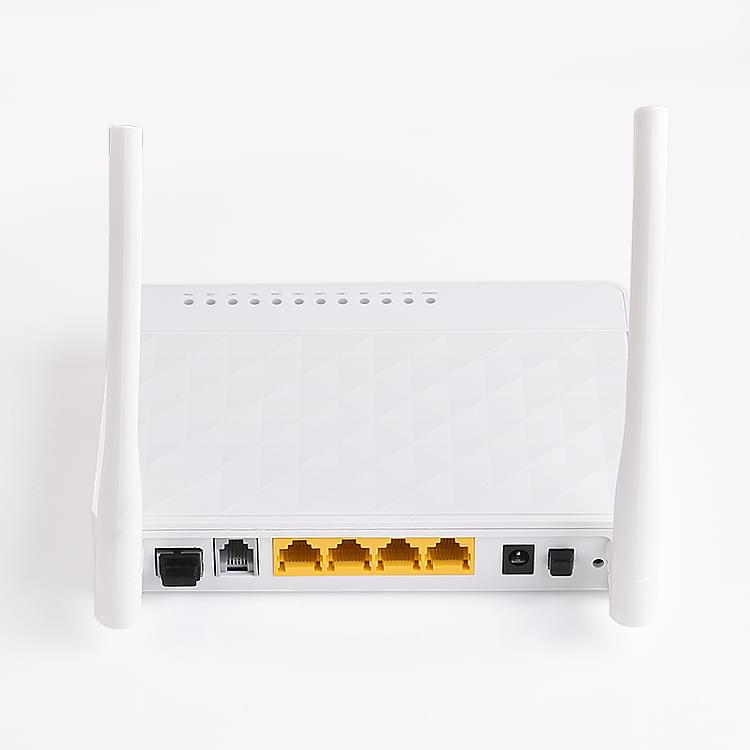
An optical network terminal (ONT / optical modem) converts optical‑fiber signals into electrical signals so end‑user devices can access the internet via conventional twisted‑pair cables such as RJ45 interfaces.
Brief Introduction to Ethernet Protocol Before Wi‑Fi became widespread, Ethernet was the primary way to interconnect devices. By running Ethernet cables within local‑area networks (LAN) or wide‑area networks (WAN), data can be exchanged between different Ethernet‑capable devices.
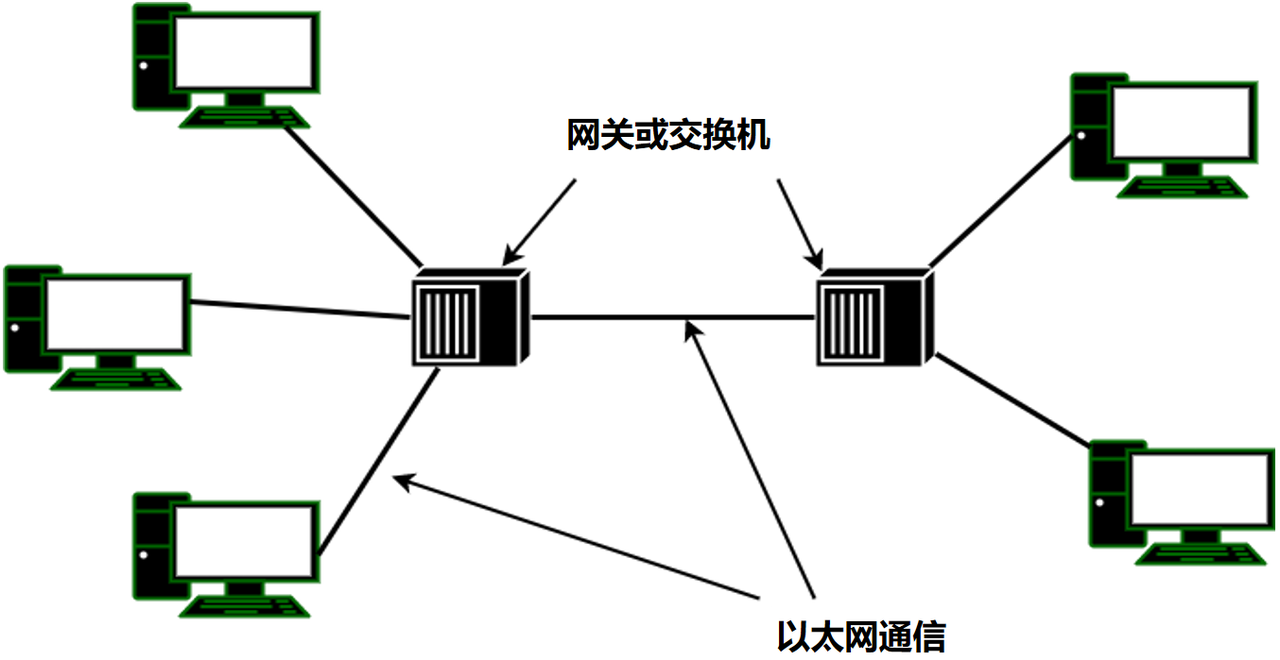
In home environments, the typical Ethernet setup works as follows: an optical modem connects via fiber‑optic line to the ISP (Internet Service Provider). The optical modem connects to a home router or switch with network cables (usually RJ45). Other devices such as PCs, smart‑TVs and game consoles connect to this router or switch (wired or wireless) for internet access.
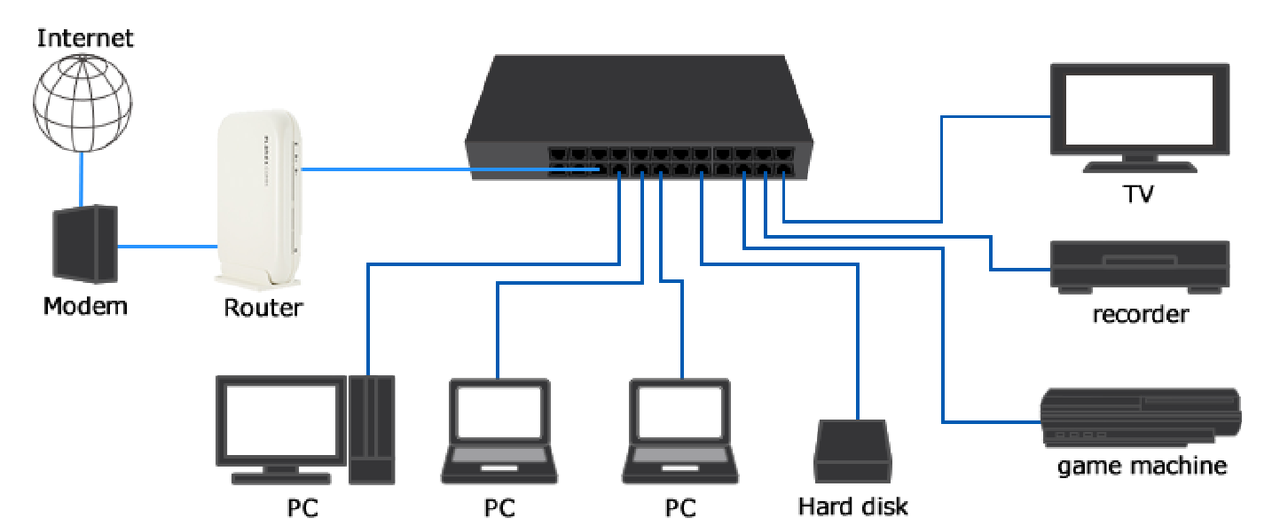
Common home network connection scheme
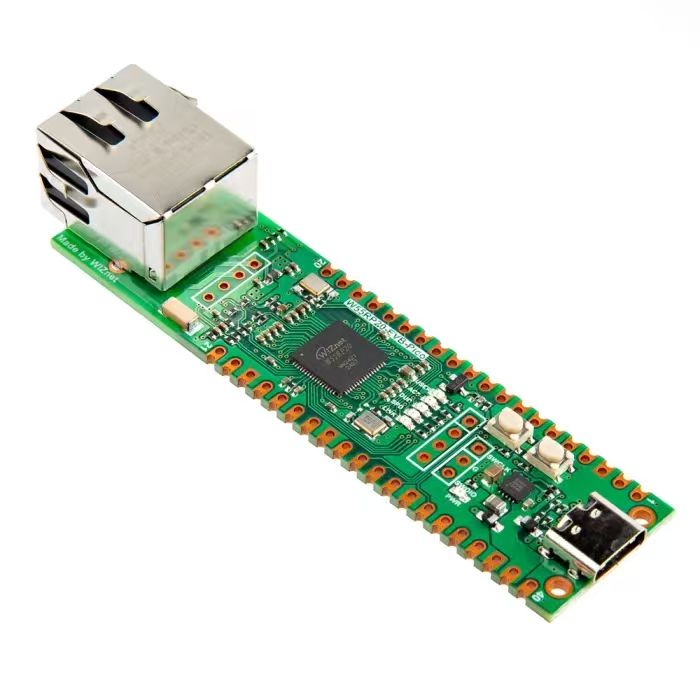
Multiple devices can connect directly via network cables or plug into a shared Ethernet hub or switch. The figure shows an RJ45 connector used for Ethernet. Ethernet uses twisted‑pair copper cables as physical transmission medium and employs differential signalling to improve noise immunity.
Ethernet is a widely‑used wired‑LAN technology and forms the foundation of the IEEE 802.3 standards family. Its basic operating principle: data is transmitted between multiple network nodes over cables or fiber links. Each node has a unique MAC (Media Access Control) address, a 48‑bit identifier normally written in hexadecimal notation, for example 00:11:22:33:44:55.
Main features of Ethernet: Physical‑layer technology: Bus‑topology architecture CSMA/CD (Carrier‑Sense Multiple Access with Collision Detection) media‑access‑control mechanism Supports 10 Mbps, 100 Mbps, 1000 Mbps and other transmission rates Data‑link‑layer protocol: Defines Ethernet frame format and data‑encapsulation rules Implements MAC‑address addressing and error‑detection functions Network‑interconnection hardware: Ethernet switches for network‑level interconnection Network‑interface cards (NIC) to attach hosts to Ethernet Application scenarios: Suitable for small‑to‑medium‑size local‑network environments Widely deployed in enterprise, campus and home networks Evolution timeline: Original 10 Mbps Ethernet Later 100 Mbps Fast Ethernet Today’s mainstream 1000 Mbps Gigabit Ethernet
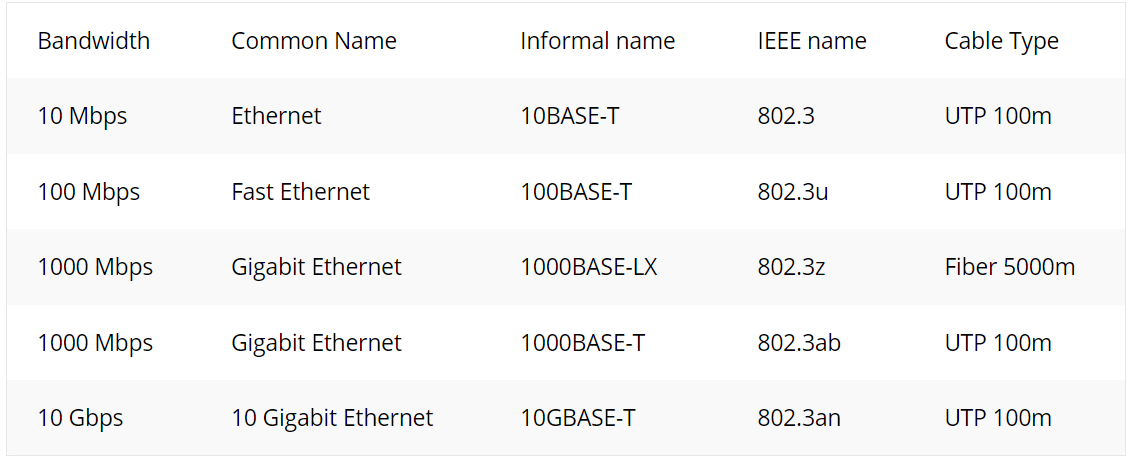
Below is a summary table listing different Ethernet variants, their data rates, corresponding standards and names.