


FPGA Spartan7 EVB
FPGA Spartan7 EVB
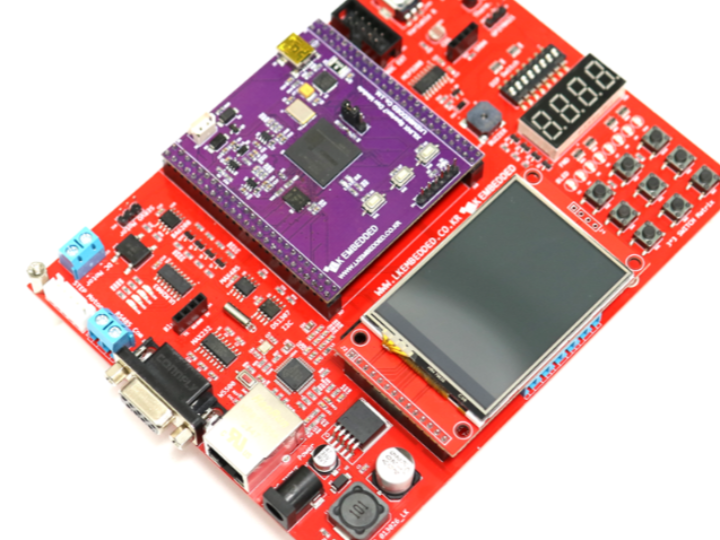
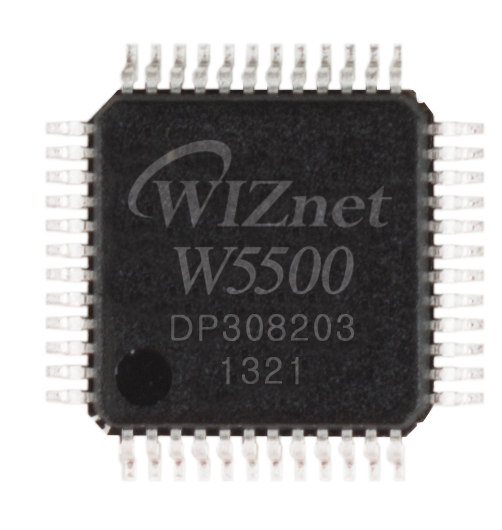
WIZnet - W5500
x 1

How to Build an FPGA Web Counter with WIZnet W5500 Ethernet?
Summary
This project demonstrates a Spartan-6 FPGA evaluation board communicating through the WIZnet W5500 Ethernet controller to implement a real-time web counter system. The FPGA generates counter values internally and transmits them over Ethernet so that the data can be monitored directly from a web browser. By using the W5500 hardwired TCP/IP Ethernet controller, the system achieves stable wired communication without requiring a software TCP/IP stack inside the FPGA.
What the Project Does
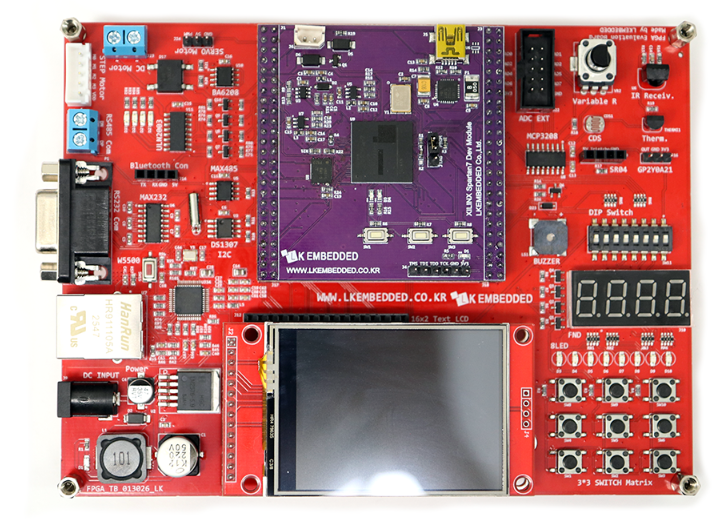
The project is an FPGA-based Ethernet communication demonstration developed using a Spartan-6 evaluation board and the W5500 Ethernet controller.
According to the demonstration video, the FPGA continuously generates incrementing counter data and sends the values through Ethernet communication to a web browser interface. The browser displays the counter value in real time, effectively turning the FPGA into a lightweight embedded web server.
The overall system structure is relatively straightforward:
- Spartan-6 FPGA generates counter logic
- W5500 handles Ethernet TCP/IP communication
- Browser receives and displays counter values
- Ethernet provides stable wired transport
This architecture is especially useful for:
- Industrial monitoring systems
- FPGA-based instrumentation
- Ethernet-enabled embedded control
- Educational FPGA networking labs
Unlike UART-based monitoring, the Ethernet interface allows remote access through standard network infrastructure.
Where WIZnet Fits
The W5500 acts as the Ethernet transport engine of the system.
The LK Embedded product page explicitly states that the board includes a W5500 chip for Ethernet connectivity.
Why W5500 Matters in an FPGA System
FPGA designs typically avoid implementing a full software TCP/IP stack because:
- FPGA internal memory is limited
- TCP/IP logic increases HDL complexity
- Software-based networking consumes FPGA fabric resources
- Deterministic logic timing becomes harder to maintain
The W5500 solves this by integrating:
- Hardwired TCP/IP stack
- 10/100 Ethernet MAC and PHY
- Socket engine
- Internal packet buffer memory
As a result, the FPGA only needs to exchange socket data through SPI rather than implement Ethernet protocols directly.
This significantly simplifies FPGA Ethernet development while improving system stability.
Implementation Notes
The official product page confirms that the board integrates the W5500 Ethernet controller.
Verified Hardware Information
From the LK Embedded product description:
“W5500 칩을 내장하여 Ethernet 인터페이스를 제공한다.”
The same description also explains:
- W5500 provides SPI-based Ethernet communication
- MAC and PHY are integrated internally
- Ethernet connectivity can be added without external PHY circuitry
Conceptual FPGA Integration Flow
Because HDL source code was not publicly available from the provided links, the following is a conceptual integration example based on a typical FPGA + W5500 architecture.
// Conceptual SPI transaction flow for W5500
always @(posedge clk) begin
    if(counter_update) begin
        spi_tx_data <= counter_value;
        spi_start   <= 1'b1;
    end
end
In a typical implementation:
- FPGA counter logic generates data
- SPI controller transfers data to W5500
- W5500 socket engine handles TCP transmission
- Browser receives Ethernet packets
This approach avoids implementing a software TCP/IP stack directly inside the FPGA fabric.
Practical Tips / Pitfalls
- Verify SPI timing carefully when interfacing FPGA logic with W5500.
- Keep Ethernet PHY traces isolated from noisy switching power circuits.
- Use static IP configuration during FPGA bring-up to simplify debugging.
- Add watchdog recovery for Ethernet link disconnection conditions.
- FPGA clock domain crossing must be handled carefully when transferring SPI data.
- Avoid excessively high SPI clock frequencies during early hardware validation.
FAQ
Q: Why use W5500 with FPGA instead of implementing Ethernet directly?
A: Implementing a TCP/IP stack directly in FPGA logic significantly increases HDL complexity and resource usage. W5500 offloads TCP/IP processing into dedicated hardware, allowing the FPGA to focus on application logic.
Q: How does the FPGA connect to W5500?
A: The connection is typically implemented through SPI. The FPGA controls SPI signals such as SCK, MOSI, MISO, and CS to exchange socket data with the W5500.
Q: What role does W5500 play in this project?
A: W5500 acts as the Ethernet communication engine. It handles TCP/IP packet processing and Ethernet transmission while the FPGA generates the counter data.
Q: Can beginners build this kind of FPGA Ethernet project?
A: Yes, if they already understand basic FPGA HDL development and SPI communication. Using W5500 is much simpler than implementing a complete Ethernet MAC and TCP/IP stack directly in HDL.
Q: How does this compare with a soft-core CPU + LwIP approach?
A: A soft-core CPU with LwIP provides flexibility but consumes more FPGA resources and increases software complexity. W5500 offers a simpler hardware-offload approach with lower development overhead.
Source
- LK Embedded Product Page: LK Embedded Product
- Demonstration Video: FPGA Spartan6 Evaluation Board W5500 Demo
Tags
#W5500 #FPGA #Spartan6 #Ethernet #TCPIP #EmbeddedSystems #SPI #WebServer #IndustrialIoT #WIZnet
W5500 기반 FPGA Web Counter 시스템을 구축하는 방법
Summary
이 프로젝트는 Spartan-6 FPGA 보드와 WIZnet W5500 Ethernet 컨트롤러를 사용하여 실시간 Web Counter 시스템을 구현한 사례입니다. FPGA 내부에서 생성한 카운터 데이터를 Ethernet으로 전송하고, 웹 브라우저에서 실시간으로 확인할 수 있도록 구성되었습니다. W5500의 Hardwired TCP/IP 기능을 활용하여 FPGA 내부에 복잡한 TCP/IP 스택을 구현하지 않고도 안정적인 Ethernet 통신을 구현할 수 있습니다.
What the Project Does
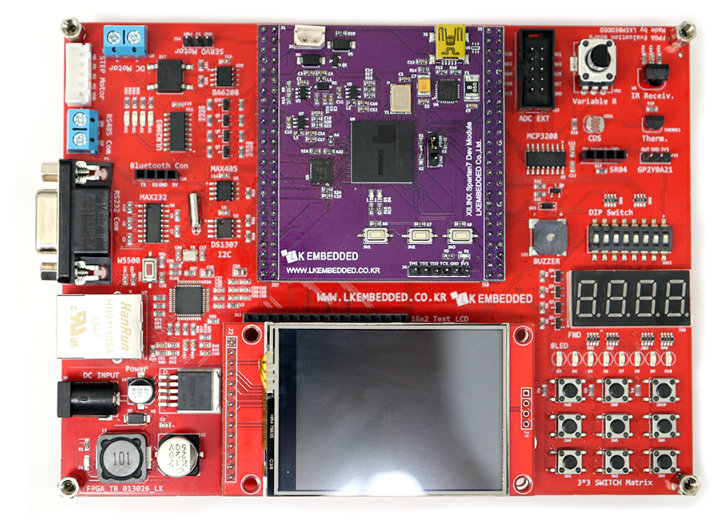
이 프로젝트는 FPGA 기반 Ethernet 통신 데모 시스템입니다.
LK Embedded의 Spartan-6 FPGA 평가 보드에는 W5500 Ethernet 컨트롤러가 내장되어 있으며, 시연 영상에서는 FPGA 내부에서 증가하는 카운터 값을 Ethernet을 통해 웹 브라우저에 표시하는 동작을 확인할 수 있습니다.
전체 시스템 구성은 다음과 같습니다.
- Spartan-6 FPGA가 카운터 로직 생성
- W5500이 Ethernet TCP/IP 통신 처리
- 브라우저가 Counter 데이터를 수신 및 표시
- Ethernet 기반 원격 접근 제공
UART 기반 디버깅과 달리 Ethernet 기반 구조는 네트워크를 통한 원격 모니터링이 가능하다는 장점이 있습니다.
이러한 구조는 다음과 같은 환경에 적합합니다.
- 산업용 모니터링 시스템
- FPGA 기반 계측 장비
- Ethernet 제어 시스템
- 교육용 FPGA Networking 실습
Where WIZnet Fits
이 프로젝트에서 W5500은 FPGA 시스템의 Ethernet Transport Engine 역할을 수행합니다.
LK Embedded 제품 설명에는 W5500 Ethernet 칩이 내장되어 있다고 명시되어 있습니다.
FPGA 시스템에서 W5500이 중요한 이유는 다음과 같습니다.
- FPGA 내부에 TCP/IP 스택 구현 불필요
- HDL 복잡도 감소
- FPGA Logic Resource 절약
- Ethernet PHY 별도 설계 불필요
- 안정적인 Hardware TCP/IP 처리 가능
W5500은 다음 기능을 내부적으로 제공합니다.
- Hardwired TCP/IP Stack
- 10/100 Ethernet MAC
- PHY 통합
- Socket Engine
- Internal Packet Buffer
따라서 FPGA는 SPI 인터페이스를 통해 데이터만 교환하면 되며, 실제 TCP/IP 패킷 처리와 Ethernet 전송은 W5500이 담당합니다.
이는 FPGA 기반 Ethernet 시스템 개발 난이도를 크게 낮춰줍니다.
Implementation Notes
LK Embedded 제품 페이지에는 W5500 Ethernet 기능이 명시되어 있습니다.
확인 가능한 하드웨어 정보
제품 설명에는 다음과 같이 소개되어 있습니다.
“W5500 칩을 내장하여 Ethernet 인터페이스를 제공”
또한 설명에 따르면:
- SPI 기반 Ethernet 인터페이스 사용
- MAC + PHY 내부 통합
- 외부 PHY 없이 Ethernet 구현 가능
Conceptual FPGA Integration Example
제공된 링크에서는 HDL 소스코드가 공개되어 있지 않았기 때문에 아래 예시는 일반적인 FPGA + W5500 구조 기반의 개념적 예시입니다.
// Conceptual SPI transaction flow for W5500
always @(posedge clk) begin
    if(counter_update) begin
        spi_tx_data <= counter_value;
        spi_start   <= 1'b1;
    end
end
일반적인 데이터 흐름은 다음과 같습니다.
- FPGA 내부 Counter Logic 생성
- SPI Controller가 Counter 값을 W5500으로 전송
- W5500이 TCP Packet 생성 및 Ethernet 전송
- Browser가 데이터를 수신하여 표시
이 구조를 사용하면 FPGA 내부에서 Ethernet 프로토콜 전체를 HDL로 구현할 필요가 없습니다.
Practical Tips / Pitfalls
- FPGA와 W5500 사이의 SPI Timing 검증이 중요합니다.
- Ethernet PHY 주변은 Switching Power Noise 영향을 최소화해야 합니다.
- 초기 Bring-up 단계에서는 Static IP 사용이 디버깅에 유리합니다.
- Ethernet Cable Disconnect 상황에 대한 Recovery Logic 추가가 필요할 수 있습니다.
- FPGA 내부 Clock Domain Crossing 처리를 신중하게 설계해야 합니다.
- 초기 검증 단계에서는 과도하게 높은 SPI Clock 사용을 피하는 것이 안정적입니다.
FAQ
Q: 왜 FPGA에서 직접 Ethernet을 구현하지 않고 W5500을 사용하나요?
A: FPGA 내부에 TCP/IP Stack을 직접 구현하면 HDL 복잡도와 Logic Resource 사용량이 크게 증가합니다. W5500은 TCP/IP 처리를 하드웨어로 오프로드하여 FPGA가 애플리케이션 로직에 집중할 수 있게 합니다.
Q: FPGA는 W5500과 어떻게 연결되나요?
A: 일반적으로 SPI 인터페이스를 사용합니다. FPGA는 SCK, MOSI, MISO, CS 신호를 통해 W5500과 데이터를 교환합니다.
Q: 이 프로젝트에서 W5500의 역할은 무엇인가요?
A: Ethernet 통신 처리 역할을 수행합니다. FPGA가 생성한 Counter 데이터를 TCP/IP 패킷으로 변환하여 Ethernet으로 전송합니다.
Q: 초보자도 FPGA Ethernet 프로젝트를 구현할 수 있나요?
A: 기본적인 Verilog/VHDL 및 SPI 인터페이스 이해가 있다면 가능합니다. W5500을 사용하면 Ethernet MAC과 TCP/IP Stack을 HDL로 직접 구현하는 것보다 훨씬 단순합니다.
Q: Soft-core CPU + LwIP 방식과 비교하면 어떤 차이가 있나요?
A: Soft-core CPU + LwIP 방식은 유연성이 높지만 FPGA Resource 사용량과 소프트웨어 복잡도가 증가합니다. W5500은 Hardware Offload 기반이라 구조가 단순하고 구현 난이도가 낮습니다.
Source
- LK Embedded Product Page
https://www.lkembedded.co.kr/goods/goods_view.php?goodsNo=17971 - Demonstration Video
https://www.youtube.com/watch?v=6Bgx58Ag8bc
Tags
#W5500 #FPGA #Spartan6 #Ethernet #TCPIP #EmbeddedSystems #SPI #WebServer #IndustrialIoT #WIZnet