



W6300-EVB-Pico2-Library
W6300-EVB-Pico2-Library
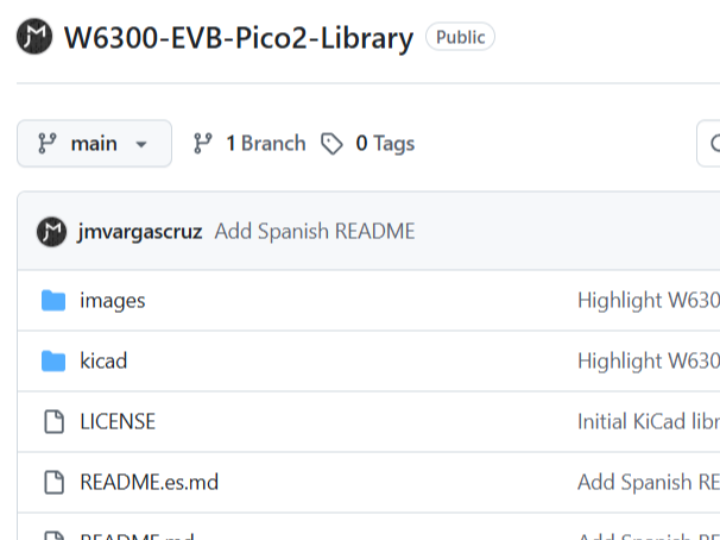
How to Accelerate Hardware Design for W6300-EVB-Pico2 with KiCad Libraries?
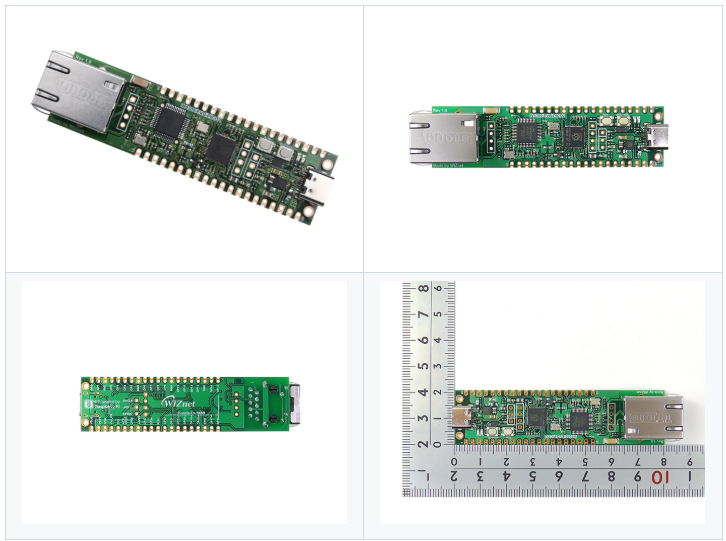
Summary
The W6300-EVB-Pico2-Library project provides hardware design resources for developers building Ethernet-enabled systems around the W6300-EVB-Pico2 platform. While software libraries often receive the most attention, accessible hardware libraries can significantly reduce development effort by simplifying schematic capture and PCB design. By distributing KiCad-compatible design assets, the project lowers the barrier to entry for both hobbyists and professional engineers who want to adopt WIZnet Ethernet solutions.
What the Project Does
This repository provides hardware design library resources for the W6300-EVB-Pico2 platform. Rather than focusing on firmware APIs or network software stacks, it targets the hardware development workflow.
For engineers creating custom carrier boards, expansion modules, or embedded Ethernet products, recreating symbols and footprints is often an unnecessary and error-prone task. A reusable hardware library eliminates this repetitive work by providing ready-to-use design assets that can be directly imported into electronic design automation (EDA) tools.
The project is particularly valuable because it supports KiCad-compatible library formats, making the resources available to a broad community of developers using open-source design tools.
Where WIZnet Fits
The W6300-EVB-Pico2 platform serves as a development foundation for applications that require reliable Ethernet connectivity.
In a typical workflow, software libraries help developers implement networking features, while hardware libraries help them integrate the hardware into custom designs. The availability of both resources creates a more complete ecosystem around the platform.
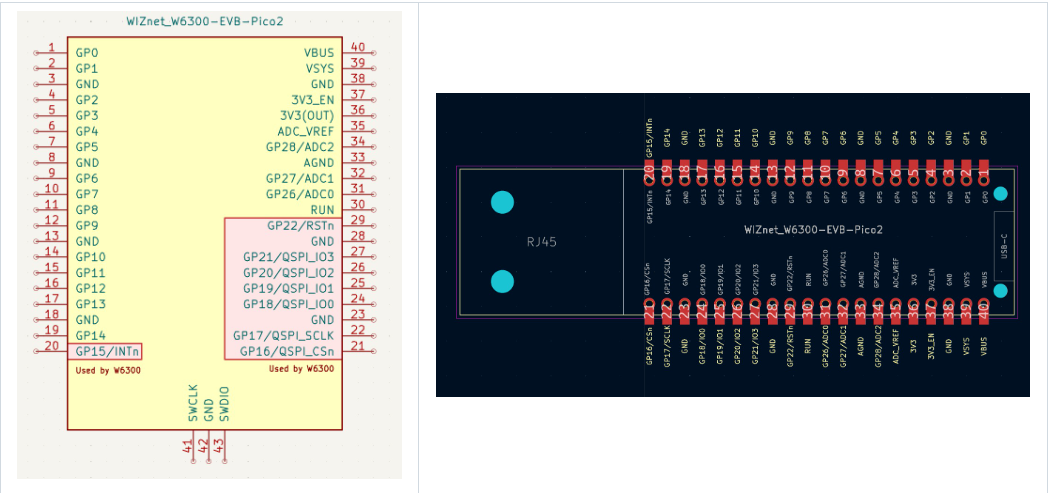
From a design perspective, hardware libraries contribute to:
- Faster schematic development
- Reduced PCB design errors
- Improved design consistency
- Easier hardware customization
- Faster prototyping cycles
These advantages become especially important for developers who want to move from evaluation boards to production-ready hardware.
Implementation Notes
This project focuses on hardware design resources rather than firmware implementation.
Instead of requiring users to manually recreate symbols and footprints, the repository provides reusable design assets that can be integrated directly into supported EDA environments.
The most significant aspect of the project is support for KiCad-compatible library formats.

By leveraging open-source EDA tools, developers can:
- Create custom hardware around the W6300-EVB-Pico2
- Reuse verified component definitions
- Reduce design setup time
- Share and maintain designs more easily within the community
Practical Tips / Pitfalls
- Verify symbol-to-footprint mapping before manufacturing.
- Review pin assignments against the latest hardware documentation.
- Keep local library versions synchronized with repository updates.
- Validate footprints using PCB design rule checks before production.
- Maintain a separate project library to avoid accidental modifications.
- Test Ethernet-related signal routing and grounding practices when designing custom boards.
FAQ
Why use hardware libraries when software libraries already exist?
Software libraries simplify firmware development, while hardware libraries simplify schematic and PCB design. Both reduce development effort, but at different stages of the product lifecycle.
How does the library integrate with design tools?
The project provides design assets that can be imported into compatible EDA environments. KiCad support is particularly valuable because it enables use with a popular open-source hardware design platform.
What role does this library play in a W6300-EVB-Pico2 project?
It provides reusable hardware building blocks that help developers create custom boards based on the W6300-EVB-Pico2 platform without recreating symbols and footprints from scratch.
Can beginners use these resources?
Yes. Developers who are familiar with basic schematic capture and PCB layout can immediately benefit from ready-made libraries. The learning curve is significantly lower than creating verified component libraries manually.
How does KiCad support compare to proprietary EDA tools?
KiCad is freely available and widely adopted in both maker and professional communities. Providing KiCad-compatible libraries expands accessibility and encourages broader adoption of W6300-EVB-Pico2-based designs.
Source
Original Project: https://github.com/jmvargascruz/W6300-EVB-Pico2-Library
Reference: W6300-EVB-Pico2-Library Repository
Tags
#W6300 #W6300EVBPico2 #KiCad #HardwareLibrary #PCBDesign #OpenSourceEDA #Ethernet #WIZnet #EmbeddedSystems #Maker
Summary
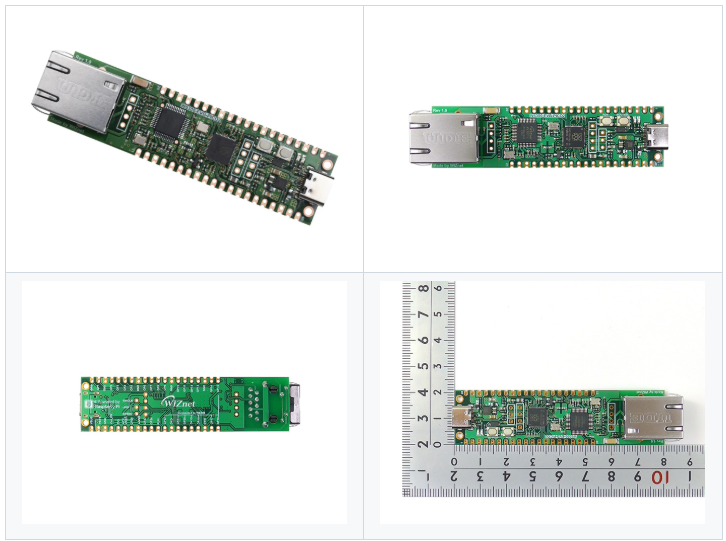
W6300-EVB-Pico2용 하드웨어 라이브러리를 제공하는 이 프로젝트는 개발자가 보다 빠르게 맞춤형 Ethernet 하드웨어를 설계할 수 있도록 지원합니다. 소프트웨어 라이브러리가 펌웨어 개발 생산성을 높여주듯, 하드웨어 라이브러리는 회로도 작성과 PCB 설계 시간을 단축하고 설계 오류를 줄여줍니다. 특히 KiCad와 같은 오픈소스 EDA 툴을 지원함으로써 더 많은 개발자가 W6300-EVB-Pico2 플랫폼에 쉽게 접근할 수 있도록 돕습니다.
What the Project Does
W6300-EVB-Pico2-Library는 W6300-EVB-Pico2 기반의 하드웨어 설계를 위한 라이브러리 프로젝트입니다.
개발자가 새로운 보드를 설계할 때는 회로도 심볼(Symbol)과 PCB 풋프린트(Footprint)를 직접 제작해야 하는 경우가 많습니다. 하지만 이러한 작업은 반복적일 뿐만 아니라 실수 발생 가능성도 높습니다.
이 프로젝트는 W6300-EVB-Pico2에 필요한 하드웨어 라이브러리를 제공하여 사용자가 검증된 설계 자산을 바로 활용할 수 있도록 지원합니다. 이를 통해 프로토타입 제작부터 제품 개발까지 전체 설계 과정을 더욱 효율적으로 진행할 수 있습니다.
Where WIZnet Fits
W6300-EVB-Pico2는 WIZnet의 Ethernet 솔루션을 활용하기 위한 평가 플랫폼입니다.
대부분의 개발자는 소프트웨어 라이브러리에 익숙하지만, 실제 제품 개발 단계에서는 하드웨어 라이브러리 역시 매우 중요한 역할을 합니다.
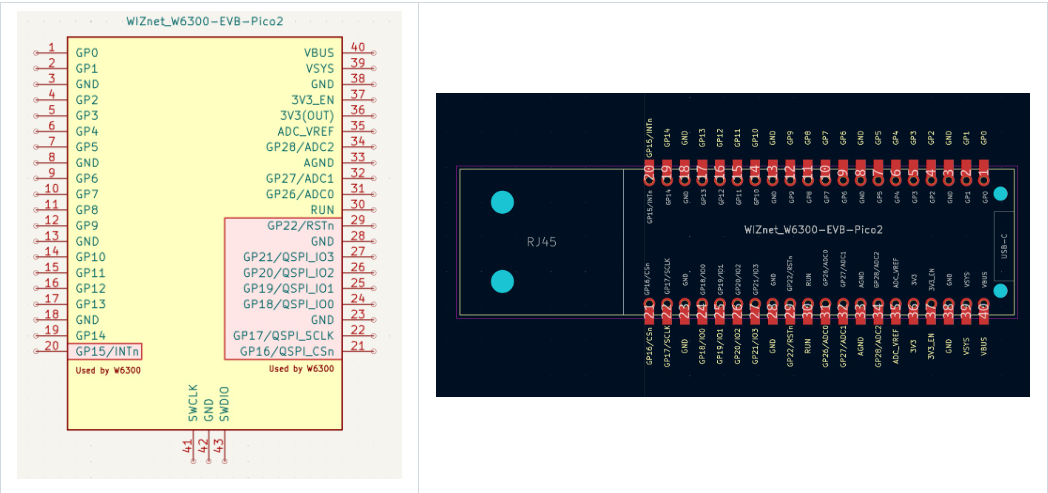
하드웨어 라이브러리가 제공되면 다음과 같은 장점이 있습니다.
- 회로도 작성 시간 단축
- PCB 설계 오류 감소
- 검증된 설계 자산 재사용
- 커스텀 보드 개발 가속화
- 신규 사용자 진입 장벽 감소
특히 KiCad 지원은 큰 의미를 가집니다.

따라서 KiCad 기반 라이브러리 제공은 단순한 파일 배포를 넘어 W6300-EVB-Pico2 플랫폼의 접근성을 높이고 사용자 생태계를 확대하는 데 기여합니다.
Implementation Notes
이 프로젝트는 펌웨어나 네트워크 스택 구현보다는 하드웨어 설계 환경 지원에 초점을 맞추고 있습니다.
개발자는 제공되는 라이브러리를 KiCad 프로젝트에 추가하여 W6300-EVB-Pico2 관련 심볼과 풋프린트를 바로 사용할 수 있습니다.
이를 통해 다음과 같은 개발 효율 향상을 기대할 수 있습니다.
- 라이브러리 제작 시간 절감
- 핀맵 오류 감소
- 설계 표준화
- 협업 생산성 향상
- 설계 검증 시간 단축
소프트웨어 라이브러리가 코드 재사용성을 제공한다면, 하드웨어 라이브러리는 설계 자산의 재사용성을 제공한다고 볼 수 있습니다.
Practical Tips / Pitfalls
- 라이브러리 사용 전 최신 하드웨어 문서와 핀 정보를 확인하세요.
- 심볼과 풋프린트 매핑이 올바른지 검증하는 것이 좋습니다.
- PCB 제작 전 DRC(Design Rule Check)를 수행하세요.
- 프로젝트별 로컬 라이브러리를 별도로 관리하면 유지보수가 편리합니다.
- Ethernet 신호선 배치와 GND 설계는 반드시 검토해야 합니다.
- 라이브러리 업데이트가 있을 경우 변경 사항을 확인 후 적용하세요.
FAQ
왜 하드웨어 라이브러리가 필요한가요?
소프트웨어 라이브러리가 개발 시간을 줄여주듯이, 하드웨어 라이브러리는 회로도와 PCB 설계 시간을 줄여줍니다. 또한 반복 작업을 줄이고 설계 품질을 향상시킬 수 있습니다.
KiCad에서 바로 사용할 수 있나요?
네. 이 프로젝트는 KiCad에서 활용 가능한 라이브러리를 제공하여 사용자가 직접 심볼과 풋프린트를 생성할 필요 없이 설계를 시작할 수 있습니다.
이 프로젝트에서 W6300-EVB-Pico2는 어떤 역할을 하나요?
W6300-EVB-Pico2 기반의 커스텀 하드웨어를 개발하기 위한 설계 참조 플랫폼 역할을 수행합니다.
초보자도 활용할 수 있나요?
기본적인 회로도 작성과 PCB 설계 경험이 있다면 충분히 활용할 수 있습니다. 라이브러리가 제공되기 때문에 직접 부품 라이브러리를 만드는 것보다 훨씬 쉽게 시작할 수 있습니다.
상용 EDA 툴과 비교해 KiCad 지원의 장점은 무엇인가요?
KiCad는 무료로 사용할 수 있는 오픈소스 EDA 툴입니다. 따라서 학생, 메이커, 스타트업, 기업 개발자 모두 별도의 라이선스 비용 없이 동일한 설계 환경을 사용할 수 있습니다.
Source
Original Project: https://github.com/jmvargascruz/W6300-EVB-Pico2-Library
License: Repository Reference
Tags
#W6300 #W6300EVBPico2 #KiCad #HardwareLibrary #PCBDesign #OpenSourceEDA #Ethernet #WIZnet #EmbeddedHardware #Maker