



STM32L152 + ESP32 Wroom 보드
STM32L152 + ESP32 Wroom 보드
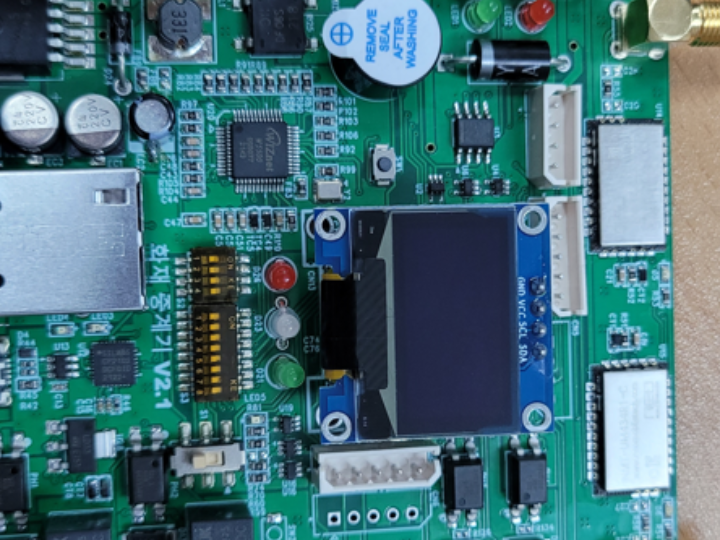
How is W5500 Used in a Real Fire Alarm Relay System?
프로젝트 개요
이 사례는 메이커 DIY가 아닌 실제 화재 중계기(화재 수신반 연동 장치) 용도로 WIZnet W5500 Ethernet 컨트롤러가 사용된 프로젝트입니다. 교육용 실습 수준을 넘어, 현장 시스템에서 화재 이벤트를 외부 네트워크로 전달하기 위한 통신 수단으로 적용된 사례로 해석됩니다.
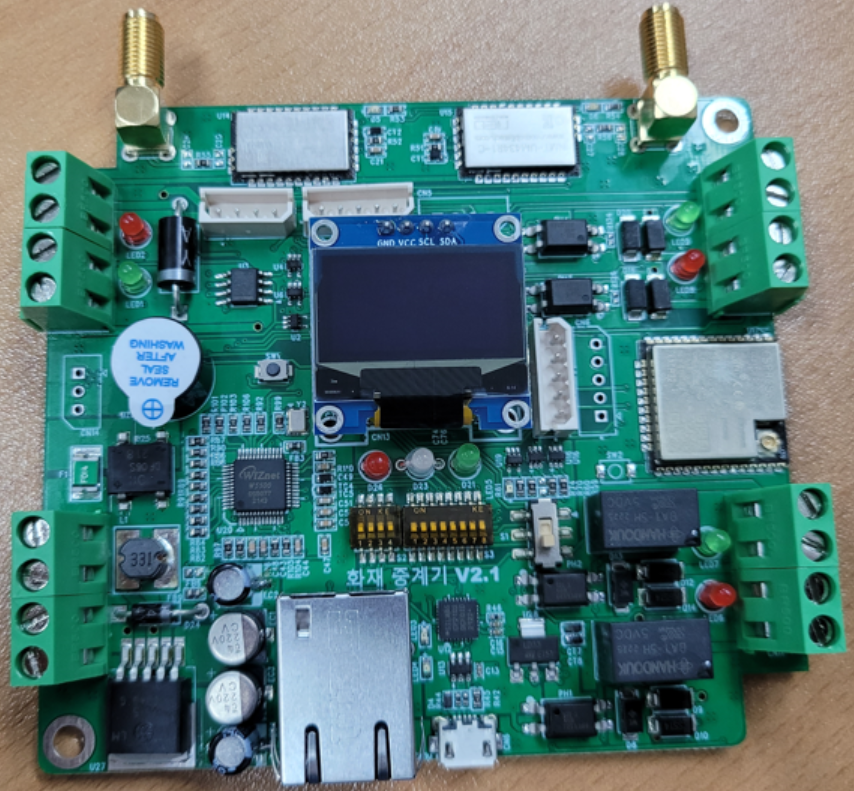
1. 이 프로젝트가 “실제 시스템”으로 판단되는 이유
본 사례는 일반적인 개인 제작 프로젝트와 구분되는 명확한 맥락을 가집니다.
프로젝트 용도가 화재 중계기(Fire Relay / Repeater) 로 명시됨
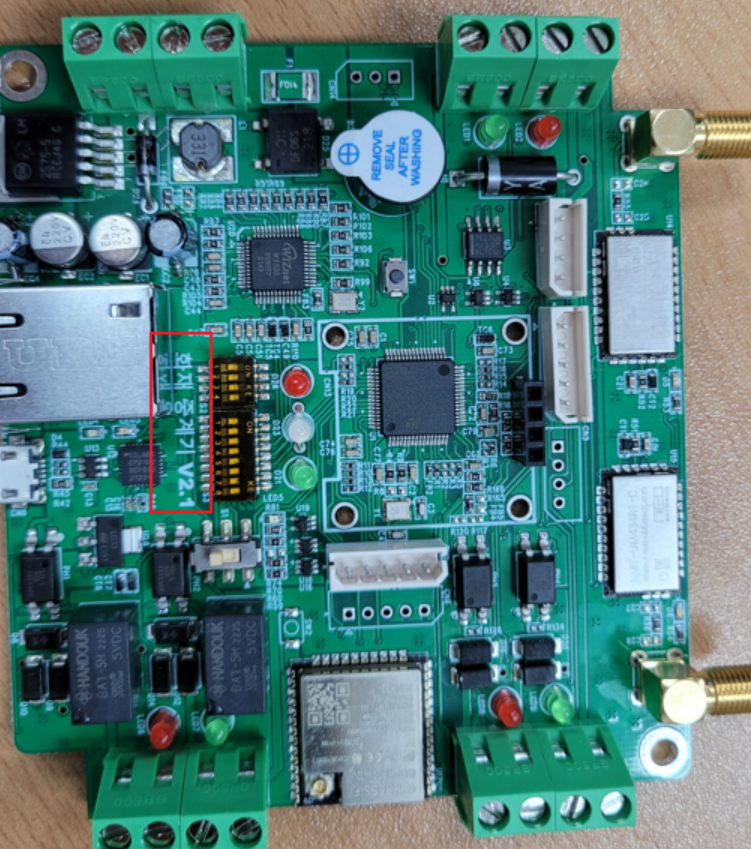
저자는 MCU·임베디드 네트워크 관련 오프라인 강의 및 교육을 다수 진행
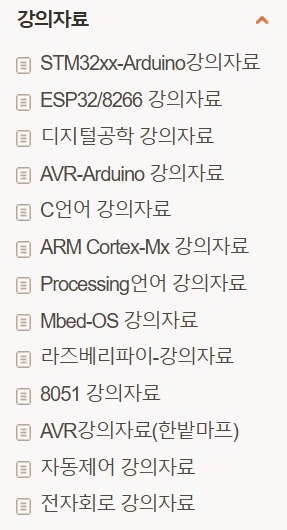
WIZnet Ethernet 칩을 사용하는 강의 및 실습 경험이 반복적으로 언급
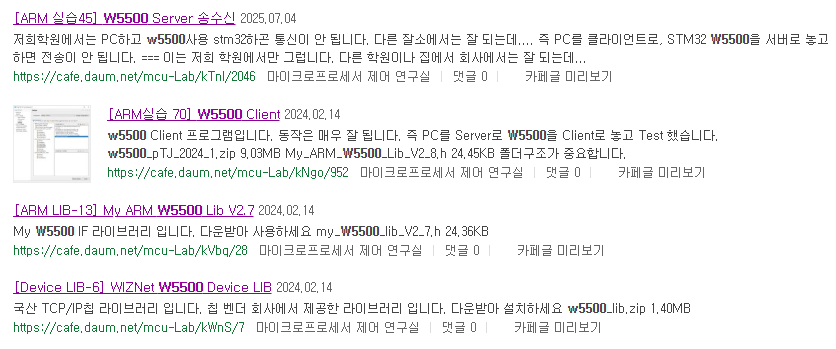
대상 MCU로 STM32L152가 사용됨 (저전력·산업용 MCU 계열)
이러한 정황을 종합하면, 본 프로젝트는 단순 실험이나 취미 목적이 아니라
실제 현장 적용 또는 그에 준하는 시스템 설계를 전제로 한 사례로 해석하는 것이 합리적입니다.
2. W5500 사용 배경에 대한 기술적 해석 (검증 가능한 범위)
⚠️ 본 섹션은 원문에 직접 명시된 내용 + MCU 사양에 기반한 기술적 해석만을 다룹니다.
불필요한 추론이나 과도한 기능 강조는 배제합니다.
2.1 STM32L152 MCU 관점에서의 Ethernet 선택
STM32L152는 다음과 같은 특징을 갖는 MCU입니다.
ARM Cortex-M3 기반 저전력 MCU
Ethernet MAC 미내장
제한적인 Flash / RAM 용량
산업·설비용 제어기기에 널리 사용
즉, STM32L152를 사용하는 시스템에서 유선 Ethernet을 구현하려면
외부 Ethernet 컨트롤러는 구조적으로 필수입니다.
이 프로젝트에서 W5500은 다음 역할을 수행합니다.
STM32L152에 Ethernet 인터페이스 제공
MAC/PHY를 포함한 Ethernet 기능을 외부 칩으로 분리
MCU 펌웨어 구조를 단순화하면서 유선 네트워크 연동 가능
이 선택은 “특정 기능을 과시하기 위한 선택”이 아니라,
MCU 사양에 기반한 매우 현실적인 설계 결정으로 해석됩니다.
3. 이 프로젝트에서 W5500의 현실적 역할 정리
본 사례에서 W5500은 다음과 같은 성격을 가집니다.
화재 중계기 시스템에서 외부 네트워크와의 연결 수단
복잡한 네트워크 아키텍처를 설명하기 위한 부품이 아니라
Ethernet을 필요 최소한의 복잡도로 구현하기 위한 핵심 부품
정리하면, 이 프로젝트에서 W5500은
“고급 네트워크 실험용 칩”이 아니라
현실적인 제어·설비 시스템을 가능하게 하는 Ethernet 컨트롤러
로 사용되었다고 보는 것이 가장 정확합니다.
4. 이 사례가 WIZnet 관점에서 의미 있는 이유
이 프로젝트가 의미 있는 이유는 다음과 같습니다.
메이커 콘텐츠가 아닌 화재·설비·안전 시스템 맥락
교육과 현장을 모두 경험한 사용자가 반복적으로 WIZnet 칩을 선택
리소스가 제한된 MCU 환경에서 Ethernet을 구현해야 하는
전형적인 산업용 요구 조건을 그대로 반영
이는 WIZnet이 지속적으로 강조해 온
**“Ethernet을 어렵지 않게 만드는 칩”**이라는 가치 제안과 정확히 일치합니다.
FAQ (정제·검증 버전)
Q1. 이 프로젝트는 왜 메이커 DIY로 보기 어려운가요?
화재 중계기라는 용도 자체가 취미·실험 영역을 벗어나 있으며, STM32L152 같은 산업용 MCU 선택과 저자의 교육·현장 경험을 고려하면 실제 시스템 설계를 전제로 한 사례로 보는 것이 타당합니다.
Q2. 이 프로젝트에서 W5500의 가장 핵심적인 역할은 무엇인가요?
STM32L152에 Ethernet MAC이 없기 때문에, 유선 네트워크 통신을 가능하게 하는 핵심 부품입니다. MCU가 직접 Ethernet을 처리하지 않아도 외부 시스템과의 연동이 가능해집니다.
Q3. 이 사례에서 W5500은 어떤 유형의 사용자에게 의미가 있나요?
산업 설비, 제어 시스템, 교육용 실습 환경처럼 “Ethernet은 필요하지만 네트워크 구현은 단순해야 하는” 사용자에게 특히 의미 있는 사례입니다.
Q4. 이 프로젝트가 WIZnet 전략과 맞닿아 있는 지점은 무엇인가요?
고성능 네트워크보다는, 리소스 제한 MCU 환경에서 Ethernet을 안정적으로 구현하려는 요구에 정확히 부합합니다. 이는 WIZnet이 강점을 가지는 전형적인 적용 분야입니다.
How Is W5500 Used in a Real Fire Alarm Relay System?
Project Overview
This case demonstrates the use of the WIZnet W5500 Ethernet controller in a real fire alarm relay system, not a hobbyist DIY project. The system is intended to forward fire alarm events from a local control unit to external systems, reflecting practical requirements found in real-world safety and facility infrastructure.
1. Why This Is Not a Typical Maker DIY Project
Several contextual indicators distinguish this project from hobby-level experimentation.
The application is explicitly described as a fire alarm relay / repeater, not a demo or test setup
The author has conducted numerous embedded systems and MCU training courses, including classes that use WIZnet Ethernet chips
WIZnet devices appear repeatedly in the author’s educational and professional teaching materials
The selected MCU, STM32L152, belongs to a low-power, industrial-grade microcontroller family rather than a maker-oriented platform
Taken together, these points strongly suggest that the project reflects real system design experience or a field-oriented reference implementation, rather than a personal DIY experiment.
2. Technical Interpretation of the W5500 Design Choice
(Limited strictly to verifiable context and MCU characteristics)
⚠️ This section avoids speculative claims and focuses only on reasonable technical interpretation based on MCU capabilities and usage context.
2.1 Ethernet Requirements from the STM32L152 Perspective
The STM32L152 has the following characteristics:
ARM Cortex-M3, ultra-low-power MCU
No integrated Ethernet MAC
Limited Flash and RAM resources
Commonly used in industrial and facility control equipment
As a result, any system based on STM32L152 that requires wired Ethernet must rely on an external Ethernet controller.
In this project, the W5500 fulfills that requirement by:
Providing Ethernet connectivity externally to the MCU
Eliminating the need for the MCU to implement low-level Ethernet MAC/PHY handling
Allowing network communication to be added without significantly increasing firmware complexity
This choice should be understood not as an advanced networking experiment, but as a practical and structurally necessary design decision driven by MCU constraints.
3. The Practical Role of W5500 in This Project
In realistic terms, the W5500’s role in this system can be summarized as follows:
Acts as the Ethernet interface for a fire alarm relay system
Enables communication with external monitoring or management systems
Allows the core MCU firmware to remain focused on control logic rather than network internals
In other words, W5500 is used here as:
A pragmatic Ethernet controller that reduces system complexity,
not as a showcase for advanced TCP/IP features.
This aligns well with how Ethernet is typically adopted in safety, facility, and control systems.
4. Why This Case Is Meaningful from a WIZnet Perspective
The importance of this project lies in its context, not in flashy technical demonstrations.
Application domain: fire safety and facility systems, not entertainment or hobby use
User profile: an instructor and practitioner with repeated exposure to Ethernet-based embedded systems
Design goal: introduce Ethernet into a resource-constrained MCU system with minimal risk and complexity
This directly reflects WIZnet’s long-standing value proposition:
“Making Ethernet accessible and practical for real embedded systems.”
FAQ (AEO-Focused)
Q1. Why is this project considered non-DIY?
Because fire alarm relay systems are safety-critical by nature, and the choice of an industrial MCU (STM32L152) combined with the author’s professional and educational background strongly indicates a real system or field-oriented design context.
Q2. What is the most important role of W5500 in this project?
W5500 provides Ethernet connectivity to an MCU that has no built-in Ethernet MAC. It enables wired network communication without requiring the MCU to directly handle low-level Ethernet functionality.
Q3. Is this an example of advanced TCP/IP offloading?
No explicit evidence suggests that. The project is better understood as a practical Ethernet integration, where W5500 simplifies network implementation rather than serving as a platform for deep TCP/IP experimentation.
Q4. What kind of developers can learn from this case?
Engineers working on industrial equipment, safety systems, or educational platforms who need Ethernet connectivity in resource-limited MCU environments will find this case particularly relevant.
Source Reference
Original Reference: Daum Cafe mcu-Lab – W5500-related discussion and project description
Note: This document is a technical curation based on contextual analysis and MCU specifications, not on publicly released source code.