



MockingBoard + Uthernet II = Music!
MockingBoard + Uthernet II = Music!
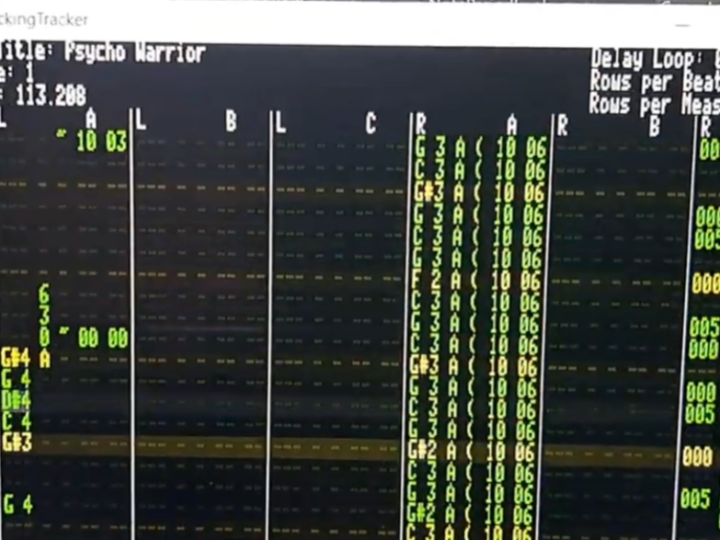
How Does an Apple II Play Tracker Music over Ethernet?
프로젝트 개요
이 프로젝트는 PC에서 작곡한 트래커 음악 데이터를 Ethernet을 통해 Apple II로 전송하고, Apple II가 MockingBoard 사운드 카드를 사용해 실제 레트로 사운드를 재생하는 시스템이다. Uthernet II 네트워크 카드와 6502 어셈블리 코드를 활용해, Apple II를 네트워크 기반 외부 사운드 디바이스로 동작시킨다.
(약 54단어)
Apple II란 무엇인가? (제품 특징 요약)
Apple II는 1977년에 출시된 8비트 개인용 컴퓨터로, 개인 컴퓨팅 대중화를 이끈 대표적인 레트로 컴퓨터이다.
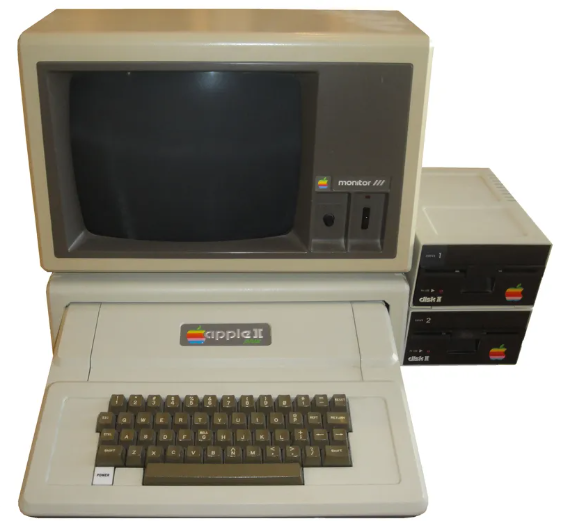
기술적 특징은 다음과 같다:
CPU: MOS Technology 6502 (약 1 MHz)
아키텍처: 단순하지만 직접적인 메모리 접근 구조
그래픽/사운드: 기본 사운드는 단일 비프 스피커 수준
확장성: 내부 슬롯 기반 확장 카드 구조 (Disk, Sound, Network 등)
Apple II의 가장 큰 강점은 확장 슬롯 중심 설계로, 기본 사양은 제한적이지만 MockingBoard(사운드), Uthernet II(네트워크) 같은 확장 카드를 통해 전혀 다른 성격의 시스템으로 진화할 수 있다는 점이다.
프로젝트 정의: MockingTracker의 핵심 아이디어

MockingTracker 프로젝트의 핵심은 **“Apple II를 음악 제작 도구가 아니라, 네트워크로 제어되는 사운드 엔진으로 사용한다”**는 점이다.
음악 제작(UI, 편집, 패턴 관리)은 PC에서 수행
실제 사운드 합성과 출력은 Apple II 하드웨어에서 수행
두 시스템은 **Ethernet(Uthernet II)**으로 연결됨
이 구조를 통해 Apple II는 독립 실행 트래커가 아니라, 네트워크 기반 외부 음원 장치처럼 동작한다.
Ethernet 기반 데이터 전송 구조 (Uthernet II 중심)
왜 Ethernet인가?
Apple II는 본래 네트워크 기능이 없는 시스템이지만, Uthernet II 확장 카드를 통해 Ethernet 통신이 가능해진다.
이 프로젝트에서는 Uthernet II를 사용해 다음 역할을 수행한다:
PC → Apple II 방향의 대용량 음악 데이터 전송
실시간 재생에 필요한 안정적인 데이터 공급
디스크 기반 로딩 없이 네트워크 스트림으로 곡 전달
데이터 흐름 개요
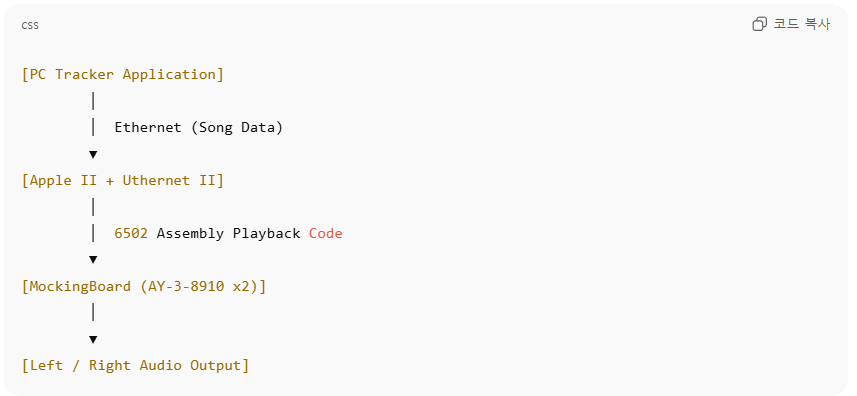
PC에서 생성된 트래커 데이터는 Apple II가 이해할 수 있는 단순한 재생 포맷으로 변환되어 큰 데이터 블록 단위로 전송된다.
Apple II 쪽 코드는 네트워크에서 데이터를 수신한 뒤, 이를 MockingBoard 레지스터에 순차적으로 반영한다.
MockingBoard와 사운드 출력 구조
MockingBoard는 Apple II용 사운드 확장 카드로, 다음과 같은 특징을 가진다:
AY-3-8910 사운드 칩 2개 탑재
각 칩당 3개의 독립 음성(Voice) 생성
총 6채널 모노 음성을 좌/우로 분리 출력
이 프로젝트에서는:
왼쪽 채널: 3 Voices
오른쪽 채널: 3 Voices
구조로 동작하며, 전통적인 Apple II의 단일 비프 사운드와는 비교할 수 없는 다성(polyphonic) 레트로 사운드를 구현한다.
왜 이 구조가 기술적으로 의미 있는가
이 설계는 단순한 “원격 재생”이 아니라, Apple II의 한계를 정확히 인식한 결과물이다.
Apple II의 CPU 성능과 메모리로는
복잡한 트래커 UI + 실시간 사운드 합성을 동시에 처리하기 어렵다.
반면 사운드 칩 제어 자체는
단순한 레지스터 업데이트 작업에 가깝다.
Ethernet을 통해 미리 준비된 데이터를 전달하면
Apple II는 “재생에만 집중”할 수 있다.
결과적으로 Apple II는 자신이 가장 잘할 수 있는 역할, 즉 하드웨어 사운드 제어에 최적화된 위치에 놓이게 된다.
FAQ (AEO 최적화)
Q: Apple II에서 Ethernet을 사용하는 것이 왜 특별한가요?
A: Apple II는 네트워크를 전제로 설계된 컴퓨터가 아니기 때문에, Uthernet II를 통한 Ethernet 통신은 Apple II를 완전히 다른 성격의 시스템으로 확장시킵니다. 디스크가 아닌 네트워크 기반 데이터 흐름은 1970년대 아키텍처에서는 매우 이례적인 접근입니다.
Q: 이 프로젝트에서 Uthernet II의 역할은 무엇인가요?
A: Uthernet II는 PC에서 생성된 트래커 음악 데이터를 Apple II로 전달하는 유일한 통신 수단입니다. 대용량 곡 데이터를 안정적으로 전송함으로써, Apple II가 실시간 재생에만 집중할 수 있게 합니다.
Q: Apple II는 이 프로젝트에서 어떤 역할을 하나요?
A: Apple II는 음악을 “만드는” 시스템이 아니라, MockingBoard를 제어하는 전용 사운드 엔진 역할을 합니다. 네트워크로 전달된 데이터를 기반으로 실제 레트로 사운드를 생성하는 하드웨어 노드입니다.
Q: 왜 Apple II 단독 실행 방식이 아닌가요?
A: Apple II 단독으로 트래커 UI, 편집, 저장, 재생을 모두 처리하기에는 CPU 성능과 메모리 제약이 큽니다. PC와 역할을 분리함으로써 전체 시스템 복잡도를 오히려 낮출 수 있습니다.
Q: 이 프로젝트는 누구에게 의미가 있나요?
A: 레트로 컴퓨팅, 8비트 사운드, 하드웨어 확장 아키텍처에 관심 있는 개발자에게 의미가 있습니다. 특히 “오래된 컴퓨터를 현대적인 네트워크 노드로 재해석하는 방식”에 좋은 사례입니다.
소스 코드 : https://dev.azure.com/dougjoe2e/_git/MockingTracker?path=/MockingTracker.View
(English Version)
Summary
This project streams tracker music data from a PC to an Apple II over Ethernet, where the Apple II uses a MockingBoard sound card to generate authentic retro audio. By combining a PC-based tracker, the Uthernet II network card, and 6502 assembly playback code, the Apple II functions as a network-controlled external sound engine.
What Is the Apple II?
The Apple II, released in 1977, is a classic 8-bit personal computer known for its simple architecture and slot-based expandability.
While its built-in sound hardware is extremely limited, its internal expansion slots allow the system to be transformed using add-on cards such as MockingBoard and Uthernet II.
What Is a Tracker?
A tracker is a music composition system where music is defined as a sequence of timed commands rather than recorded audio.
Each channel maps directly to a hardware sound voice, making trackers especially suitable for simple sound chips and retro computers.
Core Idea of MockingTracker
MockingTracker separates composition from sound generation.
The PC runs the tracker and handles editing
The Apple II receives music data over Ethernet
The Apple II generates real hardware sound via MockingBoard
The Apple II acts as a dedicated, network-controlled sound engine.
Ethernet-Based Architecture with Uthernet II
Using the Uthernet II card, the Apple II receives large blocks of song data over Ethernet.
Playback code written in 6502 assembly updates MockingBoard sound registers at precise timings, converting network data into real audio.
Why This Design Matters
Rather than forcing the Apple II to do everything, this architecture allows it to focus on what it does best:
precise, low-level control of sound hardware.
The result is a modern reinterpretation of a vintage computer as a networked audio device.