


core-micro
lighting controller
WIZnet - W5500
x 1

How to Build an Open-Source Art-Net Lighting Controller with RP2040 and W5500
Project Overview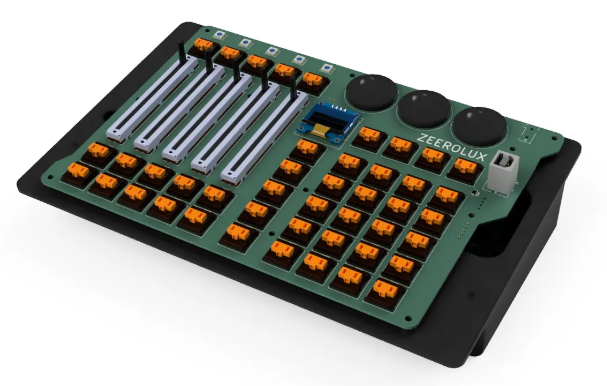
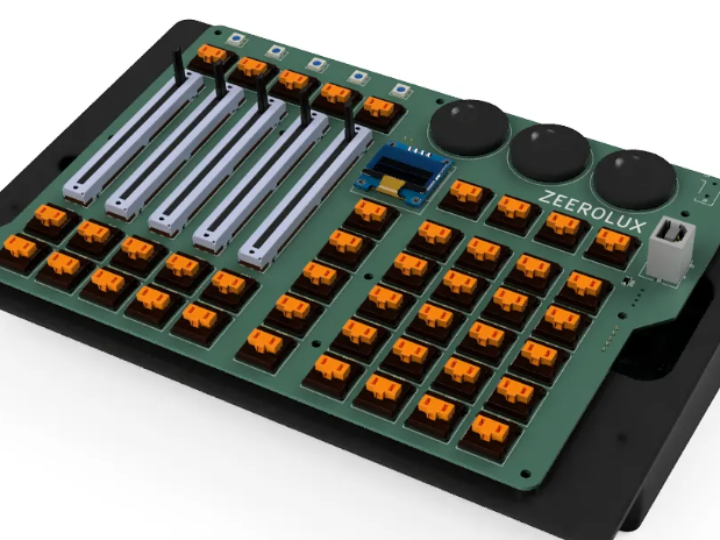
Core-Micro is an open-source lighting control platform currently under development, built around the RP2040 microcontroller and the WIZnet W5500 Ethernet controller.
The project aims to integrate multiple lighting control functions into a single device, including:
Art-Net
DMX
USB-DMX interface
Physical faders and rotary encoders
Future MIDI support
Instead of relying on Wi-Fi, Core-Micro adopts wired Ethernet using the W5500 for Art-Net communication, providing the stable network connectivity and predictable latency required in professional lighting environments.
About the Project Author
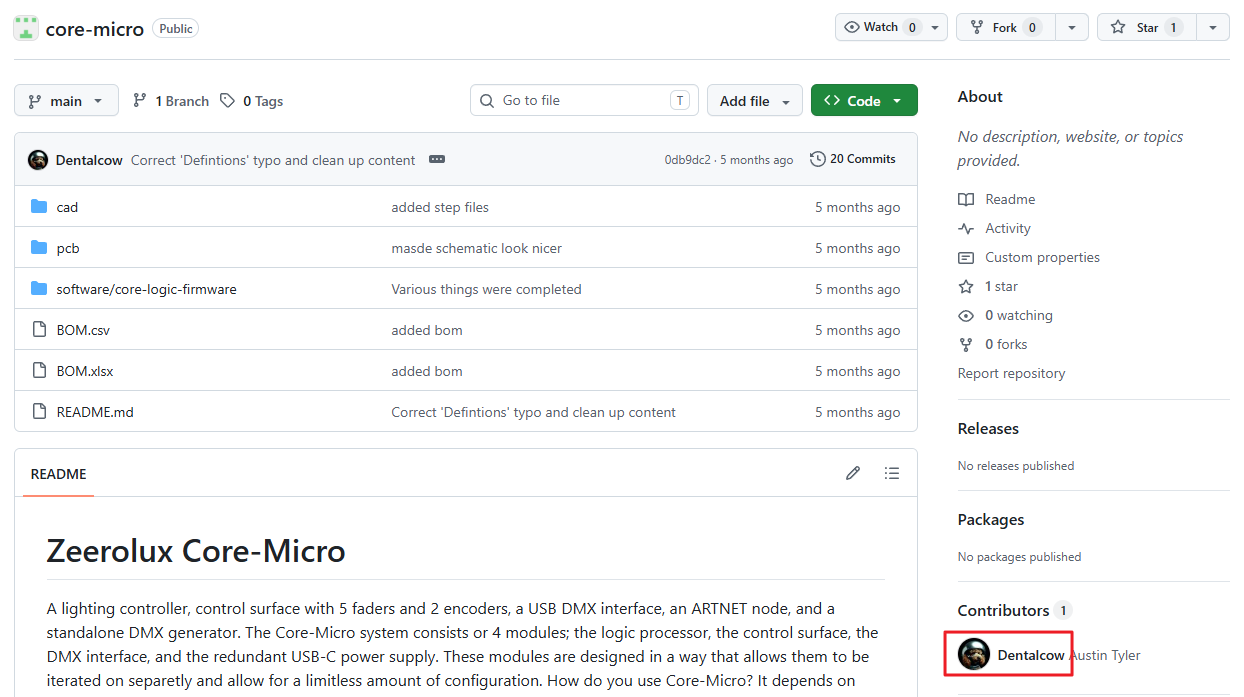
Core-Micro is published under the Zeerolux GitHub Organization, while the primary development is led by the GitHub user Dentalcow.
Based on publicly available GitHub activity, the developer has consistently worked on projects related to:
Professional lighting systems
Embedded hardware
PCB design
Audio equipment
3D modeling
Game development
Most recent repositories focus on DMX, Art-Net, RP2040, custom user interfaces, and PCB design for lighting equipment.
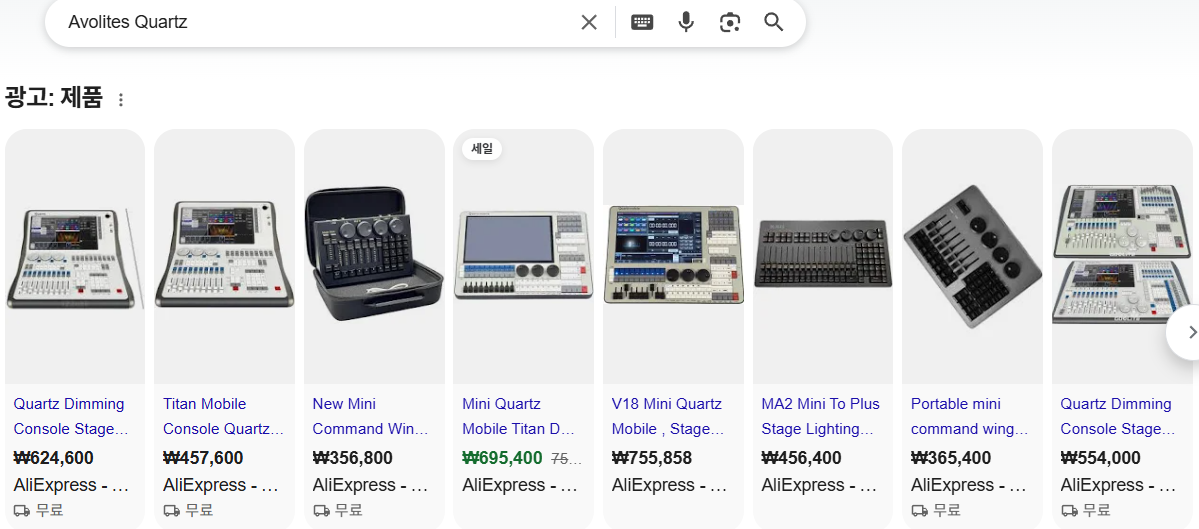
According to the project's README, the motivation came from the high cost and usability limitations of commercial lighting consoles. The developer decided to build a custom controller that better suited real-world workflow requirements.
No public information currently indicates that Zeerolux is a commercial company or that the developer is affiliated with a specific organization. At present, the project appears to be an independent open-source hardware initiative created by an individual maker.
What Does the Project Do?
Core-Micro is designed to be much more than a USB-to-DMX interface.
Its goal is to become a complete lighting control console (Control Surface).
Planned features include:
Five physical faders
Two rotary encoders
USB-DMX interface
Art-Net Node
Standalone DMX Generator
MIDI Controller (planned)
PC control software integration
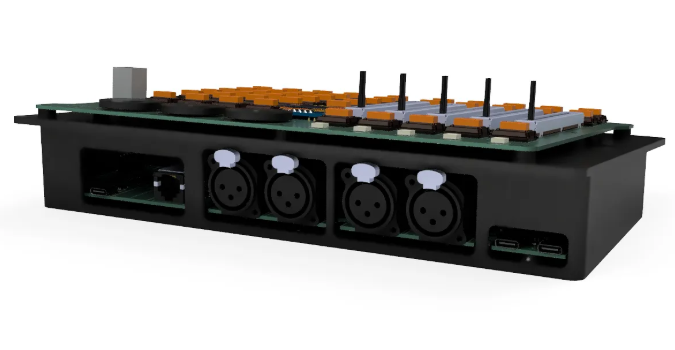
The hardware is organized into several dedicated boards:
Logic PCB
Surface PCB
DMX PCB
Power PCB
The design also includes dual USB-C power inputs for power redundancy, demonstrating an emphasis on professional-grade hardware architecture.
What Role Does the WIZnet W5500 Play?
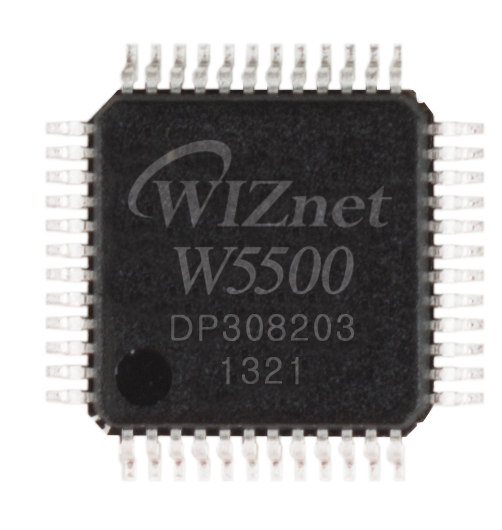
Within Core-Micro, the W5500 serves as the Ethernet interface for Art-Net communication.
Art-Net is one of the most widely used Ethernet-based lighting protocols, transporting DMX data over UDP.
The project assigns responsibilities as follows:
RP2040 handles lighting control logic and the user interface.
W5500 manages Ethernet communication.
The W5500 was chosen because it offers several advantages:
Hardware TCP/IP offloading significantly reduces the networking workload on the RP2040.
Up to eight hardware sockets eliminate the need for a software TCP/IP stack.
Wired Ethernet provides more consistent latency and higher reliability than Wi-Fi, making it well suited for synchronized lighting control.
The RP2040 can focus on DMX generation and UI processing while the W5500 independently handles network traffic.
In live lighting applications, predictable communication and reliability are generally more important than peak throughput, making the W5500 a practical solution.
Comparison with Existing WIZnet Makers Art-Net Projects
Several Art-Net projects are already available on WIZnet Makers. Most of them focus on converting Art-Net data into another interface or acting as network gateways.
| Project | Platform | WIZnet Product | Primary Purpose | Difference from Core-Micro |
|---|---|---|---|---|
| Core-Micro | RP2040 | W5500 | Lighting console + Art-Net + USB-DMX | Complete lighting control surface |
| 4-Universe Art-Net LED Controller | RP2040 | W5500-EVB-Pico | Art-Net → WS2812 LED | LED pixel controller |
| RP2040 Art-Net Node | W55RP20 | W55RP20 | Art-Net → WS2812 | Art-Net node implementation |
| Art-Net → Zigbee Bridge | ESP32-C6 | W5500 | Art-Net → Zigbee | Protocol bridge |
| Art-Net → ESP-NOW Bridge | ESP32 | W5500 | Art-Net → ESP-NOW | Wireless DMX bridge |
An interesting observation is that most existing projects are designed as Art-Net nodes or protocol converters.
Core-Micro, however, aims to combine:
Physical control interface
Ethernet networking
USB-DMX
Future MIDI support
Standalone lighting control
into a single platform.
In short:
Existing projects primarily transport Art-Net data.
Core-Micro aims to become the lighting console itself.
This represents the project's biggest distinguishing characteristic.
Current Development Status
The repository already includes:
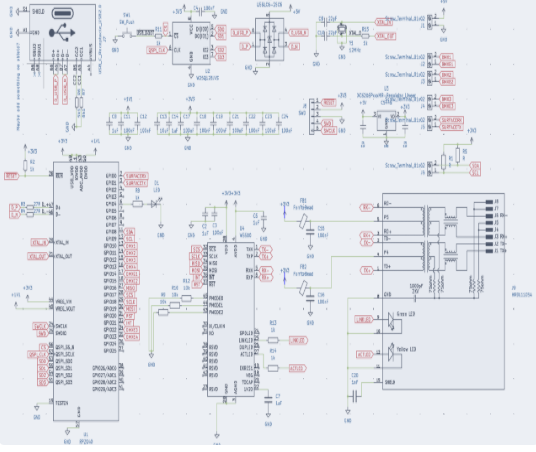
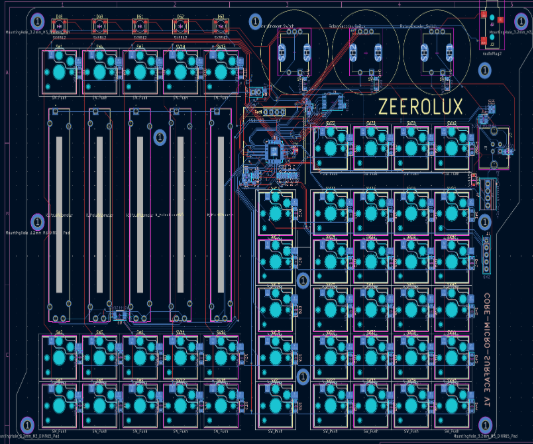
PCB design files
STEP models
Bill of Materials (BOM)
Photos of assembled hardware
Firmware source code
The software, however, is still in an early stage.
The README describes the current firmware as a minimal implementation intended to verify DMX and Art-Net functionality.
Future plans include:
MIDI mode
Standalone operation
Dedicated PC software
At the time of writing, there is no publicly available evidence of:
Commercial product sales
Mass production
Deployment in live productions
User reviews
Therefore, Core-Micro should currently be viewed as a working hardware prototype rather than a commercial product.
Why This Project Matters
Many DIY lighting projects rely on either USB interfaces or Wi-Fi-based Art-Net.
Core-Micro instead combines:
RP2040
W5500 Ethernet
DMX output
Modular PCB architecture
Redundant power input
Physical lighting control interface
into a unified hardware platform.
The use of wired Ethernet through the W5500 is particularly well suited to professional lighting environments where communication reliability is essential.
Among the Art-Net projects currently published on WIZnet Makers, few focus on building a complete lighting control surface, making Core-Micro a unique example.
Practical Tips
Keep the SPI connection between the RP2040 and W5500 as short and clean as possible.
Verify Ethernet link status before processing Art-Net packets.
Separate the Ethernet circuitry from the DMX circuitry on the PCB to reduce electrical noise.
Static IP addressing is generally easier to manage than DHCP in live production environments.
If future features such as MIDI over IP or remote configuration are added, consider W5500 socket allocation during system design.
FAQ
Why was the W5500 chosen?
The W5500 includes a hardware TCP/IP stack, allowing the RP2040 to concentrate on lighting control and user interface tasks instead of network processing. It is particularly well suited for UDP-based protocols such as Art-Net.
How are the RP2040 and W5500 connected?
They communicate over an SPI interface. The RP2040 runs the application while the W5500 manages Ethernet frame transmission and reception.
What role does the W5500 play in this project?
It provides the Ethernet interface for the Art-Net node, enabling UDP-based communication between lighting software and DMX equipment while connecting the console to the external network.
Is this project suitable for beginners?
Not entirely. Building the project requires knowledge of PCB fabrication, SMT soldering, RP2040 firmware development, Ethernet networking, and the DMX protocol. It is better suited to intermediate or advanced makers.
Why use wired Ethernet instead of Wi-Fi?
Art-Net is widely used in professional lighting, where consistent latency and reliable communication are critical. Wired Ethernet generally provides lower interference and more predictable network performance than Wi-Fi, making it a better fit for controlling multiple lighting fixtures.
Conclusion
Although Core-Micro is not yet a commercial product, it demonstrates an ambitious open-source effort to build a complete lighting console around the RP2040 and W5500.
Unlike many existing WIZnet Makers Art-Net projects that focus primarily on protocol conversion or node functionality, Core-Micro aims to create a complete control surface that users can directly operate.
Within this architecture, the W5500 serves as more than just an Ethernet controller—it becomes the essential networking interface connecting the lighting console to the Art-Net ecosystem, illustrating why wired Ethernet remains an excellent choice for professional lighting applications.
Original Project
https://github.com/zeerolux/core-micro
Author
Dentalcow (GitHub) / Zeerolux Organization
RP2040과 W5500으로 오픈소스 Art-Net 조명 컨트롤러를 만드는 방법
프로젝트 개요
Core-Micro는 RP2040 마이크로컨트롤러와 WIZnet W5500 Ethernet 컨트롤러를 기반으로 개발 중인 오픈소스 조명 제어 플랫폼입니다. Art-Net과 DMX를 중심으로 USB-DMX 인터페이스, 물리적인 페이더와 엔코더, 향후 MIDI 기능까지 하나의 장치에 통합하는 것을 목표로 합니다. 특히 W5500을 이용한 유선 Ethernet 기반 Art-Net 통신을 채택하여 공연 조명 환경에서 요구되는 안정적인 네트워크 연결과 예측 가능한 통신 지연을 구현하고자 합니다.
프로젝트 작성자 소개
Core-Micro는 Zeerolux GitHub Organization에서 공개되었으며, 실제 개발은 GitHub 사용자 Dentalcow가 주도하고 있습니다.
공개된 GitHub 활동을 보면 개발자는 다음과 같은 분야에 꾸준히 관심을 가지고 있습니다.
- 공연 조명 시스템
- 임베디드 하드웨어
- PCB 설계
- 오디오 장비
- 3D 모델링
- 게임 개발
특히 최근 저장소들은 대부분 DMX, Art-Net, RP2040, 사용자 입력 장치, PCB 설계 등 공연 조명 장비 제작과 관련되어 있습니다.
README에서는 상용 조명 콘솔의 높은 가격과 사용하면서 느꼈던 불편함 때문에 직접 조명 컨트롤러를 만들기 시작했다고 밝히고 있습니다. 따라서 실제 공연 조명 환경을 경험한 사용자가 자신의 요구사항을 해결하기 위해 시작한 프로젝트라는 점이 인상적입니다.
현재 공개된 자료 기준으로는 Zeerolux가 기업으로 운영된다는 정보나 개발자의 회사 소속은 확인되지 않습니다. 따라서 현 시점에서는 개인 메이커가 진행하는 오픈소스 하드웨어 프로젝트로 보는 것이 적절합니다.
프로젝트가 하는 일
Core-Micro는 단순한 USB-DMX 인터페이스가 아니라 조명 콘솔(Control Surface) 자체를 만드는 것을 목표로 합니다.
현재 계획된 주요 기능은 다음과 같습니다.
- 5개의 물리 페이더
- 2개의 로터리 엔코더
- USB-DMX 인터페이스
- Art-Net Node
- Standalone DMX Generator
- MIDI Controller(개발 예정)
- PC 제어 소프트웨어 연동
하드웨어는 기능별로 다음과 같이 모듈화되어 있습니다.
- Logic PCB
- Surface PCB
- DMX PCB
- Power PCB
또한 USB-C 이중 전원 입력(Power Redundancy)도 고려하여 설계되어 있어 실제 장비 수준의 하드웨어 구성을 지향하고 있습니다.
WIZnet W5500은 어떤 역할을 할까?
Core-Micro에서 WIZnet W5500은 Art-Net 통신을 위한 Ethernet 인터페이스를 담당합니다.
Art-Net은 DMX 데이터를 UDP 기반 Ethernet으로 전달하는 대표적인 공연 조명 프로토콜입니다. 프로젝트에서는 RP2040이 조명 제어와 사용자 인터페이스를 담당하고, W5500이 Ethernet 통신을 처리하는 구조를 사용합니다.
W5500을 사용하는 이유는 다음과 같습니다.
- 하드웨어 TCP/IP 오프로딩을 통해 RP2040의 네트워크 처리 부담을 줄일 수 있습니다.
- 최대 8개의 하드웨어 소켓을 제공하여 별도의 소프트웨어 TCP/IP 스택 없이 Ethernet 통신을 구현할 수 있습니다.
- 유선 Ethernet은 Wi-Fi보다 일정한 지연시간과 높은 신뢰성을 제공하여 공연 조명과 같이 동기화가 중요한 환경에 적합합니다.
- RP2040은 DMX 생성과 UI 처리에 집중하고, W5500은 네트워크 통신을 전담하는 역할 분담 구조를 만들 수 있습니다.
공연 조명에서는 최고 속도보다 끊김 없는 안정적인 통신과 일정한 응답시간이 더 중요하기 때문에 W5500과 같은 하드웨어 Ethernet 컨트롤러가 적합한 선택이 될 수 있습니다.
기존 WIZnet Makers Art-Net 프로젝트와 비교
WIZnet Makers에는 이미 Art-Net을 활용한 다양한 프로젝트가 공개되어 있습니다. 대부분은 W5500을 이용해 Art-Net 데이터를 다른 장치로 전달하는 Node 또는 Gateway 역할에 집중하고 있습니다.
| 프로젝트 | 플랫폼 | WIZnet 제품 | 주요 목적 | Core-Micro와의 차이 |
|---|---|---|---|---|
| Core-Micro | RP2040 | W5500 | 조명 콘솔 + Art-Net + USB-DMX | 사용자가 직접 조명을 제어하는 Control Surface |
| 4-Universe Art-Net LED Controller | RP2040 | W5500-EVB-Pico | Art-Net → WS2812 LED | LED Pixel Controller |
| RP2040 Art-Net Node | W55RP20 | W55RP20 | Art-Net → WS2812 | LED Node 구현 |
| ArtNet → Zigbee Bridge | ESP32-C6 | W5500 | Art-Net → Zigbee | 프로토콜 브리지 |
| ArtNet → ESP-NOW Bridge | ESP32 | W5500 | Art-Net → ESP-NOW | 무선 DMX 브리지 |
흥미로운 점은 대부분의 프로젝트가 Art-Net을 다른 인터페이스로 변환하는 장치(Node)를 만드는 데 초점을 맞추고 있다는 것입니다.
반면 Core-Micro는 Art-Net Node 하나를 만드는 것이 아니라,
- 사용자가 직접 조작하는 물리적인 인터페이스
- Ethernet 통신
- USB-DMX
- 향후 MIDI
- 독립형 조명 제어 기능
까지 하나의 장치에 통합하려는 프로젝트입니다.
즉,
기존 프로젝트가 Art-Net 데이터를 전달하는 장치라면, Core-Micro는 Art-Net을 사용하는 조명 콘솔 자체를 만드는 프로젝트라는 점이 가장 큰 차별점입니다.
개발 현황
현재 저장소에는 다음 자료들이 공개되어 있습니다.
- PCB 설계 파일
- STEP 모델
- BOM
- 실제 제작 사진
- 펌웨어 소스
반면 소프트웨어는 아직 개발 초기 단계입니다.
README에서도 현재 펌웨어를 DMX와 Art-Net 동작을 확인하기 위한 최소 기능(minimal version)이라고 설명하고 있으며,
향후에는
- MIDI Mode
- Standalone Mode
- 전용 PC 프로그램
등이 추가될 예정입니다.
또한 현재 기준으로 공개적으로 확인되는 자료에서는
- 제품 판매
- 양산
- 공연 현장 적용 사례
- 사용자 리뷰
등은 확인되지 않았습니다.
따라서 Core-Micro는 실제로 제작되어 동작하는 하드웨어 프로토타입이지만, 아직 상용 제품으로 출시된 단계는 아닌 오픈소스 프로젝트라고 볼 수 있습니다.
이 프로젝트가 의미 있는 이유
DIY 조명 장비 프로젝트는 흔히 USB 인터페이스나 Wi-Fi 기반 Art-Net을 사용하는 경우가 많습니다.
Core-Micro는 여기에
- RP2040
- W5500 Ethernet
- DMX 출력
- 모듈형 PCB
- 전원 이중화
- 물리적인 조명 컨트롤 인터페이스
를 하나의 플랫폼으로 통합하려고 합니다.
특히 W5500을 이용한 유선 Ethernet 기반 Art-Net 통신은 공연 조명처럼 안정성이 중요한 환경에서 실용적인 선택입니다.
또한 현재 WIZnet Makers에 공개된 Art-Net 프로젝트들 가운데 '조명 콘솔(Control Surface)' 자체를 목표로 하는 프로젝트는 드문 사례라는 점에서도 의미가 있습니다.
실무 팁
- RP2040과 W5500 사이의 SPI 배선은 최대한 짧고 안정적으로 설계하는 것이 좋습니다.
- Ethernet Link 상태를 확인한 뒤 Art-Net 패킷을 처리하는 것이 안정적입니다.
- DMX 회로와 Ethernet 회로는 노이즈 영향을 줄이기 위해 PCB에서 분리하는 것이 좋습니다.
- 공연장에서는 DHCP보다 고정 IP를 사용하는 것이 관리가 편리합니다.
- 향후 MIDI over IP나 원격 설정 기능을 추가할 경우 W5500의 소켓 자원을 고려하여 설계하는 것이 좋습니다.
FAQ
왜 W5500을 사용했나요?
W5500은 하드웨어 TCP/IP 스택을 내장하고 있어 RP2040이 네트워크 처리 대신 조명 제어와 사용자 인터페이스에 집중할 수 있도록 도와줍니다. 또한 Art-Net과 같은 UDP 기반 Ethernet 프로토콜을 구현하기에 적합합니다.
RP2040과 W5500은 어떻게 연결되나요?
SPI 인터페이스를 통해 연결됩니다. RP2040이 애플리케이션을 실행하고 W5500이 Ethernet 프레임의 송수신을 담당합니다.
이 프로젝트에서 W5500은 어떤 역할을 하나요?
Art-Net Node의 Ethernet 인터페이스 역할을 수행합니다. 조명 소프트웨어와 DMX 데이터를 UDP 기반으로 주고받으며, 콘솔을 외부 네트워크와 연결하는 핵심 통신 장치입니다.
초보자도 따라 만들 수 있나요?
PCB 제작, SMT 납땜, RP2040 펌웨어 개발, Ethernet 및 DMX 프로토콜에 대한 기본적인 이해가 필요하므로 중급 이상의 메이커에게 적합합니다.
Wi-Fi 대신 W5500 기반 Ethernet을 사용하는 이유는 무엇인가요?
Art-Net은 공연 조명에서 널리 사용되는 프로토콜로, 일정한 지연시간과 안정적인 통신이 중요합니다. 유선 Ethernet은 Wi-Fi보다 간섭이 적고 통신 품질이 일정하기 때문에 다수의 조명을 동시에 제어하는 환경에 적합합니다.
마무리
Core-Micro는 아직 상용 제품은 아니지만, RP2040과 W5500을 기반으로 실제 조명 콘솔을 직접 설계하고 구현하고 있는 흥미로운 오픈소스 프로젝트입니다.
특히 기존 WIZnet Makers의 Art-Net 프로젝트들이 대부분 Art-Net 데이터를 변환하는 Node에 초점을 맞추고 있는 것과 달리, Core-Micro는 사용자가 직접 조명을 제어하는 콘솔(Control Surface)을 만드는 것을 목표로 한다는 점에서 차별화됩니다.
W5500은 이 프로젝트에서 단순한 Ethernet 컨트롤러를 넘어 Art-Net 네트워크와 조명 제어 플랫폼을 연결하는 핵심 인터페이스 역할을 수행하며, 안정적인 유선 통신이 중요한 공연 조명 환경에 적합한 선택임을 보여주는 사례입니다.
원문
Original Project
https://github.com/zeerolux/core-micro
Author
Dentalcow (GitHub) / Zeerolux Organization