



BEM104
BEM104 is a dual-channel Ethernet relay module supporting HTTP, Modbus-TCP, EasyBus, and Auto Ping for stable remote power control in industrial networks.
Summary
BEM104는 10/100Base-T 이더넷을 통해 2채널 릴레이를 원격 제어할 수 있는 Ethernet Relay Module입니다. HTTP, Modbus-TCP, EasyBus-TCP를 지원하며 Auto Ping(Watchdog) 기능을 통해 네트워크 장비의 무인 복구가 가능합니다. 5~24V DC 전원 입력과 250VAC/10A 릴레이 출력을 지원하여 산업용 및 인프라 환경에 적합합니다.
What the Project Does
BEM104는 유선 이더넷 기반의 원격 전원 제어 장치입니다.
기본 구조는 다음과 같습니다:
- 입력: 이더넷 패킷 (HTTP / Modbus-TCP 등)
- 처리: 내부 네트워크 스택 → 명령 파싱 → 릴레이 제어 로직
- 출력: 2채널 릴레이 접점 On/Off 제어
이 모듈은 단순한 원격 스위치가 아니라, 다음과 같은 시스템 구성에 사용됩니다:
- 네트워크 장비(공유기, 서버)의 원격 재부팅
- PLC 또는 SCADA와 연동되는 산업 설비 제어
- 웹 기반 대시보드와 연동한 전원 제어
- 주기적 On/Off 자동화(Cycle Mode)
즉, BEM104는 “Ethernet(W5500) → Relay Control”을 직접 매핑하는 하드웨어 네트워크 액추에이터입니다.
What is the X-Connect ?
중앙 컨트롤러(PC, 서버) 없이 BEM 시리즈 모듈끼리 직접 I/O를 매핑하는 기능입니다.
⚙ X-Connect 동작 원리
매뉴얼 6.1 X-Connect Map Setting (29~30페이지) 기준:
각 매핑에 대해 설정해야 하는 항목:
- 어떤 입력 채널을 사용할지
- 어떤 모듈(IP 주소)
- 그 모듈의 어떤 출력 채널
예시 (매뉴얼 29페이지):
What is the EasyBUS?
HTTP보다 가볍고, Modbus-TCP보다 단순한 제조사 전용 TCP 명령 프로토콜입니다.
Client → TCP Connect → Command → ResponseHTTP처럼 헤더가 없고, Modbus처럼 레지스터 구조도 아닙니다.
상대적으로 단순한 ASCII 명령 구조입니다.
📊 HTTP vs EasyBus 차이
| 항목 | HTTP | EasyBus |
|---|---|---|
| 통신 구조 | 웹 요청/응답 | Raw TCP |
| 오버헤드 | 큼 (Header 포함) | 작음 |
| 속도 | 일반적 | 더 빠름 |
| 브라우저 사용 | 가능 | 불가 |
| 산업 통합 | 제한적 | 커스텀 제어 적합 |
Where BEM104 Fits in Network Architecture
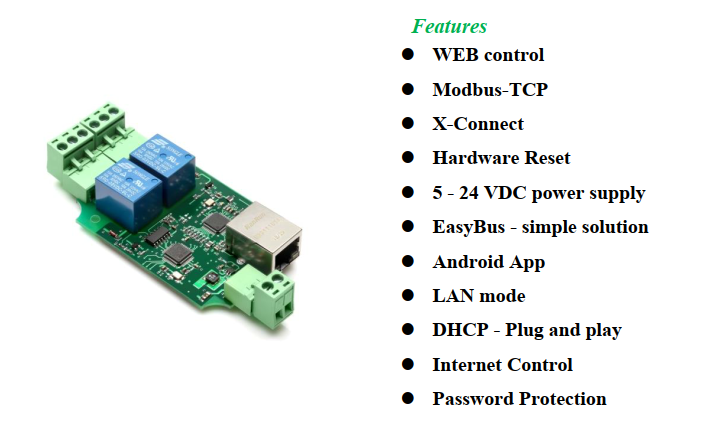
BEM104는 MCU + Ethernet PHY + 릴레이 드라이버가 통합된 구조의 독립형 장치입니다.
1) 네트워크 계층 역할
- 10/100Base-T 유선 이더넷 인터페이스
- DHCP 지원 (Plug & Play)
- HTTP 제어 (URL 기반 명령)
- Modbus-TCP 산업 표준 지원
- EasyBus-TCP 경량 제어
- Auto Ping 기반 Watchdog
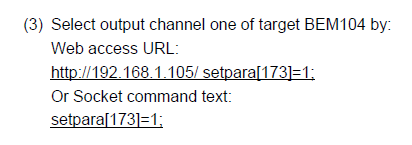
특히 HTTP 제어는 다음과 같은 단순한 방식으로 동작합니다:
http://192.168.1.105/k01=1이 요청은 릴레이 1번을 ON으로 전환합니다.
웹 브라우저, 서버 스크립트, 모바일 앱 어디에서든 동일하게 동작합니다.
Modbus-TCP 지원은 기존 PLC/SCADA 환경과의 통합을 가능하게 합니다. 이는 단순 IoT 제품이 아닌 산업 네트워크 장치로 확장 가능함을 의미합니다.
2) Auto Ping (Network Watchdog) 구조
Auto Ping 기능은 다음과 같이 동작합니다:
- 지정된 IP 주소로 주기적 Ping 전송
- 응답 없음(Timeout) 발생
- 릴레이 자동 동작 (전원 Off → On)
- 네트워크 장비 재부팅
이는 소프트웨어 Watchdog이 아니라 물리적 전원 제어 기반 복구 시스템입니다.
원격 무인 기지국, 서버실, IoT 게이트웨이 환경에서 특히 유용합니다.
Hardware Architecture and Electrical Characteristics
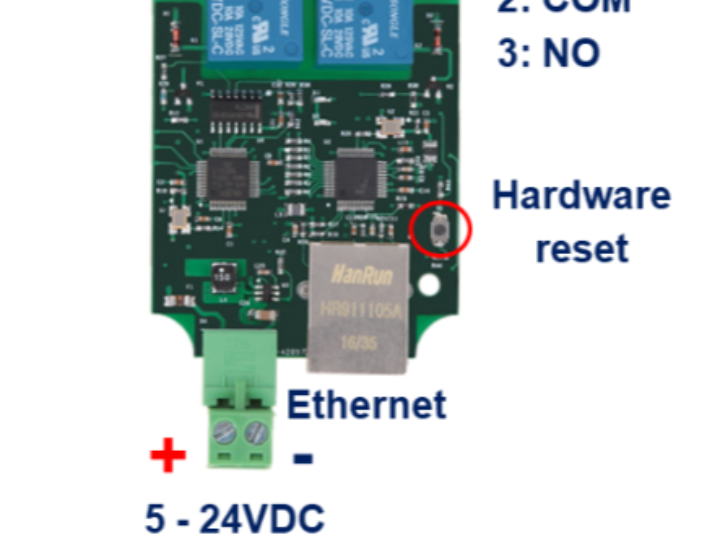
BEM104는 단순 네트워크 모듈이 아니라 전력 제어 장치입니다.
전원 입력
- 5~24V DC 광범위 입력
- 산업용 전원 시스템과 직접 연결 가능
- 12V / 24V 시스템 호환
이 광범위 전압 지원은 현장 배선 단순화를 의미합니다.
릴레이 출력 사양
- 2채널 릴레이
- 최대 250VAC / 10A
- 12VDC / 10A 지원
이는 단순 로직 제어가 아닌:
- AC 전원 라인 직접 제어
- 고전류 부하 스위칭
- 산업 설비 전원 제어
가 가능함을 의미합니다.
유선 이더넷 기반 안정성
Wi-Fi 릴레이 모듈과 비교했을 때:
| 항목 | Ethernet (BEM104) | Wi-Fi Relay |
|---|---|---|
| 지연 안정성 | 일정 | 무선 간섭 영향 |
| 네트워크 복구 | Auto Ping 하드웨어 제어 | 소프트웨어 의존 |
| 산업 환경 | EMI에 강함 | 무선 간섭 취약 |
| 구성 난이도 | DHCP Plug & Play | SSID/비밀번호 설정 필요 |
특히 네트워크 장비 복구 용도에서는
Wi-Fi 기반 장치가 동일 네트워크 장애에 영향을 받을 수 있는 반면,
유선 Ethernet 기반은 상대적으로 안정적입니다.
Implementation Notes
1) DHCP 환경에서의 빠른 배치
- 전원 인가
- LAN 케이블 연결
- DHCP 자동 IP 할당
- 별도의 설정 없이 즉시 네트워크 접속 가능.
2) HTTP 기반 제어 자동화
- 웹 서버 스크립트에서 URL 호출 가능
- cron + curl 조합으로 스케줄 제어 가능
- REST API처럼 활용 가능
3) Modbus-TCP 통합 시 주의점
- 포트 설정 확인
- PLC Polling 주기 과도 설정 금지
- 네트워크 분리(VLAN) 권장
4) Auto Ping 설정 시 고려사항
- Ping 대상은 반드시 상위 핵심 장비
- 재부팅 지연 시간 충분히 확보
- 반복 재부팅 방지 설정 필요
5) 릴레이 부하 설계
- 인덕티브 부하 시 서지 보호 권장
- AC 라인 접점 용량 초과 금지
- 접점 수명 고려한 스위칭 빈도 설계
FAQ
Q1: 왜 BEM104에 W5500을 사용하는 것이 적합한가요?
A: W5500은 하드웨어 TCP/IP 스택을 내장한 TOE(TCP/IP Offload Engine) 칩입니다. HTTP, Modbus-TCP, EasyBus와 같은 TCP 기반 프로토콜을 MCU가 직접 처리하지 않아도 되므로 CPU 부하가 낮고 지연이 안정적입니다. 릴레이 제어와 네트워크 처리를 동시에 수행해야 하는 장치에 적합합니다.
Q2: W5500이 Auto Ping 기능에 어떤 이점을 제공하나요?
A: Auto Ping은 지속적인 TCP/IP 통신 안정성이 핵심입니다. W5500은 8개의 하드웨어 소켓과 32KB 내부 버퍼를 통해 안정적인 패킷 처리를 수행하며, 네트워크 오류 상황에서도 MCU 개입 없이 기본 TCP 세션을 유지할 수 있습니다. 이는 Watchdog 기반 전원 복구 기능의 신뢰성을 높입니다.
Q3: BEM104에서 W5500은 어떤 역할을 하나요?
A: W5500은 네트워크 전송 계층을 담당합니다.
구조적으로는:
- MCU → SPI → W5500 → RJ45 (Ethernet PHY)
MCU는 릴레이 제어 로직과 명령 파싱에 집중하고,
W5500이 TCP/IP 스택과 패킷 처리를 전담합니다.
Q4: MCU 내장 Ethernet MAC을 쓰지 않고 W5500을 사용하는 이유는 무엇인가요?
A: MCU 내장 MAC을 사용할 경우 LwIP 같은 소프트웨어 TCP/IP 스택이 필요하며, 이는 RAM 사용량 증가와 CPU 부하 상승을 유발합니다. 반면 W5500은 TCP/IP를 하드웨어에서 처리하므로 코드 복잡도가 줄고 펌웨어 안정성이 높아집니다. 산업용 장치에서는 이 안정성이 중요합니다.
Q5: W5500 기반 구조가 Wi-Fi 릴레이보다 유리한 점은 무엇인가요?
A: Wi-Fi 모듈은 무선 간섭, RSSI 변화, 재연결 이슈에 영향을 받습니다. W5500 기반 유선 Ethernet은 물리적 링크가 안정적이며, 네트워크 장비 복구 목적의 Auto Ping 기능과 조합 시 더 예측 가능한 동작을 제공합니다.
Q6: W5500의 소켓 수(8개)는 BEM104에 어떤 의미가 있나요?
A: 동시에 여러 프로토콜을 처리할 수 있습니다. 예를 들어:
- HTTP 세션
- Modbus-TCP 세션
- EasyBus 세션
- Auto Ping 체크
이들을 병렬로 운영할 수 있어 산업 네트워크 환경에 적합합니다.
Summary
BEM104 is an Ethernet Relay Module that allows remote control of 2 relay channels over 10/100Base-T Ethernet. It supports HTTP, Modbus-TCP, and EasyBus-TCP, and enables unmanned recovery of network equipment through the Auto Ping (Watchdog) function. It supports a 5–24V DC power input and 250VAC/10A relay outputs, making it suitable for industrial and infrastructure environments.
What the Project Does
BEM104 is a wired Ethernet-based remote power control device.
The basic structure is as follows:
- Input: Ethernet packets (HTTP / Modbus-TCP, etc.)
- Processing: Internal network stack → command parsing → relay control logic
- Output: On/Off control of 2-channel relay contacts
This module is not just a simple remote switch, but is used in system configurations such as:
- Remote rebooting of network equipment (routers, servers)
- Industrial facility control integrated with PLC or SCADA
- Power control linked to web-based dashboards
- Periodic On/Off automation (Cycle Mode)
In other words, BEM104 is a hardware network actuator that directly maps “Ethernet → Relay Control.”
Where BEM104 Fits in Network Architecture
BEM104 has a standalone device structure integrating MCU + Ethernet PHY + relay driver.
1) Role at the Network Layer
- 10/100Base-T wired Ethernet interface
- DHCP support (Plug & Play)
- HTTP control (URL-based commands)
- Modbus-TCP industrial standard support
- EasyBus-TCP lightweight control
- Auto Ping-based Watchdog
In particular, HTTP control operates in the following simple way:
http://192.168.1.105/k01=1
This request turns Relay 1 ON.
It works identically from a web browser, server script, or mobile app.
Support for Modbus-TCP enables integration with existing PLC/SCADA environments. This means it can expand beyond a simple IoT product into an industrial network device.
2) Auto Ping (Network Watchdog) Structure
The Auto Ping function operates as follows:
- Periodic Ping transmission to a designated IP address
- No response (Timeout) occurs
- Relay operates automatically (Power Off → On)
- Network equipment reboots
This is not a software Watchdog, but a physical power control-based recovery system.
It is particularly useful in remote unmanned base stations, server rooms, and IoT gateway environments.
Hardware Architecture and Electrical Characteristics
BEM104 is not just a simple network module, but a power control device.
Power Input
- 5–24V DC wide-range input
- Direct connection to industrial power systems
- Compatible with 12V / 24V systems
- This wide voltage support means simplified on-site wiring.
Relay Output Specifications
- 2-channel relays
- Up to 250VAC / 10A
- Supports 12VDC / 10A
- This means it enables:
- Direct control of AC power lines
- High-current load switching
- Industrial equipment power control
Stability Based on Wired Ethernet
Compared to Wi-Fi relay modules:
| Item | Ethernet (BEM104) | Wi-Fi Relay |
|---|---|---|
| Latency Stability | Consistent | Affected by wireless interference |
| Network Recovery | Auto Ping hardware control | Software dependent |
| Industrial Environment | Strong against EMI | Vulnerable to wireless interference |
| Configuration Complexity | DHCP Plug & Play | Requires SSID/password setup |
Especially for network equipment recovery use cases,
Wi-Fi-based devices may be affected by the same network failure,
whereas wired Ethernet-based systems are relatively more stable.
Implementation Notes
1) Rapid Deployment in DHCP Environments
- Apply power
- Connect LAN cable
- Automatic IP assignment via DHCP
- Immediate network access without separate configuration.
2) HTTP-Based Control Automation
- URL calls possible from web server scripts
- Scheduled control via cron + curl combination
- Can be used like a REST API
3) Considerations When Integrating Modbus-TCP
- Check port settings
- Avoid excessive PLC polling cycles
- VLAN network separation recommended
4) Considerations When Configuring Auto Ping
- Ping target must be a core upstream device
- Ensure sufficient reboot delay time
- Prevent repeated reboot loops
5) Relay Load Design
- Surge protection recommended for inductive loads
- Do not exceed AC contact rating
- Design switching frequency considering contact lifespan
FAQ
Q1: Why is it suitable to use the W5500 in the BEM104?
A: The W5500 is a TOE (TCP/IP Offload Engine) chip with a built-in hardware TCP/IP stack. Since TCP-based protocols such as HTTP, Modbus-TCP, and EasyBus do not need to be processed directly by the MCU, CPU load is reduced and latency remains stable. It is well suited for devices that must handle both relay control and network processing simultaneously.
Q2: What advantages does the W5500 provide for the Auto Ping function?
A: Auto Ping relies on stable and continuous TCP/IP communication. The W5500 supports 8 hardware sockets and 32KB of internal buffer memory, enabling stable packet processing. Even during network error conditions, basic TCP sessions can be maintained without heavy MCU intervention. This increases the reliability of Watchdog-based power recovery functionality.
Q3: What role does the W5500 play in the BEM104?
A: The W5500 handles the network transport layer.
Structurally:
- MCU → SPI → W5500 → RJ45 (Ethernet PHY)
The MCU focuses on relay control logic and command parsing, while the W5500 is responsible for the TCP/IP stack and packet processing.
Q4: Why use the W5500 instead of an MCU with a built-in Ethernet MAC?
A: When using an MCU’s internal MAC, a software TCP/IP stack such as LwIP is required, which increases RAM usage and CPU load. In contrast, the W5500 processes TCP/IP in hardware, reducing code complexity and improving firmware stability. This stability is particularly important in industrial devices.
Q5: What advantages does a W5500-based architecture have over Wi-Fi relay solutions?
A: Wi-Fi modules are affected by wireless interference, RSSI fluctuations, and reconnection issues. A wired Ethernet solution based on the W5500 provides a stable physical link and, when combined with the Auto Ping function for network equipment recovery, delivers more predictable operation.
Q6: What does the W5500’s 8-socket capability mean for the BEM104?
A: It allows multiple protocols to be handled simultaneously. For example:
- HTTP sessions
- Modbus-TCP sessions
- EasyBus sessions
- Auto Ping checks
-
document
