



STM32 Ethernet with W5500 (PART 7): STM32 as MQTT client
STM32 with W5500 tutorial shows how to implement an MQTT client over Ether, enabling pub/sub IoT communication and realtime control with hardware TCP/IP support
👤AUTHOR
A maker/embedded developer demonstrating how to use the WIZnet W5500 Ethernet controller with an STM32 microcontroller to implement a full MQTT client stack.
The series (PART 7) focuses specifically on network-level MQTT operations with publish/subscribe messaging.
🔗 YouTube Video: https://www.youtube.com/watch?v=Qr-dgzsofiY
🎯PROJECT DESCRIPTION
Created on December 13, 2025 ~ December 17,2025
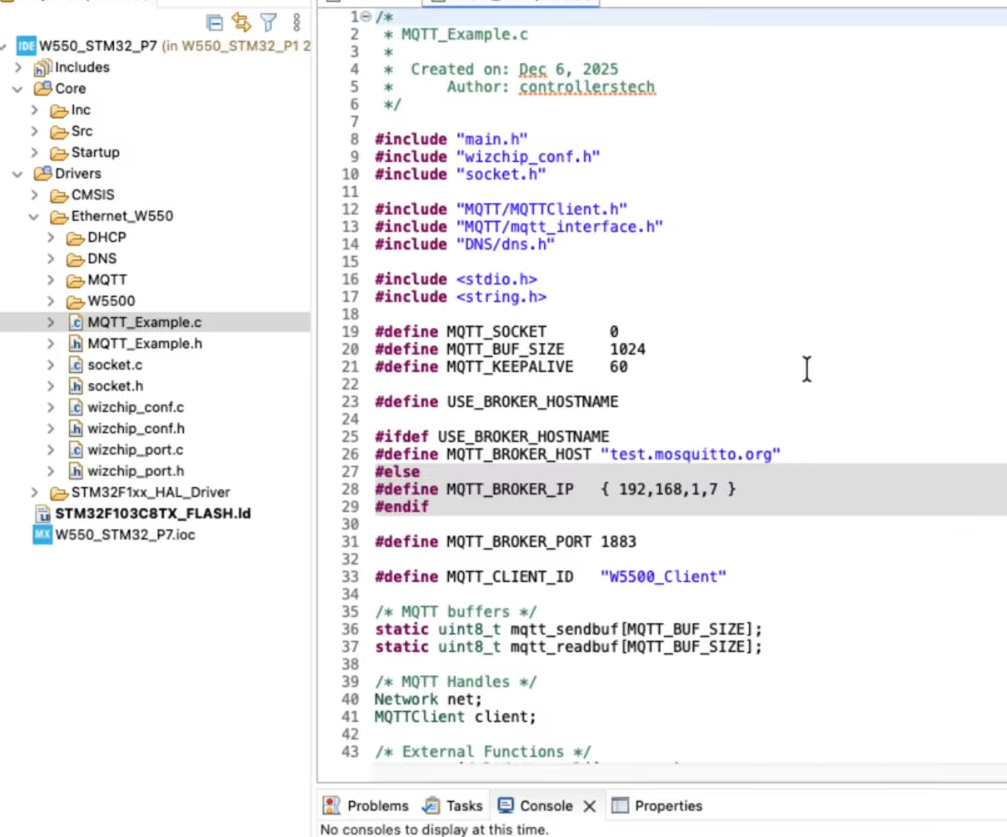
This video shows how to configure an STM32 microcontroller to communicate over Ethernet using the W5500 hardware TCP/IP controller and connect to an MQTT broker.
The goal is to enable the STM32 to act as a fully functional MQTT client, capable of:
- Publishing sensor data to an MQTT topic
- Subscribing to control topics for remote commands
- Handling network connectivity reliably over Ethernet
- Supporting real-time data exchange between embedded device and server/cloud
Unlike simple TCP examples, using MQTT allows efficient publish/subscribe messaging—ideal for IoT and remote monitoring.
🧩KEY COMPONENTS USED
🧠 Hardware
- STM32 Microcontroller (any Cortex-M series supporting Ethernet + SPI)
- WIZnet W5500 Ethernet Controller – provides hardware TCP/IP stack
- Ethernet PHY + RJ45
- Optional sensors/actuators interfaced with STM32
🔌 Network & Protocol
- Ethernet physical link via W5500
- MQTT protocol (TCP 1883)
- MQTT broker (could be local or cloud, e.g., Mosquitto)
🧠 SYSTEM OVERVIEW
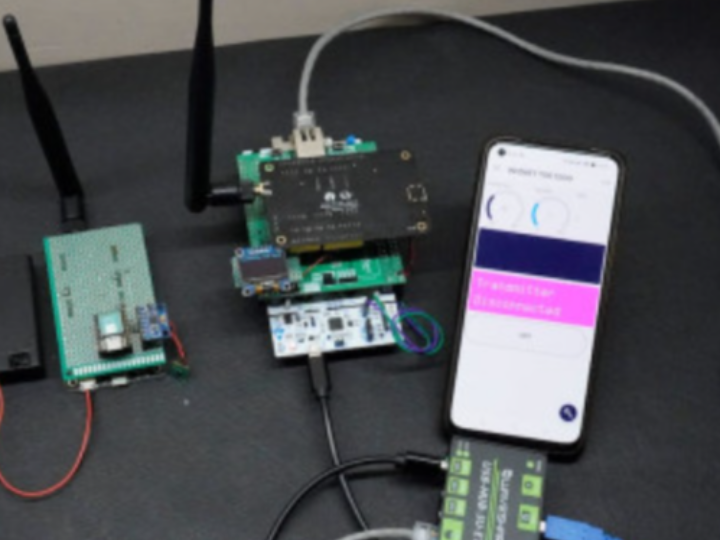
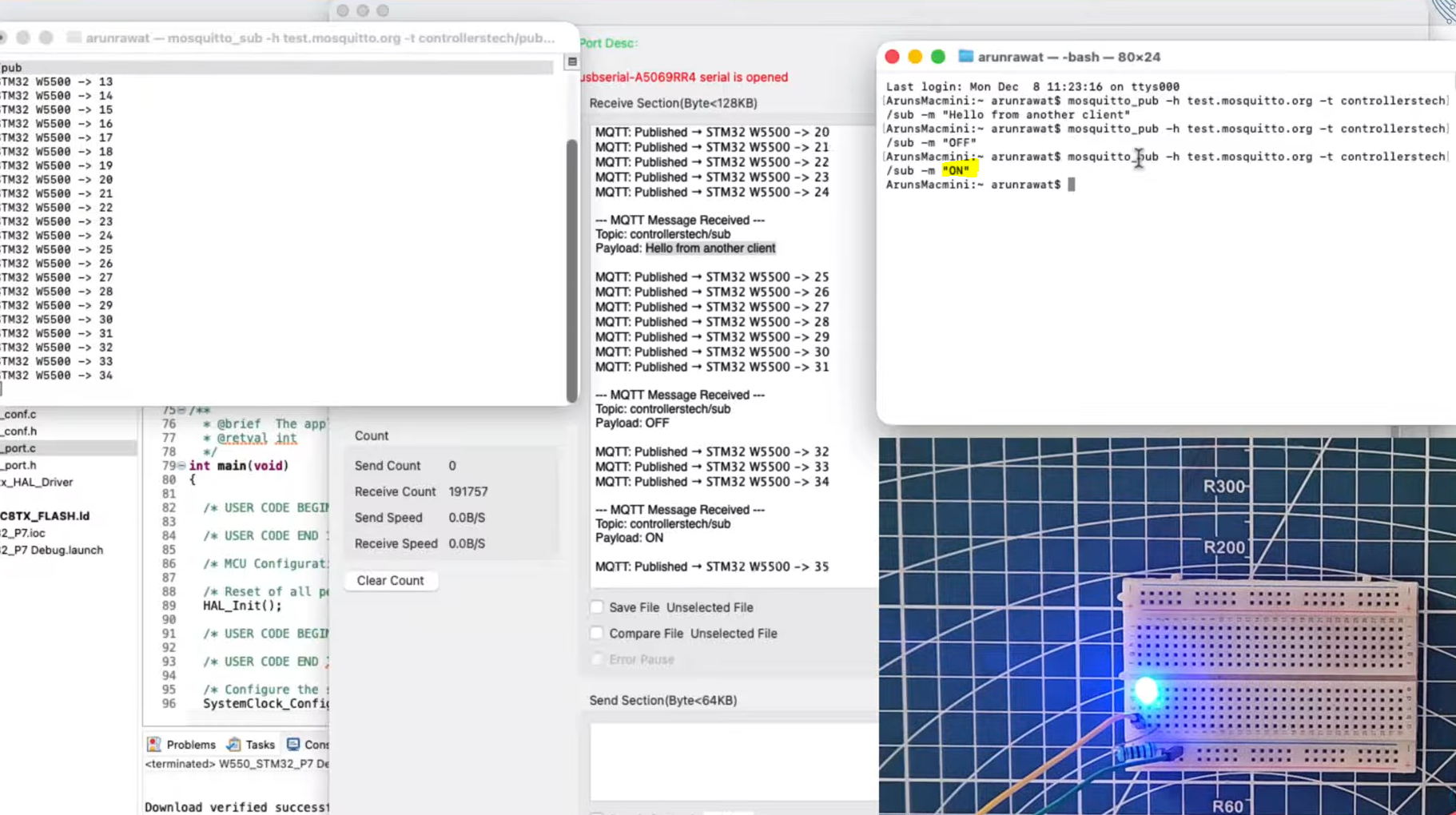
Here the STM32 publishes its sensor states and receives commands using MQTT topics. W5500 handles all TCP/IP protocol offloading so the MCU can focus on application logic.
https://controllerstech.com/stm32-w5500-mqtt-client/
✔VIDEO LESSONS
🔹 1) W5500 as network interface
The W5500’s hardware TCP/IP stack allows stable Ethernet communication with minimal STM32 overhead.
🔹 2) MQTT Implementation
Implemented as a client that:
- connects to a broker
- subscribes to topics
- publishes data
- handles reconnect logic
This enables real-time IoT control without Wi-Fi or external networking stacks.
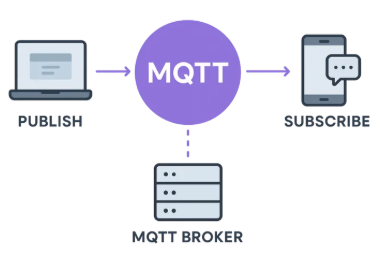
MQTT uses a publish/subscribe system with three main parts:
- Publisher – The device or program that sends data.
Example: A temperature sensor publishing the current room temperature.
- Subscriber – The device or program that wants to receive data.
Example: A mobile app that shows the temperature reading.
- Broker – The middleman (server) that connects publishers and subscribers.
Example: An MQTT broker like Mosquitto, HiveMQ, or EMQX.
🔹 3) Publish & Subscribe Patterns
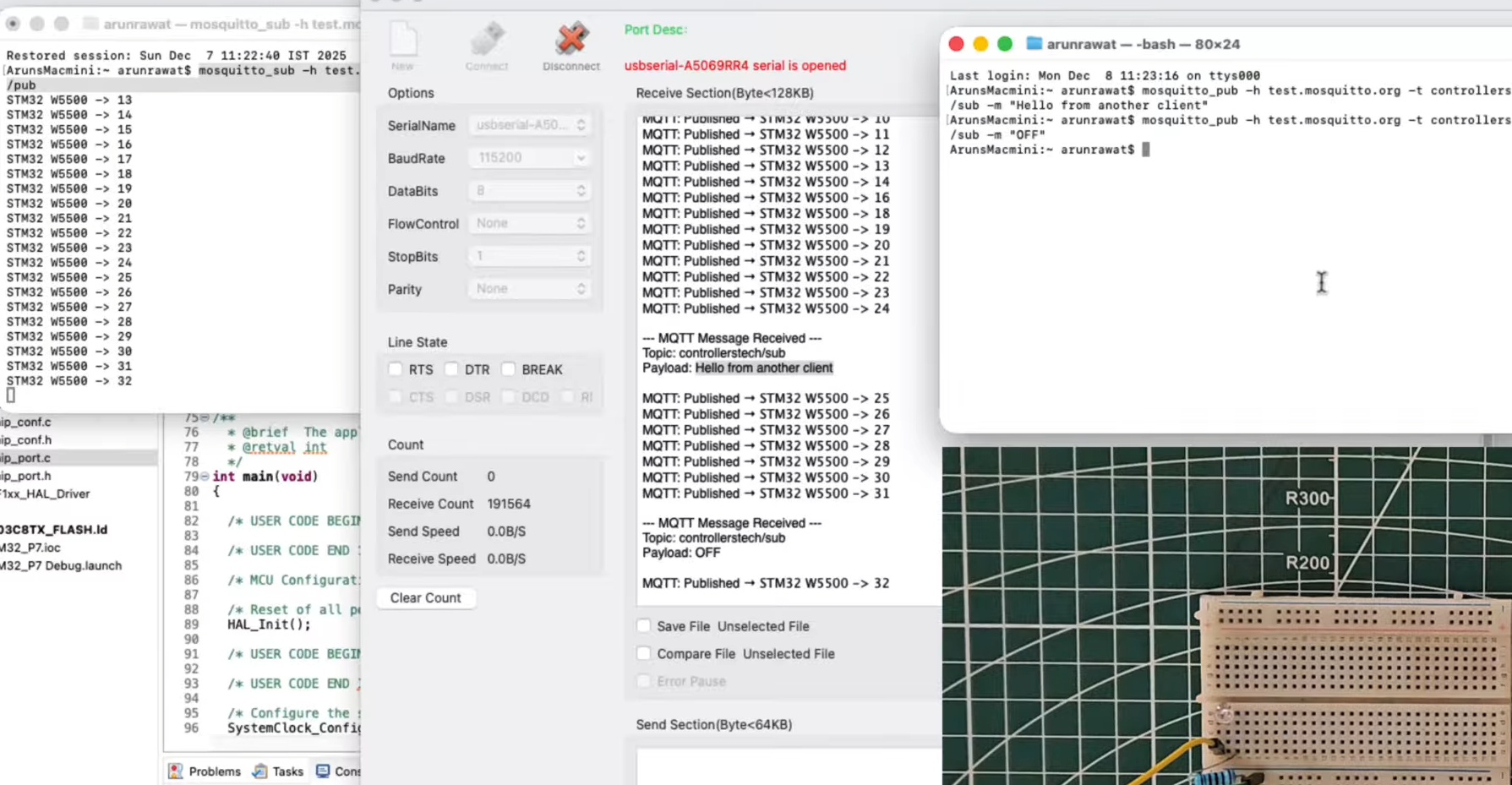
Sensor data can be periodically published, and remote commands (e.g., actuators) can be handled via subscribed topics.
🧪USE CASES
- Embedded IoT monitoring
- Industrial sensor networks
- Real-time control systems
- Remote data logging dashboards
- MQTT-based automation
- Home/Building automation with Ethernet connectivity
🧠ENGINEERING INSIGHTS
💡 Reliable Networking
Using W5500’s hardware TCP/IP drastically simplifies implementing higher-level protocols like MQTT on resource-limited MCUs.
🔌 Offloaded Protocol Stack
The MCU does not run full TCP/IP or network stack—W5500 handles ARP, IP, TCP, UDP—reducing timing issues and memory pressure.
📡 MQTT Efficiency
MQTT’s lightweight publish/subscribe model fits embedded platforms where:
- bandwidth is limited
- connection reliability matters
- multiple endpoints share topics
📡TUTORIALS AND PROJECTS
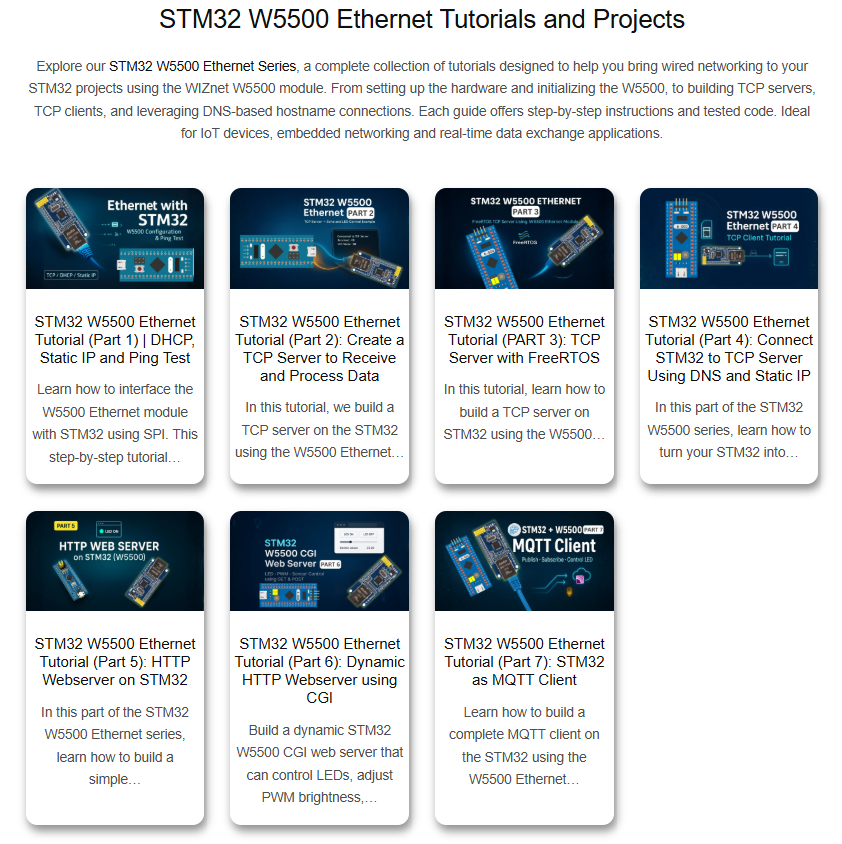
https://controllerstech.com/stm32-hal/w5500-ethernet-series/#google_vignette
Wiznet Maker site
STM32 Ethernet with W5500 (PART 2) : https://maker.wiznet.io/sophia/projects/stm32%2Dethernet%2Dwith%2Dw5500%2Dpart%2D2%2D%2Dtcp%2Dserver%2Dreceive%2Decho%2Dcontrol%2Dled%2Dvia%2Dethernet/
STM32 Ethernet with W5500 (PART 5): https://maker.wiznet.io/bruno/projects/stm32%2Dethernet%2Dwith%2Dw5500%2Dpart%2D5%2D%2Dstm32%2Das%2Dhttp%2Dwebserver%2Dled%2Dcontrol/
-
STM32 W5500 MQTT Client
