



S0 Gateway
Abstract Machines S0 is a minimalist Ethernet-based control board designed for stable, simple, and reliable embedded networking.
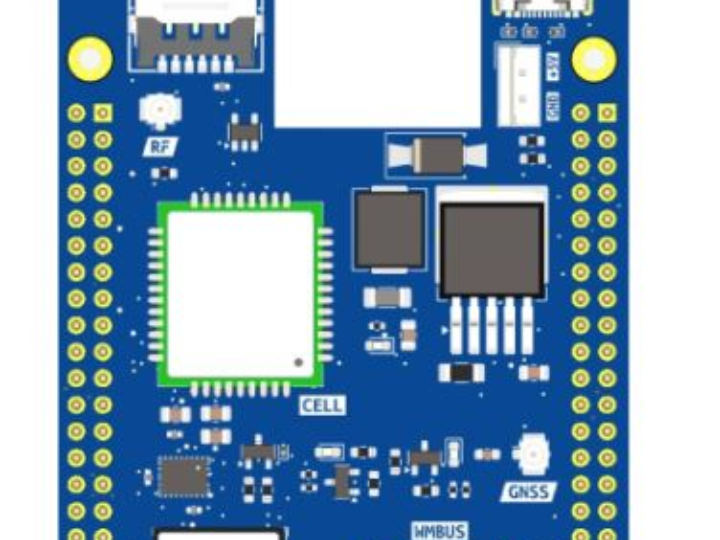
Abstract Machines S0
📌 제품 개요
Abstract Machines S0는 프랑스의 Abstract Machines에서 설계한 초소형 네트워크 기반 제어 보드로, 임베디드 시스템과 외부 네트워크를 간단하고 안정적으로 연결하는 것을 목표하며,, 단순함·신뢰성·확장성에 초점을 맞춰 설계되었습니다. RISC-V 기반의 저전력 IoT 게이트웨이와 Linux 기반 RISC-V IoT 게이트웨이를 함께 제공합니다.
🧩 주요 특징
- Ethernet 기반 통신 구조
유선 네트워크를 통해 안정적인 데이터 송수신이 가능하며, 산업 환경이나 상시 동작 시스템에 적합합니다. MQTT, CoAP, WebSocket 등 제약된 IoT 프로토콜을 포함한 실시간 메시징 엔진과, 정교한 정책·아이덴티티 관리 기반의 접근 제어 기능을 제공합니다. - 미니멀 하드웨어 설계
복잡한 SoC 대신, 필요한 기능만 구현한 구조로 디버깅과 유지보수가 매우 용이합니다. - 임베디드 제어에 최적화
센서, 액추에이터, 외부 컨트롤러와 연동되는 게이트웨이 또는 중간 제어 노드로 사용하기 적합합니다. - 오픈한 설계 접근 방식
하드웨어 구조와 설계 의도가 명확해, 학습용·연구용·커스텀 프로젝트에 모두 활용할 수 있습니다.
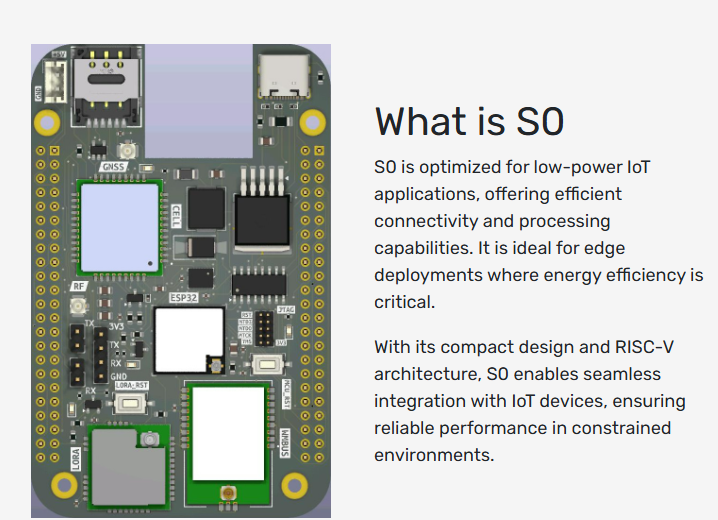
📌S0 게이트웨이 핵심 스펙
ESP32-C6(RISC-V) 기반으로 설계된 S0는 저전력 배터리 운영과 모듈식 확장을 특징으로 합니다.
| 기능 영역 | 상세 스펙 |
|---|---|
| 무선 연결성 | Wi-Fi 6, Bluetooth 5, IEEE 802.15.4, Wireless M-Bus(RC-S2LP) |
| 업링크 | NB-IoT/LTE-M + GNSS(SIM7080G), Ethernet(W5500) |
| 보안 | RSA-3072 Secure Boot, AES-128/256-XTS Flash Encryption, TEE, 하드웨어 암호 가속 |
| 스토리지 | microSD 슬롯(로깅·오프라인 버퍼링) |
| 소프트웨어 | Zephyr RTOS, WAMR(WebAssembly Micro Runtime) |
🔌 SYSTEM ARCHITECTURE (Textual Overview)
보안 계층
┌─────────────────┐ OTA 업데이트, 디바이스 헬스 모니터링
│ 원격 관리       │ ← IoT 관리 툴
├─────────────────┤
│ Propeller       │ ← 정책 기반 오케스트레이션
│ 오케스트레이터  │
├─────────────────┤
│ Magistrala      │ ← MQTT/CoAP/HTTP/WebSocket(Ethernet)
│ 플랫폼 연계     │
├─────────────────┤
│ TEE 격리 + 암호 │ ← ESP32-C6 하드웨어 보안
│ 가속기          │
└─────────────────┘
   ↑
ESP32-C6 (RISC-V)
💡 USE CASES (Post-Ready)
- 🏢 Smart Buildings
Wireless / Wired M-Bus 기반 계량 데이터 수집 - 🏭 Industrial IoT
보안이 중요한 저대역폭 센서 네트워크 - 🌍 Smart City Infrastructure
NB-IoT 기반 대규모 계량 및 모니터링 - 🔐 Secure Edge Gateway
암호화된 데이터 수집 및 안전한 전송
🧠 ENGINEERING – FOCUSED INSIGHTS (요약형)
- ESP32-C6의 RISC-V 아키텍처 + 저전력 설계는 배터리 기반 엣지 게이트웨이에 적합
- W5500 Ethernet Baseboard는 무선 환경이 불안정한 장소에서 결정적 네트워크 백홀 제공
- Wasm + Zephyr 조합은 장기 유지보수와 이식성에 강점
- 모듈형 설계로 무선 중심 → 유선 중심 시스템 확장 가능
🧠Hardware
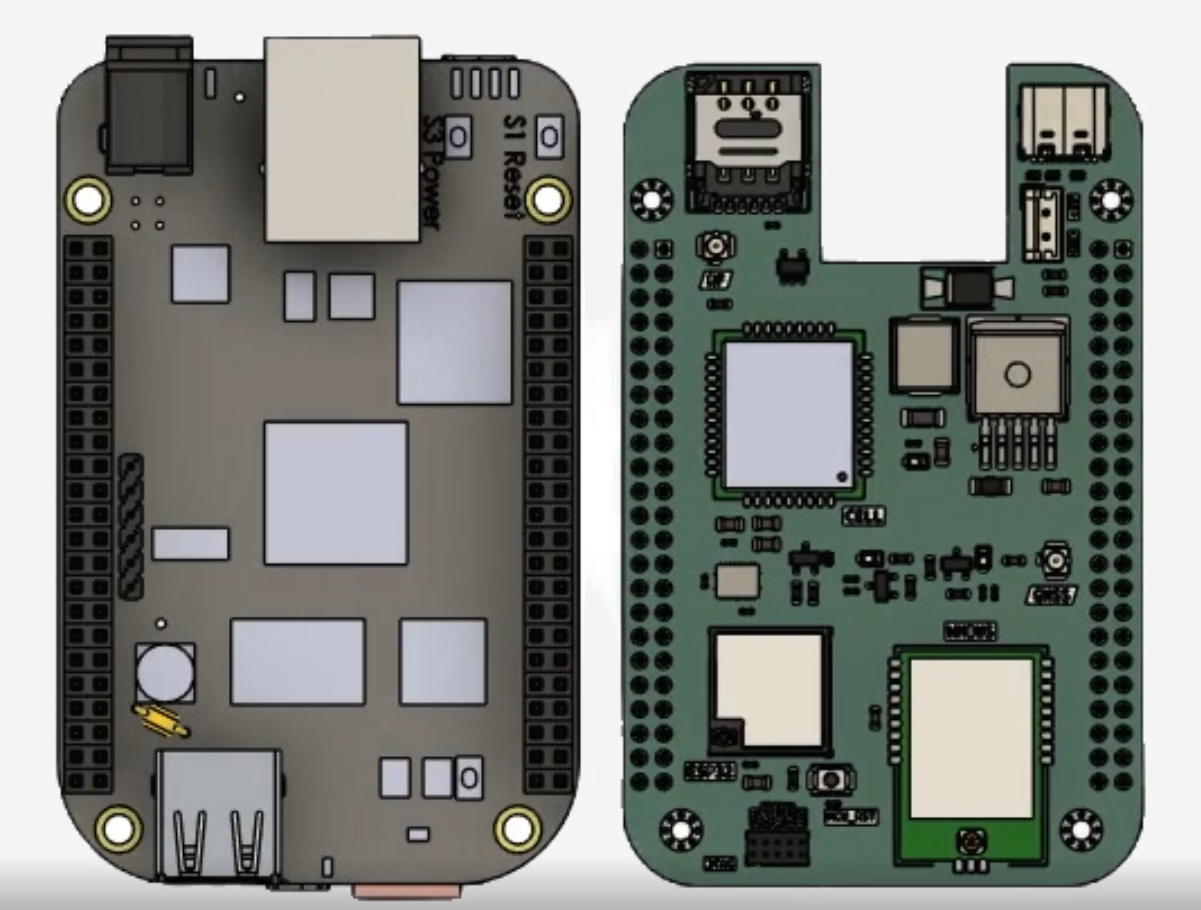
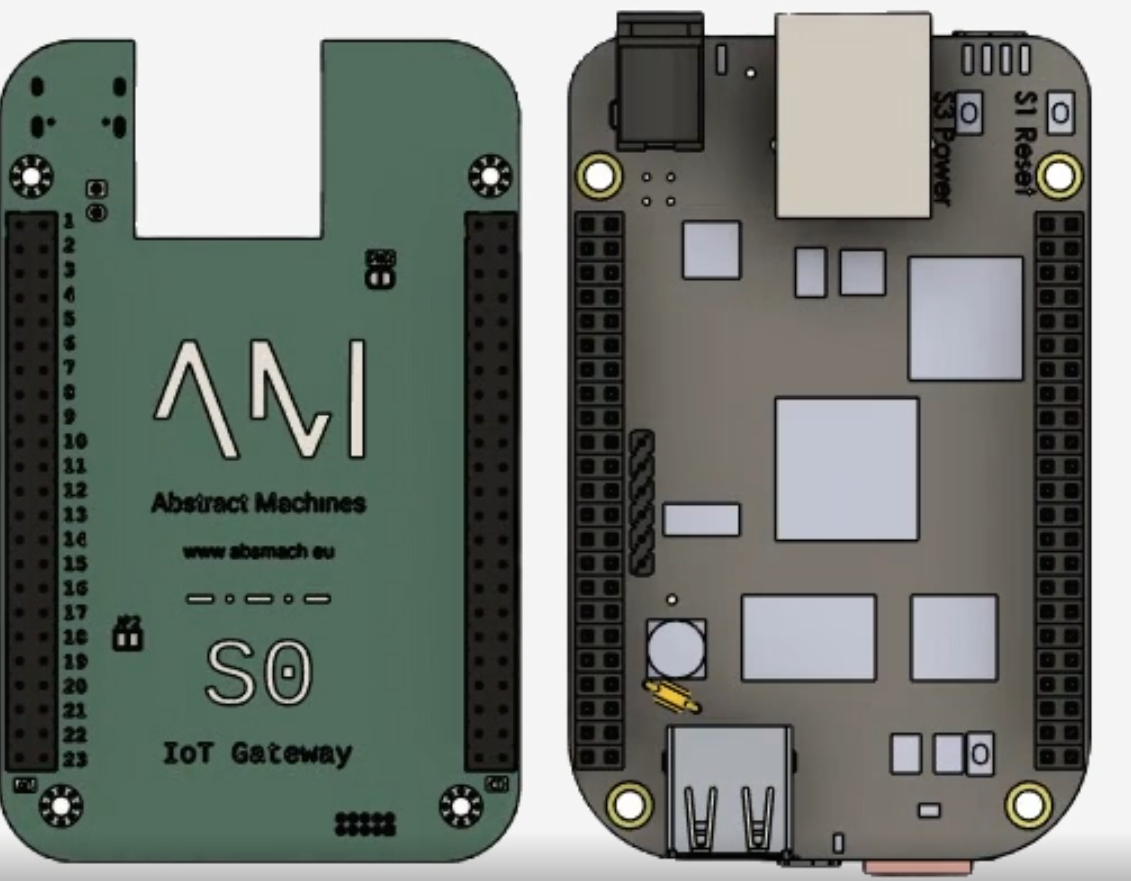
🔍 Quick Comparison
| Criteria | S0 | S1 |
|---|---|---|
| Design Focus | Extreme minimalism | Practical expansion |
| Role | Network end node | System controller |
| Complexity | Very low | Moderate |
| Best For | Stable single-function control | Multi-device integration |
🔍창립자 :Drasko Draskovic

20년 이상의 IoT·클라우드 전문가로, Abstract Machines의 창립자이자 대표
| 경력 | 상세 |
|---|---|
| 초기 경력 | Texas Instruments(OMAP 플랫폼), Alcatel-Lucent(4G femto-cell), Nokia(5G·블록체인) |
| 오픈소스 기여 | WeIO, Mainflux 저자; EdgeX Foundry TSC 멤버(리눅스 재단); 다수 수상 |
| 최근 프로젝트 | Nokia CONFIDENTIAL6G(기밀 컴퓨팅·포스트양자 암호화) 기술 매니저 |
| 저서·활동 | O'Reilly "Scalable Architecture for the Internet of Things" 저자; 컨퍼런스 연사 |
| 학력 | 베오그라드 대학교 전기공학 석사 |
FAQ
Q1. IoT 게이트웨이에서 Wi-Fi 대신 WIZnet W5500을 사용하는 이유는 무엇인가요?
W5500은 하드웨어 TCP/IP 스택을 내장하고 있어, MCU의 CPU 부하를 크게 줄이면서도 지연 시간이 안정적인 네트워크 통신을 제공합니다. 산업 환경에서는 Wi-Fi 간섭, 신호 감쇠, 채널 혼잡이 빈번하게 발생하기 때문에, 예측 가능한 성능을 제공하는 Ethernet이 훨씬 신뢰성 높은 선택입니다. W5500의 전용 버퍼 메모리와 하드웨어 소켓 구조는 24/7 연속 동작이 필요한 게이트웨이에 매우 적합합니다.
Q2. ESP32-C6는 W5500과 어떻게 연결되나요?
ESP32-C6는 SPI 인터페이스를 통해 W5500과 연결되며, 일반적으로 수십 MHz 클럭으로 동작합니다. 이 방식은 별도의 Ethernet MAC/PHY 통합 없이도 안정적인 유선 네트워크를 구현할 수 있다는 장점이 있습니다. 또한 SPI는 핀 배치가 유연해, S0 Gateway와 같은 모듈형·확장형 게이트웨이 설계에 적합합니다.
Q3. S0 Gateway 프로젝트에서 W5500은 어떤 역할을 하나요?
이 프로젝트에서 W5500은 주 네트워크 업링크(primary uplink) 역할을 담당합니다. 모든 TCP/IP 처리를 ESP32-C6 대신 W5500이 하드웨어 수준에서 수행함으로써, MCU는 Zigbee, Thread, Wi-Fi와 같은 무선 프로토콜 처리와 애플리케이션 로직에 집중할 수 있습니다. 그 결과, 무선 환경이 불안정하더라도 안정적인 유선 백홀(backhaul) 연결이 유지됩니다.
Q4. 이 아키텍처는 초보자에게도 적합한가요?
네, 적합합니다. 소프트웨어 TCP/IP 스택(LwIP 등)을 직접 구현하는 것에 비해, W5500을 사용하면 개발자는 저수준 패킷 처리 대신 소켓 기반 API를 사용하게 됩니다. 이는 디버깅 난이도를 낮추고, 네트워크 관련 오류를 줄이며, 전체 개발 기간을 단축시키는 데 큰 도움이 됩니다. 임베디드 네트워크 입문자에게도 현실적인 선택입니다.
Q5. W5500은 ENC28J60이나 LwIP 기반 구현과 어떻게 다른가요?
ENC28J60은 Ethernet 컨트롤러일 뿐 TCP/IP 처리를 MCU 소프트웨어 스택에 의존하므로, RAM 사용량과 CPU 부하가 크게 증가합니다. LwIP는 유연하지만 설정과 유지보수가 복잡합니다. 반면 W5500은 TCP/IP를 하드웨어로 오프로딩하여 안정성과 단순성을 동시에 확보하며, 게이트웨이 제품 개발 시 출시 시간(Time-to-Market)을 단축할 수 있는 균형 잡힌 솔루션입니다.
Abstract Machines S0
📌 Product Overview
Abstract Machines S0 is a compact, network-centric control board designed by Abstract Machines in France.
Its goal is to provide a simple and reliable bridge between embedded systems and external networks.
Designed under the philosophy of “removing everything unnecessary and keeping only what matters,” S0 emphasizes simplicity, reliability, and scalability.
The platform is offered in both RISC-V–based low-power IoT gateway and Linux-based RISC-V IoT gateway configurations, enabling flexible deployment across a wide range of IoT and edge computing scenarios.
🧩 Key Features
- Ethernet-Based Communication Architecture
- S0 enables stable and deterministic data exchange over wired Ethernet, making it well suited for industrial environments and always-on systems.
It includes a real-time messaging engine supporting constrained IoT protocols such as MQTT, CoAP, and WebSockets, along with advanced policy- and identity-based access control for secure device communication.
- S0 enables stable and deterministic data exchange over wired Ethernet, making it well suited for industrial environments and always-on systems.
- Minimalist Hardware Design
- Instead of relying on complex SoCs, S0 implements only the essential functions required for reliable operation.
This results in a hardware architecture that is easy to debug, maintain, and understand at the circuit level.
- Instead of relying on complex SoCs, S0 implements only the essential functions required for reliable operation.
- Optimized for Embedded Control
- S0 works effectively as a gateway or intermediate control node, integrating sensors, actuators, and external controllers into a unified networked system.
- Open and Transparent Design Approach
- With a clearly documented hardware structure and design intent, S0 is well suited for education, research, and custom embedded projects, allowing engineers to fully understand and extend the platform
📌 S0 Gateway – Key Specifications
Designed around the ESP32-C6 (RISC-V) platform, the S0 Gateway is optimized for low-power, battery-operated deployments and modular system expansion.
🔧 Functional Specifications
| Functional Area | Detailed Specifications |
|---|---|
| Wireless Connectivity | Wi-Fi 6, Bluetooth 5, IEEE 802.15.4, Wireless M-Bus (RC-S2LP) |
| Uplink Interfaces | NB-IoT / LTE-M + GNSS (SIM7080G), Ethernet (WIZnet W5500) |
| Security | RSA-3072 Secure Boot, AES-128/256-XTS Flash Encryption, Trusted Execution Environment (TEE), Hardware Cryptographic Accelerators |
| Storage | microSD card slot for logging and offline buffering |
| Software Stack | Zephyr RTOS, WAMR (WebAssembly Micro Runtime) |
🔌 SYSTEM ARCHITECTURE (Textual Overview)
Security & Management Layers
💡 USE CASES
🏢 Smart Buildings
- Real-time metering data collection using Wireless and Wired M-Bus.
🏭 Industrial IoT
- Secure, low-bandwidth sensor networks operating in constrained or harsh environments.
🌍 Smart City Infrastructure
- Large-scale metering and monitoring deployments using NB-IoT connectivity.
🔐 Secure Edge Gateway
- Encrypted data acquisition and safe transmission from edge devices to cloud platforms.
🧠Hardware
🔍 Quick Comparison
| Criteria | S0 | S1 |
|---|---|---|
| Design Focus | Extreme minimalism | Practical expansion |
| Role | Network end node | System controller |
| Complexity | Very low | Moderate |
| Best For | Stable single-function control | Multi-device integration |
Drasko Draskovic
Drasko Draskovic is a seasoned IoT and cloud computing expert with over 20 years of experience, and the founder and CEO of Abstract Machines.
Professional Background
| Career Area | Details |
|---|---|
| Early Career | Texas Instruments (OMAP platform), Alcatel-Lucent (4G femto-cell), Nokia (5G and blockchain technologies) |
| Open-Source Contributions | Author of WeIO and Mainflux; Technical Steering Committee (TSC) member of EdgeX Foundry (Linux Foundation); recipient of multiple industry awards |
| Recent Projects | Technical Manager for Nokia CONFIDENTIAL6G, focusing on confidential computing and post-quantum cryptography |
| Publications & Activities | Author of O’Reilly’s “Scalable Architecture for the Internet of Things”; frequent conference speaker |
| Education | M.Sc. in Electrical Engineering, University of Belgrade |
FAQ (WIZnet-Focused)
Q1. Why use WIZnet W5500 instead of Wi-Fi for an IoT gateway?
W5500 provides hardware TCP/IP processing, ensuring stable latency and reduced CPU load. In industrial environments where Wi-Fi interference is common, Ethernet offers predictable performance. The W5500’s dedicated buffers and sockets make it ideal for gateways that must operate continuously without network instability.
Q2. How does ESP32-C6 connect to the W5500?
ESP32-C6 connects via SPI, typically running at tens of MHz. This simple interface avoids complex Ethernet MAC integration while still achieving reliable throughput. SPI also allows flexible pin assignment, which suits modular gateway designs like S0 Gateway.
Q3. What role does W5500 play in the S0 Gateway specifically?
In this project, W5500 acts as the primary network uplink, offloading all TCP/IP tasks from the ESP32-C6. This allows the MCU to handle wireless protocols and application logic while Ethernet ensures stable backhaul connectivity.
Q4. Is this architecture suitable for beginners?
Yes, compared to implementing a full software TCP/IP stack, using W5500 simplifies networking. Developers interact with socket-level APIs rather than low-level packet handling, reducing debugging complexity and development time.
Q5. How does W5500 compare to ENC28J60 or LwIP?
ENC28J60 requires a full software stack, increasing MCU RAM and CPU usage. LwIP offers flexibility but at the cost of complexity. W5500 provides a balanced solution with hardware offloading, better stability, and faster time-to-market for gateways.
-
Github
