


MACHINE_MONITORING_IOT_SYSTEM
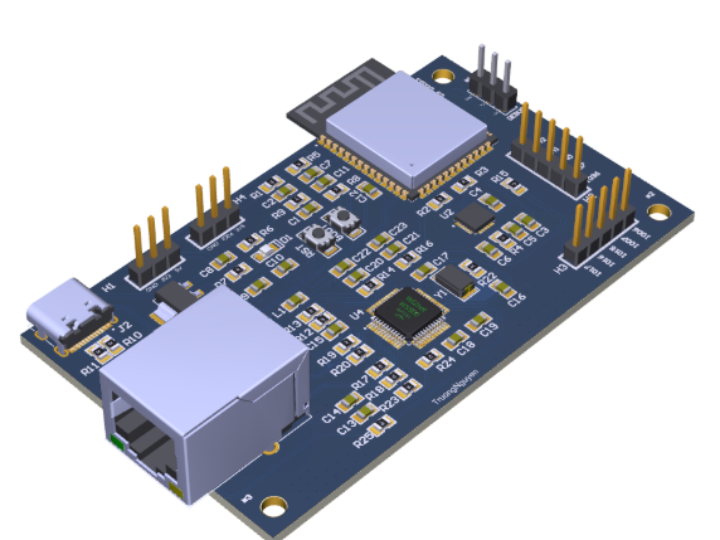
ESP32-S3 and W5500 based machine monitoring IoT sensor node PCB that collects vibration and temperature data and transmits equipment status over Ethernet.
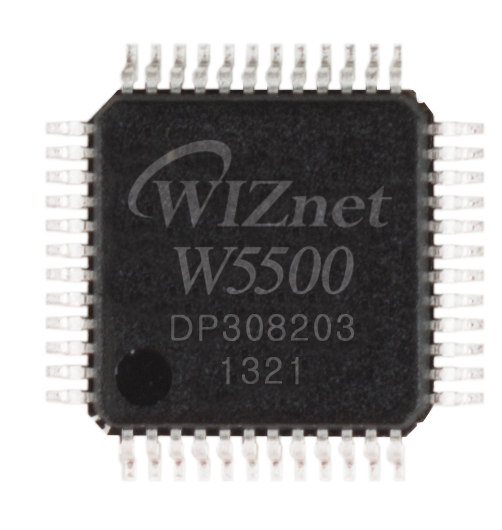
WIZnet - W5500
x 1

Summary
이 프로젝트는 ESP32-S3와 WIZnet W5500 Ethernet 컨트롤러를 기반으로 설계된 머신 모니터링용 IoT 센서 노드 PCB이다. 보드는 MPU6050과 온도 센서를 통해 장비 상태 데이터를 수집하고, W5500을 통해 RJ45 유선 네트워크로 데이터를 전송하도록 설계되어 있다. 여기서 W5500은 안정적인 유선 Ethernet 연결을 담당하는 네트워크 인터페이스 역할을 하며, ESP32-S3는 센서 데이터 수집과 애플리케이션 로직을 처리한다.
What the Project Does
이 프로젝트는 산업 장비 상태를 모니터링하기 위한 IoT 센서 노드 PCB 설계를 중심으로 구성되어 있다. 시스템은 ESP32-S3 마이크로컨트롤러를 중심으로 동작하며 여러 센서를 통해 장비 상태 데이터를 수집한다.
프로젝트의 주요 구성 요소는 다음과 같다.
- ESP32-S3 MCU
- 센서 데이터 수집
- 네트워크 전송 제어
- 시스템 로직 처리
- MPU6050 센서
- 가속도 및 자이로 데이터를 측정
- 기계 진동이나 움직임 상태 분석
- 온도 센서
- 장비 발열 상태 감지
- W5500 Ethernet Controller + RJ45
- 유선 네트워크 연결
- 안정적인 산업 환경 통신
- 확장 IO 커넥터
- 추가 센서 연결 가능
센서에서 수집된 데이터는 ESP32-S3에서 처리된 후 Ethernet 네트워크를 통해 서버나 클라우드로 전달된다. 이를 통해 설비 상태를 원격에서 모니터링하거나 유지보수 시스템과 연동할 수 있다.
프로젝트는 2-Layer PCB 기반 IoT 센서 노드 설계로 제작되었으며, compact layout을 목표로 설계되었다.
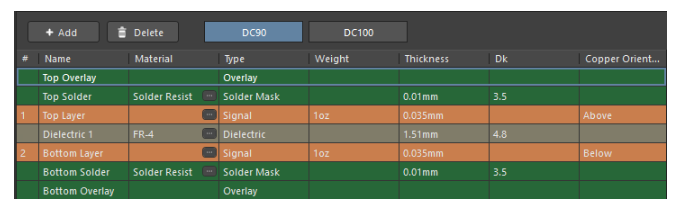
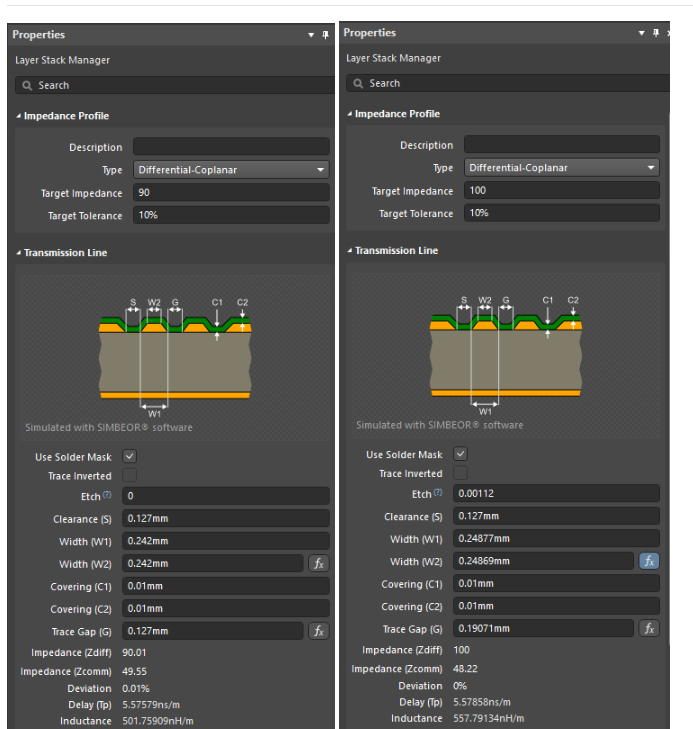
DIFFRENTIAL PAIR COMPUTING USING ALTIUM
Implementation Notes
공개된 저장소에서는 완전한 펌웨어 코드가 확인되기보다는 PCB 설계와 하드웨어 구조가 중심으로 제공된다.
README에는 다음과 같은 설명이 포함되어 있다.
“This is a 2-layer PCB designed as a versatile IoT sensor node. It is powered by the ESP32-S3 module and features Ethernet connectivity through a W5500 controller and RJ45 port.”
Source: README.md
https://github.com/TruongNguyen30/MACHINE_MONITORING_IOT_SYSTEM
또한 보드에 포함된 센서에 대해서도 다음과 같이 설명되어 있다.
“Sensors: On-board MPU6050 (Gyro/Accel) and Temperature sensor.”
Source: README.md
https://github.com/TruongNguyen30/MACHINE_MONITORING_IOT_SYSTEM
즉 이 프로젝트의 핵심은 다음과 같은 데이터 흐름을 가진다.
- MPU6050과 온도 센서가 장비 상태 데이터를 측정
- ESP32-S3가 데이터를 읽고 처리
- W5500이 Ethernet 네트워크로 데이터를 전송
현재 공개된 저장소에서는 W5500 소켓 설정이나 DHCP 처리 등 실제 네트워크 스택 코드가 확인되지는 않기 때문에, 이 프로젝트는 펌웨어 튜토리얼보다는 하드웨어 아키텍처 분석 사례로 보는 것이 적절하다.
FAQ
Q: 왜 이 프로젝트에서 W5500을 사용했나요?
이 프로젝트는 장비 상태를 모니터링하는 센서 노드를 목표로 한다. 산업 환경에서는 Wi-Fi보다 유선 Ethernet이 더 안정적인 경우가 많기 때문에, Ethernet 연결을 제공하는 W5500이 핵심 네트워크 구성요소로 사용된다.
Q: W5500은 ESP32-S3와 어떻게 연결되나요?
ESP32-S3가 메인 MCU로 동작하고 W5500은 Ethernet 컨트롤러로 사용된다. 일반적으로 SPI 인터페이스를 통해 연결되며, W5500은 네트워크 통신을 담당하고 ESP32-S3는 센서 데이터 처리와 애플리케이션 로직을 담당한다.
Q: 이 프로젝트에서 W5500의 역할은 무엇인가요?
센서에서 측정된 데이터를 유선 Ethernet 네트워크로 전송하는 인터페이스 역할을 한다. ESP32-S3가 처리한 데이터를 네트워크 서버나 게이트웨이로 전달하는 통신 경로를 제공한다.
Q: 초보자도 이 프로젝트를 따라 만들 수 있나요?
기본 구조를 이해하는 것은 가능하지만, 실제 제작은 중급 이상의 하드웨어 설계 경험이 필요하다. 프로젝트는 단순한 모듈 연결이 아니라 Ethernet PCB 설계와 센서 통합이 포함된 커스텀 PCB 기반 시스템이다.
Q: 이 프로젝트는 Wi-Fi 기반 IoT와 어떻게 다른가요?
Wi-Fi IoT는 설치가 간편하지만, 공장이나 장비 주변 환경에서는 신호 간섭이나 네트워크 안정성 문제가 발생할 수 있다. 이 프로젝트는 처음부터 유선 Ethernet 기반 센서 노드를 목표로 설계되었다.
Summary
This project is an IoT sensor node PCB designed for machine monitoring based on the ESP32-S3 and the WIZnet W5500 Ethernet controller. The board collects machine condition data using an MPU6050 and a temperature sensor, and transmits the data through a wired RJ45 Ethernet network using the W5500. In this architecture, the W5500 acts as the network interface responsible for stable wired Ethernet connectivity, while the ESP32-S3 handles sensor data acquisition and application logic.
What the Project Does
This project focuses on the design of an IoT sensor node PCB intended for monitoring the condition of industrial equipment. The system operates around the ESP32-S3 microcontroller and collects machine-state data through multiple sensors.
The main components of the project are as follows.
ESP32-S3 MCU
- Sensor data acquisition
- Network transmission control
- System logic processing
MPU6050 Sensor
- Measures acceleration and gyroscope data
- Enables analysis of machine vibration or motion conditions
Temperature Sensor
- Detects thermal conditions of equipment
- Helps identify overheating or abnormal operation
W5500 Ethernet Controller + RJ45
- Provides wired network connectivity
- Enables reliable communication in industrial environments
Expansion IO Connector
- Allows additional sensors to be connected
Data collected from the sensors is processed by the ESP32-S3 and then transmitted to a server or cloud platform through the Ethernet network. This allows equipment status to be monitored remotely or integrated with maintenance systems.
The project is implemented as a 2-layer PCB-based IoT sensor node, designed with a focus on compact layout.
DIFFRENTIAL PAIR COMPUTING USING ALTIUM
Implementation Notes
The public repository mainly provides PCB design and hardware structure rather than a complete firmware implementation.
The README includes the following description:
“This is a 2-layer PCB designed as a versatile IoT sensor node. It is powered by the ESP32-S3 module and features Ethernet connectivity through a W5500 controller and RJ45 port.”
Source: README.md
https://github.com/TruongNguyen30/MACHINE_MONITORING_IOT_SYSTEM
The sensors included on the board are also described as follows:
“Sensors: On-board MPU6050 (Gyro/Accel) and Temperature sensor.”
Source: README.md
https://github.com/TruongNguyen30/MACHINE_MONITORING_IOT_SYSTEM
The core data flow of the project can therefore be summarized as follows:
- The MPU6050 and temperature sensor measure machine condition data
- The ESP32-S3 reads and processes the sensor data
- The W5500 transmits the data over the Ethernet network
Since the repository does not currently include verified network stack code such as W5500 socket configuration or DHCP handling, this project is better understood as a hardware architecture example rather than a firmware tutorial.
FAQ
Q: Why is the W5500 used in this project?
This project aims to build a sensor node for monitoring equipment status. In industrial environments, wired Ethernet is often more reliable than Wi-Fi. Therefore, the W5500 is used as the core network component that provides Ethernet connectivity.
Q: How does the W5500 connect to the ESP32-S3?
The ESP32-S3 operates as the main MCU, while the W5500 functions as the Ethernet controller. They are typically connected through an SPI interface. The W5500 manages network communication, while the ESP32-S3 handles sensor processing and application logic.
Q: What role does the W5500 play in this project?
The W5500 acts as the interface that sends sensor data to the wired Ethernet network. It provides the communication path that delivers processed data from the ESP32-S3 to a server or gateway.
Q: Can beginners reproduce this project?
Beginners can understand the architecture, but reproducing the full system requires intermediate-level hardware design experience. The project involves a custom PCB that integrates Ethernet circuitry and sensors rather than simple module connections.
Q: How is this different from Wi-Fi-based IoT systems?
Wi-Fi IoT systems are easy to deploy, but in environments near industrial equipment, signal interference and reliability issues can occur. This project is designed from the start as a wired Ethernet-based sensor node, providing more stable connectivity for machine monitoring systems.