



luckfox-pico-mini-ethernet
Luckfox Pico Mini + W5500: Enable stable wired Ethernet on ultra-compact Linux via hardware TCP/IP & Python, bypassing complex kernel edits for efficient IoT.
1. 프로젝트 개요
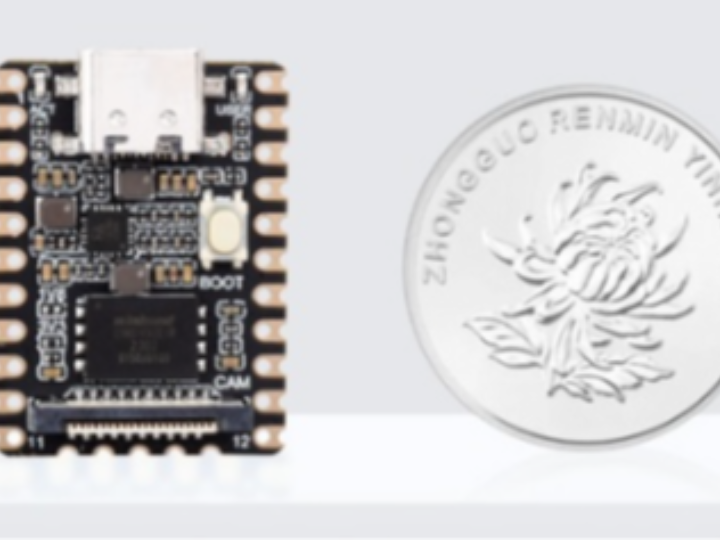
Luckfox Pico Mini는 우표 크기의 초소형 Linux 보드이지만, 이더넷 포트가 기본으로 탑재되어 있지 않습니다. 본 프로젝트는 WIZnet W5500 SPI 이더넷 모듈을 사용하여 커널 수정이라는 복잡한 과정 없이, Python 환경에서 즉시 유선 네트워크를 구현하는 방법을 소개합니다.
W5500의 하드웨어 TCP/IP 스택 덕분에 64MB라는 제한적인 RAM 환경에서도 시스템 리소스 소모 없이 매우 안정적인 네트워크 통신이 가능합니다.
2. Luckfox Pico Mini 소개
Luckfox는 중국 선전에 본사를 둔 기업으로, 유명한 Waveshare와 파트너십을 맺고 고성능 가성비 보드를 공급하고 있습니다.
- SoC: Rockchip RV1103 (ARM Cortex-A7 + RISC-V)
- AI 성능: 0.5 TOPS NPU 탑재 (객체 탐지 가능)
- 컴팩트함: 28 x 21mm의 초소형 사이즈
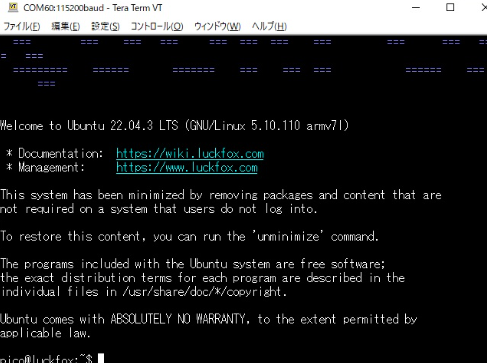
- 특징: Raspberry Pi Pico급 크기에서 완전한 리눅스(Ubuntu 등) 구동 및 2~3초 내외의 초고속 부팅 지원
3. 하드웨어 연결 (Wiring)
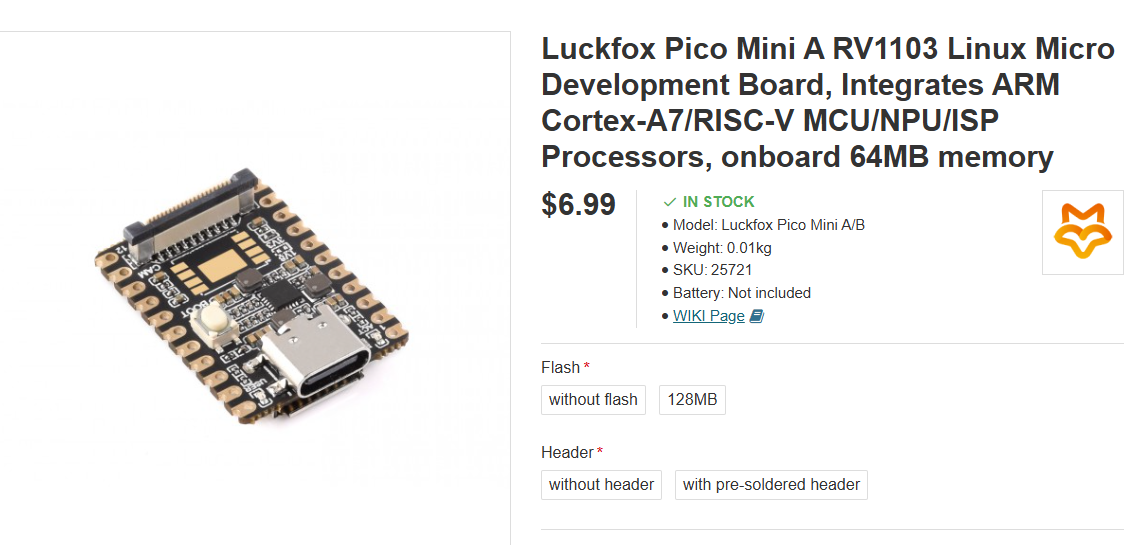
W5500 모듈과 Luckfox Pico Mini를 SPI 인터페이스를 통해 연결합니다.
| Luckfox Pico Mini | WIZnet W5500 | 설명 |
|---|---|---|
| GPIO Pin (SPI) | MOSI, MISO, SCLK | 데이터 통신 |
| CS / Reset | SCS, RST | 칩 선택 및 초기화 |
| 3.3V / GND | VCC, GND | 전원 공급 |
4. 소프트웨어 구조 및 특징
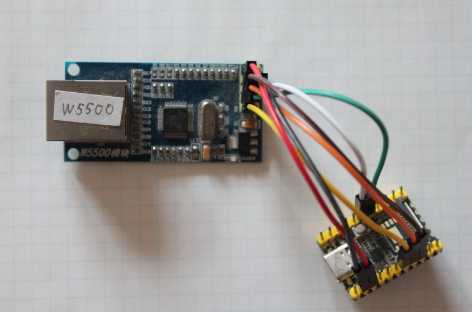
이 프로젝트는 리눅스 OS 위에서 사용자 공간(User Space) 소켓 통신을 흉내 내는 방식으로 작동합니다.
- 커널 수정 불필요: 표준 리눅스 SPI 드라이버(
/dev/spidev0.0)만 활성화되어 있다면, 별도의 이더넷 커널 드라이버를 올릴 필요가 없습니다. - W5500 전용 Python 라이브러리: W5500 내부에 내장된 TCP/IP 스택을 제어하기 위해
spidev를 기반으로 한 Python 라이브러리(예:Wiznet5500-Python)를 사용합니다. - 리소스 오프로딩: TCP/UDP 세그멘테이션, 체크섬 계산 등을 W5500 칩이 직접 처리하므로, 64MB RAM의 Luckfox 보드는 비즈니스 로직(데이터 처리, 서버 통신)에만 집중할 수 있습니다.
소프트웨어 개발 환경
- OS: Luckfox 공식 Buildroot 또는 Ubuntu 이미지
- 언어: Python 3.x
- 필수 패키지:
python3-spidev(SPI 통신용),python3-periphery(GPIO 제어용) - 배포 방식:
adb push명령어를 사용하여 윈도우/맥 PC에서 Luckfox 보드로 코드를 즉시 전송하고 실행할 수 있습니다.
5. 솔루션 비교: Luckfox vs Raspberry Pi Pico 2
네트워크 프로젝트 구축 시 상황에 맞는 보드 선택 가이드입니다.
| 구분 | LuckFox Pico Mini + W5500 | Pico 2 (RP2350) + W5500 |
|---|---|---|
| 기본 성격 | 리눅스 SoC (컴퓨터) | 순수 MCU (마이크로컨트롤러) |
| OS | Linux (Ubuntu 등) | Bare-metal / RTOS |
| 개발 언어 | Python, C/C++, Shell | C/C++, MicroPython |
| 부팅 시간 | 수 초 (리눅스 로딩) | 수 ms (즉시 실행) |
| 네트워크 접근 | Python Socket 유사 API | WIZnet ioLibrary 직접 제어 |
6. 활용 가이드: 어떤 것을 선택해야 할까?
✅ LuckFox Pico Mini + W5500 조합이 유리한 경우
- Python 기반의 신속한 네트워크 실습
- MQTT / HTTP / REST 클라이언트 구현
- 이미 구축된 리눅스 툴체인 및 패키지 활용
- 작고 강력한 유선 리눅스 노드가 필요할 때
✅ Pico 2 (RP2350) + W5500 조합이 유리한 경우
- 산업용 IoT 및 실시간 센서 데이터 수집
- 초저전력 및 장기 무인 운용 장비
- PLC 보조 장치 및 로봇 서브 컨트롤러
7. FAQ (자주 묻는 질문)
Q1. 왜 이 프로젝트에서 W5500을 사용하는가?
W5500은 TCP/IP 스택을 하드웨어로 처리하므로 CPU와 메모리 사용량을 획기적으로 줄여줍니다. 64MB RAM 환경인 Luckfox에서 소프트웨어 스택(LwIP 등)을 돌리는 것보다 훨씬 안정적입니다.
Q2. Wi-Fi 모듈이나 ENC28J60과 비교하면 어떤 차이가 있는가?
Wi-Fi는 전력 소모와 끊김 문제가 있고, ENC28J60은 TCP/IP를 소프트웨어로 처리해야 해서 부하가 큽니다. W5500은 유선 이더넷의 신뢰성과 하드웨어 오프로딩을 동시에 제공합니다.
Q3. 초보자도 따라 할 수 있는가?
네, 복잡한 드라이버 빌드나 커널 컴파일 없이 파이썬 예제만으로 동작하므로 하드웨어 배선만 가능하다면 누구나 쉽게 유선 네트워크를 구축할 수 있습니다.
1. Project Overview
The Luckfox Pico Mini is an ultra-compact Linux board, but it lacks a built-in Ethernet port. This project demonstrates how to implement a wired network instantly in a Python environment using the WIZnet W5500 SPI Ethernet module, without the need for complex kernel modifications.
Thanks to the W5500’s Hardware TCP/IP stack, stable network communication is possible even in a resource-constrained environment (64MB RAM) without consuming significant system resources.
2. Introduction to Luckfox Pico Mini
Luckfox is a company based in Shenzhen, China, maintainig a close partnership with Waveshare to supply high-performance, cost-effective boards.
- SoC: Rockchip RV1103 (ARM Cortex-A7 + RISC-V)
- AI Performance: 0.5 TOPS NPU (Capable of object detection)
- Compact Size: 28 x 21mm (Stamp-sized)
- Key Feature: Runs a full Linux OS (Ubuntu, etc.) in a Raspberry Pi Pico form factor with a 2–3 second fast boot.
3. Hardware Wiring
The W5500 module and Luckfox Pico Mini are connected via the SPI interface.
| Luckfox Pico Mini | WIZnet W5500 | Description |
|---|---|---|
| GPIO Pin (SPI) | MOSI, MISO, SCLK | Data Communication |
| CS / Reset | SCS, RST | Chip Select & Initialization |
| 3.3V / GND | VCC, GND | Power Supply |
4. Software Architecture & Features
This project operates by emulating Socket communication in User Space on top of the Linux OS.
- No Kernel Modification: As long as the standard Linux SPI driver (
/dev/spidev0.0) is active, no separate Ethernet kernel driver is required. - Dedicated Python Library: Uses a
spidev-based Python library (e.g.,Wiznet5500-Python) to control the internal TCP/IP stack of the W5500. - Resource Offloading: TCP/UDP segmentation and checksum calculations are handled directly by the W5500 chip. This allows the Luckfox board to focus entirely on business logic (data processing, server communication).
Development Environment
- OS: Luckfox Official Buildroot or Ubuntu image
- Language: Python 3.x
- Required Packages:
python3-spidev(SPI),python3-periphery(GPIO) - Deployment: Use the
adb pushcommand to transfer and execute code from a PC to the Luckfox board instantly.
5. Solution Comparison: Luckfox vs. Raspberry Pi Pico 2
A guide for choosing the right board for your networking project.
| Category | LuckFox Pico Mini + W5500 | Pico 2 (RP2350) + W5500 |
|---|---|---|
| Nature | Linux SoC (Computer) | Pure MCU (Microcontroller) |
| OS | Linux (Ubuntu, etc.) | Bare-metal / RTOS |
| Language | Python, C/C++, Shell | C/C++, MicroPython |
| Boot Time | A few seconds (Linux loading) | A few ms (Instant) |
| Network Access | Python Socket-like API | WIZnet ioLibrary direct control |
6. Usage Guide: Which one to choose?
✅ Recommended: LuckFox Pico Mini + W5500
- Rapid network prototyping based on Python.
- Implementing MQTT / HTTP / REST clients.
- Leveraging existing Linux toolchains and packages.
- When a small, powerful wired Linux node is needed.
✅ Recommended: Pico 2 (RP2350) + W5500
- Industrial IoT and real-time sensor data collection.
- Ultra-low power and long-term unmanned operation.
- PLC auxiliary devices and robot sub-controllers.
7. FAQ (Frequently Asked Questions)
Q1. Why use W5500 in this project? The W5500 processes the TCP/IP stack in hardware, drastically reducing CPU and memory usage. It is much more stable than running a software stack (like LwIP) in a 64MB RAM environment.
Q2. How does it compare to Wi-Fi modules or the ENC28J60? Wi-Fi has power consumption and stability issues, and the ENC28J60 requires the CPU to handle the TCP/IP stack. The W5500 provides both the reliability of wired Ethernet and hardware TCP/IP offloading.
Q3. Is this project suitable for beginners? Yes. It works with Python examples without the need for complex driver builds or kernel compilation. If you can handle basic hardware wiring, you can easily implement a wired network.