


Ethernet Protocol
Ethernet Protocol

WIZnet - W5500
x 1

It contains extensive information ranging from the hardware components of Ethernet technology to the latest technology trends such as SPE (Single Pair Ethernet), PoE (Power over Ethernet), and specific Ethernet controller ICs.
1. Summary of Key Contents
Ethernet Hardware Configuration
Connector: Uses an RJ45 jack; a form with built-in magnetic components is called an ICM (Integrated Connector Module).
Magnetic Components: Responsible for electrical isolation and signal transmission between the PHY and the cable; they can be mounted separately on the PCB or selected as an integrated type within the connector.
Hierarchy: Divided into the MAC, which processes signals, and the PHY, which converts them into physical signals to drive the magnetic components.
Power Supply Technologies (PoE & PoDL)
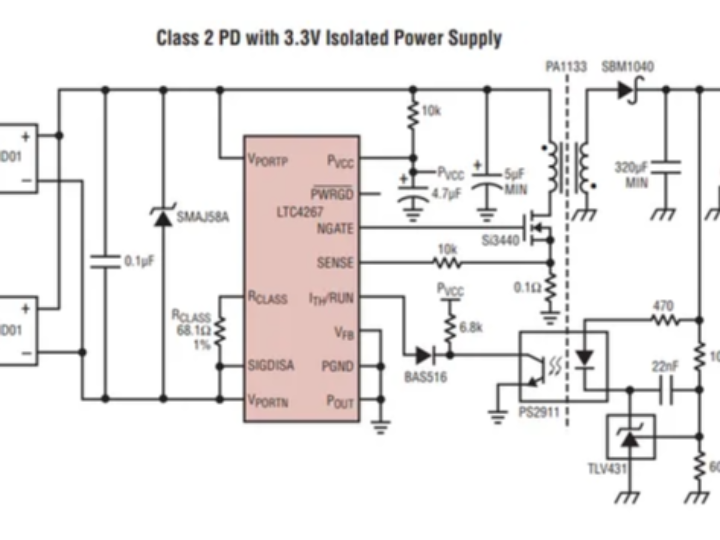
PoE (Power over Ethernet): Transmits data and power simultaneously over existing 4-pair (8-wire) Ethernet cables. (Maximum capacity: approximately 75–100W)
PoDL (Power over Data Lines): A technology that transmits data and power simultaneously over a single pair of wires in an SPE (Single Pair Ethernet) environment.
Latest and Special Standards
SPE (Single Pair Ethernet): A standard that reduces cost and weight by using only a single pair of twisted pair wires; it is primarily used in the automotive and IoT industries (-T1 suffix).
EtherCAT: A real-time communication protocol for applications such as factory automation. While its hardware layer is similar to Ethernet, it is characterized by slave nodes processing data on the "on the fly" (real-time delivery) basis.
2. Reasons for the Mention of the W5500
The W5500 was introduced as a "representative solution that enables easy implementation of Ethernet in embedded systems." The specific reasons are as follows:
Built-in Hardware TCP/IP Stack: Unlike typical PHY-only chips, the W5500 handles the entire TCP/IP protocol stack in hardware. This enables resource-constrained, low-spec microcontrollers (MCUs) to perform Ethernet communication without running complex software libraries (such as lwIP).
Design Convenience: It includes both MAC and PHY components and communicates with the MCU using the relatively simple SPI protocol. The text emphasizes that this enables "Serial-to-Ethernet" implementation.
Popularity: It was used as an example to demonstrate that it is a popular chip widely used in the maker community, such as in Arduino Ethernet shields.
Performance and Features: This is due to practical advantages, such as support for up to eight independent sockets (connections) and the ability to withstand 5V I/O tolerance while using a 3.3V power supply.
Additional Analysis: Differences from lwIP
While lwIP, mentioned in the text, is a method of implementing TCP/IP in software, the W5500 handles this using internal chip hardware. By mentioning both of these, we are explaining both major paths to embedded Ethernet implementation (S/W vs. H/W).
===
이더넷 기술의 하드웨어 구성 요소부터 최신 기술 트렌드인 SPE(Single Pair Ethernet), PoE(Power over Ethernet) 및 특정 이더넷 컨트롤러 IC들에 대한 광범위한 정보를 담고 있습니다.
1. 이 글의 주요 내용 요약
이더넷 하드웨어 구성
커넥터(Connector): RJ45 잭을 사용하며, 자기 소자(Magnetics)가 내장된 형태를 ICM(Integrated Connector Modules)이라고 부릅니다.
자기 소자(Magnetics): PHY와 케이블 사이에서 전기적 격리 및 신호 전달을 담당하며, PCB에 별도로 실장하거나 커넥터 내장형을 선택할 수 있습니다.
계층 구조: 신호를 처리하는 MAC과 물리적 신호로 변환하여 자기 소자를 구동하는 PHY로 나뉩니다.
전력 공급 기술 (PoE & PoDL)
PoE (Power over Ethernet): 기존 4쌍(8선) 이더넷 케이블을 통해 데이터와 전력을 동시에 전송합니다. (최대 약 75~100W 가능)
PoDL (Power over Data Lines): SPE(싱글 페어 이더넷) 환경에서 한 쌍의 전선으로 데이터와 전력을 동시에 보내는 기술입니다.
최신 및 특수 표준
SPE (Single Pair Ethernet): 단 한 쌍의 꼬임쌍선만 사용하여 비용과 무게를 줄인 표준으로, 주로 자동차 및 IoT 산업용(-T1 접미사)으로 사용됩니다.
EtherCAT: 공장 자동화 등을 위한 실시간 통신 프로토콜로, 하드웨어 계층은 이더넷과 유사하지만 슬레이브 노드가 "On the fly"(실시간 전달) 방식으로 데이터를 처리하는 것이 특징입니다.
2. W5500이 언급된 이유
W5500은 "임베디드 시스템에서 이더넷을 쉽게 구현할 수 있게 해주는 대표적인 솔루션"으로서 소개되었습니다. 구체적인 이유는 다음과 같습니다.
하드웨어 TCP/IP 스택 내장: 보통의 PHY 전용 칩들과 달리, W5500은 TCP/IP 프로토콜 스택 전체를 하드웨어적으로 처리합니다. 이는 리소스가 부족한 저사양 마이크로컨트롤러(MCU)가 복잡한 소프트웨어 라이브러리(lwIP 등)를 돌리지 않고도 이더넷 통신을 할 수 있게 해줍니다.
설계 편의성: MAC과 PHY를 모두 포함하고 있으며, MCU와는 비교적 간단한 SPI 프로토콜로 통신합니다. 텍스트에서는 이를 통해 "시리얼-투-이더넷(Serial-to-Ethernet)" 구현이 가능함을 강조하고 있습니다.
대중성: 아두이노(Arduino) 이더넷 쉴드 등 메이커 커뮤니티에서 널리 사용되는 대중적인 칩임을 보여주기 위해 예시로 사용되었습니다.
성능 및 특징: 최대 8개의 독립적인 소켓(연결)을 지원하고, 3.3V 전원을 사용하면서도 5V 입출력(I/O Tolerance)을 견딜 수 있는 실무적인 장점 때문입니다.
추가 분석: lwIP와의 차이점
텍스트에서 언급된 lwIP는 소프트웨어적으로 TCP/IP를 구현하는 방식인 반면, W5500은 이를 칩 내부 하드웨어로 처리하는 방식입니다. 이 두 가지를 모두 언급함으로써 임베디드 이더넷 구현의 두 가지 주요 경로(S/W 방식 vs H/W 방식)를 모두 설명하고 있습니다.
[Q&A]
Q: 뉴질랜드 엔지니어 Geoffrey Hunter 의 이 블로그에 글이 천개 정도 있는데, 이 블로그의 특징은?
A: mbedded.ninja는 "실무 엔지니어가 설계실 책상에 띄워놓고 보는 기술 지침서"입니다. 초보자에게는 임베디드의 전반적인 흐름을 배우기에 좋고, 숙련된 엔지니어에게는 특정 규격이나 설계를 검증할 때 최고의 레퍼런스가 됩니다.
1. 임베디드 전 분야를 아우르는 방대한 커버리지
단순히 코드 몇 줄을 소개하는 수준이 아니라, 하드웨어 설계부터 소프트웨어 구현까지 임베디드 시스템의 전체 스택을 다룹니다.
하드웨어: PCB 설계(Altium, KiCad), 부품 패키징 가이드, 노이즈 억제 기술, 전원 관리 등.
소프트웨어: C/C++ 임베디드 프로그래밍, FreeRTOS, Linux 드라이버, 각종 통신 프로토콜(USB, CAN, Ethernet).
수학 및 물리: 제어 이론(PID), 디지털 신호 처리(FFT), 각종 필터 알고리즘 등 공학적 기초 지식.
2. 실무 중심의 '체크리스트'와 '레퍼런스' 제공
이 블로그의 가장 큰 강점 중 하나는 실무 엔지니어가 설계 시 바로 참고할 수 있는 체크리스트입니다.
PCB 설계 체크리스트: 실수를 줄이기 위해 아트웍 단계에서 검토해야 할 수십 가지 항목을 정리해 두었습니다.
부품 데이터베이스: 다양한 전자 부품의 패키지 규격(Footprint)과 특성을 한눈에 볼 수 있도록 정리하여 설계 시간을 단축해 줍니다.
3. 극도의 세밀함과 시각화 (Diagram & Plot)
Geoffrey Hunter는 복잡한 개념을 설명할 때 직접 그린 고품질의 회로도, 그래프, 벤 다이어그램을 적극 활용합니다. 이론적인 설명에 그치지 않고, 오실로스코프 파형이나 시뮬레이션 결과를 함께 제시하여 독자의 이해를 돕습니다.
4. 오픈 소스 도구 및 프로젝트 공유
자신의 지식을 글뿐만 아니라 실제 도구로 만들어 공유합니다.
NinjaCalc: 엔지니어를 위한 온라인 계산기 툴박스.
NinjaTerm: 시리얼 통신 터미널 프로그램.
MFixedPoint: FPU가 없는 환경을 위한 C++ 고정소수점 라이브러리 등 실용적인 오픈 소스 프로젝트를 운영합니다.
5. 지속적이고 체계적인 업데이트
2010년대 초반부터 현재까지 꾸준히 운영되고 있으며, 매달 업데이트 요약을 게시할 정도로 관리가 철저합니다. 단순 포스팅 나열 방식이 아니라, 위키(Wiki)처럼 주제별로 문서가 계층화되어 있어 필요한 정보를 찾기가 매우 편리합니다.