


Design of Cloud Platform Alert Monitoring and Automatic Analysis System Based on Random Forest Algor
Design of Cloud Platform Alert Monitoring and Automatic Analysis System Based on Random Forest Algorithm
WIZnet - W5500
x 1

Paper Summary: Random Forest-Based Cloud Platform Alert Monitoring and Automatic Analysis System
Research Background and Objectives
This system addresses the alert overload problem in cloud platforms. It aims to resolve situations where unnecessary or duplicate alerts hinder operations personnel from quickly identifying problems.
System Architecture (4-Layer Structure)
1. Infrastructure Layer
- Implements Xen virtualization based on CloudStack platform
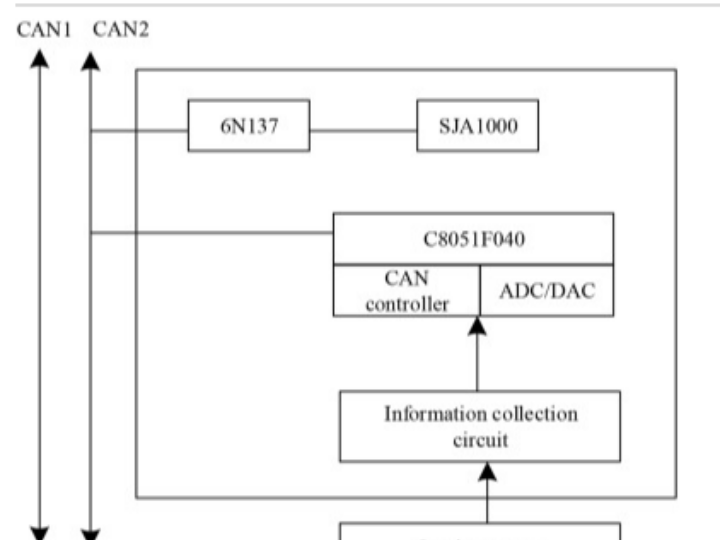
- Uses C8051F0403 chip as information collector
- Real-time collection of abnormal data including temperature, voltage, and equipment status
2. Basic Service Layer
- Collects information from virtual machines and performs persistent data storage
- Sensor data collection and conversion through 12-bit ADC
3. Core Service Layer
- Monitoring terminal based on ARM7TDMI microprocessor
- SMS alert transmission via GSM module
- Sensor network connection via CAN controller and RS485 bus
- Image capture and storage when anomalies occur
4. User Interface Layer
- Cloud platform resource monitoring and alert information provision
- Ensures 24/7 availability
Random Forest-Based Automatic Analysis Method
1. Building Alert Root Cause Database
Defines 6 fault types:
- CPU overload
- Memory leak
- Network packet loss
- Disk I/O bottleneck
- OpenStack component anomaly
- MANO component deactivation
2. Log Normalization (4 Steps)
- Parsing: Extract log events by replacing variables with special characters
- Clustering: Group similar logs based on edit distance
- Grouping: Classify log events using 5-minute sliding windows
- Vectorization: Convert logs to vectors using TF-IDF method
3. Random Forest Model Training
- Construct multiple decision trees
- Select features based on Gini index minimization principle
- Final fault diagnosis through voting mechanism
4. Iterative Improvement Based on Expert Feedback
- Operations experts validate/correct diagnostic results
- Add corrected samples to database for continuous model improvement
Experimental Results
Test Environment
- CloudStack 4.18 cluster
- 10 hosts, 100+ virtual machines
- 3,000 historical alert records
Performance Metrics
- Noise Reduction Rate: Average 96.4% (over 50% improvement compared to existing methods)
- False Alert Rate: Maintained below 10%
- F1-score: Average 0.96 (balanced precision and recall)
- Supports root cause analysis for rapid fault response
Key Contributions
- Implemented automated alert monitoring by integrating hardware and AI
- Extracted core features through 4-step log processing
- Prevented alert flooding and improved fault localization speed
- Continuous model improvement through expert feedback learning
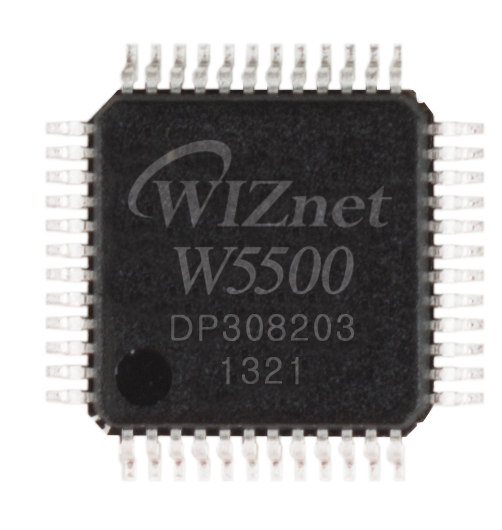
Role of W5500
Position in System
Deployed in the network connectivity section of the User Interface Layer
Main Functions
- Provides Ethernet Interface
- Enables monitoring device to configure each sensor node
- SPI Interface Communication
- Communicates with host microprocessor via SPI
- Significantly reduces complexity of implementing network functionality in embedded devices
- Minimizes CPU load
- Ensures Real-time Data Transmission
- Real-time and stable transmission of monitoring data to cloud platform
- Receives and executes commands from cloud platform
- System Integration Role
- Connects C8051F0403 chip (data collection) with wireless sensor network
- Serves as communication bridge between cloud platform and field sensors
Core Value
W5500 features a hardware TCP/IP stack that reduces the network processing burden on microcontrollers, serving as a core component that ensures the scalability and stability of the cloud monitoring system.
===================
논문 요약: Random Forest 기반 클라우드 플랫폼 알림 모니터링 및 자동 분석 시스템
연구 배경 및 목적
클라우드 플랫폼에서 발생하는 알림 정보 과부하(alert overload) 문제를 해결하기 위한 시스템입니다. 불필요하거나 중복된 알림이 운영 인력의 신속한 문제 파악을 방해하는 상황을 개선하고자 했습니다.
시스템 아키텍처 (4계층 구조)
1. 인프라 계층
- CloudStack 플랫폼 기반 Xen 가상화 구현
- C8051F0403 칩을 정보 수집기로 사용
- 온도, 전압, 장비 상태 등 이상 데이터를 실시간 수집
2. 기본 서비스 계층
- 가상머신에서 정보 수집 및 데이터 영구 저장
- 12비트 ADC를 통한 센서 데이터 수집 및 변환
3. 핵심 서비스 계층
- ARM7TDMI 마이크로프로세서 기반 모니터링 터미널
- GSM 모듈을 통한 SMS 알림 전송
- CAN 컨트롤러 및 RS485 버스로 센서 네트워크 연결
- 이상 발생 시 이미지 캡처 및 저장
4. 사용자 인터페이스 계층
- 클라우드 플랫폼 자원 모니터링 및 알림 정보 제공
- 24/7 가용성 보장
Random Forest 기반 자동 분석 방법
1. 알림 근본 원인 데이터베이스 구축
6가지 장애 유형 정의:
- CPU 과부하
- 메모리 누수
- 네트워크 패킷 손실
- 디스크 I/O 병목
- OpenStack 컴포넌트 이상
- MANO 컴포넌트 비활성화
2. 로그 정규화 (4단계)
- 파싱: 변수를 특수 문자로 치환하여 로그 이벤트 추출
- 클러스터링: 편집 거리 기반으로 유사 로그 그룹화
- 그룹화: 5분 슬라이딩 윈도우로 로그 이벤트 분류
- 벡터화: TF-IDF 방식으로 로그를 벡터로 변환
3. Random Forest 모델 학습
- 다수의 결정 트리 구축
- Gini 지수 최소화 원칙으로 특징 선택
- 투표 메커니즘으로 최종 장애 진단
4. 전문가 피드백 기반 반복 개선
- 진단 결과를 운영 전문가가 검증/수정
- 수정된 샘플을 데이터베이스에 추가하여 모델 지속 개선
실험 결과
테스트 환경
- CloudStack 4.18 클러스터
- 10대 호스트, 100개 이상 가상머신
- 3,000개 역사적 알림 레코드
성능 지표
- 노이즈 감소율: 평균 96.4% (기존 방법 대비 50% 이상 개선)
- 오탐률: 10% 미만 유지
- F1-score: 평균 0.96 (정확도와 재현율 균형)
- 근본 원인 분석 지원으로 신속한 장애 대응 가능
주요 기여점
- 하드웨어와 AI 통합으로 자동화된 알림 모니터링 구현
- 4단계 로그 처리로 핵심 특징 추출
- 알림 홍수 방지 및 장애 위치 파악 속도 향상
- 전문가 피드백 학습으로 지속적 모델 개선
W5500의 역할
시스템 내 위치
사용자 인터페이스 계층의 네트워크 연결 부분에 배치
주요 기능
- 이더넷 인터페이스 제공
- 모니터링 장치가 각 센서 노드를 설정할 수 있도록 지원
- SPI 인터페이스 통신
- 호스트 마이크로프로세서와 SPI로 통신
- 임베디드 장치의 네트워크 기능 구현 복잡도 대폭 감소
- CPU 부하 최소화
- 실시간 데이터 전송 보장
- 모니터링 데이터를 클라우드 플랫폼으로 실시간·안정적 전송
- 클라우드 플랫폼 명령을 수신하여 실행
- 시스템 통합 역할
- C8051F0403 칩(데이터 수집)과 무선 센서 네트워크를 연결
- 클라우드 플랫폼과 현장 센서 간 통신 브리지 역할
핵심 가치
W5500은 하드웨어 TCP/IP 스택을 내장하여 마이크로컨트롤러의 네트워크 처리 부담을 줄이고, 클라우드 모니터링 시스템의 확장성과 안정성을 확보하는 핵심 컴포넌트로 활용되었습니다.
참고: 이 논문은 WIZnet의 W5500이 클라우드 기반 IoT 모니터링 시스템에서 신뢰성 있는 네트워크 연결 솔루션으로 활용될 수 있음을 보여주는 실제 응용 사례입니다.