



How to Add Wired Ethernet with WIZnet W5500 on an AISAI MCU Network Module?
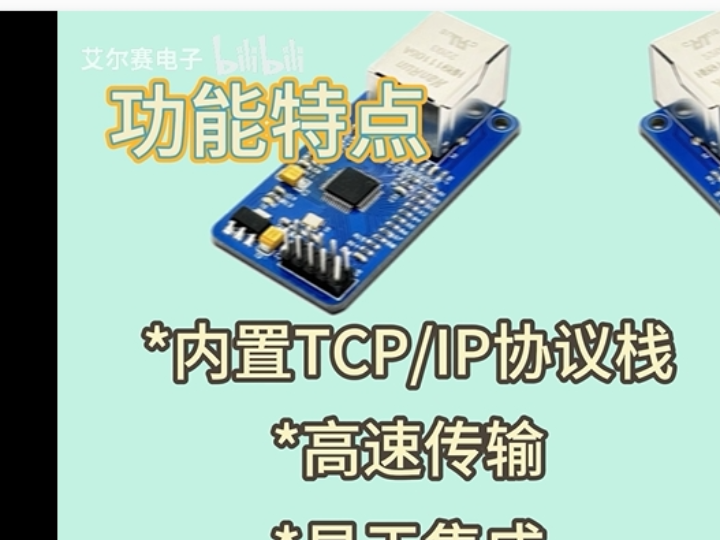
This commercial embedded module from 艾尔赛电子 uses the WIZnet W5500 to add wired Ethernet to 51-series and STM32-class MCU platforms.
How to Add Wired Ethernet with WIZnet W5500 on an AISAI MCU Network Module?
Summary
This commercial embedded module from 艾尔赛电子 uses the WIZnet W5500 to add wired Ethernet to 51-series and STM32-class MCU platforms. The module exposes W5500’s SPI host interface, hardware TCP/IP stack, 10/100 Ethernet MAC/PHY, socket engine, and packet buffers so the host MCU can implement TCP or UDP applications without carrying the full network stack in firmware.
What the Project Does
The project is a W5500 Ethernet network module intended to let small MCU boards add wired TCP/IP networking through SPI. The product description you provided identifies it as an “艾尔赛 W5500 Ethernet network module” with SPI interface, hardware TCP/IP protocol stack, and 51/STM32 driver support.
The architecture is simple: the host MCU connects to the W5500 module through SPI, while the module handles the RJ45 Ethernet side. The MCU performs board initialization, chip reset, SPI transactions, network parameter configuration, and application logic. W5500 handles Ethernet MAC/PHY operation, TCP/IP protocol offload, socket state, and packet buffering.
This is useful for commercial embedded devices that need a stable service port, controller interface, local TCP server, UDP telemetry endpoint, configuration tool connection, or wired field-network node. The module approach reduces the amount of Ethernet hardware layout work required on the customer board, while keeping the firmware interface manageable for 8-bit or Cortex-M-class MCUs.
Where WIZnet Fits
The exact WIZnet product is W5500. In this module, W5500 is the network controller. It provides the SPI-controlled Ethernet interface, hardwired TCP/IP stack, 8 independent sockets, and 32 KB internal memory used for Ethernet packet handling. WIZnet’s documentation also states that W5500 supports Wake-on-LAN and Power Down Mode for lower-power designs.
The W5500 is relevant to performance because its SPI interface supports up to 80 MHz, and its internal socket engine lets the MCU interact at the socket layer instead of running the complete TCP/IP stack itself. A W5500 module article using STM32F103 also describes the same pattern: W5500 provides hardware TCP/IP, supports TCP, UDP, IPv4, ICMP, ARP, IGMP, and PPPoE, includes 32 KB on-chip buffer memory, and connects to the MCU through SPI signals such as SCSn, SCLK, MOSI, and MISO.
For commercial use, this means the MCU can spend more time on product behavior and less time on network-stack maintenance. The firmware still needs to handle reset, PHY link checks, IP configuration, socket state, timeout policy, and application protocols, but W5500 removes much of the low-level Ethernet and TCP/IP processing burden.
Implementation Notes
No public schematic, firmware repository, or line-level source code was available from the Bilibili link in this environment; the video fetch returned a 412 Precondition Failed response. Therefore, this article does not quote project-specific code.
At the hardware level, the module should be treated as a SPI Ethernet peripheral. The minimum MCU-side signals are:
SCLKfor SPI clockMOSIfor MCU-to-W5500 dataMISOfor W5500-to-MCU dataSCSnor chip selectRSTnfor deterministic hardware resetINTnif the design uses interrupt-driven socket handling- power and ground, according to the module’s voltage requirements
A typical STM32 wiring example for a W5500 module uses SPI plus reset: one public STM32F103 example connects module SCS, SCLK, MISO, MOSI, and RST to MCU GPIO/SPI pins, then verifies communication in firmware before performing TCP/IP data transfer.
At the firmware level, the host should follow a clear bring-up path: initialize SPI, reset W5500, read the W5500 version register, configure MAC/IP/subnet/gateway/DNS or DHCP, check PHY link, allocate socket buffers, then open TCP or UDP sockets. For commercial products, add watchdog recovery, cable-removal recovery, duplicate-IP diagnostics, link-state logging, and socket timeout handling.
Practical Tips / Pitfalls
- Do not debug TCP or UDP before validating SPI register access. A bad chip-select edge or SPI mode mismatch can look like a network problem.
- Wire reset to the MCU. Commercial firmware needs a deterministic way to recover W5500 after brownout, ESD, cable events, or abnormal socket states.
- Use interrupt if latency or MCU load matters. Polling is simpler, but
INTnlets firmware react to socket events without continuously reading registers. - Size socket buffers according to traffic. Small command packets, telemetry bursts, TCP server traffic, and file-transfer traffic need different TX/RX allocations.
- Treat the RJ45 side as real Ethernet hardware. Cable quality, magnetics, ESD protection, grounding, and link negotiation still affect field reliability.
- Include field diagnostics: link state, IP address, socket state, last disconnect reason, retry count, and remote endpoint.
FAQ
Q: Why use WIZnet W5500 in this MCU Ethernet module?
A: W5500 integrates a hardwired TCP/IP stack, 10/100 Ethernet MAC/PHY, 8 sockets, and 32 KB internal packet memory. That lets a 51-series or STM32-class MCU add Ethernet through SPI while keeping firmware focused on the application, socket state, and protocol handling rather than a full software TCP/IP stack.
Q: How does W5500 connect to the MCU platform?
A: W5500 connects as a SPI slave using chip select, SCLK, MOSI, and MISO. A robust design should also connect reset and interrupt. The product description you provided identifies the module as SPI-based, and W5500 documentation confirms SPI integration with external MCUs.
Q: What role does W5500 play in this module?
A: W5500 is the Ethernet and TCP/IP engine. The host MCU decides what data to send and how to interpret received data; W5500 manages the wired Ethernet link, socket engine, hardware TCP/IP processing, and internal packet buffers.
Q: Can beginners use this module?
A: Yes, if they already understand SPI wiring, MCU GPIO control, basic IPv4 settings, and simple TCP/UDP socket behavior. A good first milestone is reading the W5500 version register, followed by PHY link detection, then a UDP or TCP loopback test.
Q: How does W5500 compare with ENC28J60 for this commercial module use case?
A: W5500 includes hardwired TCP/IP, 8 sockets, and 32 KB internal packet memory. ENC28J60 is a 10BASE-T standalone Ethernet controller with SPI, onboard MAC/PHY, and 8 KB buffer RAM, so the host MCU usually carries more software-stack responsibility when using ENC28J60.
Source
Original video source: Bilibili video BV1iZ421t7Kt. The page could not be fetched in this environment, so schematic, license, and firmware details could not be independently verified from the video page.
User-provided product description: 艾尔赛 W5500 Ethernet network module with SPI interface, hardware TCP/IP protocol stack, 51/STM32 driver support, WOL, Power Down Mode, and 80 MHz SPI support.
WIZnet product reference: W5500 documentation.
Alternative reference for comparison: Microchip ENC28J60 product information.
Tags
#W5500 #WIZnet #AISAI #EthernetModule #SPI #HardwareTCPIP #STM32 #8051 #Commercial #HardwareWiring #Performance #ENC28J60 #TCPIP
AISAI MCU 네트워크 모듈에서 WIZnet W5500으로 유선 이더넷을 추가하는 방법은?
요약
이 상용 임베디드 모듈은 艾尔赛电子가 WIZnet W5500을 사용해 51 계열 및 STM32급 MCU 플랫폼에 유선 이더넷을 추가할 수 있도록 만든 네트워크 모듈입니다. 이 모듈은 W5500의 SPI 호스트 인터페이스, 하드웨어 TCP/IP 스택, 10/100 Ethernet MAC/PHY, 소켓 엔진, 패킷 버퍼를 제공하여 호스트 MCU가 전체 네트워크 스택을 펌웨어에 직접 구현하지 않고도 TCP 또는 UDP 애플리케이션을 구성할 수 있게 합니다.
프로젝트가 하는 일
이 프로젝트는 소형 MCU 보드가 SPI를 통해 유선 TCP/IP 네트워크 기능을 추가할 수 있도록 만든 W5500 이더넷 네트워크 모듈입니다. 제공해주신 제품 설명에 따르면 이 모듈은 “艾尔赛 W5500 Ethernet network module”이며, SPI 인터페이스, 하드웨어 TCP/IP 프로토콜 스택, 51/STM32 드라이버 지원을 특징으로 합니다.
아키텍처는 단순합니다. 호스트 MCU는 SPI로 W5500 모듈에 연결되고, 모듈은 RJ45 이더넷 측을 처리합니다. MCU는 보드 초기화, 칩 리셋, SPI 트랜잭션, 네트워크 파라미터 설정, 애플리케이션 로직을 담당합니다. W5500은 Ethernet MAC/PHY 동작, TCP/IP 프로토콜 오프로딩, 소켓 상태, 패킷 버퍼링을 담당합니다.
이 구조는 안정적인 서비스 포트, 컨트롤러 인터페이스, 로컬 TCP 서버, UDP 텔레메트리 엔드포인트, 설정 도구 연결, 유선 필드 네트워크 노드가 필요한 상용 임베디드 장치에 유용합니다. 모듈 형태를 사용하면 고객 보드에서 이더넷 하드웨어 레이아웃 부담을 줄이면서도, 8-bit MCU나 Cortex-M급 MCU에서 다루기 쉬운 펌웨어 인터페이스를 유지할 수 있습니다.
WIZnet이 들어가는 위치
이 프로젝트에서 사용되는 WIZnet 제품은 W5500입니다. 이 모듈에서 W5500은 네트워크 컨트롤러입니다. W5500은 SPI로 제어되는 이더넷 인터페이스, 하드웨어 TCP/IP 스택, 8개 독립 소켓, 이더넷 패킷 처리를 위한 32 KB 내부 메모리를 제공합니다. WIZnet 문서에서는 W5500이 저전력 설계를 위해 Wake-on-LAN과 Power Down Mode도 지원한다고 설명합니다.
W5500은 성능 측면에서도 중요합니다. SPI 인터페이스는 최대 80 MHz를 지원하며, 내부 소켓 엔진을 통해 MCU가 전체 TCP/IP 스택을 직접 실행하지 않고 소켓 계층에서 네트워크를 다룰 수 있습니다. STM32F103 기반 W5500 모듈 예제에서도 같은 구조가 설명됩니다. W5500은 하드웨어 TCP/IP를 제공하고, TCP, UDP, IPv4, ICMP, ARP, IGMP, PPPoE를 지원하며, 32 KB 온칩 버퍼 메모리를 포함하고, SCSn, SCLK, MOSI, MISO 같은 SPI 신호로 MCU와 연결됩니다.
상용 제품에서는 이 구조가 MCU가 제품 동작에 더 집중하고 네트워크 스택 유지보수 부담을 줄이는 데 도움이 됩니다. 펌웨어는 여전히 리셋, PHY 링크 확인, IP 설정, 소켓 상태, 타임아웃 정책, 애플리케이션 프로토콜을 처리해야 하지만, W5500은 저수준 이더넷 및 TCP/IP 처리 부담을 상당 부분 줄여줍니다.
구현 참고 사항
Bilibili 링크는 이 환경에서 접근할 수 없었으며, 영상 페이지가 412 Precondition Failed 응답을 반환했습니다. 따라서 영상의 회로도, 라이선스, 펌웨어 세부 사항은 독립적으로 검증할 수 없었습니다. 아래 내용은 제공해주신 제품 설명과 W5500의 검증 가능한 아키텍처를 기반으로 한 구현 설명입니다.
하드웨어 수준에서 이 모듈은 SPI 이더넷 주변장치로 다루면 됩니다. MCU 측 최소 신호는 다음과 같습니다.
SCLK: SPI 클록MOSI: MCU에서 W5500으로 보내는 데이터MISO: W5500에서 MCU로 보내는 데이터SCSn또는 chip selectRSTn: 결정적인 하드웨어 리셋INTn: 인터럽트 기반 소켓 처리를 사용할 경우 필요- 전원 및 GND: 모듈의 전압 요구 사항에 맞게 연결
일반적인 STM32 배선 예에서는 W5500 모듈의 SCS, SCLK, MISO, MOSI, RST를 MCU GPIO/SPI 핀에 연결한 뒤, 펌웨어에서 통신을 검증하고 TCP/IP 데이터 전송을 수행합니다.
펌웨어 수준에서는 bring-up 절차를 명확히 유지해야 합니다. SPI를 초기화하고, W5500을 리셋한 뒤, W5500 버전 레지스터를 읽어 SPI 접근을 확인합니다. 이후 MAC/IP/subnet/gateway/DNS 또는 DHCP를 설정하고, PHY 링크를 확인하며, 소켓 버퍼를 할당한 뒤 TCP 또는 UDP 소켓을 엽니다. 상용 제품에서는 watchdog 복구, 케이블 제거 복구, 중복 IP 진단, 링크 상태 로그, 소켓 타임아웃 처리도 추가해야 합니다.
실무 팁 / 주의점
- TCP 또는 UDP를 디버깅하기 전에 SPI 레지스터 접근부터 검증해야 합니다. 잘못된 chip-select 타이밍이나 SPI mode mismatch는 네트워크 문제처럼 보일 수 있습니다.
- Reset 핀은 MCU에 연결하는 것이 좋습니다. 상용 펌웨어는 brownout, ESD, 케이블 이벤트, 비정상 소켓 상태 이후 W5500을 확실히 복구할 수 있어야 합니다.
- 지연 시간이나 MCU 부하가 중요하다면 interrupt를 사용하는 것이 좋습니다. Polling은 단순하지만,
INTn을 사용하면 펌웨어가 계속 레지스터를 읽지 않고도 소켓 이벤트에 반응할 수 있습니다. - 트래픽 유형에 맞게 소켓 버퍼를 설정해야 합니다. 짧은 명령 패킷, 텔레메트리 burst, TCP 서버 트래픽, 파일 전송 트래픽은 서로 다른 TX/RX 할당이 필요할 수 있습니다.
- RJ45 쪽은 실제 이더넷 하드웨어로 다뤄야 합니다. 케이블 품질, magnetics, ESD 보호, 접지, 링크 negotiation은 현장 신뢰성에 직접 영향을 줍니다.
- 현장 진단 정보를 포함해야 합니다. 링크 상태, IP 주소, 소켓 상태, 마지막 연결 해제 원인, 재시도 횟수, 원격 endpoint를 확인할 수 있어야 유지보수가 쉬워집니다.
FAQ
Q: 이 MCU 이더넷 모듈에서 왜 WIZnet W5500을 사용하나요?
A: W5500은 하드웨어 TCP/IP 스택, 10/100 Ethernet MAC/PHY, 8개 소켓, 32 KB 내부 패킷 메모리를 통합합니다. 이를 통해 51 계열 또는 STM32급 MCU가 SPI만으로 이더넷을 추가할 수 있고, 펌웨어는 전체 소프트웨어 TCP/IP 스택보다 애플리케이션, 소켓 상태, 프로토콜 처리에 집중할 수 있습니다.
Q: W5500은 MCU 플랫폼에 어떻게 연결하나요?
A: W5500은 SPI slave로 연결되며 chip select, SCLK, MOSI, MISO를 사용합니다. 견고한 설계에서는 reset과 interrupt도 함께 연결하는 것이 좋습니다. 제공해주신 제품 설명도 이 모듈이 SPI 기반임을 명시하며, W5500 문서 역시 외부 MCU와 SPI로 통합되는 구조를 설명합니다.
Q: 이 모듈에서 W5500은 어떤 역할을 하나요?
A: W5500은 이더넷 및 TCP/IP 엔진입니다. 호스트 MCU는 어떤 데이터를 보낼지, 수신 데이터를 어떻게 해석할지 결정합니다. W5500은 유선 이더넷 링크, 소켓 엔진, 하드웨어 TCP/IP 처리, 내부 패킷 버퍼를 관리합니다.
Q: 초보자도 이 모듈을 사용할 수 있나요?
A: 가능합니다. 다만 SPI 배선, MCU GPIO 제어, 기본 IPv4 설정, 간단한 TCP/UDP 소켓 동작을 이해하고 있으면 더 수월합니다. 첫 번째 목표는 W5500 버전 레지스터 읽기이고, 그 다음은 PHY 링크 확인, 이후 UDP 또는 TCP loopback 테스트입니다.
Q: 이 상용 모듈 용도에서 W5500은 ENC28J60과 어떻게 다른가요?
A: W5500은 하드웨어 TCP/IP, 8개 소켓, 32 KB 내부 패킷 메모리를 포함합니다. ENC28J60은 SPI 기반 10BASE-T stand-alone Ethernet controller이며, onboard MAC/PHY와 8 KB 버퍼 RAM을 제공합니다. 따라서 ENC28J60을 사용할 경우 일반적으로 호스트 MCU가 더 많은 소프트웨어 네트워크 스택 책임을 부담해야 합니다.
출처
Original video source: Bilibili video BV1iZ421t7Kt. 이 환경에서는 페이지를 가져올 수 없어 회로도, 라이선스, 펌웨어 세부 사항을 독립적으로 검증할 수 없었습니다.
https://www.bilibili.com/video/BV1iZ421t7Kt/
User-provided product description: 艾尔赛 W5500 Ethernet network module with SPI interface, hardware TCP/IP protocol stack, 51/STM32 driver support, WOL, Power Down Mode, and 80 MHz SPI support.
WIZnet product reference: W5500 documentation.
https://docs.wiznet.io/Product/Chip/Ethernet/W5500
Alternative reference for comparison: Microchip ENC28J60 product information.
https://www.microchip.com/en-us/product/ENC28J60
태그
#W5500 #WIZnet #AISAI #EthernetModule #SPI #HardwareTCPIP #STM32 #8051 #Commercial #HardwareWiring #Performance #ENC28J60 #TCPIP