



How to Build Reliable TCP/UDP Communication with W5500 on STM32?
This project demonstrates how to implement reliable TCP/UDP communication using the WIZnet W5500 Ethernet controller with an STM32 MCU.
How to Build Reliable TCP/UDP Communication with W5500 on STM32?
Summary
This project demonstrates how to implement reliable TCP/UDP communication using the WIZnet W5500 Ethernet controller with an STM32 MCU. The W5500 provides a hardware TCP/IP stack, eliminating the need for software stacks like LwIP. In this architecture, STM32 handles application logic while W5500 acts as the network transport engine, enabling deterministic and low-overhead Ethernet communication.
What the Project Does
The system builds a complete embedded Ethernet communication pipeline using STM32 and W5500.
Core functions include:
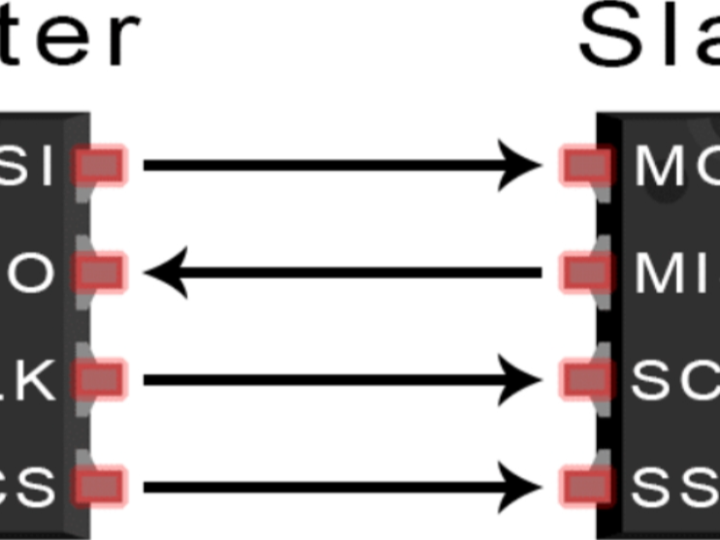
- SPI-based communication between STM32 and W5500
- Network configuration (MAC, IP, subnet, gateway)
- TCP/UDP socket creation and management
- Data transmission and reception
- Connection state monitoring
System flow:
STM32 → SPI → W5500 → Ethernet → Remote Host
Two main communication modes are used:
TCP Mode
- Connection-oriented and reliable
- Handles retransmission internally (via W5500)
- Suitable for MQTT, HTTP, remote control
UDP Mode
- Connectionless and lower latency
- Suitable for streaming, broadcast, or sensor bursts
This architecture is widely used in:
- Industrial IoT devices
- Embedded gateways
- Remote monitoring systems
Where WIZnet Fits
The W5500 acts as a dedicated hardware TCP/IP offload engine in the STM32 system.
Role of W5500
- Handles full TCP/IP stack in hardware (TOE)
- Manages packet buffering and retransmission
- Supports up to 8 simultaneous sockets
Role of STM32
- Executes application logic
- Controls W5500 via SPI
- Processes received data and generates responses
This separation is important because:
- STM32 does not need to run LwIP or RTOS networking tasks
- CPU and RAM usage are significantly reduced
- Network timing becomes more predictable
Compared to STM32 + LwIP (software stack):
- LwIP requires careful memory allocation and RTOS tuning
- Interrupt and network timing can interfere with each other
- W5500 simplifies firmware and improves stability
Implementation Notes
The original article explains W5500 communication flow but does not provide a full repository.
Below is a conceptual integration example based on WIZnet ioLibrary, adapted for STM32:
#include "wizchip_conf.h"
#include "socket.h"
// SPI functions implemented using STM32 HAL
void spi_write(uint8_t data);
uint8_t spi_read(void);
void wizchip_spi_init(void) {
reg_wizchip_spi_cbfunc(spi_read, spi_write);
}
void network_init(void) {
uint8_t txsize[8] = {2,2,2,2,2,2,2,2};
uint8_t rxsize[8] = {2,2,2,2,2,2,2,2};
wizchip_init(txsize, rxsize);
wiz_NetInfo netinfo = {
.mac = {0x00,0x08,0xDC,0xAA,0xBB,0xCC},
.ip = {192,168,1,100},
.sn = {255,255,255,0},
.gw = {192,168,1,1}
};
wizchip_setnetinfo(&netinfo);
}
void tcp_server(void) {
socket(0, Sn_MR_TCP, 5000, 0);
listen(0);
while (1) {
if (getSn_SR(0) == SOCK_ESTABLISHED) {
uint8_t buf[128];
int len = recv(0, buf, sizeof(buf));
if (len > 0) {
send(0, buf, len); // echo back
}
}
}
}
Why this matters:
- Shows how STM32 integrates W5500 via SPI
- Demonstrates hardware socket-based networking
- Highlights reduced firmware complexity compared to LwIP
For MQTT:
- STM32 runs MQTT client logic
- W5500 provides TCP transport
- Enables cloud connectivity without full TCP/IP stack overhead
Practical Tips / Pitfalls
- Verify SPI configuration (mode, speed, CS timing) on STM32
- Ensure proper hardware reset and initialization sequence for W5500
- Check PHY link status before opening sockets
- Handle socket states (LISTEN, ESTABLISHED, CLOSE_WAIT) correctly
- Avoid blocking loops in STM32 main loop
- Use interrupt or RTOS for better task separation if needed
- Monitor buffer sizes when handling large data
FAQ
Q: Why use W5500 with STM32 instead of LwIP?
A: W5500 offloads the TCP/IP stack to hardware, reducing STM32 CPU load and memory usage while simplifying firmware design.
Q: How is W5500 connected to STM32?
A: Through SPI interface (MISO, MOSI, SCK, CS), along with optional interrupt and reset pins.
Q: What role does W5500 play in this system?
A: It handles all Ethernet communication, including TCP/UDP processing and socket management.
Q: Can beginners use STM32 + W5500?
A: Yes. It is often easier than using LwIP because networking is handled by hardware, reducing software complexity.
Q: TCP vs UDP on STM32 + W5500?
A: TCP is used for reliable communication (e.g., MQTT), while UDP is better for low-latency or broadcast use cases.
Source
- Original Article: https://blog.csdn.net/dafurong/article/details/148143390
- License: Not specified
Tags
#W5500 #STM32 #Ethernet #TCP #UDP #SPI #EmbeddedSystems #IoT #MQTT #WIZnet
STM32에서 W5500으로 안정적인 TCP/UDP 통신을 구축하는 방법은?
Summary
이 프로젝트는 STM32 MCU와 WIZnet W5500 Ethernet 컨트롤러를 함께 사용해 안정적인 TCP/UDP 통신을 구현하는 방법을 보여줍니다. W5500은 하드웨어 TCP/IP 스택을 제공하므로 LwIP 같은 소프트웨어 스택이 필요하지 않습니다. 이 구조에서 STM32는 애플리케이션 로직을 담당하고, W5500은 네트워크 전송 엔진으로 동작하여 보다 예측 가능하고 오버헤드가 낮은 Ethernet 통신을 가능하게 합니다.
What the Project Does
이 시스템은 STM32와 W5500을 조합해 완전한 임베디드 Ethernet 통신 경로를 구성합니다.
핵심 기능은 다음과 같습니다.
- STM32와 W5500 간 SPI 기반 통신
- 네트워크 설정(MAC, IP, subnet, gateway)
- TCP/UDP 소켓 생성 및 관리
- 데이터 송수신
- 연결 상태 모니터링
시스템 흐름은 다음과 같습니다.
STM32 → SPI → W5500 → Ethernet → Remote Host
주요 통신 방식은 두 가지입니다.
TCP Mode
- 연결 지향 방식
- 신뢰성 있는 전송
- 재전송은 W5500이 내부적으로 처리
- MQTT, HTTP, 원격 제어에 적합
UDP Mode
- 비연결 방식
- 더 낮은 지연
- 스트리밍, 브로드캐스트, 센서 버스트 전송에 적합
이 구조는 다음과 같은 분야에서 자주 사용됩니다.
- 산업용 IoT 장치
- 임베디드 게이트웨이
- 원격 모니터링 시스템
Where WIZnet Fits
이 시스템에서 W5500은 STM32 옆에서 동작하는 전용 하드웨어 TCP/IP 오프로드 엔진입니다.
W5500의 역할
- 하드웨어 기반 TCP/IP 스택(TOE) 처리
- 패킷 버퍼링과 재전송 관리
- 최대 8개의 동시 소켓 지원
STM32의 역할
- 애플리케이션 로직 실행
- SPI를 통해 W5500 제어
- 수신 데이터 처리 및 응답 생성
이 역할 분리가 중요한 이유는 분명합니다.
- STM32가 LwIP나 RTOS 네트워킹 작업을 직접 처리하지 않아도 됨
- CPU와 RAM 사용량을 크게 줄일 수 있음
- 네트워크 타이밍이 더 예측 가능해짐
STM32 + LwIP 구조와 비교하면 차이가 더 뚜렷합니다.
- LwIP는 메모리 할당과 RTOS 튜닝이 필요함
- 인터럽트와 네트워크 타이밍이 서로 영향을 줄 수 있음
- W5500은 펌웨어를 단순하게 만들고 안정성을 높이기 쉽습니다
Implementation Notes
원문 글은 W5500의 통신 흐름을 설명하지만, 전체 저장소 형태의 검증된 프로젝트는 제공하지 않습니다.
아래 코드는 WIZnet ioLibrary 기반의 개념적 통합 예시이며, STM32에 맞춰 설명한 것입니다.
#include "wizchip_conf.h"
#include "socket.h"
// SPI functions implemented using STM32 HAL
void spi_write(uint8_t data);
uint8_t spi_read(void);
void wizchip_spi_init(void) {
reg_wizchip_spi_cbfunc(spi_read, spi_write);
}
void network_init(void) {
uint8_t txsize[8] = {2,2,2,2,2,2,2,2};
uint8_t rxsize[8] = {2,2,2,2,2,2,2,2};
wizchip_init(txsize, rxsize);
wiz_NetInfo netinfo = {
.mac = {0x00,0x08,0xDC,0xAA,0xBB,0xCC},
.ip = {192,168,1,100},
.sn = {255,255,255,0},
.gw = {192,168,1,1}
};
wizchip_setnetinfo(&netinfo);
}
void tcp_server(void) {
socket(0, Sn_MR_TCP, 5000, 0);
listen(0);
while (1) {
if (getSn_SR(0) == SOCK_ESTABLISHED) {
uint8_t buf[128];
int len = recv(0, buf, sizeof(buf));
if (len > 0) {
send(0, buf, len); // echo back
}
}
}
}
이 예제가 중요한 이유는 다음과 같습니다.
- STM32가 SPI를 통해 W5500과 어떻게 연결되는지 보여줌
- 하드웨어 소켓 기반 네트워킹 구조를 이해하기 쉬움
- LwIP에 비해 펌웨어 복잡도가 얼마나 줄어드는지 드러남
MQTT로 확장하는 경우에는 다음과 같이 볼 수 있습니다.
- STM32가 MQTT 클라이언트 로직을 실행
- W5500이 TCP 전송 계층을 담당
- 전체 TCP/IP 스택을 소프트웨어로 구현하지 않고도 클라우드 연결 가능
Practical Tips / Pitfalls
- STM32에서 SPI 설정(mode, speed, CS timing) 을 먼저 정확히 확인해야 합니다.
- W5500의 하드웨어 리셋과 초기화 순서를 안정적으로 처리해야 합니다.
- 소켓을 열기 전에 PHY link 상태를 점검하는 편이 좋습니다.
- LISTEN, ESTABLISHED, CLOSE_WAIT 같은 소켓 상태 처리를 정확히 해야 합니다.
- STM32 메인 루프에서 블로킹 루프를 과도하게 사용하지 않는 편이 좋습니다.
- 필요하면 인터럽트 또는 RTOS를 이용해 작업을 분리할 수 있습니다.
- 큰 데이터를 다룰 때는 버퍼 크기와 송수신 처리량을 함께 점검해야 합니다.
FAQ
Q: 왜 STM32에서 LwIP 대신 W5500을 사용하나요?
A: W5500이 TCP/IP 스택을 하드웨어로 오프로드하기 때문에 STM32의 CPU 부하와 메모리 사용량을 줄일 수 있습니다. 그 결과 펌웨어 구조가 더 단순해지고 유지보수도 쉬워집니다.
Q: W5500은 STM32에 어떻게 연결하나요?
A: 일반적으로 SPI 인터페이스를 사용합니다. MISO, MOSI, SCK, CS에 더해 필요하면 INT와 RESET 핀도 함께 연결합니다.
Q: 이 시스템에서 W5500은 어떤 역할을 하나요?
A: Ethernet 통신 전체를 담당합니다. TCP/UDP 처리와 소켓 관리까지 네트워크 전송 계층 역할을 수행합니다.
Q: 초보자도 STM32 + W5500을 사용할 수 있나요?
A: 가능합니다. 네트워킹이 하드웨어에서 처리되기 때문에 LwIP를 직접 다루는 것보다 진입 장벽이 낮은 편입니다. 기본적인 SPI와 임베디드 C 지식이 있으면 충분히 시작할 수 있습니다.
Q: STM32 + W5500에서 TCP와 UDP는 언제 각각 쓰나요?
A: TCP는 MQTT처럼 신뢰성 있는 통신이 필요한 경우에 적합합니다. UDP는 더 낮은 지연이나 브로드캐스트가 중요한 경우에 적합합니다.
Source
- Original Article: https://blog.csdn.net/dafurong/article/details/148143390
- License: 명시되지 않음
Tags
#W5500 #STM32 #Ethernet #TCP #UDP #SPI #EmbeddedSystems #IoT #MQTT #WIZnet