


ramses_esp_eth
A wired ESP32-S3 gateway that converts 868 MHz Evohome/Ramses II RF signals into MQTT for reliable smart-home integration.
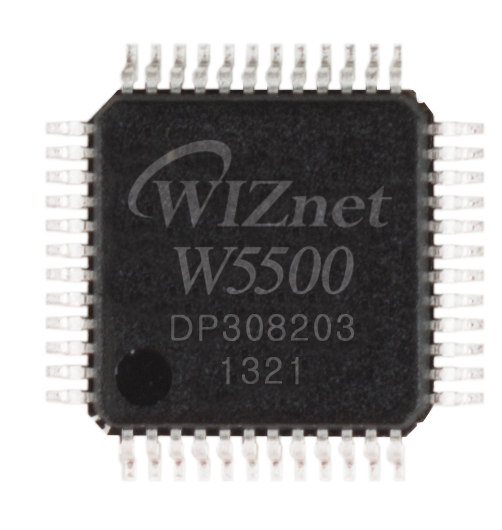
WIZnet - W5500
x 1

Introducing the ESP32-S3 Evohome/Ramses II RF → MQTT Ethernet Gateway
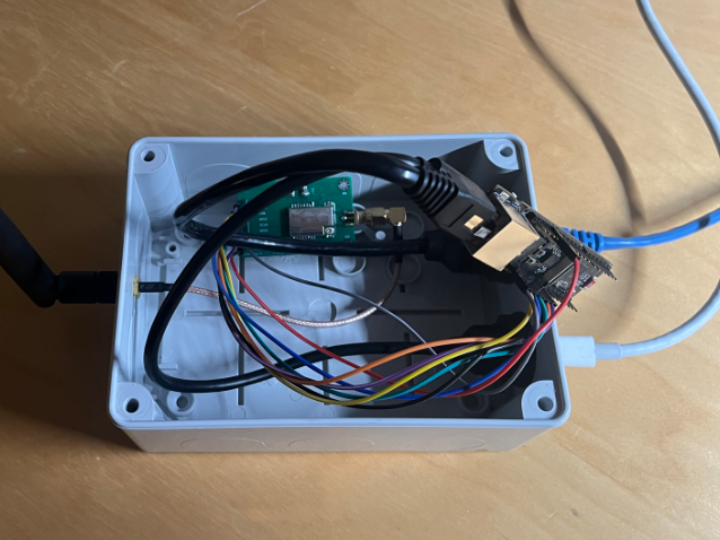
This project is a wired Ethernet gateway that captures 868 MHz RF signals from Honeywell Evohome/Ramses II systems and forwards them to an MQTT broker. A CC1101 handles RF reception, the ESP32-S3 processes the protocol, and the W5500 module provides a stable Ethernet link.
Although a Wi-Fi version (ramses_esp) already exists, this Ethernet-only design was created for users who need maximum reliability and a true plug-and-play gateway—a device you configure once, connect to Ethernet and power, and depend on continuously without worrying about wireless instability.
Why is it interesting?
Most open-source Evohome/Ramses gateways rely on Wi-Fi, which can introduce latency,
instability, or disconnections—problems that are unacceptable in heating control.
This limitation naturally led to exploring an Ethernet-only approach in the first place.
This project instead uses wired Ethernet (W5500) and leverages the ESP32-S3's dual cores, dedicating one to RF processing and the other to networking. As a result, RF packets are captured consistently and reliably.
What does the gateway actually do?
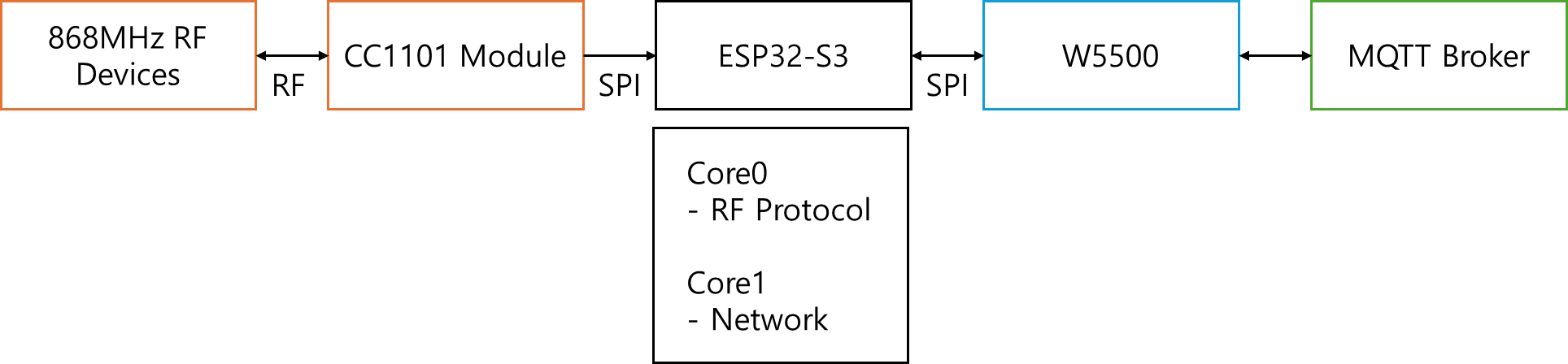
The concept is straightforward:
- Receive 868MHz RF signals via CC1101
→ Parse them on the ESP32-S3 → Publish them to an MQTT broker via Ethernet
- And in the opposite direction:
→ Receive MQTT commands → Transmit them back over RF
In short, it acts as a bridge between wireless heating devices and MQTT-based smart home systems.
This makes it possible to:
- Monitor heating data in real time
- Automate TRV and boiler control
- Integrate a complete Evohome system with Home Assistant
Design Highlights
A few noteworthy aspects:
- Ethernet-based, far more stable than Wi-Fi
- Dual-core FreeRTOS design ensures RF and network tasks never interfere
- CC1101 radio watchdog for automatic recovery
- Home Assistant MQTT Discovery support
- Full Ramses II/Evohome protocol handling
- The gateway is also designed to be plug-and-play: configure it once, connect Ethernet and power, and let it run continuously without user intervention.
The project focuses on reliability, which is essential for any heating system gateway.
Who is this useful for?
- Home Assistant users who want Evohome/Ramses II integration
- Anyone needing an alternative to Honeywell’s discontinued HGI80
- Users who want stable RF ↔ MQTT communication
- Developers studying 868MHz RF protocols
- Anyone who has struggled with Wi-Fi-based gateways dropping packets
Conclusion
This project goes well beyond a simple ESP32 experiment.
It recreates the functionality of commercial hardware using open-source tools and affordable components—while providing stability, MQTT integration, and full protocol support.
Its dedicated Ethernet design removes the instability of Wi-Fi-based gateways and focuses entirely on delivering consistent, loss-free RF communication.
If you are working with wireless heating systems, RF protocols, or smart home automation, this is a project worth exploring.
-
ramses_esp_eth


