


Bluesky AC EV Charging
Bluesky AC EV Charging
WIZnet - W5500
x 1

📌 Overview
Bluesky AC EV Charging / OCPP 보드는 전기차 완속 충전기에 유선 Ethernet, Wi-Fi, Bluetooth, 4G 통신 기능과 OCPP 1.6 기반 중앙 관제 연동 기능을 결합한 통신 플랫폼입니다. 이 제품은 충전기 설치 이후 필요한 네트워크 설정, 서버 연결, 상태 모니터링, 펌웨어 업데이트까지 하나의 운영 흐름으로 관리할 수 있도록 설계된 것이 특징입니다. 특히 현장에서는 앱이나 로컬 설정 도구로 손쉽게 네트워크를 구성할 수 있고, 운영 측면에서는 OCPP 기반으로 중앙 시스템과 연동해 충전기 상태를 안정적으로 관리할 수 있어, 상용 충전 인프라에 적합한 구조를 보여줍니다.
📌 Company
https://cnevcharger.com/about-us/
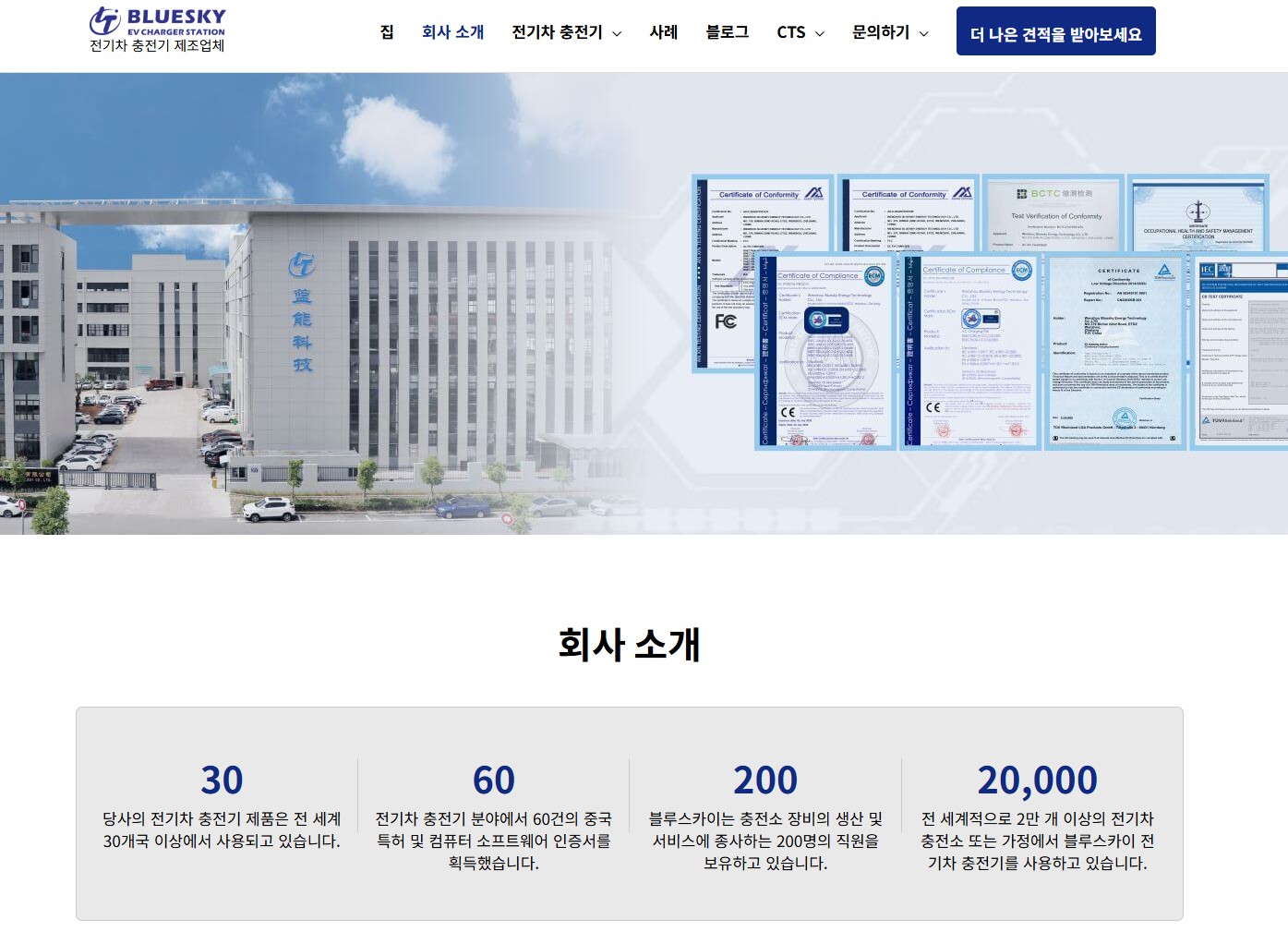
Bluesky(Wenzhou Bluesky Energy Technology Co., Ltd.)는 중국 저장성 원저우에 본사를 둔 에너지 장비 제조 기업으로, 1997년에 설립되어 20년 이상 연료 설비 및 에너지 계측 장비 분야에서 사업을 이어온 기업입니다.
초기에는 주유기 제어 시스템과 연료 관리 솔루션을 중심으로 성장했으며, 현재는 AC/DC 전기차 충전기, 충전소 관리 시스템, 앱 기반 운영 솔루션까지 제공하는 EV 충전 인프라 통합 솔루션 기업으로 사업 영역을 확장했습니다.
글로벌 시장에서는 30개국 이상에 제품을 공급하며 다양한 인증을 확보하고 있으며, 설계부터 생산, 설치, 유지보수까지 지원하는 턴키(End-to-End) 공급 역량을 갖춘 것이 특징입니다.
📌 Features
1. OCPP 1.6 기반 중앙 관제 연동
충전기와 중앙 관리 시스템 간 표준 통신을 지원하는 구조입니다. 공개 자료에서는 충전소 클라이언트와 서버를 구성하고, SteVe 서버 + WebSocket으로 양단 연결과 heartbeat 기반 상태 확인을 구현했다고 설명합니다.
2. 다중 설정 경로 제공: 485 / Bluetooth / 모바일 앱
설정 방식이 한 가지에 묶여 있지 않습니다. 공개 자료 기준으로 485 툴, Bluetooth 툴, 스마트폰 앱 Bluetooth 연결의 3개 경로가 제공되어 설치 현장과 유지보수 상황에 따라 유연하게 접근할 수 있습니다.
3. 앱 기반 Wi-Fi 및 OCPP 파라미터 설정
Wow Charger 앱으로 충전기와 연결한 뒤 Wi-Fi SSID/비밀번호 입력, OCPP 서버 파라미터 입력까지 가능하다고 안내합니다. 이는 설치 기사 없이도 현장 설정 일부를 사용자 또는 운영자가 수행할 수 있게 해 줍니다.
4. 로컬 및 온라인 펌웨어 업그레이드 지원
공개 자료상 로컬 업그레이드는 485 시리얼 포트 툴을 사용하고, 온라인 업그레이드는 플랫폼 업데이트 또는 FTP 기반 프로그램 전송으로 설명됩니다. 별도 OCPP 보드 업데이트 절차도 제공되어, 필드 유지보수 관점에서 제품화 수준의 운영성을 보여 줍니다.
5. 상용 제품 수준의 설치·조립 문서화
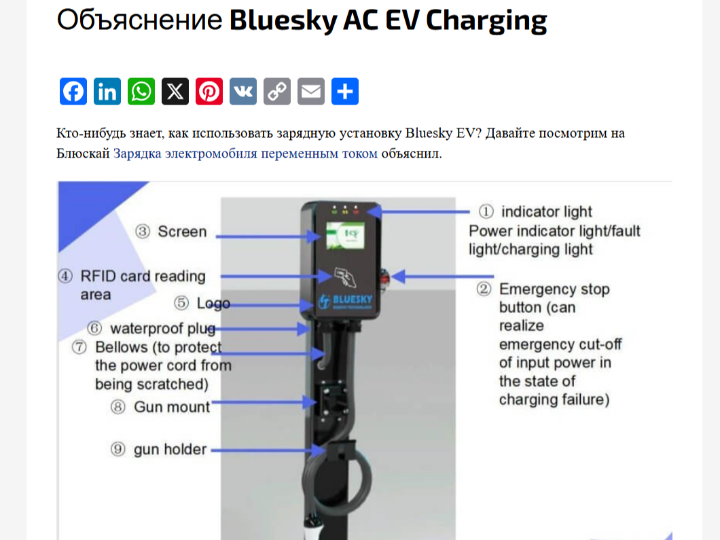
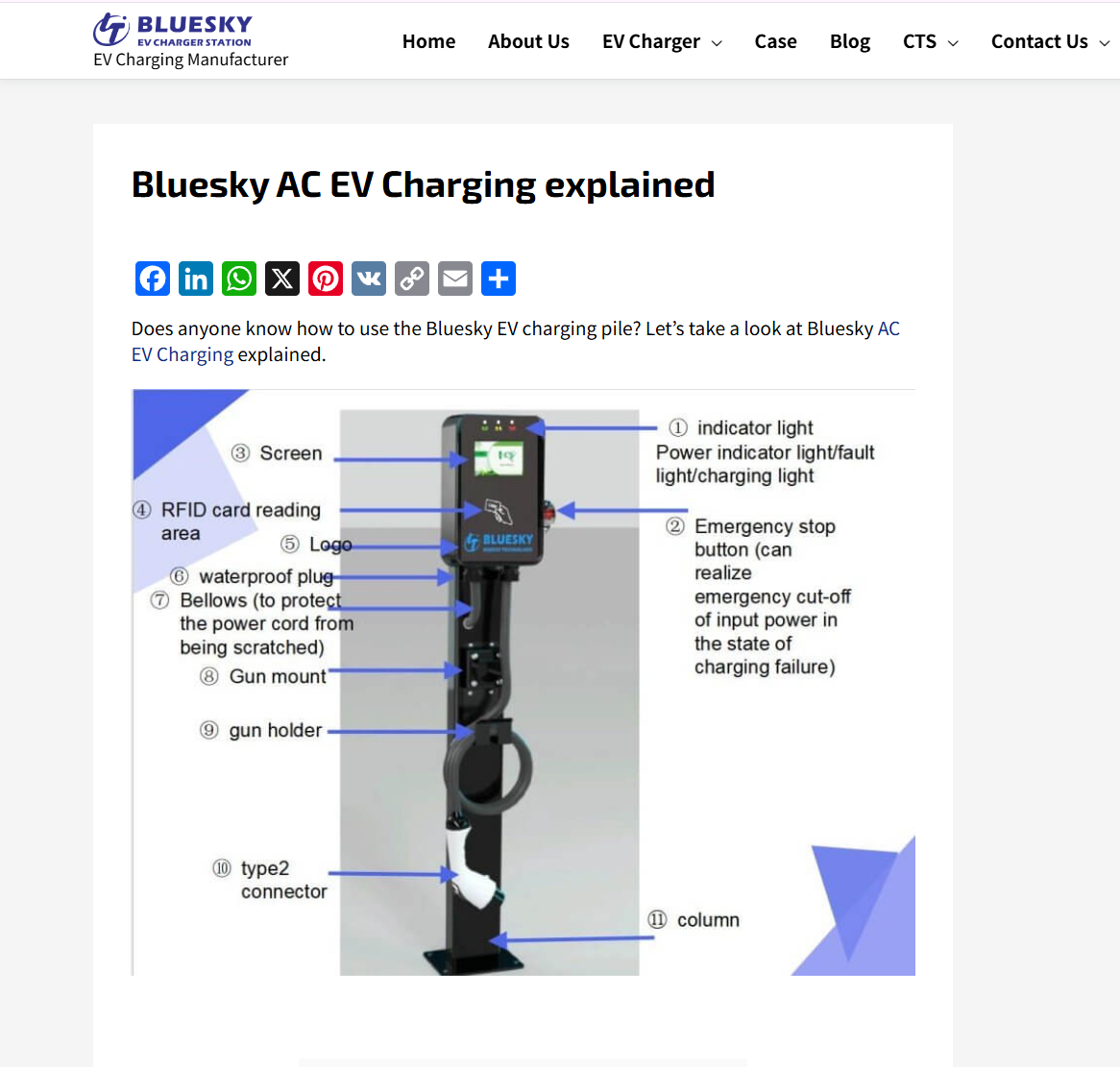
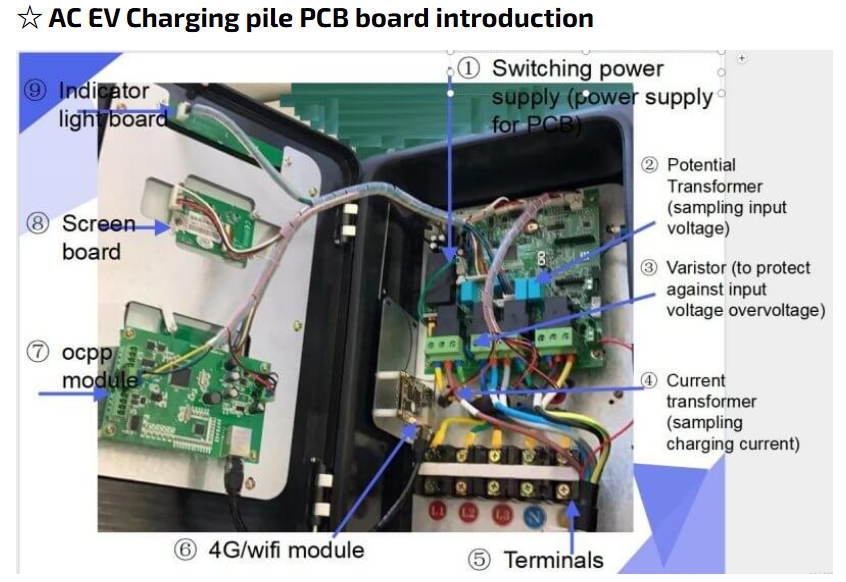
CDZ-E 모델 설치 글에는 기판, 디스플레이, 카드 리더, 방수 조인트, 비상정지 버튼, 케이블 고정 등 반복 생산과 현장 조립을 전제로 한 설명이 포함됩니다. 이는 단순 시제품보다는 제품화 의도를 가진 구조로 해석할 수 있습니다.
📌 Role and Application of the WIZnet's Chip


https://cnevcharger.com/bluesky-ac-ev-charging-explained
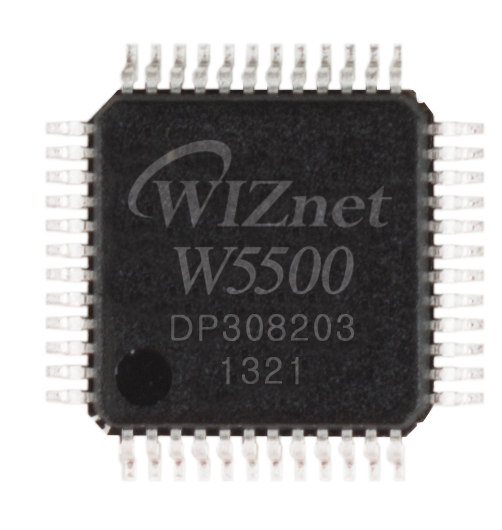
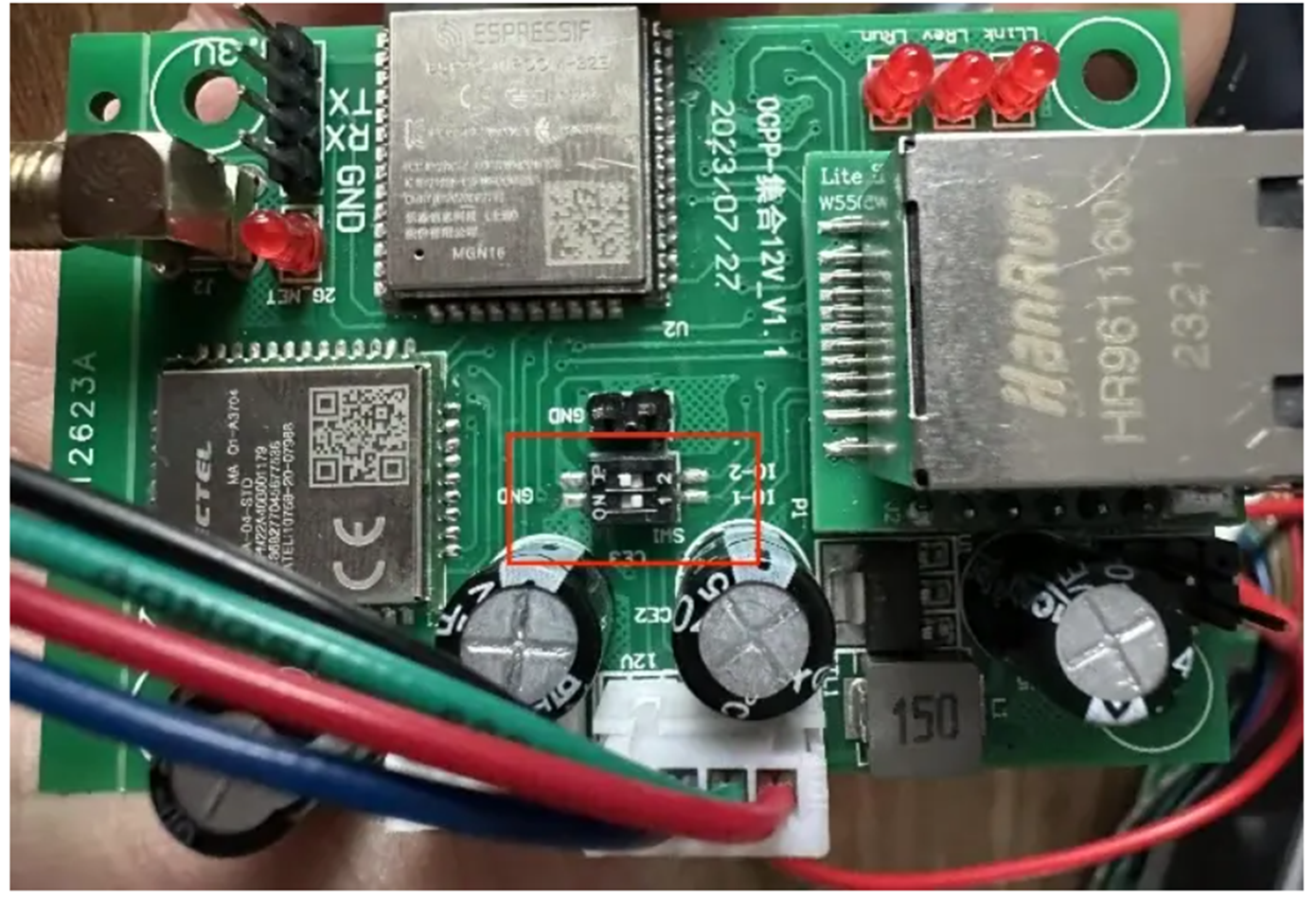
사용된 WIZnet 칩: W5500
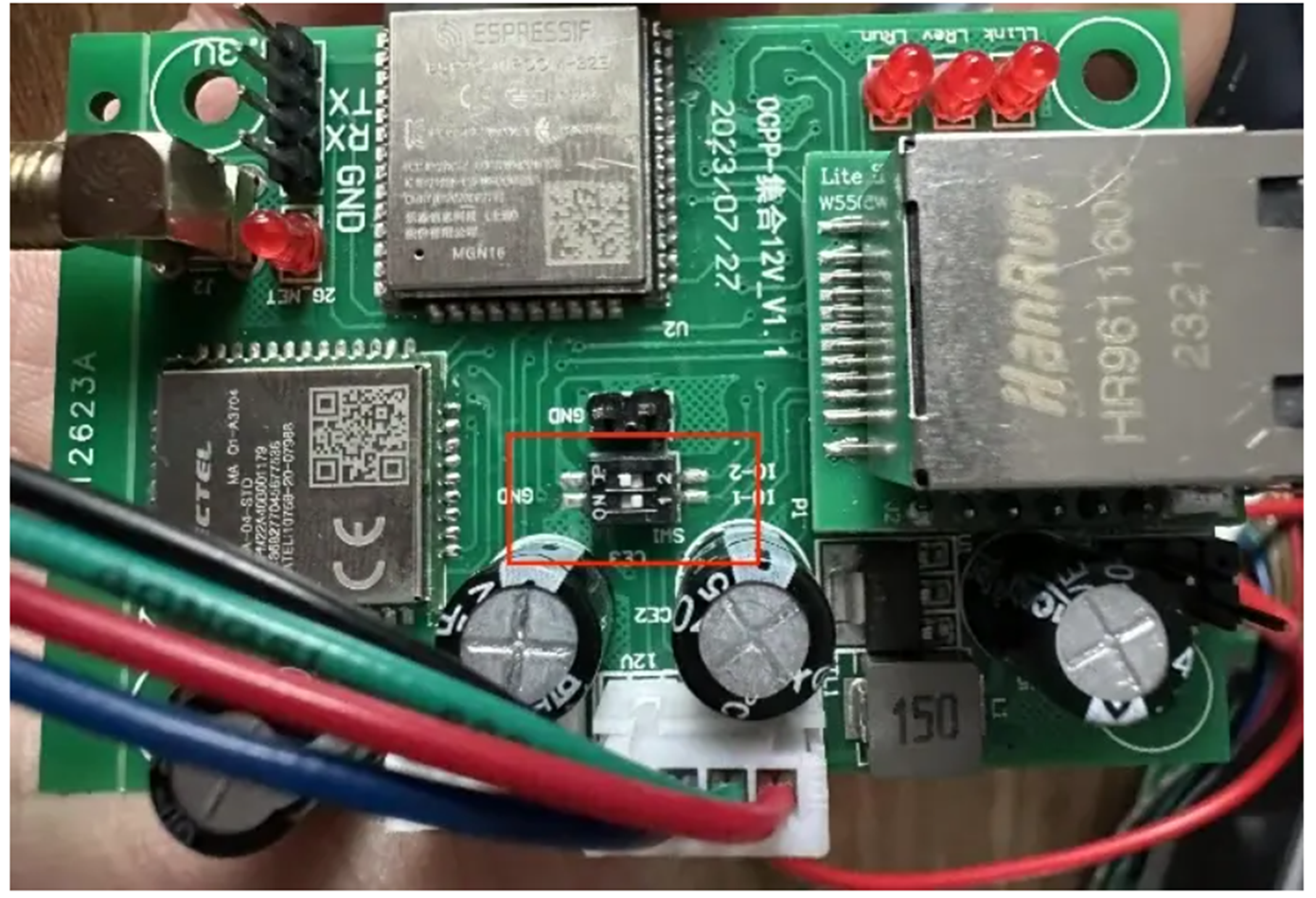
- 공개 자료의 오류 코드 목록에 **“0xB9 W5500 mac failure”**가 직접 기재되어 있습니다. 이 표현은 해당 충전기 보드 또는 관련 네트워크 보드에서 WIZnet W5500이 실제로 사용되고 있음을 보여 주는 가장 직접적인 공개 근거입니다.
네트워크에서의 역할
- W5500은 Hardwired TCP/IP 기반 Ethernet 컨트롤러로, SPI로 MCU와 연결되어 TCP/UDP/IPv4 기반 유선 네트워크 연결을 담당합니다. 이 프로젝트 맥락에서는 충전기가 중앙 OCPP 서버와 통신할 때 필요한 기본 TCP 연결 계층을 안정적으로 제공하는 역할로 해석하는 것이 합리적입니다. WebSocket과 OCPP 애플리케이션 계층은 MCU 또는 상위 소프트웨어가 처리하고, W5500은 그 아래의 Ethernet/TCP 전송 기반을 담당합니다.
📌 Market & Application Value
(by ChatGPT)
적용 산업 및 시장
이 프로젝트는 명확하게 EV 충전 인프라 시장을 겨냥합니다. IEA에 따르면 2024년 전 세계 전기차 판매는 1,700만 대를 초과했고, 신차 판매의 20% 이상을 차지했습니다. 이는 충전기 하드웨어, 관제 소프트웨어, 원격 유지보수 인프라에 대한 수요가 계속 커지고 있음을 의미합니다.
구매 주체
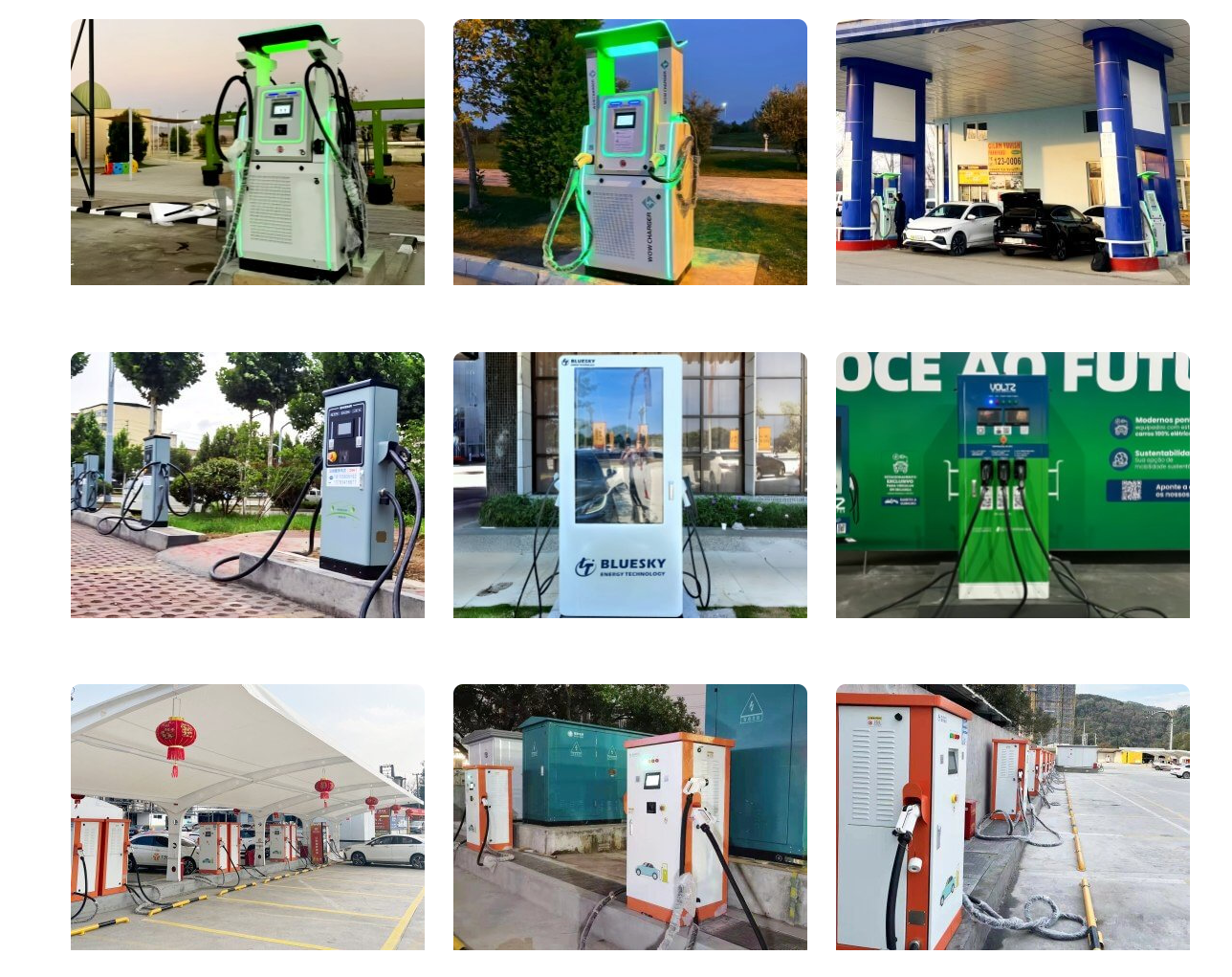
가장 현실적인 구매 주체는 충전기 제조사(OEM/ODM), 충전 사업자(CPO), 상업용 건물/주차장 운영사, 공공 충전 인프라 구축 사업자입니다. 앱의 상업용 버전이 원격 모니터링, 결제, 통계 기능을 강조하고 있어 B2C보다 B2B/B2B2C 시장 적합성이 높습니다.
경쟁력
이 사례의 경쟁력은 초고속 충전 성능이 아니라, 표준 기반 연동성 + 운영 편의성 + 다중 통신 경로에 있습니다. OCA는 OCPP의 핵심 가치가 벤더와 무관하게 중앙 시스템과 충전기를 연결하는 데 있다고 설명합니다. 즉, 특정 사업자 종속을 줄이고 타 플랫폼 연동 가능성을 높인다는 점이 상용 시장에서 중요합니다.
시장성 판단
시장성은 높은 편으로 판단됩니다. 다만 차별화의 초점은 충전 성능보다 운영·유지보수 효율에 있습니다. 완속 AC 충전기 시장은 경쟁이 치열하지만, OCPP, 앱 설정, 원격 업그레이드, 유선/무선 혼합 통신을 안정적으로 제공하는 제품은 상업용 현장에서 여전히 유효합니다.
📌 External Indicators
1. 공개 자료의 양과 연속성
cnevcharger.com에는 본 프로젝트와 직접 연결되는 설치, 네트워킹, OCPP, 앱 설정, 업데이트 문서가 다수 게시되어 있습니다. 이는 일회성 홍보물이 아니라 지속 운영 중인 제품군 문서화 활동으로 볼 수 있습니다. 다만 대부분이 제조사 자체 게시물이라는 점에서 독립적 외부 검증 강도는 높지 않습니다.
https://cnevcharger.com/bluesky-ac-ev-charging-explained/
2. Youtube
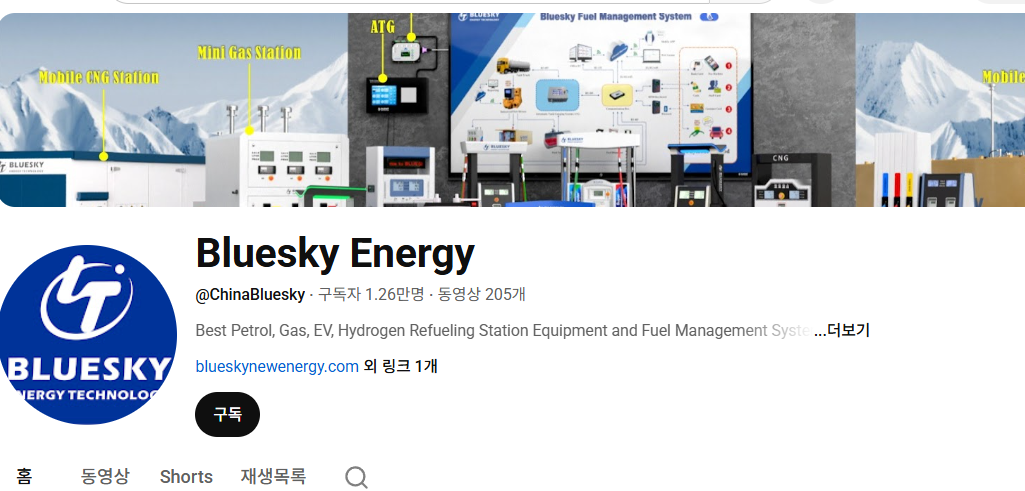
검색 결과 기준으로 Bluesky 관련 OCPP 설명 영상은 약 7.7K 조회수, 채널은 약 12.5K~12.6K 구독자 수준으로 확인됩니다. 또한 “EV Charger connects to Bluesky CMS via OCPP 1.6J” 영상은 약 914 조회수로 노출됩니다. 대형 오픈소스 프로젝트 수준의 파급력은 아니지만, 제품 운영·설정형 콘텐츠로서는 일정한 관심을 받았다고 볼 수 있습니다.
3. 오픈소스 연계성
이 프로젝트가 참조한 SteVe OCPP 서버는 GitHub 기준 약 1,016 stars, 466 forks, 69 open issues, 18 pull requests, 조직 팔로워 57명으로 확인됩니다. 즉, 본 프로젝트 자체의 GitHub 저장소는 현재 공개 자료 기준으로 확인되지 않지만, 연동 대상으로 선택한 서버는 EV 충전 업계에서 실제 활용되는 오픈소스 기반을 갖고 있습니다.
https://github.com/steve-community/steve
4. 업계 표준성과 외부 확산 가능성
OCA는 OCPP 1.6이 전 세계 CS/CSMS 제조사에 널리 구현된다고 설명합니다. 따라서 이 프로젝트는 특정 사내 프로토콜 사례가 아니라, 확산성이 높은 공개 표준 시장에 맞춰 설계된 점에서 외부 가치가 있습니다.
https://openchargealliance.org/protocols/ocpp-protocols/ocpp-1-6/
📌 WIZnet Strategic Value
WIZnet Maker 생태계 관점의 의미
이 UCC는 WIZnet 칩이 단순 센서 노드나 TCP 서버 데모를 넘어서, 산업용·서비스형 장비의 네트워크 백본으로 사용될 수 있음을 보여 줍니다. EV 충전기는 통신 장애가 곧 서비스 장애와 매출 손실로 이어질 수 있는 장비이기 때문에, 이 분야 사례는 Maker 생태계보다도 실제 산업 적용 레퍼런스로서 의미가 큽니다.
유사 프로젝트 확장 가능성
유사 확장 분야로는 에너지 저장장치(ESS) 통신 게이트웨이, 산업용 충전 설비, 스마트 주차·과금 단말, 빌딩 에너지 관리용 OCPP/OCPI 연계 장비가 있습니다. 다만 OCPI, ISO 15118, 보안 인증, 국가별 계량·결제 규제 대응까지 포함한 확장은 현재 공개 자료 기준으로 확인되지 않으므로, 향후 제품 전략 과제로 보는 것이 적절합니다.
📌 Summary
본 UCC는 WIZnet W5500 기반 유선 Ethernet 통신을 포함한 EV 충전기 시스템이 실제 산업 환경에서 어떻게 활용될 수 있는지를 보여주는 사례입니다. 단순한 네트워크 연결을 넘어, OCPP 1.6 표준을 기반으로 중앙 관제 시스템과 연동하고, 앱 및 로컬 설정 도구를 통해 설치와 운영, 유지보수를 통합적으로 지원하는 구조를 갖추고 있습니다.
특히 다중 통신 인터페이스와 원격 관리 기능을 결합함으로써, 충전기 운영의 안정성과 효율성을 동시에 확보하려는 설계가 돋보입니다. 이는 WIZnet 칩이 산업용 서비스 장비에서도 신뢰성 있는 네트워크 인프라로 활용될 수 있음을 보여주는 실질적인 적용 사례이며, 향후 에너지 및 인프라 장비 분야로의 확장 가능성 또한 확인할 수 있습니다.
📌 FAQ
Q1. Bluesky AC EV Charging 시스템은 어떤 기능을 제공하나요?
Bluesky AC EV Charging 시스템은 유선 Ethernet, Wi-Fi, Bluetooth, 4G 통신을 지원하며, OCPP 1.6 기반으로 중앙 관제 시스템과 연동됩니다. 이를 통해 충전기 상태 모니터링, 원격 제어, 데이터 관리가 가능합니다.
Q2. OCPP 1.6은 충전기에서 어떤 역할을 하나요?
OCPP 1.6은 충전기와 중앙 서버 간 표준 통신 프로토콜로, WebSocket 기반 연결을 통해 상태 정보, 충전 세션, 인증 등의 데이터를 교환하며 안정적인 원격 운영을 지원합니다.
Q3. 충전기의 Wi-Fi 설정은 어떻게 구성하나요?
Wow Charger 앱을 통해 Bluetooth로 충전기에 연결한 후, Wi-Fi SSID와 비밀번호를 입력하여 간편하게 설정할 수 있습니다.
Q4. OCPP 서버 연결 설정은 어떻게 진행되나요?
앱 또는 설정 도구에서 OCPP 서버 URL, 포트, 충전기 ID 등의 파라미터를 입력하여 설정하며, 이후 WebSocket을 통해 서버와 연결됩니다.
Q5. 충전기 펌웨어 업데이트는 어떤 방식으로 이루어지나요?
펌웨어 업데이트는 로컬(485 시리얼 툴 사용) 또는 원격(플랫폼/FTP 기반) 방식으로 수행할 수 있어 유지보수가 용이합니다.
Q6. OCPP 보드 프로그램 업데이트는 어떻게 하나요?
전용 업데이트 도구를 사용해 보드에 프로그램을 업로드하며, 연결 상태 확인 및 단계별 업로드 절차를 따라 진행합니다.
Q7. 충전기 설치 시 주요 구성 요소는 무엇인가요?
설치 과정에는 메인보드, 디스플레이, 카드 리더기, 비상 정지 버튼, 방수 커넥터, 케이블 고정 장치 등이 포함됩니다.
Q8. 충전기와 서버 간 통신은 어떻게 유지되나요?
Heartbeat 메시지를 주기적으로 교환하여 연결 상태를 확인하며, 이를 통해 서버는 충전기의 온라인 상태를 지속적으로 모니터링합니다.
Q9. WIZnet W5500 칩은 어떤 역할을 하나요?
W5500은 TCP/IP 기반 Ethernet 통신을 담당하는 칩으로, 충전기와 OCPP 서버 간 안정적인 유선 네트워크 연결을 제공합니다.
Q10. 이 시스템은 어떤 환경에 적합한가요?
상업용 주차장, 공공 충전 인프라, 충전 사업자(CPO) 환경 등에서 안정적인 운영과 중앙 관제가 필요한 경우에 적합합니다.
📌 Overview
The Bluesky AC EV Charging / OCPP board is a communication platform that integrates wired Ethernet, Wi-Fi, Bluetooth, and 4G connectivity with OCPP 1.6-based central management integration for AC EV chargers. This product is designed to manage the entire operational flow—from network configuration and server connection to status monitoring and firmware updates—after charger installation. In particular, on-site network setup can be easily performed using an app or local configuration tools, while from an operational perspective, the charger status can be reliably managed through integration with a central system based on OCPP, making it well-suited for commercial charging infrastructure.
📌 Company
https://cnevcharger.com/about-us/
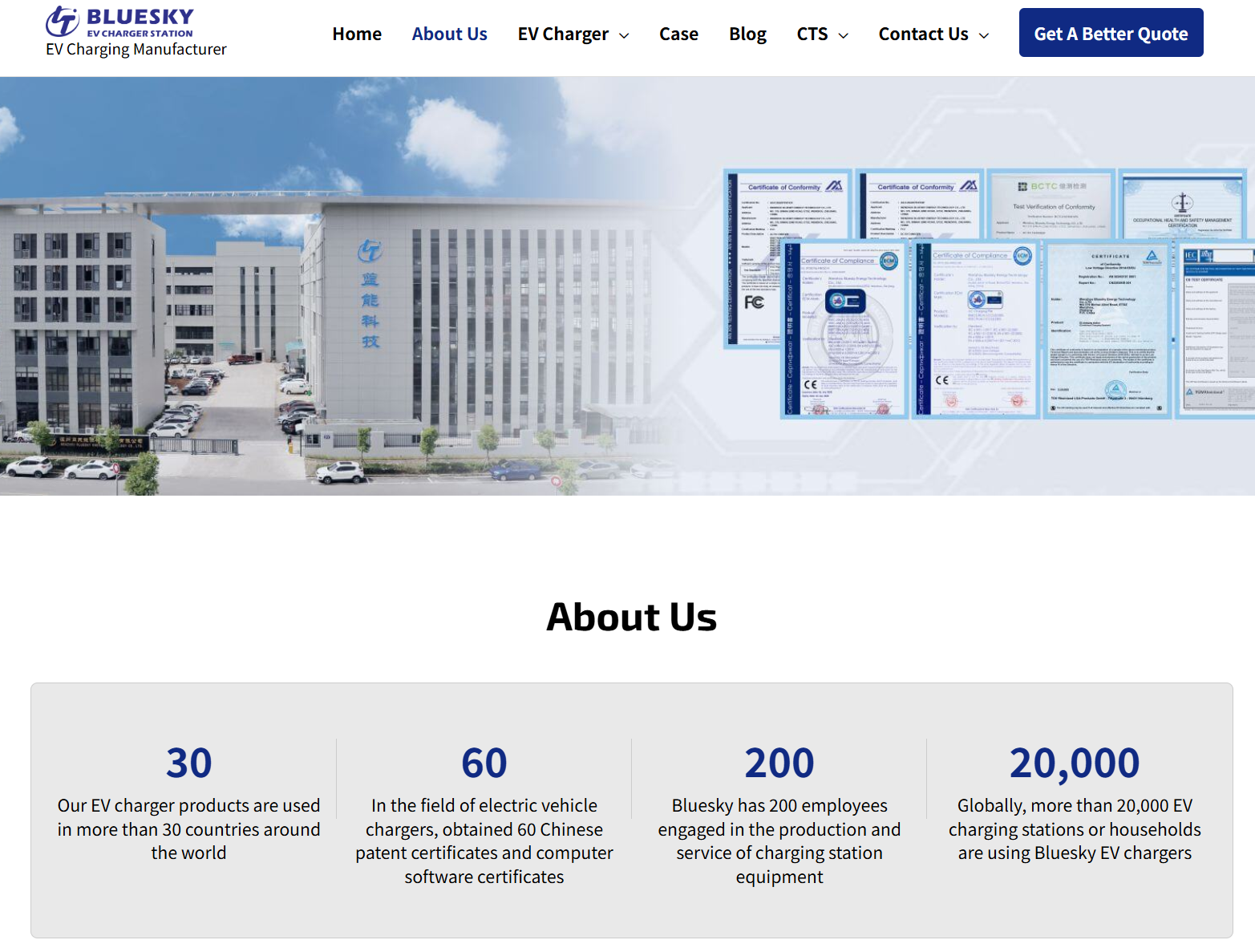
Bluesky (Wenzhou Bluesky Energy Technology Co., Ltd.) is an energy equipment manufacturer headquartered in Wenzhou, Zhejiang Province, China. Established in 1997, the company has over 20 years of experience in the fields of fuel equipment and energy metering devices.
Initially, the company grew by focusing on fuel dispenser control systems and fuel management solutions. It has since expanded its business into a comprehensive EV charging infrastructure solution provider, offering AC/DC EV chargers, charging station management systems, and app-based operational solutions.
In the global market, Bluesky supplies products to more than 30 countries and has obtained various certifications. It is characterized by its turnkey (end-to-end) capabilities, supporting everything from design and manufacturing to installation and maintenance.
📌 Features
- OCPP 1.6-based Central Management Integration
This structure supports standard communication between the charger and the central management system. According to publicly available materials, it is described that both the charging station client and server are configured, and a bidirectional connection along with heartbeat-based status monitoring is implemented using a SteVe server and WebSocket. - Multiple Configuration Paths: RS-485 / Bluetooth / Mobile App
The configuration method is not limited to a single approach. Based on public information, three configuration paths are provided: an RS-485 tool, a Bluetooth tool, and a smartphone app via Bluetooth connection, allowing flexible access depending on installation and maintenance scenarios. - App-based Wi-Fi and OCPP Parameter Configuration
After connecting to the charger via the Wow Charger app, users can input Wi-Fi SSID/password and configure OCPP server parameters. This enables users or operators to perform certain on-site configurations without requiring a technician. - Support for Local and Remote Firmware Upgrades
According to public materials, local upgrades are performed using an RS-485 serial port tool, while remote upgrades are conducted via platform updates or FTP-based program transfer. A separate OCPP board update procedure is also provided, demonstrating product-level operability from a field maintenance perspective. - Commercial-grade Installation and Assembly Documentation
The CDZ-E model installation guide includes descriptions assuming repetitive production and on-site assembly, such as PCB, display, card reader, waterproof joints, emergency stop button, and cable fixation. This indicates a structure intended for commercialization rather than a simple prototype.
📌 Role and Application of the WIZnet's Chip
https://cnevcharger.com/bluesky-ac-ev-charging-explained
WIZnet Chip Used: W5500
- In the publicly available error code list, the entry “0xB9 W5500 mac failure” is explicitly stated. This serves as the most direct public evidence that the WIZnet W5500 is actually used in the charger board or related network board.
Role in Networking
- The W5500 is a Hardwired TCP/IP-based Ethernet controller that connects to the MCU via SPI and handles wired network communication based on TCP/UDP/IPv4. In the context of this project, it is reasonable to interpret that the W5500 provides a stable TCP connection layer required for communication between the charger and the central OCPP server. The WebSocket and OCPP application layers are handled by the MCU or higher-level software, while the W5500 is responsible for the underlying Ethernet and TCP transport layer.
📌 Market & Application Value
(by ChatGPT)
Target Industry and Market
This project clearly targets the EV charging infrastructure market. According to the IEA, global EV sales exceeded 17 million units in 2024, accounting for more than 20% of new car sales. This indicates a continuously growing demand for charging hardware, management software, and remote maintenance infrastructure.
Key Buyers
The most realistic buyers are EV charger manufacturers (OEM/ODM), charging operators (CPO), commercial building and parking facility operators, and public charging infrastructure providers. Since the commercial version of the app emphasizes remote monitoring, payment, and analytics, it is more suited for B2B and B2B2C markets rather than B2C.
Competitiveness
The competitiveness of this case lies not in ultra-fast charging performance, but in standards-based interoperability, operational convenience, and multi-communication support. The OCA explains that the core value of OCPP is enabling chargers to connect with central systems regardless of vendor. In other words, reducing vendor lock-in and increasing compatibility with different platforms is a key advantage in the commercial market.
Market Viability
The market potential is considered high. However, the differentiation focus is on operational and maintenance efficiency rather than charging performance. While the AC slow-charging market is highly competitive, solutions that reliably provide OCPP integration, app-based configuration, remote upgrades, and hybrid wired/wireless communication remain highly relevant in commercial deployment scenarios.
📌 External Indicators
1.Volume and Continuity of Public Documentation
On cnevcharger.com, there are numerous documents directly related to this project, including installation, networking, OCPP, app configuration, and update guides. This suggests that it is not a one-time promotional effort, but rather part of ongoing documentation for an actively maintained product line. However, since most of the content is published by the manufacturer itself, the level of independent external validation is relatively limited.
https://cnevcharger.com/bluesky-ac-ev-charging-explained/
2.YouTube
Based on search results, a Bluesky-related OCPP explanation video has approximately 7.7K views, and the channel has around 12.5K–12.6K subscribers. Additionally, the video titled “EV Charger connects to Bluesky CMS via OCPP 1.6J” has around 914 views. While this does not indicate the level of influence seen in large-scale open-source projects, it does suggest a moderate level of interest for product operation and configuration-focused content.
3.Open Source Integration
The SteVe OCPP server referenced in this project has approximately 1,016 stars, 466 forks, 69 open issues, 18 pull requests, and 57 organization followers on GitHub. In other words, while the project itself does not appear to have a publicly available GitHub repository based on current information, the server it integrates with is built on an open-source foundation that is actively used within the EV charging industry.
https://github.com/steve-community/steve
4.Industry Standardization and External Scalability
The OCA states that OCPP 1.6 is widely implemented by CS/CSMS manufacturers worldwide. Therefore, this project is not based on a proprietary in-house protocol, but is designed for a broadly adopted open standard market, which gives it strong external value and scalability.
https://openchargealliance.org/protocols/ocpp-protocols/ocpp-1-6/
📌 WIZnet Strategic Value
Implications for the WIZnet Maker Ecosystem
This UCC demonstrates that WIZnet chips can be used not only for simple sensor nodes or TCP server demos, but also as the network backbone of industrial and service-oriented equipment. Since EV chargers are systems where communication failures can directly lead to service disruptions and revenue loss, this case holds greater significance as a real industrial application reference rather than a typical Maker ecosystem example.
Potential for Expansion into Similar Projects
Potential extension areas include communication gateways for energy storage systems (ESS), industrial charging equipment, smart parking and payment terminals, and OCPP/OCPI-integrated devices for building energy management. However, expansions involving OCPI, ISO 15118, security certification, and compliance with country-specific metering and payment regulations are not confirmed in the currently available materials, and are more appropriately considered as future product strategy directions.
📌 Summary
This UCC presents a case demonstrating how an EV charging system incorporating WIZnet W5500-based wired Ethernet communication can be applied in real industrial environments. Beyond simple network connectivity, it integrates with a central management system based on the OCPP 1.6 standard and provides a structure that supports installation, operation, and maintenance in an integrated manner through both app-based and local configuration tools.
In particular, the combination of multiple communication interfaces and remote management functions highlights a design approach aimed at securing both operational stability and efficiency of charging infrastructure. This serves as a practical example showing that WIZnet chips can function as reliable network infrastructure even in industrial service equipment, while also indicating potential for future expansion into broader energy and infrastructure domains.
📌 FAQ
Q1. What features does the Bluesky AC EV Charging system provide?
The system supports Ethernet, Wi-Fi, Bluetooth, and 4G communication, and integrates with central management systems via OCPP 1.6 for monitoring, control, and data management.
Q2. What is the role of OCPP 1.6 in the charger system?
OCPP 1.6 is a standard communication protocol that enables data exchange between chargers and central servers via WebSocket, supporting remote control and monitoring.
Q3. How do you configure Wi-Fi on the charger?
Wi-Fi can be configured באמצעות the Wow Charger app by connecting via Bluetooth and entering the SSID and password.
Q4. How is the OCPP server configured?
Users input parameters such as server URL, port, and charger ID through an app or configuration tool, enabling WebSocket-based communication.
Q5. How is firmware updated on the charger?
Firmware updates can be done locally via RS-485 tools or remotely via platform or FTP-based updates.
Q6. How do you update the OCPP board program?
The update is performed using a dedicated tool, following step-by-step procedures including connection setup and firmware upload.
Q7. What components are involved in charger installation?
Key components include the mainboard, display, card reader, emergency stop button, waterproof connectors, and cable management parts.
Q8. How is communication maintained between charger and server?
Heartbeat messages are periodically exchanged to ensure connection stability and allow continuous monitoring.
Q9. What is the role of the WIZnet W5500 chip?
The W5500 provides hardwired TCP/IP Ethernet connectivity, ensuring reliable communication between the charger and OCPP server.
Q10. Where is this system typically applied?
It is suitable for commercial parking, public charging infrastructure, and CPO environments requiring stable operation and centralized control.
📌 Reference Link
https://cnevcharger.com/ru/bluesky-ac-ev-charging-explained/
https://cnevcharger.com/ru/how-to-update-the-ocpp-board-program/
https://cnevcharger.com/the-charging-pile-app-sets-the-wi-fi-connection/
https://cnevcharger.com/charging-pile-ocpp1-6-client-and-server-interaction-implementation/
https://cnevcharger.com/how-to-install-bluesky-cdz-e-ac-charging-pile/
https://cnevcharger.com/how-to-install-bluesky-cdz-e-ac-charging-pile/