


CO2_Gateway
STM32F103 and W5500 based gateway converting RS-485 Modbus sensor data into TCP/IP for smart factory, greenhouse and building monitoring systems.
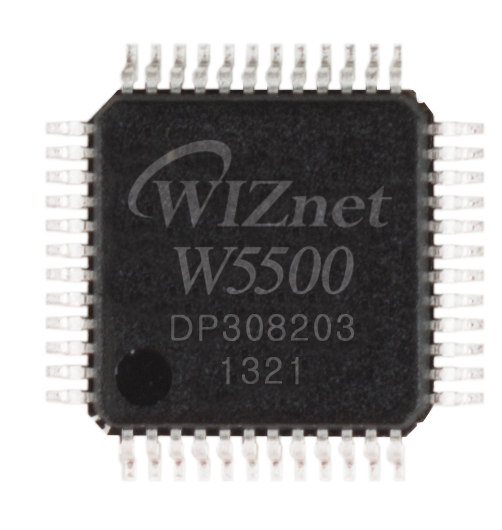
WIZnet - W5500
x 1

📌 Overview
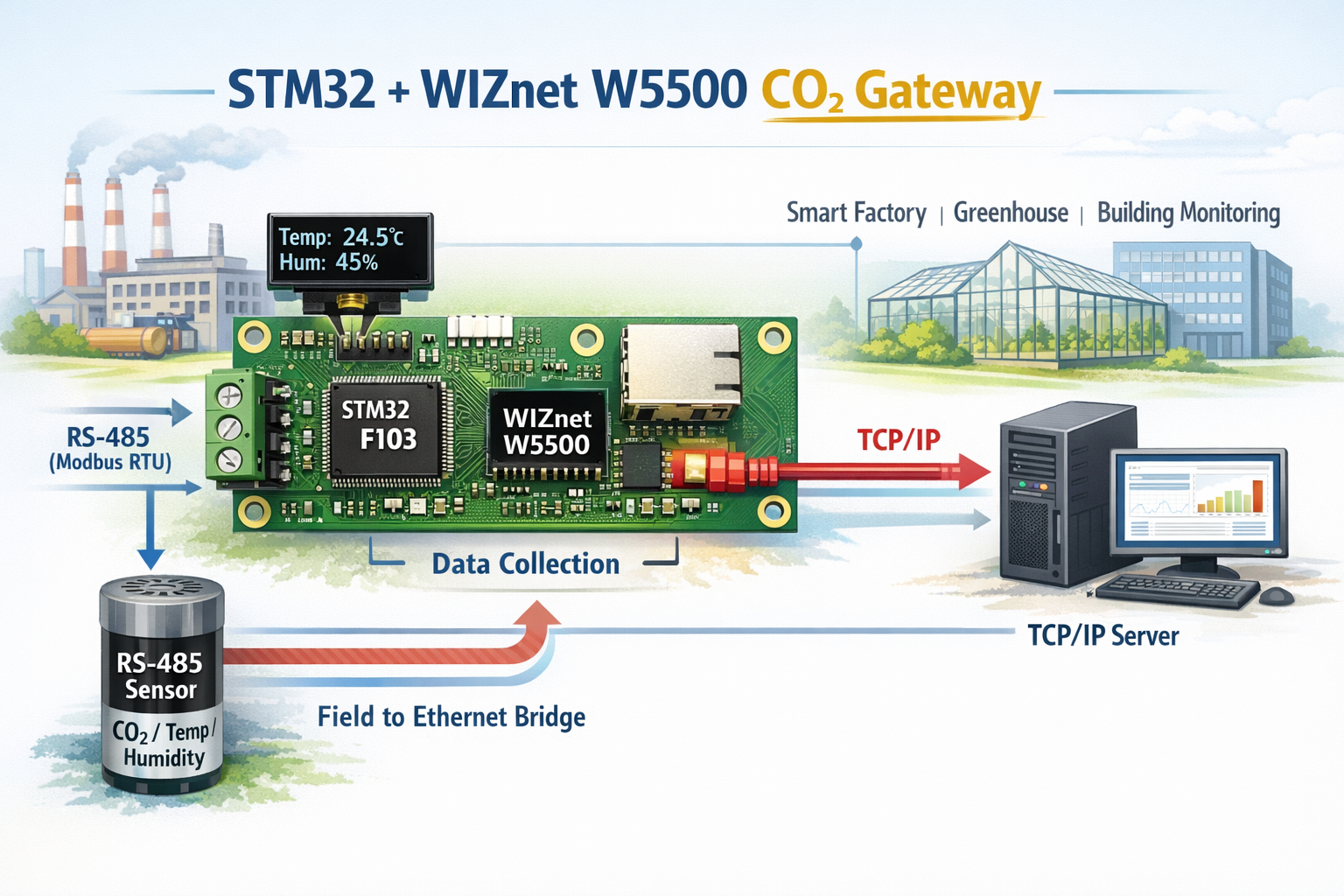
STM32F103 + WIZnet W5500 조합으로 RS-485(Modbus RTU) 센서 데이터를 이더넷(TCP)으로 연동하는 “현장 센서 ↔ 네트워크” 게이트웨이 예제입니다. MCU 설정 파일에서 STM32F103C8T6 계열 사용이 확인됩니다.
📌 Features
RS-485(Modbus RTU) 질의/응답 기반 센서값 수집
- CRC16 계산 후 프레임 송신, 수신 데이터 기반 파싱 구조가 포함됩니다.
W5500 하드웨어 TCP/IP 오프로딩 기반 TCP Client 통신
- MCU 부하를 낮추고, 임베디드에서 비교적 단순한 소켓 API로 TCP 연결을 구성합니다.
멀티 태스크(FreeRTOS) 형태의 기능 분리
- 통신 수신, 디스플레이, 로컬 온도(DS18B20), RS-485 수집을 태스크로 분리해 확장에 유리합니다.
로컬 표시(OLED) 및 로컬 온도 센서(DS18B20) 포함
- 게이트웨이가 단순 중계기 역할을 넘어 현장 디버깅/상태 확인용 UI를 가질 수 있는 형태입니다.
고정 IP/포트 기반의 간단한 서버 연동 뼈대
- 서버 IP/포트가 코드에 고정된 형태로 존재해, PoC(개념 검증) 구현이 빠릅니다.
📌 System Architecture
구성 요소
- MCU: STM32F103C8T6
- Ethernet: WIZnet W5500 (SPI 연결, CS/RST 핀 사용)
- Field I/F: RS-485(UART 기반, Modbus RTU)
- Local Sensor/UI: DS18B20(1-Wire), OLED
데이터 흐름
- RS-485 센서 → (Modbus RTU 응답) → STM32
- STM32 → (W5500 소켓 send/recv) → TCP 서버
- TCP 서버 → STM32로 데이터 송신 시, 프로젝트는 문자열 파싱(예: co2, temperature 형태) 구조를 포함
- STM32 → OLED에 온도/습도 등 상태 표시
📌 Role and Application of the WIZnet's Chip
사용 칩: WIZnet W5500
네트워크에서의 역할:
- TCP Client 소켓 통신(서버 IP/Port로 connect 후 send/recv)
📌 Market & Application Value
적용 산업/시장
- 스마트 팩토리/빌딩 자동화: RS-485(센서/인버터/계측기) ↔ Ethernet(상위 관제) 변환 수요가 꾸준합니다.
- 온실/환경 모니터링: CO2/온습도/공기질 센서가 RS-485(Modbus)로 제공되는 제품군이 존재합니다(센서 시장 일반 정보).
- 레거시 설비 데이터 수집: “기존 RS-485 장비를 IP로 끌어올리는” 전환 수요
📌 WIZnet Strategic Value
Maker 생태계 관점 의미
- “W5500 + STM32 + RS-485”는 현장 IoT에서 반복 등장하는 조합이라, 게이트웨이 레퍼런스 템플릿으로 가치가 있습니다.
- FreeRTOS 태스크 분리 구조는 Maker 사용자에게 “확장 가능한 코드 뼈대”로 교육 효과가 있습니다.
- W5500을 쓰면 고성능 MCU 없이도 안정적인 이더넷 기반 필드 게이트웨이를 빠르게 만들 수 있습니다.
📌 Summary
이 UCC는 STM32F103 + W5500 기반 이더넷 게이트웨이로, RS-485(Modbus) 센서 데이터를 TCP 서버와 연동하는 현장 IoT 브릿지 구조를 보여줍니다.
📌 FAQ
Q1. STM32F103 + W5500 CO₂ Gateway 프로젝트는 무엇인가요?
이 프로젝트는 STM32F103C8T6 MCU와 WIZnet W5500을 사용하여 RS-485(Modbus RTU) 센서 데이터를 TCP 서버로 전송하는 이더넷 게이트웨이 예제입니다.
현장 RS-485 기반 센서 데이터를 IP 네트워크로 변환하는 IoT 브릿지 구조를 구현합니다.
Q2. 이 게이트웨이는 어떤 통신 구조를 사용하나요?
게이트웨이는 다음과 같은 구조로 동작합니다:
- RS-485 (UART 기반 Modbus RTU) → STM32 수집
- STM32 → W5500 (SPI 연결) → TCP Client 통신
- TCP 서버 ↔ STM32 (문자열 기반 데이터 송수신)
- 로컬 OLED에 상태 표시
즉, Field Bus(RS-485) ↔ Ethernet(TCP/IP) 변환 구조입니다.
Q3. WIZnet W5500의 역할은 무엇인가요?
W5500은 하드웨어 TCP/IP 오프로딩 기능을 가진 SPI 기반 Ethernet 컨트롤러입니다.
이 프로젝트에서 W5500은:
- TCP Client 소켓 생성
- 서버 IP/Port로 connect 수행
- send()/recv() 기반 데이터 송수신 처리
- MCU 부하 감소
를 담당합니다.
Q4. 왜 W5500을 사용하는 것이 유리한가요?
W5500은 TCP/IP 스택을 하드웨어로 처리하므로:
- STM32F103과 같은 중급 MCU에서도 안정적인 TCP 통신 가능
- 메모리 사용량 감소
- 소프트웨어 네트워크 스택 구현 부담 제거
- 산업용 네트워크 환경에서 높은 안정성 제공
따라서 저비용 MCU 기반 게이트웨이 설계에 적합합니다.
Q5. RS-485(Modbus RTU)는 어떻게 처리되나요?
STM32는 UART 기반 RS-485 인터페이스를 통해 Modbus RTU 질의/응답을 수행합니다.
구현 특징:
- CRC16 계산 후 프레임 전송
- 수신 데이터 파싱 구조 포함
- CO₂, 온도 등 센서 값 추출
이를 통해 필드 센서 데이터를 디지털 네트워크로 변환합니다.
📌 Overview
This is an example of a “field sensor ↔ network” gateway that links RS-485 (Modbus RTU) sensor data to Ethernet (TCP) using a combination of STM32F103 + WIZnet W5500. It is confirmed from the MCU configuration file that the STM32F103C8T6 series is used.
📌 Features
RS-485 (Modbus RTU) query/response-based sensor data collection
- Includes a structure for transmitting frames after CRC16 calculation and parsing based on received data.
TCP client communication based on W5500 hardware TCP/IP offloading
- Reduces MCU load and enables TCP connection setup using a relatively simple socket API in embedded systems.
Multi-task structure (FreeRTOS-based functional separation)
- Separates communication reception, display, local temperature (DS18B20), and RS-485 collection into individual tasks, making it advantageous for scalability.
Includes local display (OLED) and local temperature sensor (DS18B20)
- Allows the gateway to go beyond a simple relay and provide a UI for on-site debugging and status monitoring.
Basic server integration structure based on fixed IP/port
- Server IP and port are hardcoded in the firmware, enabling rapid PoC (proof-of-concept) implementation.
📌 System Architecture
Components
- MCU: STM32F103C8T6
- Ethernet: WIZnet W5500 (SPI connection, using CS/RST pins)
- Field I/F: RS-485 (UART-based, Modbus RTU)
- Local Sensor/UI: DS18B20 (1-Wire), OLED
Data Flow
- RS-485 sensor → (Modbus RTU response) → STM32
- STM32 → (W5500 socket send/recv) → TCP server
- When the TCP server sends data to STM32, the project includes a string parsing structure (e.g., in the form of
co2,temperature) - STM32 → Displays temperature/humidity and other status information on the OLED
📌 Role and Application of the WIZnet's Chip
Chip used: WIZnet W5500
Role in the network:
- TCP client socket communication (connect to server IP/port, then perform send/recv)
📌 Market & Application Value
Applicable Industries/Markets
- Smart factory/building automation: There is steady demand for converting RS-485 (sensors/inverters/meters) ↔ Ethernet (upper-level control/monitoring systems).
- Greenhouse/environmental monitoring: There are product lines where CO2, temperature/humidity, and air quality sensors are provided via RS-485 (Modbus) (general information about the sensor market).
- Legacy equipment data acquisition: Demand for transitioning “existing RS-485 devices to IP-based networks.”
📌 WIZnet Strategic Value
Significance from the Maker ecosystem perspective
- “W5500 + STM32 + RS-485” is a frequently recurring combination in field IoT, giving it value as a gateway reference template.
- The FreeRTOS task separation structure provides educational value to Maker users as a “scalable code framework.”
- By using the W5500, it is possible to quickly build a stable Ethernet-based field gateway without requiring a high-performance MCU.
📌 Summary
This UCC presents a field IoT bridge architecture based on an STM32F103 + W5500 Ethernet gateway, linking RS-485 (Modbus) sensor data with a TCP server.