


obniz Intelligent Edge Kilo
A Managed Industrial Edge Device with W5500-Based Ethernet, an ESP32-linked Wi-Fi path, LTE-M/NB-IoT, and obnizOS
WIZnet - W5500
x 1

Espressif - ESP32
x 1
obniz Intelligent Edge Kilo
A Managed Industrial Edge Device with W5500-Based Ethernet, an ESP32-linked Wi-Fi path, LTE-M/NB-IoT, and obnizOS
Overview
Source: obniz.com
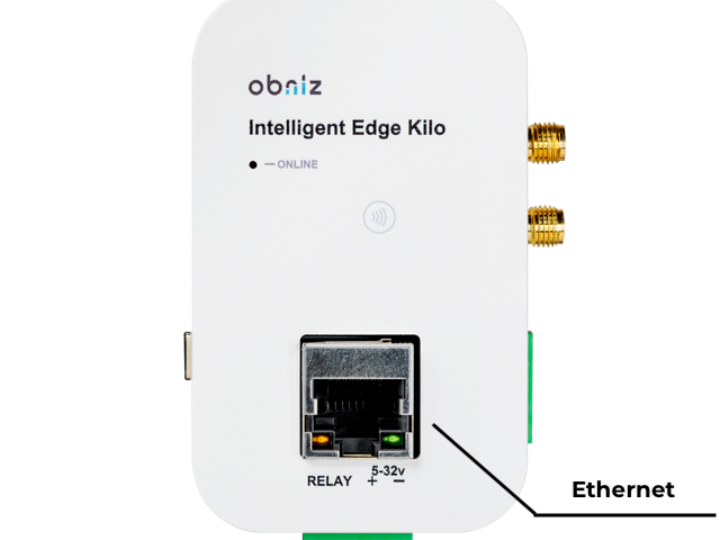
obniz Intelligent Edge Kilo is better described as a managed industrial edge device than as a simple single-network IoT gateway. Official Kilo specifications list 10/100 Ethernet, 2.4 GHz Wi-Fi, LTE-M/NB-IoT, BLE5, RS232, RS422/RS485, CAN, Qwiic, USB (CDC), digital I/O, analog inputs, and an SSR relay, while the Ethernet documentation explains that the wired port can be used either for internet connectivity or for local equipment connection. That combination places Kilo between field equipment and cloud services, rather than limiting it to basic uplink forwarding. (Obniz 지원 센터)
Company
obniz presents itself as a company providing technology for building IoT services easily, including device-side firmware/OS, cloud communication and encryption, device authentication, and cloud-side management. Its business-facing documentation emphasizes that service providers can focus on application software while relying on the obniz stack for IoT management, security, expansion, and maintenance. In that sense, obniz is not just a hardware vendor; it operates as a device + OS + cloud + operations platform company. (obniz Docs)
Why is it called “Intelligent Edge”?
The “Edge” part is straightforward. Kilo sits close to the machine, sensor, or controller in the field and connects directly to equipment through interfaces such as RS232, RS485/RS422, CAN, Qwiic, digital I/O, analog input, and relay, while also choosing one of several uplink paths—Ethernet, Wi-Fi, or LTE-M/NB-IoT—to reach higher-level services. Even the official initial setup flow is field-oriented: register the device, attach the antenna, power it on, confirm internet connectivity, connect the target machine or sensor, and then mount the unit in place. (Obniz 지원 센터)
The “Intelligent” part comes from what the device can do locally through obnizOS. obnizOS is described as software that runs on the device and works with obnizCloud to enable remote control; its documented features include constant two-way cloud communication, remote control of IO/peripherals/BLE, network settings, OTA, and plugin execution. The latest 7.0.0 changelog also adds browser-based Configuration JSON, plugin installation via serial console, self-diagnosis, CAN support, automatic RS485 DE control, sleep support, Plugin Safemode, and Lua Plugin support. That is significantly more than simple packet forwarding. (obniz Docs)
What exactly does Kilo do?
Kilo’s practical role becomes clearer when viewed as a job performer rather than a spec sheet.
- It connects directly to existing field equipment.
Kilo includes built-in transceivers for RS232 and RS485/RS422, with the RS485 documentation explicitly mentioning connections to Modbus devices and PLCs; it also includes CAN for communications in noisy environments such as mobility-related systems. (Obniz 지원 센터) - It handles local sensing and control.
The Qwiic port can be used for Qwiic/I2C peripherals, but it can also act as direct digital IO or analog input, and the built-in SSR relay can control external contacts. The relay documentation further notes that once the relay state is changed by software, it remains in that state through internet disconnection, software or obnizOS reboot, and sleep, until power is fully lost. (Obniz 지원 센터) - It chooses the right backhaul for the site.
Ethernet can serve as WAN or as a local LAN-side connection, Wi-Fi can serve as WAN or sniffer, and LTE-M/NB-IoT is intended for locations without Wi-Fi/Ethernet or for mobile assets. (Obniz 지원 센터) - It supports secure cloud operation and remote maintenance.
Kilo’s specification page states obnizOS 5 or later, device authentication using a secret key, and TLS 1.2 server authentication and encrypted communication. obniz’s broader cloud documentation also includes device management capabilities such as network updates, remote OS update, offline notification, and metadata/log handling. (Obniz 지원 센터) - It can keep working locally even when the network is not the center of the design.
The Lua Plugin documentation says software can be embedded directly into the device for offline behavior, communication compression, boot-time logging, predefined operations regardless of online/offline state, periodic IO processing, and sleep-until-needed behavior. That is a key reason the product deserves the word “Intelligent.” (obniz Docs)
ESP32 is also part of the story
The Wi-Fi side of Kilo is closely tied to the obnizOS for ESP32 software path. The current 7.0.0 changelog explicitly lists both “obnizOS for Intelligent Edge Kilo (hw=iekilo1)” and “obnizOS for ESP32 (hw=esp32w or hw=esp32p)” among target OS builds, and Kilo’s Wi-Fi support page points readers to the obnizOS for ESP32 Wi-Fi reference. The obnizOS overview further states that the software is freely installable on a user’s own ESP32 device. Taken together, that makes it reasonable to describe Kilo’s Wi-Fi side as an ESP32-linked Wi-Fi path within the obnizOS platform context. (obniz Docs)
Why obnizOS matters
Source: obniz.com
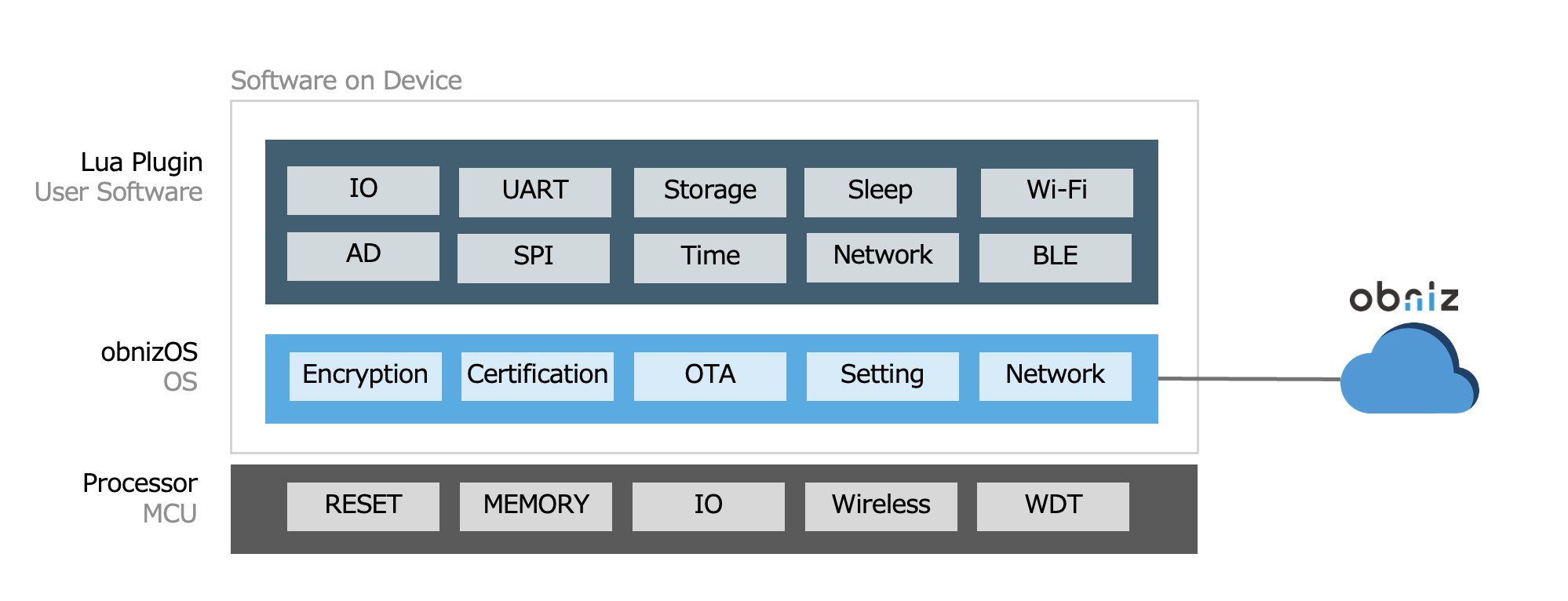
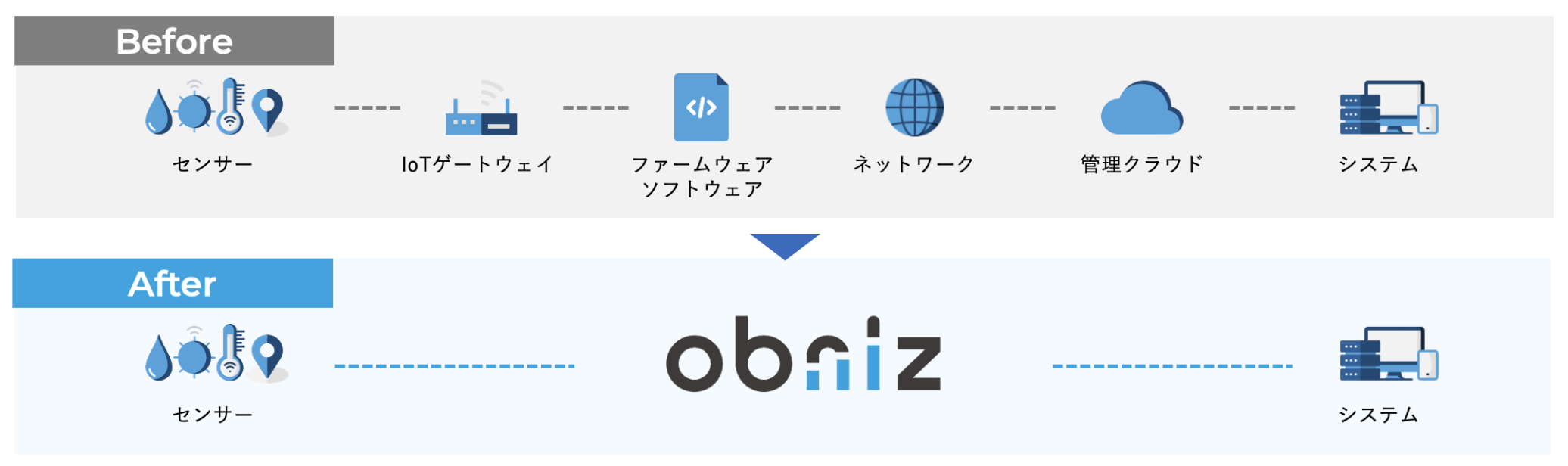
What separates Kilo from an ordinary gateway is not just the number of ports, but the presence of obnizOS as a device platform. Official documentation describes obnizOS as device software that enables remote control with obnizCloud, while features across the docs include two-way cloud communication, remote IO/peripheral/BLE control, Wi-Fi/Ethernet internet access, softAP or serial-based setup, OTA, device authentication, and plugin scripting. In the current release line, that platform has expanded to include self-hosting, transmission queue, timestamps, self-diagnosis, sleep, and Plugin Safemode. (obniz Docs)
The plugin model is especially important. obniz’s plugin and Lua documentation explains that programs can run directly on the device, start automatically at boot, work during network outages, compress data before transmission, and optimize local IO behavior. That shifts Kilo from “gateway” toward device-side logic host, which is a much stronger edge-computing position. (obniz Docs)
Key Features
- Multi-network backhaul
Kilo combines Ethernet 10/100, 2.4 GHz Wi-Fi, and LTE-M/NB-IoT, allowing deployment teams to choose the most practical uplink based on site conditions. (Obniz 지원 센터) - Rich field interfaces
Built-in RS232, RS422/RS485, CAN, Qwiic, digital IO, analog input, USB, and SSR relay make it suitable for sensors, PLCs, legacy serial equipment, and simple control points. (Obniz 지원 센터) - Managed deployment model
The official setup flow, QR-based onboarding, network configuration, and cloud/device-management tooling show that Kilo is meant to be registered, configured, deployed, monitored, and updated as part of a managed fleet. (Obniz 지원 센터) - Offline-capable local intelligence
Lua Plugin support makes possible boot-time logging, periodic control, online/offline behavior branching, and data filtering/compression directly on the device. (obniz Docs)
System Architecture
Kilo can be understood as a layered system.
1) Local Device Layer
Kilo interfaces with machines and sensors through RS232, RS485/RS422, CAN, Qwiic, digital IO, analog inputs, and relay. This is the part of the product that touches legacy equipment and field hardware directly. (Obniz 지원 센터)
2) Edge Control Layer
obnizOS manages local hardware behavior, network connection, device configuration, plugin execution, and its interaction with the cloud. (obniz Docs)
3) Network Layer
Kilo separates network roles across wired Ethernet, Wi-Fi, and LTE-M/NB-IoT, making it possible to use stable wired links, lower-cost local wireless, or wide-area cellular depending on the installation. (Obniz 지원 센터)
4) Cloud / Management Layer
The upper layer is the obniz cloud stack for device authentication, fleet/device management, offline notification, network updates, and OTA. (obniz Docs)
Role and Application of the WIZnet’s Chip
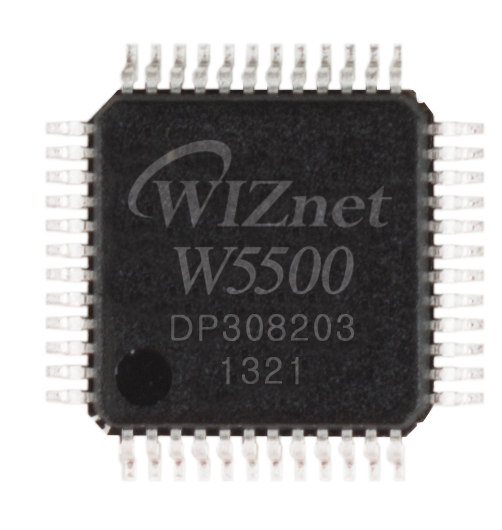
The WIZnet point in this VAR is unusually clear. Kilo’s Ethernet documentation states that the device includes Ethernet for internet connection or connection to local equipment, and the current obnizOS changelog explicitly adds “support for W5500 (WAN side)”. Earlier release notes also mention W5500 modem support for HTTP/HTTPS in the obniz Now context. This means the Ethernet path is not speculative; it is directly visible in the official software history. (Obniz 지원 센터)
In practice, W5500’s role here is to provide a stable wired path inside a multi-network edge product. Wi-Fi covers local wireless convenience, LTE covers wide-area/mobile deployments, and W5500-backed Ethernet covers predictable wired backhaul and direct local-machine networking. That division matters because Kilo already has wireless options; Ethernet is present because the product still needs a dependable wired network layer for industrial environments. (Obniz 지원 센터)
Market & Application Value
Source: obniz.com
Kilo’s value is not just “many interfaces in one box.” It matches real maintenance and retrofit workflows that obniz itself highlights. obniz’s enterprise materials describe use cases such as remotely rebooting suspicious devices, changing a thermal camera angle and taking an image, automatically starting a fan, and sending arbitrary RS232/RS485 command sequences from the cloud. That is a much broader operational scope than simple data upload. (obniz公式ブログ)
Published deployment examples reinforce this direction. In a 2024 maintenance case, obniz described retrofitting a medical-waste packing device with an obniz smart device using built-in LTE, enabling centralized web-dashboard monitoring of per-device usage and errors. In a 2025 case with an analog pressure-gauge monitoring solution, the company emphasized 24-hour remote monitoring, alerting, and infrastructure visibility without modifying the existing facilities. These examples align well with the kind of work Kilo is built to do: retrofit IoT, remote maintenance, centralized monitoring, and field-side automation. (プレスリリース・ニュースリリース配信シェアNo.1|PR TIMES)
External Indicators

Source: https://prtimes.jp/main/html/rd/p/000000075.000040376.html
This is not an open-source showcase; it is a commercial platform-and-device case. Kilo’s product-spec page was updated in late 2025, while the current obnizOS 7.0.0 changelog for Kilo, ESP32, and W5500-related networking is dated March 23, 2026. At the same time, obniz continues to publish business materials, platform documentation, and deployment announcements around remote maintenance and retrofit IoT. That combination points to a commercial-ready edge ecosystem, not a one-off prototype. (Obniz 지원 센터)
WIZnet Strategic Value
From WIZnet’s perspective, Kilo is a strong VAR case because it shows that W5500 remains valuable even in a product that already has Wi-Fi and LTE. In other words, W5500 is not there because the system lacks wireless; it is there because a serious edge product still benefits from a predictable, wired Ethernet path for industrial networking and local equipment integration. That is a meaningful message for other developers building retrofit maintenance systems, industrial controllers, sensor gateways, or machine-side edge devices. (Obniz 지원 센터)
Conclusion
obniz Intelligent Edge Kilo may look, at first glance, like a general-purpose IoT gateway. In practice, it is much closer to a managed intelligent edge device: it connects directly to field equipment, chooses among Ethernet/Wi-Fi/LTE backhauls, keeps local control states, supports offline-capable plugin logic, and operates inside an OS-and-cloud management framework built by obniz. Within that architecture, the Wi-Fi side is tied to the obnizOS-for-ESP32 path, while the wired Ethernet side is explicitly tied to W5500 in the official software stack. For WIZnet, that makes Kilo a compelling example of how W5500 can serve as the wired backbone inside an advanced multi-network industrial edge platform, not just as a simple Ethernet add-on. (obniz Docs)
Q. What is obniz Intelligent Edge Kilo?
obniz Intelligent Edge Kilo is a multi-network industrial edge device that connects field equipment to the cloud, supporting Ethernet, Wi-Fi, and LTE-M/NB-IoT with both local control and remote management.
Q. Why is it called an “Intelligent Edge” device?
Kilo is more than a gateway—it runs obnizOS, enabling local logic, offline operation, and plugin execution directly on the device, making it a true intelligent edge system.
Q. What role does ESP32 play in Kilo?
The Wi-Fi path is tied to obnizOS for ESP32, meaning ESP32-based architecture is used for wireless connectivity and network configuration.
Q. Why is WIZnet W5500 used?
W5500 provides the wired Ethernet path (WAN/LAN), enabling stable and predictable networking alongside Wi-Fi and LTE connectivity.
Q. What are typical use cases for Kilo?
Kilo is used for industrial IoT, remote maintenance, equipment monitoring, and automation, especially for connecting legacy devices to cloud-based systems.
obniz Intelligent Edge Kilo
W5500 기반 Ethernet, ESP32 계열 Wi-Fi, LTE-M/NB-IoT, 그리고 obnizOS를 결합한 Managed Industrial Edge Device
📌 Overview
Source: obniz.com
obniz Intelligent Edge Kilo는 일반적인 단일 통신형 IoT 게이트웨이라기보다, 현장 장비 연결, 네트워크 선택, 원격 운영, 로컬 제어까지 한 장치에 묶은 industrial edge device로 보는 편이 더 정확합니다. 공식 제품 사양 기준으로 Kilo는 Ethernet 10/100, Wi-Fi 2.4GHz, LTE-M/NB-IoT, BLE5, RS232/RS422/RS485, CAN, Qwiic, USB(CDC), 디지털 I/O, 아날로그 입력, SSR relay를 함께 제공하며, Ethernet은 WAN 또는 LAN, Wi-Fi는 WAN 또는 Sniffer로 사용할 수 있습니다. 즉 Kilo의 정체성은 단순한 통신 모듈이 아니라, 현장 인터페이스와 복수의 백홀 네트워크를 함께 가진 edge endpoint입니다. (Obniz 지원 센터)
📌 Company
obniz는 자사 문서에서 자신들의 기술을 **“IoT 서비스를 쉽게 구축하기 위한 기술”**이라고 설명합니다. 그 범위는 장치 위의 firmware/OS, 클라우드와의 통신 및 암호화, 디바이스 인증, 클라우드 관리 기능까지 포함됩니다. 또한 2023년부터는 obniz for Business를 공식화해, IoT 디바이스, API, 전용 콘솔, 운영 지원까지 제공하는 기업용 IoT 플랫폼 전략을 전면에 내세우고 있습니다. 따라서 obniz는 단순 하드웨어 벤더가 아니라, 디바이스 + OS + 클라우드 + 운영도구를 함께 제공하는 IoT 플랫폼 기업으로 이해하는 것이 맞습니다. (obniz Docs)
📌 Why is it called “Intelligent Edge”?
Kilo에서 Edge는 분명합니다. 이 장치는 RS232, RS485/RS422, CAN, Qwiic, 디지털 I/O, 아날로그 입력, relay 같은 로컬 인터페이스로 현장 장비에 직접 붙고, 동시에 Ethernet, Wi-Fi, LTE-M/NB-IoT 중 하나를 골라 상위 네트워크나 클라우드에 연결되는 위치에 있기 때문입니다. 실제 초기 설정 문서도 등록 → 안테나 연결 → 전원/인터넷 연결 → 대상 장비 연결 → 설치 순서를 안내하고 있어, Kilo가 데이터센터 장비가 아니라 장비 옆에서 동작하는 field-side edge node임을 보여줍니다. (Obniz 지원 센터)
Intelligent라는 표현은 단순 패킷 중계기 이상의 동작 방식에서 나옵니다. obnizOS 공식 문서는 이 OS가 장치 위에서 동작하며, 하드웨어 관리, 네트워크 연결, 사용자 설정 UI, 클라우드와의 지속 연결, 원격 제어, 플러그인과의 상호작용까지 담당한다고 설명합니다. 최신 7.0.0 변경로그는 Kilo 대상 버전에 Configuration JSON via web browser, Plugin installation via serial console, Self-diagnosis, CAN support, RS485용 DE 자동 제어, Sleep, Plugin Safemode, Lua Plugin 추가를 명시하고 있습니다. 즉 Kilo는 단순히 데이터를 넘기는 장치가 아니라, 현장에서 스스로 설정되고, 연결 방식을 선택하고, 로컬 동작을 수행할 수 있는 intelligent edge device로 보는 것이 자연스럽습니다. (obniz Docs)
📌 What exactly does Kilo do?
Kilo가 실제로 수행하는 작업은 아래처럼 정리할 수 있습니다.
- 기존 장비를 현장에서 직접 연결합니다.
RS232, RS485/RS422, CAN, Qwiic, 디지털 I/O, 아날로그 입력, relay를 통해 PLC, 시리얼 장비, 센서, 접점 장치와 직접 연결할 수 있습니다. RS485는 종단저항과 OS의 자동 DE 제어를 지원하고, CAN은 노이즈가 많은 환경을 위한 통신 인터페이스로 설명됩니다. (Obniz 지원 센터) - 로컬 상태와 제어를 장치 쪽에서 유지합니다.
Qwiic는 단순 I2C 확장뿐 아니라 디지털 I/O와 아날로그 입력으로도 사용할 수 있습니다. SSR relay는 소프트웨어로 ON 된 이후, 인터넷 단절이나 obnizOS 재시작, 슬립 상태에서도 그 상태를 유지할 수 있습니다. 이는 Kilo가 단순 업로더가 아니라 현장 제어 상태를 유지하는 장치라는 뜻입니다. (Obniz 지원 센터) - 여러 백홀 중 적절한 네트워크를 선택합니다.
Ethernet은 WAN 또는 LAN, Wi-Fi는 저비용 인터넷 경로, LTE-M/NB-IoT는 유선/무선 회선이 없는 환경이나 이동체 연결용으로 제시됩니다. 설정은 Wi-Fi, USB serial, 인터넷을 통해 변경할 수 있고, 설정 모드에서는 JSON 기반 세부 설정도 가능합니다. (Obniz 지원 센터) - 클라우드와 안전하게 연결되고 원격 운영됩니다.
제품 사양은obnizOS 5 이상, 비밀키 인증, TLS1.2 통신을 명시하고, obnizOS는 클라우드와의 지속적인 양방향 연결, 디바이스 인증, OTA를 핵심 기능으로 둡니다. 따라서 Kilo는 “한 번 붙여두는 통신 장치”가 아니라 지속 운영과 원격 유지보수를 전제로 한 edge endpoint입니다. (Obniz 지원 센터) - 오프라인에서도 장치 측 동작을 이어갈 수 있습니다.
Lua Plugin 문서는 장치에 직접 소프트웨어를 넣어 부팅 즉시 로깅 시작, 오프라인 상태의 사전 정의 동작, 데이터 필터링/압축, 주기적 IO 처리, 필요할 때만 인터넷 연결 같은 동작을 가능하게 한다고 설명합니다. 이것이 Kilo를 일반적인 단순 게이트웨이와 구분해 주는 가장 강한 근거입니다. (obniz Docs)
📌 ESP32 is also part of the story
Wi-Fi 쪽에는 ESP32 계열 플랫폼 문맥도 분명히 존재합니다. 최신 obnizOS 7.0.0 변경로그는 타깃 OS 목록에 **obnizOS for Intelligent Edge Kilo (hw=iekilo1)**와 함께 **obnizOS for ESP32 (hw=esp32w or hw=esp32p)**를 동시에 명시합니다. 또 Kilo의 Wi-Fi 지원 문서는 참고 대상으로 obnizOS for ESP32 Wi-Fi 레퍼런스를 직접 연결하고 있고, obniz-cli 및 설치 문서는 obnizOS for ESP32가 ESP32, ESP32-PICO, ESP32-WROOM32, DevKitC 계열을 대상으로 한다고 설명합니다. 따라서 Kilo의 Wi-Fi 경로는 적어도 소프트웨어 스택과 배포 체계 측면에서 ESP32 계열 기반 obnizOS Wi-Fi 경로와 직접 연결된 구조로 이해하는 것이 타당합니다. (obniz Docs)
즉 Kilo의 네트워크 구조는 유선 Ethernet, 무선 Wi-Fi, 셀룰러 LTE-M/NB-IoT가 병행되는 형태이며, 이 중 Wi-Fi는 ESP32 계열 플랫폼 문맥, Ethernet은 W5500 문맥, LTE는 별도 셀룰러 경로 문맥으로 나뉘어 설명할 수 있습니다. 이런 분업이 Kilo를 단순 통신 박스가 아니라 multi-network intelligent edge device로 보게 만드는 포인트입니다. (obniz Docs)
📌 Why obnizOS matters
Source: obniz.com
Kilo를 일반 IoT 게이트웨이와 구분해 주는 가장 큰 차이는 obnizOS라는 플랫폼성입니다. obnizOS는 장치에서 실행되며 obnizCloud와 함께 원격 제어를 가능하게 하는 소프트웨어로 정의되고, 기능으로는 클라우드 원격 제어, 지속적인 양방향 연결, TLS1.2와 서버 인증, 디바이스 인증, Wi-Fi/Ethernet 인터넷 접속, softAP/시리얼 기반 네트워크 설정, OTA, Plugin Script 실행을 제공합니다. (obniz Docs)
여기에 7.0.0 버전은 Self-hosting, Transmission Queue, Timestamp, Self-diagnosis, Sleep, Plugin Safemode, Lua Plugin을 추가했습니다. 즉 Kilo는 “필드 데이터를 클라우드로 옮기는 장치”에 그치지 않고, 장치 차원에서 동작 정책을 가지고, 네트워크 이상에 대응하며, 로컬 로직을 실행할 수 있는 운영 단위에 가깝습니다. (obniz Docs)
📌 Key Features
Kilo의 특징은 아래처럼 정리할 수 있습니다.
- 복수의 네트워크 백홀 지원
Ethernet 10/100, Wi-Fi 2.4GHz, LTE-M/NB-IoT를 함께 제공해 설치 환경에 따라 가장 적합한 연결 방식을 선택할 수 있습니다. (Obniz 지원 센터) - 풍부한 현장 인터페이스
RS232, RS422/RS485, CAN, Qwiic, 디지털 I/O, 아날로그 입력, SSR relay를 통해 센서, PLC, 기존 장비, 접점 제어 대상과 직접 연결할 수 있습니다. (Obniz 지원 센터) - 산업 현장형 전원 및 설치 구조
5~32V DC 전원, DIN 레일 설치, 평균 0.2W/최대 5W, LTE 안테나 옵션 등 현장 장착을 전제로 한 사양을 갖습니다. (Obniz 지원 센터) - 설정과 운영의 제품화
설정 버튼, softAP 설정 모드, Wi-Fi/USB serial/인터넷 기반 설정, JSON 설정, 클라우드 등록 흐름까지 제품 차원에서 정리되어 있습니다. (Obniz 지원 센터) - 로컬 플러그인 동작
Lua Plugin을 통해 오프라인 제어, 데이터 압축, 주기적 IO 처리, 온라인/오프라인별 동작 분리가 가능합니다. (obniz Docs)
📌 System Architecture
Kilo의 구조는 아래와 같이 읽는 것이 가장 정확합니다.
1) Local Device Layer
- RS232 / RS485 / CAN / Qwiic / Digital IO / Analog IN / Relay를 통해 센서, PLC, 기존 장비, 접점 제어 대상과 연결됩니다. (Obniz 지원 센터)
2) Edge Control Layer
- obnizOS가 하드웨어 구성요소 관리, 네트워크 연결, 설정 UI, 원격 제어, 플러그인과의 상호작용을 담당합니다. (obniz Docs)
3) Network Layer
- Ethernet은 WAN/LAN, Wi-Fi는 WAN/Sniffer, LTE-M/NB-IoT는 셀룰러 백홀로 동작합니다. 설정은 Wi-Fi, USB serial, 인터넷을 통해 전환할 수 있습니다. (Obniz 지원 센터)
4) Cloud / Management Layer
- obnizCloud와의 보안 연결, 디바이스 인증, 원격 제어, OTA, 콘솔 기반 관리가 상위 계층을 이룹니다. (obniz Docs)
즉 Kilo는 “현장 프로토콜을 받아 클라우드로 보내는 박스”가 아니라, 현장 연결 + 로컬 동작 + 네트워크 선택 + 클라우드 운영을 한 덩어리로 묶은 managed edge platform입니다. (obniz Docs)
📌 Role and Application of the WIZnet’s Chip
WIZnet 관점에서는 이 구조가 더 선명해집니다. Kilo의 Ethernet 문서는 이 장치가 RJ45 Ethernet을 탑재하고 있으며, 이를 인터넷 연결용 WAN 또는 로컬 장비 연결용 LAN으로 사용할 수 있다고 설명합니다. 그리고 최신 obnizOS 7.0.0 변경로그는 Kilo 대상 OS에 대해 Ethernet 항목에서 “Added support for W5500 (WAN side)”를 직접 명시합니다. 이전 5.0.1 계열 문서에도 W5500 modem (HTTP/HTTPS) 지원이 나타납니다. 즉 Kilo에서 W5500은 추정이 아니라, 공식 소프트웨어 문맥에서 WAN-side Ethernet path를 담당하는 칩으로 읽는 것이 타당합니다. (Obniz 지원 센터)
실제 적용 관점에서 W5500의 역할은 아래처럼 정리할 수 있습니다.
- 안정적인 유선 백홀 제공
Wi-Fi 대신 또는 LTE보다 더 예측 가능한 유선 인터넷 경로를 제공합니다. (Obniz 지원 센터) - 로컬 장비 직접 연결
PC나 PLC와 직접 연결하는 LAN 인터페이스로 활용됩니다. Kilo 문서가 straight/cross cable 구분까지 설명하는 이유도 이 때문입니다. (Obniz 지원 센터) - 멀티 네트워크 분업 구조 형성
Wi-Fi는 무선 운용성, LTE는 광역 이동성, W5500 기반 Ethernet은 유선 안정성을 맡는 구조입니다. 이미 무선이 있는 장치에 Ethernet이 따로 존재한다는 점이 중요합니다. (Obniz 지원 센터)
즉 Kilo에서 W5500은 단순 옵션 부품이 아니라, 현장 유선 네트워크를 책임지는 wired backbone으로 해석할 수 있습니다. (obniz Docs)
📌 Market & Application Value
Source: obniz.com
Kilo의 시장 가치는 단순히 “연결 옵션이 많은 장치”에 있지 않습니다. 이 장치는 기존 장비 연결, 원격 제어, 클라우드 운영, 오프라인 동작, 유지보수 자동화를 함께 다룰 수 있기 때문에, 일반적인 게이트웨이보다 실제 업무 흐름에 더 가깝습니다. obniz의 공식 엔터프라이즈 글은 대표적인 과제로 소량 다품종 장비의 저비용 IoT화, 서로 다른 장비 3종을 같은 관리 화면에서 운영, 클라우드에서 relay·RS232·RS485·팬·카메라 같은 장치 제어, PoC를 그대로 프로덕션으로 확장을 들고 있습니다. (obniz公式ブログ)
실제 활용 예시도 이 방향과 맞아떨어집니다.
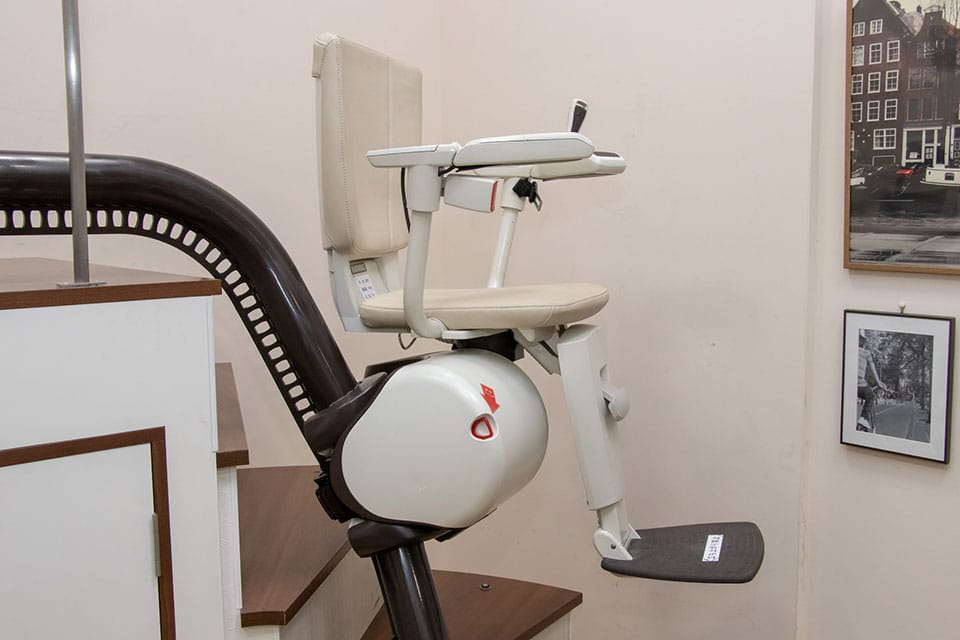
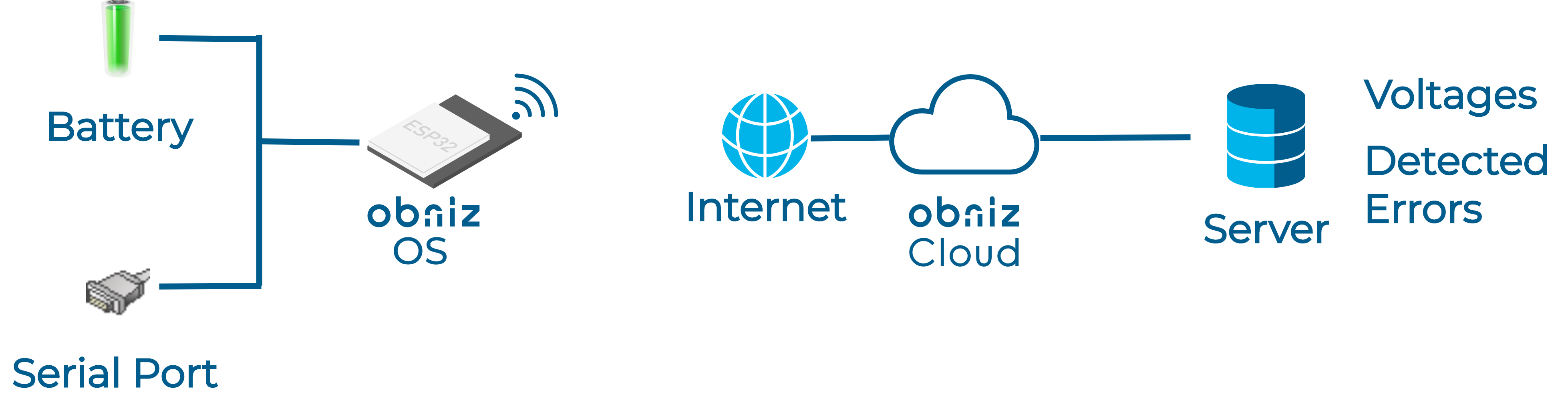
TechCrunch Japan이 다룬 계단 승강기 원격 감시 사례에서는 obniz 기반 시스템으로 운전 상태, 배터리 수명, 기기 트러블을 원격 검지하고, 전압 확인, 에러 이력 확인, 원격 재시작을 제공한다고 설명합니다. 2024년 의료 폐기물 패킹 장치 사례에서는 obniz Now 기반 장치가 내장 LTE로 연결되고, Web 대시보드에서 기기별 사용량과 에러를 일괄 관리하며, 이를 통해 유지보수 우선순위 조정과 제품 개선 피드백까지 가능해졌다고 소개됩니다. Kilo는 바로 이런 업무 흐름과 잘 맞는 장치입니다. (TechCrunch Japan)
📌 External Indicators
Source: https://prtimes.jp/main/html/rd/p/000000075.000040376.html
이 사례는 GitHub형 오픈소스 프로젝트보다는 상용 제품과 플랫폼 생태계가 갖춰진 유형에 가깝습니다. Kilo 제품 사양 문서는 2026년 2월 23일 업데이트 상태이고, 최신 obnizOS 변경로그는 2026년 3월 23일 기준으로 Kilo와 ESP32, W5500, Lua Plugin, Self-diagnosis, Sleep, CAN, RS485 DE 제어 등을 함께 다룹니다. 또 obniz는 2023년부터 obniz for Business를 공식화했고, 2024년에는 실제 장비 유지보수 사례를 보도자료로 공개했습니다. 즉 Kilo는 단순 시제품이 아니라, 문서화·운영 플랫폼·상용 적용 사례가 함께 진행 중인 commercial-ready edge product로 볼 수 있습니다. (Obniz 지원 센터)
📌 WIZnet Strategic Value
WIZnet 관점에서 Kilo 사례가 중요한 이유는, W5500이 단순한 “MCU Ethernet 확장 부품”이 아니라 멀티 네트워크 industrial edge device의 핵심 wired path로 들어간다는 점을 보여주기 때문입니다. Kilo는 이미 Wi-Fi와 LTE를 가진 장치인데도 Ethernet을 별도의 WAN/LAN 경로로 유지하고, 공식 OS 문서에서 그 Ethernet 측 지원을 W5500으로 직접 연결합니다. 이는 W5500이 **“무선이 없어서 쓰는 칩”**이 아니라, 산업 현장에서 더 안정적이고 예측 가능한 유선 경로를 확보하기 위해 선택되는 칩이라는 메시지를 줍니다. (Obniz 지원 센터)
또한 Kilo처럼 RS485, CAN, relay, Qwiic, 클라우드 관리, 로컬 플러그인을 함께 가진 장치에서 W5500은 단순 연결 기능 이상을 갖습니다. 그것은 현장 제어 장치와 상위 운영 시스템 사이를 잇는 유선 신뢰성 계층이며, 향후 비슷한 구조는 설비 IoT, 원격 유지보수, 레거시 장비 업그레이드, 산업용 센서 게이트웨이 같은 영역으로 확장해 해석할 수 있습니다. (obniz公式ブログ)
📌 Conclusion
obniz Intelligent Edge Kilo는 표면적으로는 일반 IoT 게이트웨이와 비슷해 보일 수 있습니다. 하지만 실제로는 현장 장비 연결, 네트워크 선택, 로컬 상태 유지, 오프라인 동작, 원격 운영, 클라우드 관리를 하나로 묶은 managed intelligent edge device에 가깝습니다. 이 장치가 “Intelligent”한 이유는 단순히 CPU가 들어 있어서가 아니라, obnizOS가 장치 안에서 연결·설정·원격 제어·플러그인 실행을 함께 맡고, 필요하면 장치가 네트워크가 끊겨도 일정 동작을 계속 수행할 수 있기 때문입니다. (obniz Docs)
그리고 이 구조 안에서 ESP32 계열은 Wi-Fi 문맥, W5500은 Ethernet 문맥, LTE-M/NB-IoT는 셀룰러 문맥을 맡는 식으로 역할이 분화됩니다. WIZnet VAR 관점에서 보면, Kilo는 W5500이 단순 단일 연결 제품을 넘어 고급 edge platform 안에서 유선 신뢰성 계층을 담당하는 전략적 부품이 될 수 있음을 보여주는 좋은 사례입니다. (obniz Docs)
Q. obniz Intelligent Edge Kilo는 무엇인가요?
obniz Intelligent Edge Kilo는 현장 장비와 클라우드를 연결하는 산업용 멀티 네트워크 edge device로, Ethernet, Wi-Fi, LTE-M/NB-IoT를 함께 지원하며 로컬 제어와 원격 운영을 동시에 수행합니다.
Q. 왜 “Intelligent Edge”라고 불리나요?
Kilo는 단순 데이터 전송이 아니라 obnizOS 기반으로 로컬 제어, 오프라인 동작, 플러그인 실행까지 수행할 수 있어, 현장에서 스스로 동작하는 intelligent edge device로 설명됩니다.
Q. Kilo에서 ESP32는 어떤 역할을 하나요?
Wi-Fi 경로는 obnizOS for ESP32와 연결된 구조로, ESP32 계열 플랫폼이 무선 네트워크 연결과 설정 기능을 담당하는 것으로 이해할 수 있습니다.
Q. WIZnet W5500은 왜 사용되나요?
W5500은 Kilo에서 유선 Ethernet 경로(WAN/LAN)를 담당하며, Wi-Fi나 LTE와 별도로 안정적인 네트워크 연결과 로컬 장비 통신을 제공합니다.
Q. Kilo는 어떤 용도로 사용되나요?
Kilo는 설비 IoT화, 원격 유지보수, 장비 모니터링, 산업 자동화 등에 사용되며, 기존 장비를 클라우드 기반으로 연결하고 제어하는 데 적합합니다.