



Raspberry Pi CM4 Dual Ethernet Card
Raspberry Pi CM4 Dual Ethernet Card
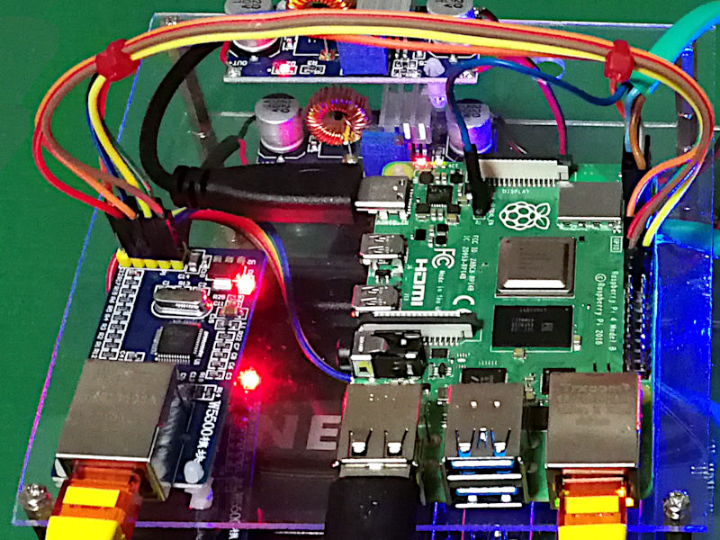
The article discusses using a Raspberry Pi as a server due to its low cost and small form factor, making it an ideal choice for projects requiring a low-power, low-cost server. This could include applications such as home automation, home media servers, or small-scale web servers. The Raspberry Pi's limited resources can be optimized to build a highly available, fault-tolerant system.
One way to enhance its functionality is through a dual NIC (Network Interface Controller) connection. The benefits of this setup include:
- Redundancy: If one Ethernet connection fails, the other one can keep the system connected and communicative.
- Improved reliability: The system can continue to operate even if one connection has issues.
- Maintenance: A dual NIC system allows for easier and less disruptive maintenance by disconnecting one cable at a time.
The article further discusses hardware options for providing a Raspberry Pi with two Ethernet connections. It references a piece by Jeff Jeerling, which emphasizes the benefits of a NIC attached to a PCI Express lane over a USB-to-Ethernet controller. The author also mentions testing two Ethernet-to-SPI bus cards, although both had unresolved issues. The piece seems to aim at exploring the potential and challenges of creating a more robust and reliable network connection with Raspberry Pi systems.