


Why W5500 in ESP32-H2 MicroPython Firmware? (Production-Ready)
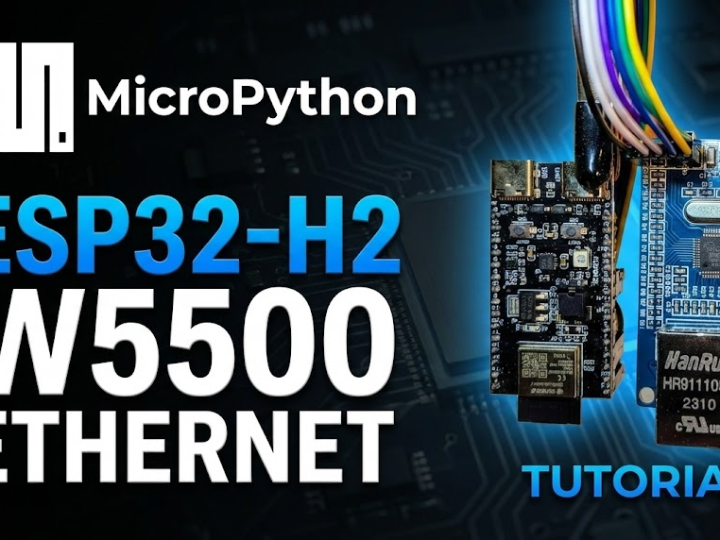
This project provides a production-ready MicroPython firmware for the ESP32-H2-MINI-1, enabling 100Mbps Ethernet via WIZnet W5500.
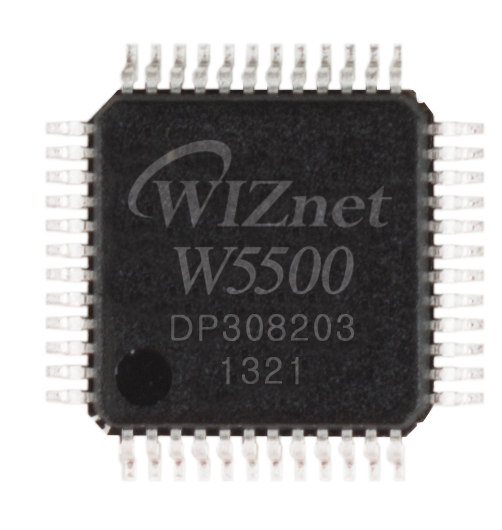
WIZnet - W5500
x 1

micropython - MicroPython
x 1
4. DESCRIPTION
Project Overview (Context & Origin)
This project was released just 2 days ago (January 7, 2026) by shariltumin, an active contributor in the MicroPython community. 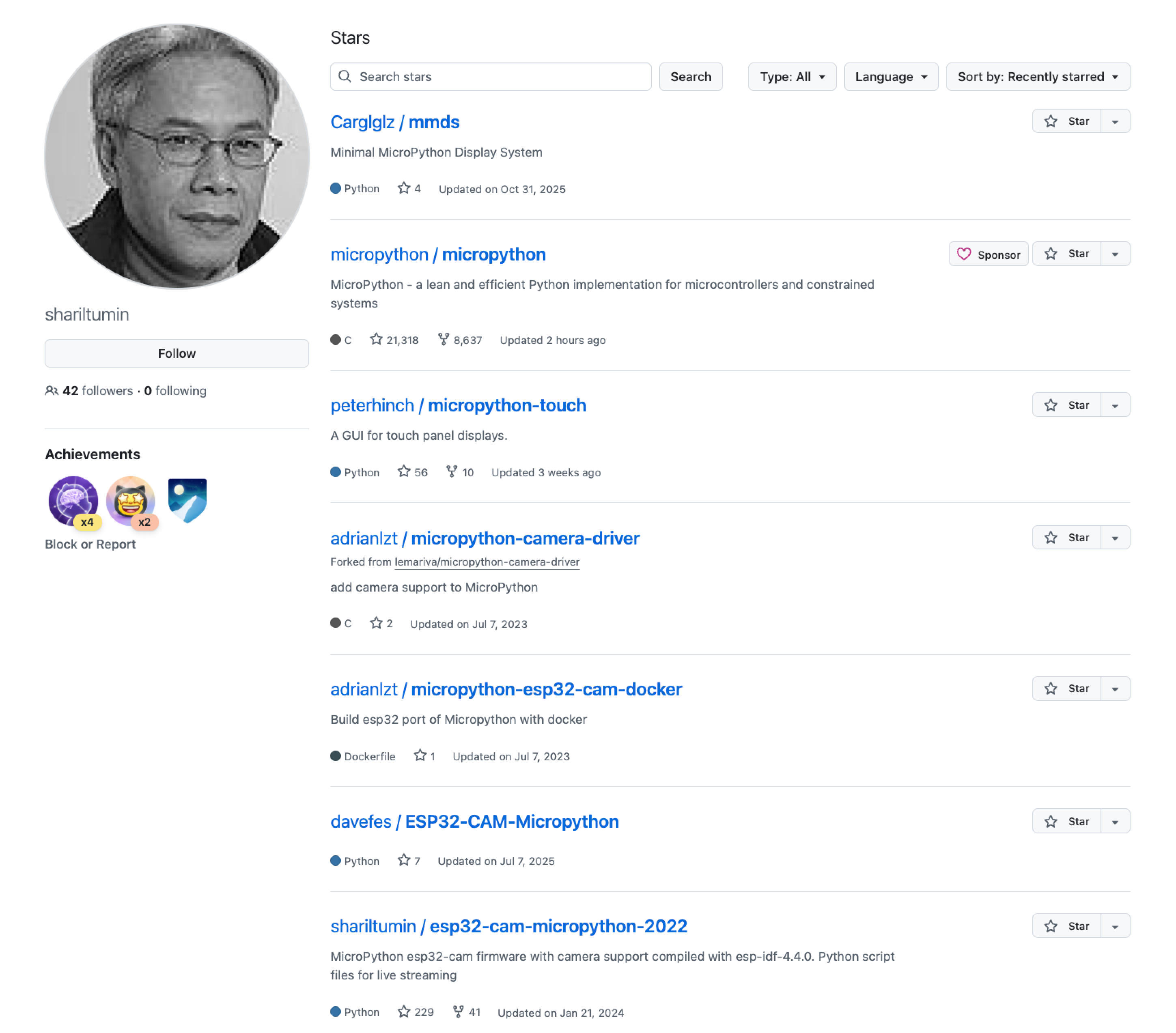
Hardware Analysis
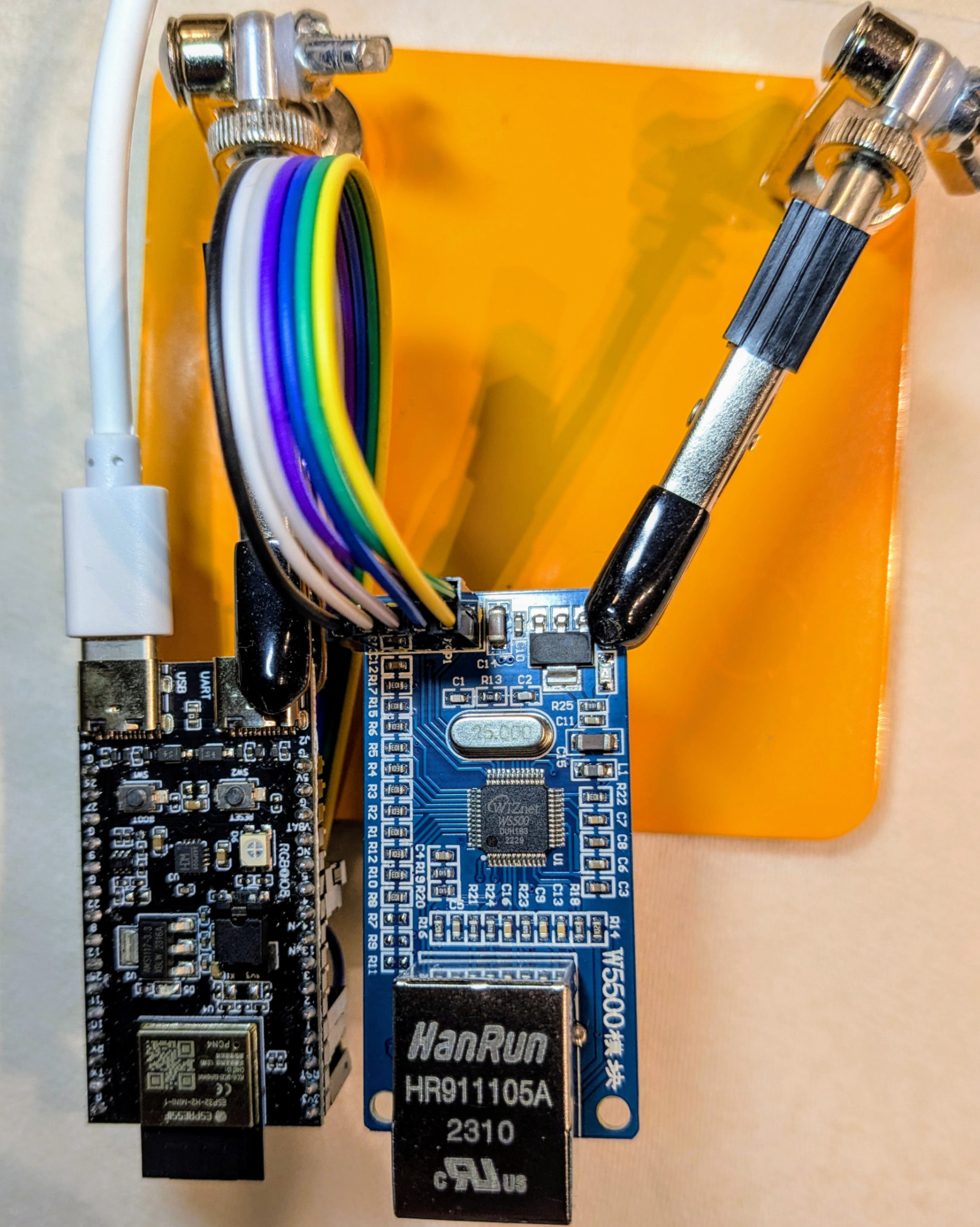
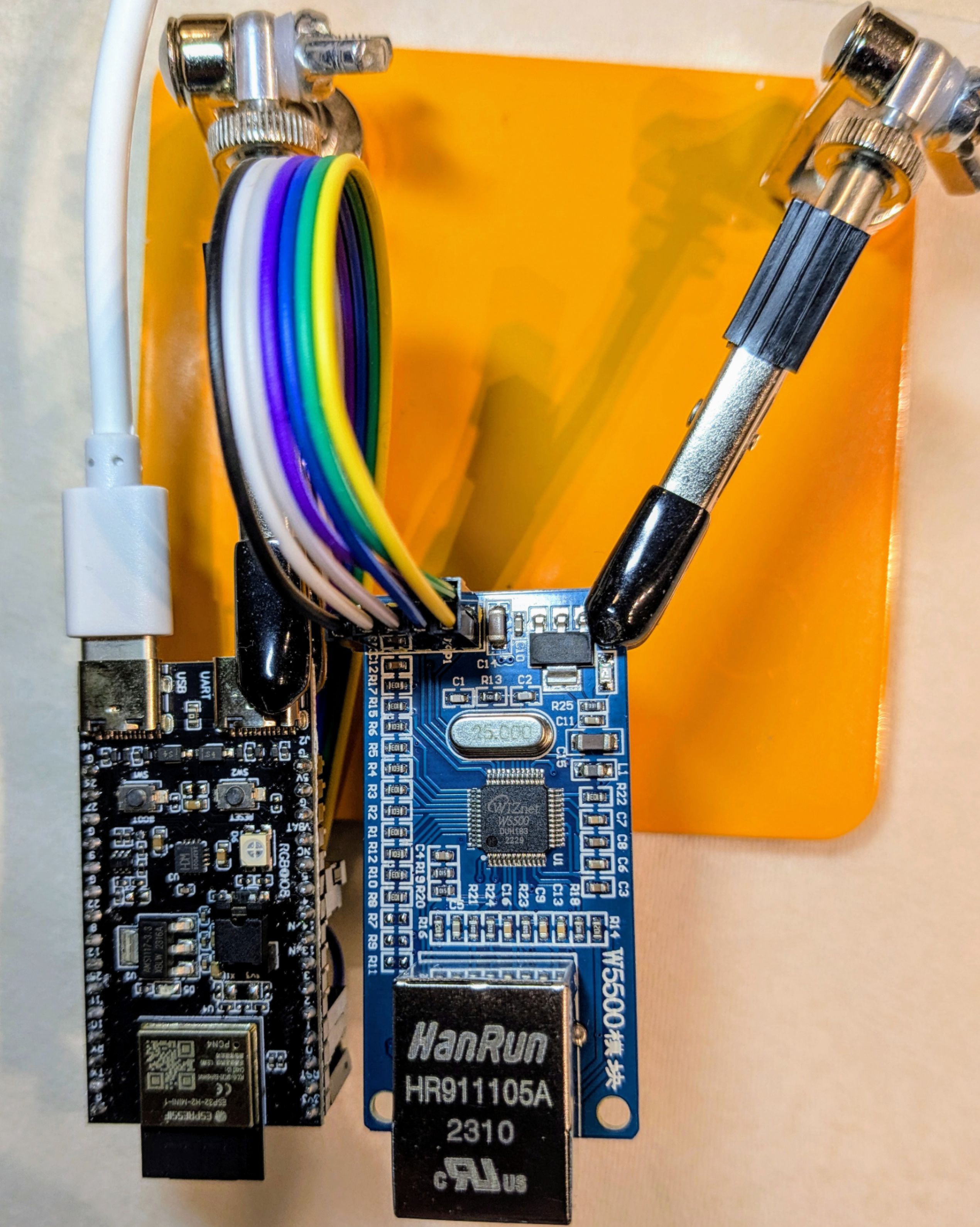
It is based on connecting an ESP32-H2-MINI-1 board and a W5500 module via SPI. The pin map specified in the README is:
- SPI Bus: GPIO 4(SCLK), 5(MOSI), 0(MISO)
- Control: GPIO 1(CS), 11(INT)
Technical Analysis: Why WIZnet?
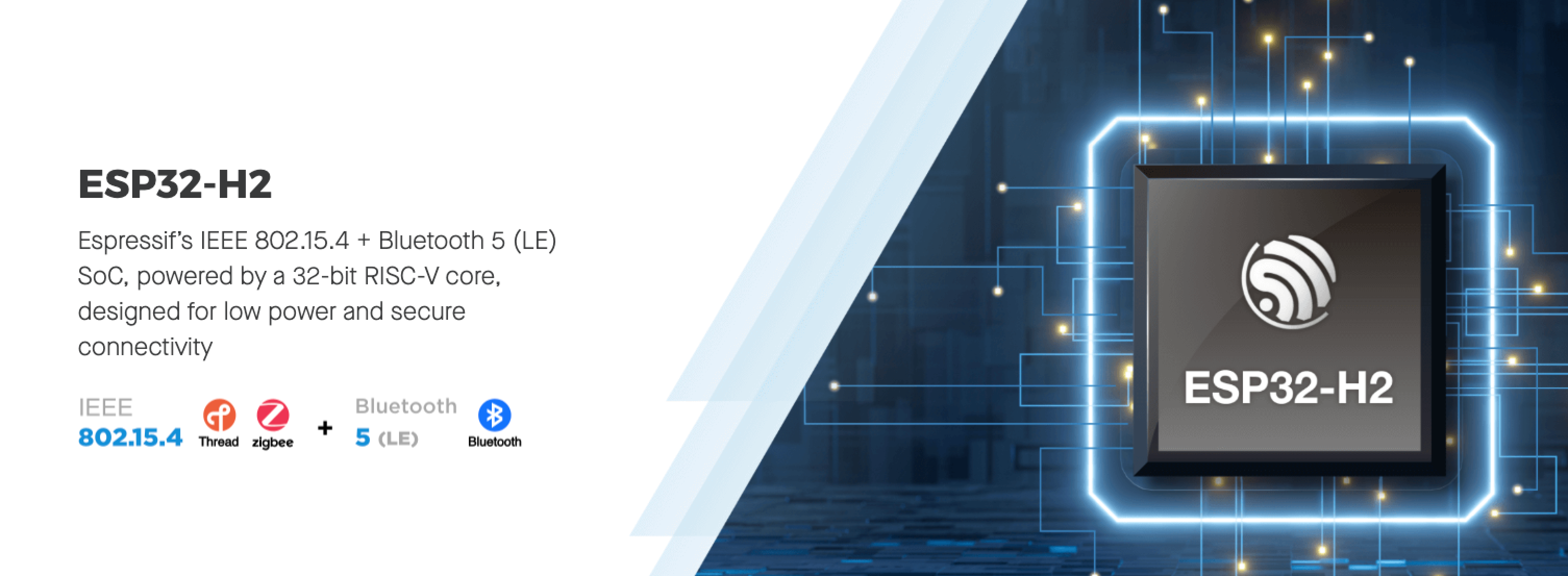
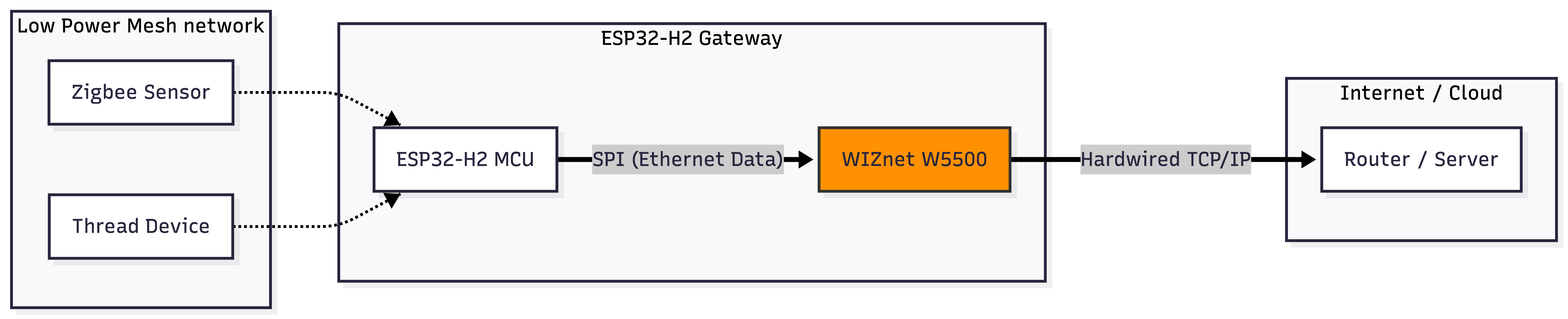
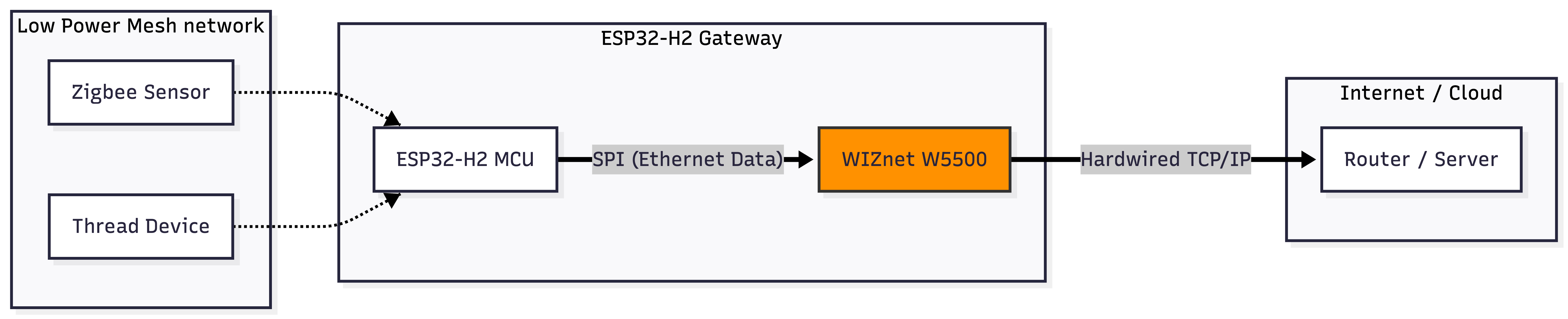
The ESP32-H2 is inherently a No Wi-Fi chipset. This means it is optimized for low-power Zigbee/Thread devices or battery-operated sensors. However, to send collected data to the cloud or a local server, an Internet Gateway function is mandatory.
WIZnet W5500 serves as the unique and powerful solution here.
- Essential Connectivity: It breathes internet life into the Wi-Fi-less H2 chip.
- Reliability: Since the 2.4GHz band is occupied by Zigbee and Thread, a wired Ethernet backhaul free from RF interference is ideal.
- Resource Efficiency: The H2 is a resource-constrained MCU. W5500 offloads TCP/IP processing to hardware, allowing H2's memory and CPU to focus entirely on the Zigbee/Thread stack.
Firmware/Software Analysis
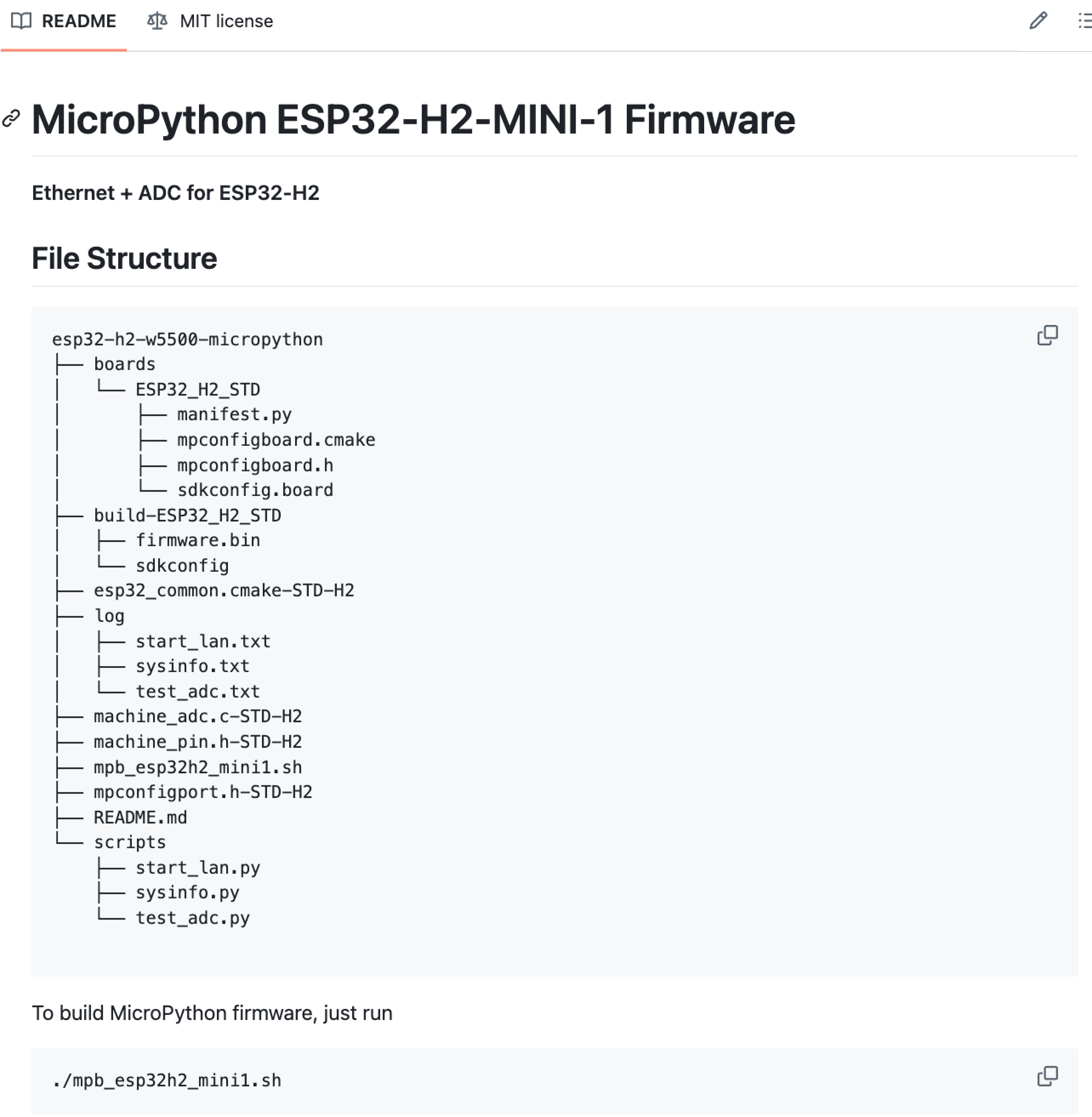
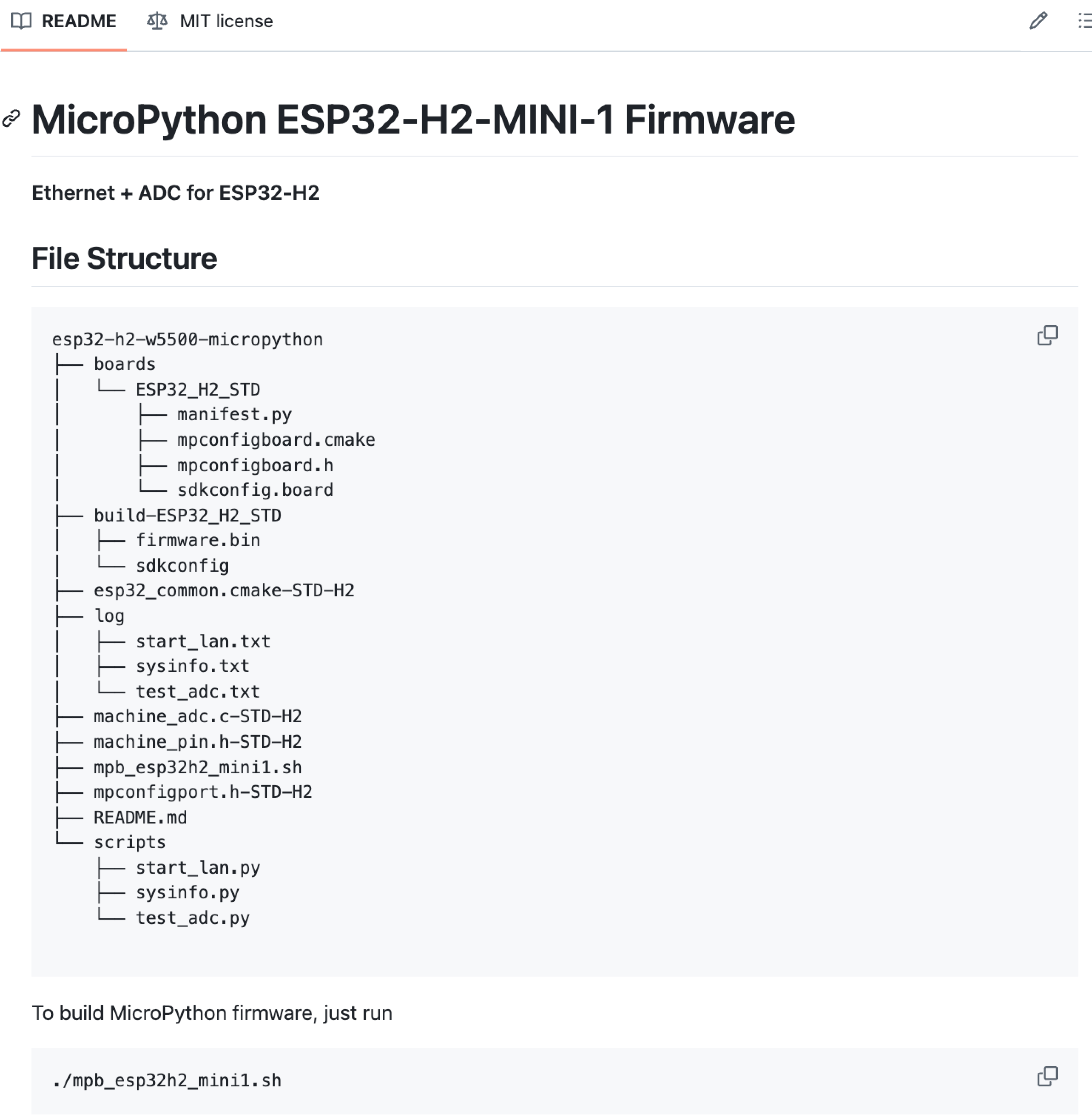
This project is more than just a driver addition; it's a custom build with core fixes for real-world usage.
- Ethernet Integration: Natively supports W5500 via the
network.LANmodule. - ADC Bug Fixes: Resolved the Guru Meditation Error crash that occurred when invoking
machine.ADC()on the ESP32-H2. - Ready-to-use Scripts: Includes utility scripts like
start_lan.pyto help users get Ethernet running immediately.
# Excerpt from scripts/start_lan.py (Actual code)
# Concise code for W5500 initialization and IP assignment
spi = SPI(1, sck=Pin(4), mosi=Pin(5), miso=Pin(0))
lan = network.LAN(spi=spi, cs=Pin(1), int=Pin(11), phy_addr=1, phy_type=network.PHY_W5500)
lan.active(True)
print("IP:", lan.ifconfig())
Market Context & Significance
The ESP32-H2 is gaining attention with the rise of Matter and Thread. This project provides a way for makers who want to build their own Low-power Matter Bridge or Zigbee Coordinator using H2, to integrate the most reliable wired network solution (W5500).
FAQ
Q: Does the ESP32-H2 really have no Wi-Fi?
A: Correct, the ESP32-H2 physically lacks Wi-Fi hardware. It is a specialized chip designed solely for IEEE 802.15.4 (Zigbee/Thread) and Bluetooth LE. To send data to the cloud or local servers, you must use an external Ethernet controller like W5500. This is a critical requirement when building Matter Gateways or Zigbee Coordinators.
Q: How does this differ from official MicroPython firmware?
A: Official MicroPython support for ESP32-H2 is still experimental, with a critical bug where calling machine.ADC() causes a Guru Meditation Error crash. This project directly modified the ADC channel mapping table to fix the bug and fully enabled the W5500 network.LAN driver to achieve "Production-Ready" quality. GPIO pin mappings are also optimized for the H2's unique characteristics.
Q: What actual speed can I expect with W5500?
A: Although the W5500 has a 100Mbps PHY, the ESP32-H2's SPI bus limitation results in effective throughput of 10~15Mbps. However, this is more than adequate for industrial IoT sensor data, MQTT publishing, and HTTP requests. For reference, 1Mbps alone can transmit thousands of sensor messages per second, so there's no bottleneck for typical Zigbee/Thread Gateway applications.
프로젝트 개요 (Context & Origin)
이 프로젝트는 2026년 1월 7일 MicroPython 커뮤니티의 활발한 기여자인 shariltumin이 github에 공개한 따끈따끈한 ESP32-H2 전용 커스텀 펌웨어입니다. 그는 229개의 스타를 받은 esp32-cam-micropython을 비롯해 26개의 MicroPython 리포지토리를 운영하는 ESP32 전문가입니다.
ESP32-H2는 Wi-Fi가 없고 IEEE 802.15.4 (Zigbee/Thread) 와 Bluetooth LE만을 지원하는 특수 목적 MCU입니다. 따라서 외부 인터넷 연결을 위해서는 유선 이더넷이 필수적인데, 공식 MicroPython 펌웨어가 이를 완벽히 지원하지 않는 시점에서 개발자가 직접 W5500 드라이버와 ADC 픽스를 통합하여 "Production-Ready" 수준으로 내놓았습니다.
하드웨어 분석
ESP32-H2-MINI-1 보드와 W5500 모듈을 SPI로 연결하는 구성을 기본으로 합니다. README에 명시된 핀맵은 다음과 같습니다:
- SPI Bus: GPIO 4(SCLK), 5(MOSI), 0(MISO)
- Control: GPIO 1(CS), 11(INT)
기술적 분석: Why WIZnet?
ESP32-H2는 태생적으로 Wi-Fi가 없는 (No Wi-Fi) 칩셋입니다. 이는 저전력 Zigbee/Thread 기기나 배터리 구동 센서에 최적화되었음을 의미합니다. 하지만 이들이 수집한 데이터를 클라우드나 로컬 서버로 보내려면 인터넷 연결(Gateway) 기능이 반드시 필요합니다.
WIZnet W5500은 여기서 유일하고도 강력한 해결책이 됩니다.
- 필수적 연결성 (Essential Connectivity): Wi-Fi가 없는 H2 칩에 인터넷 생명력을 불어넣습니다.
- 안정성 (Reliability): 2.4GHz 대역은 Zigbee와 Thread가 사용해야 하므로, 백홀(Backhaul) 연결은 전파 간섭이 없는 유선 이더넷이 가장 이상적입니다.
- 자원 효율성 (Resource Efficiency): H2는 리소스가 제한적인 MCU입니다. W5500은 TCP/IP 스택을 하드웨어로 처리하므로 H2의 메모리와 CPU를 Zigbee/Thread 스택 운용에 온전히 집중시킬 수 있습니다.
펌웨어/소프트웨어 분석
이 프로젝트는 단순한 드라이버 추가를 넘어, 실사용에 필요한 핵심 기능들을 수정한 커스텀 빌드입니다.
- Ethernet 통합:
network.LAN모듈을 통해 W5500을 네이티브하게 지원합니다. - ADC 버그 수정: ESP32-H2의
machine.ADC()구동 시 발생하는 크래시(Guru Meditation Error) 문제를 해결했습니다. - 스크립트 제공:
start_lan.py와 같은 유틸리티 스크립트를 포함하여, 사용자가 즉시 이더넷을 구동해볼 수 있도록 배려했습니다.
# scripts/start_lan.py 발췌 (실제 코드)
# W5500 초기화 및 IP 할당을 위한 간결한 코드
spi = SPI(1, sck=Pin(4), mosi=Pin(5), miso=Pin(0))
lan = network.LAN(spi=spi, cs=Pin(1), int=Pin(11), phy_addr=1, phy_type=network.PHY_W5500)
lan.active(True)
print("IP:", lan.ifconfig())
시장 맥락 및 의의
ESP32-H2는 최근 Matter와 Thread의 부상으로 주목받는 칩셋입니다. 이 프로젝트는 H2를 이용해 저전력 Matter Bridge나 Zigbee 코디네이터를 직접 만들고 싶은 메이커들에게, 가장 신뢰할 수 있는 유선 네트워크 솔루션(W5500)을 접목하는 방법을 제시합니다.
FAQ
Q: ESP32-H2에 Wi-Fi가 정말 없나요?
A: 네, ESP32-H2는 Wi-Fi 하드웨어 자체가 물리적으로 존재하지 않습니다. IEEE 802.15.4(Zigbee/Thread)와 Bluetooth LE만을 지원하도록 설계된 특수 목적 칩입니다. 따라서 클라우드나 로컬 서버로 데이터를 전송하려면 W5500과 같은 외부 이더넷 컨트롤러가 필수입니다. 이는 Matter Gateway나 Zigbee Coordinator를 구축할 때 핵심적인 요구사항입니다.
Q: 공식 MicroPython 펌웨어와 다른 점은 무엇인가요?
A: 공식 MicroPython은 ESP32-H2 지원이 아직 실험 단계이며, 특히 machine.ADC()를 호출하면 Guru Meditation Error로 크래시되는 치명적 버그가 있습니다. 이 프로젝트는 ADC 채널 매핑 테이블을 직접 수정하여 해당 버그를 해결했고, W5500 network.LAN 드라이버를 완전히 활성화하여 "Production-Ready" 수준으로 끌어올렸습니다. 또한 GPIO 핀맵도 H2 특성에 맞게 최적화되어 있습니다.
Q: W5500 연결 시 실제 속도는 어느 정도인가요?
A: W5500은 100Mbps PHY를 탑재했지만, ESP32-H2의 SPI 버스 속도 제한으로 인해 실효 Throughput은 10~15Mbps 수준입니다. 하지만 이는 산업용 IoT 센서 데이터 전송, MQTT 메시지 발행, HTTP 요청 등에는 충분히 넉넉한 대역폭입니다. 참고로, 1Mbps만 있어도 초당 수천 개의 센서 메시지를 전송할 수 있으므로, 대부분의 Zigbee/Thread Gateway 용도에서는 병목이 전혀 발생하지 않습니다.


